Understanding "what is the lifespans of integrated LED fixtures vs LED bulbs" is crucial in today's lighting industry. According to Dr. Emily Johnson, a leading lighting engineer, “The lifespan differences between integrated LED fixtures and traditional LED bulbs can greatly impact consumer choice.” This highlights the necessity of comparing these options carefully.
Integrated LED fixtures typically boast longer lifespans due to their design and built-in components. However, LED bulbs also offer significant durability and flexibility. Many users often overlook how fixture designs can affect longevity. Depending on the application, the choice can lead to stark differences in maintenance and replacement costs.
Ultimately, the true comparisons may require deeper analysis than one might expect. Factors like heat dispersion, usage frequency, and operational environments play a vital role in determining lifespan. As technology evolves, what once was clear-cut may now demand more nuanced consideration. The conversation around integrated fixtures versus bulbs deserves continued exploration.
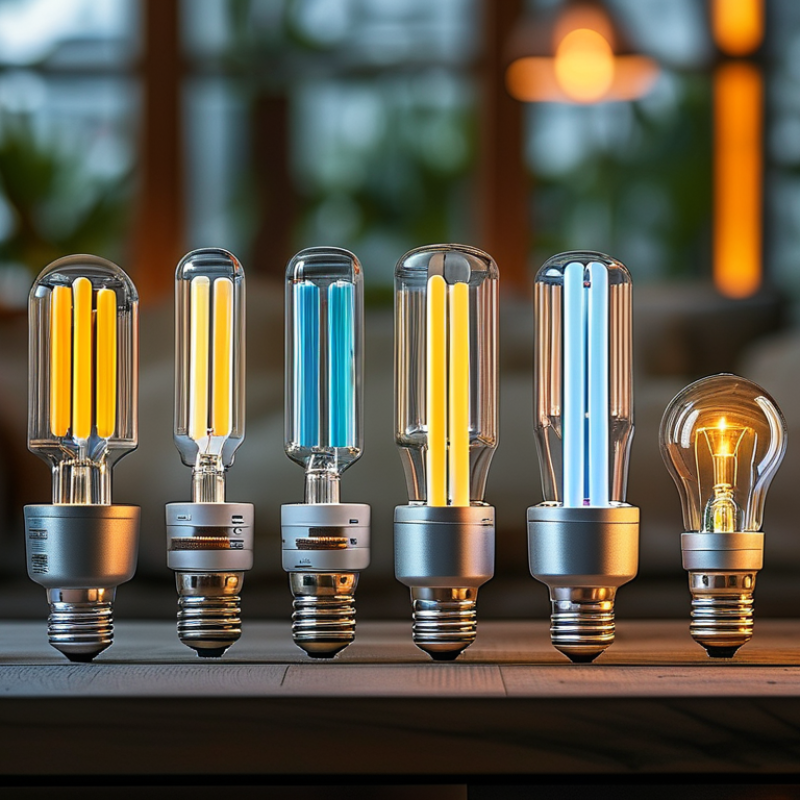
Integrated LED Fixtures: Overview and Features
Integrated LED fixtures offer a sleek design and efficient lighting solutions for various settings. These fixtures come with built-in LED technology that enhances their longevity and energy efficiency. Users can enjoy bright, consistent illumination without the hassle of changing bulbs frequently. This convenience appeals to both residential and commercial users looking to reduce maintenance costs.
When considering integrated fixtures, examine the light output and color temperature. Different settings may require warmer or cooler lighting. Ensure that the fixture aligns with the specific needs of the space. Durability is another crucial aspect. Integrated LED fixtures often have higher resistance to wear and tear, making them suitable for high-traffic areas.
For those contemplating transitioning, watch for energy ratings. Higher ratings typically indicate better efficiency and reduced electricity bills. Assess the installation requirements as well; some fixtures may necessitate professional installation, impacting overall costs. Finally, do not overlook the aesthetics; the design should complement the existing decor to enhance the space visually.
LED Bulbs: Overview and Features
LED bulbs have transformed the lighting industry with their energy efficiency and longevity. These bulbs typically last between 15,000 to 25,000 hours, making them a reliable choice for both residential and commercial applications. According to the U.S. Department of Energy, LED bulbs use at least 75% less energy than incandescent bulbs. Over time, this can lead to significant savings on energy bills. However, their initial cost can be higher, which may deter some buyers.
The features of LED bulbs also play a crucial role in their popularity. Many LED bulbs now offer adjustable brightness and color temperature, along with smart technology capabilities. This allows users to customize their lighting environment. However, it's essential to consider that not all LED products deliver consistent performance. Some lower-quality options may flicker or have a shorter lifespan than advertised. A recent study highlighted that 20% of lower-priced LEDs failed within the first year, emphasizing the importance of choosing high-quality products.
It's clear that while LED bulbs provide many benefits, understanding their specifications is vital. The growing market has led to various choices, but not every option meets the same standards of longevity and efficiency. Buyers should conduct research on specifications and seek reliable sources before making a purchase. Insightful decisions can lead to optimized lighting solutions and potential savings in the long run.
Comparative Lifespan Analysis of Fixtures vs Bulbs
When analyzing the lifespan of integrated LED fixtures versus LED bulbs, it’s clear that the two options present different benefits. Integrated fixtures typically have a longer lifespan, averaging around 50,000 hours compared to the 25,000 hours found in most LED bulbs. This difference is relevant for consumers looking for long-term solutions. Integrated fixtures are designed to be more robust and can handle heat better, which enhances their longevity.
However, the initial cost of integrated fixtures is often higher than that of LED bulbs. This cost disparity can lead consumers to opt for bulbs, assuming they will not need to replace them as often. Yet, studies show that the total cost of ownership might favor integrated fixtures in the long run. They require fewer replacements, which can save money on labor and material costs.
Beyond lifespan, the choice may hinge on users' specific needs. Some installations might not be suitable for integrated fixtures. Factors like design flexibility and ease of replacement play a role in decision-making. Consumers should weigh the upfront costs against the long-term benefits to determine what works best for them. The perfect solution is not the same for everyone, and that is worth reflecting on for optimal lighting choices.
Factors Influencing Lifespan of LED Lighting Options
When considering the lifespan of integrated LED fixtures versus traditional LED bulbs, several factors come into play. Quality of materials is crucial. High-grade components enhance durability and performance. On the contrary, cheaper materials can lead to early failure. Lighting design also matters. Integrated fixtures are often built to last longer due to their optimized thermal management. This keeps heat at bay, contributing to an extended lifespan.
Another factor is the usage environment. Humidity, temperature, and exposure to dust can impact longevity. Fixtures placed in harsher conditions may degrade faster. It's essential to consider the light's intended use. Fixtures used for constant lighting perform differently compared to those that are frequently turned on and off. While LED bulbs may seem convenient, their lifespan can diminish with continuous cycling.
Maintaining the right settings can improve lifespan too. Overdriving LEDs with excess current can shorten their life. Dimmer switches can help regulate power without compromising brightness. Understanding these elements is vital for making informed decisions, whether you choose integrated fixtures or LED bulbs. There's always a balance between price and quality; sometimes the cheaper option ends up costing more in the long run.
Cost-Effectiveness of Integrated Fixtures vs LED Bulbs
When considering integrated LED fixtures versus traditional LED bulbs, cost-effectiveness is a crucial factor. Integrated fixtures often come out ahead when considering lifespan and maintenance costs. According to the Department of Energy, integrated LED systems can last up to 50,000 hours, reducing the frequency of replacements. In contrast, typical LED bulbs may last about 25,000 hours. This difference can lead to significant savings over time, especially in commercial settings where lighting is used extensively.
Although integrated fixtures may have higher upfront costs, they generally balance out due to lower long-term operational costs. Maintenance tasks, such as changing bulbs, are minimized with integrated designs. A study from the Lighting Research Center shows that labor costs for replacing bulbs can be substantial in large installations. Maintenance savings can offset initial costs, making integrated systems more appealing in high-use environments.
However, it's important to consider compatibility with existing systems. Integrated fixtures may require new installations, which can increase initial investments. This aspect may raise questions about whether the transition is worth it for smaller operations. Choosing between integrated fixtures and LED bulbs involves weighing upfront costs against long-term savings, which can be complex. Each scenario demands thoughtful consideration based on specific needs and environments.
FAQS
: Integrated LED fixtures are lighting solutions that have built-in LED technology for efficiency and longevity.
They typically last around 50,000 hours, which is longer than most LED bulbs.
They require fewer replacements, reducing maintenance costs and offering consistent illumination.
Yes, they often have a higher upfront cost compared to traditional LED bulbs.
Humidity, temperature, and dust exposure can reduce the lifespan of both fixtures and bulbs.
Avoiding overdriving LEDs, using dimmer switches, and choosing high-quality materials can extend their life.
Not necessarily; some spaces may lack compatibility, requiring reflection on specific installation needs.
Consider the specific lighting needs of your space for optimal comfort and aesthetics.
Yes, they're designed with better thermal management, enhancing their durability.
Yes, for installations needing flexibility and ease of replacement, LED bulbs may be the better option.
Conclusion
The article titled "2026 Best Lifespan Comparison of Integrated LED Fixtures vs LED Bulbs" provides a comprehensive analysis of the lifespan of these two lighting options. Integrated LED fixtures are designed with built-in LED technology, offering unique features such as enhanced durability and energy efficiency. In contrast, traditional LED bulbs are versatile and easily replaceable, making them a popular choice for many consumers.
The comparative analysis highlights the lifespans of integrated LED fixtures vs LED bulbs, revealing that integrated fixtures generally have a longer operational life due to their construction and usage in controlled environments. Factors influencing these lifespans include usage patterns, environmental conditions, and technical specifications. Finally, the article discusses the cost-effectiveness of each option, allowing readers to make informed decisions based on longevity and initial investment considerations.

 Lili Light