Why Are My LED Bulbs Flickering When Turned Off?

Time:2026-06-12 Author:Oliver
0%

LED bulbs are a popular choice for their energy efficiency and longevity. However, many consumers notice an annoying problem: flickering when turned off. This leads to the question, "why are my LED bulbs flickering when turned off?" Understanding the root cause is essential for a comfortable living space.

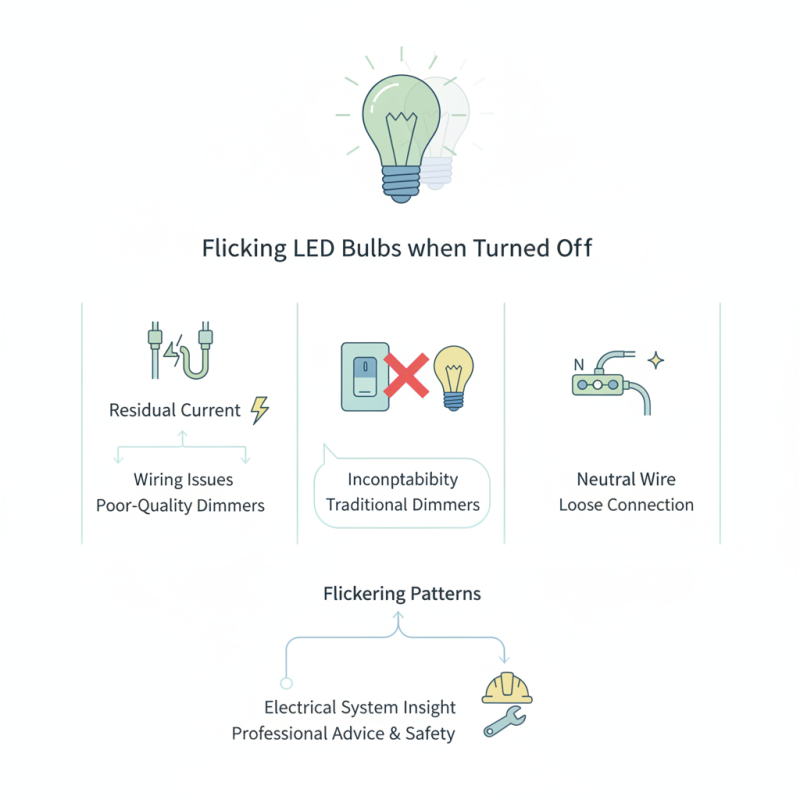
Several factors can contribute to this flickering issue. One primary reason could be residual current in the circuit. This might happen due to wiring issues or the presence of poor-quality dimmers. In some cases, a neutral wire may not be properly connected. These technicalities can be frustrating, as they often go unnoticed until the flickering becomes distracting.

Another aspect to consider is the compatibility of your LED bulbs with your dimmers. Not all LED bulbs work well with traditional dimmers. This mismatch can lead to inconsistent performance. Observing these flickering patterns provides insight into your home’s electrical system. It underscores the need for professional advice. Addressing this problem early can improve not only your lighting quality but also the overall safety of your home environment.
Why Are My LED Bulbs Flickering When Turned Off?

Understanding LED Bulbs and Their Functionality

LED bulbs have gained popularity due to their energy efficiency and long lifespan. However, flickering when turned off can be a puzzling issue. Understanding how LED bulbs work is crucial.
Unlike traditional bulbs, LEDs use electronic circuits. These circuits can cause residual current, leading to flickering. The wiring and switch type also impact this phenomenon.

One common reason is the compatibility between the dimmer switch and the LED bulb. Not all dimmers work seamlessly with LEDs. This can result in unexpected flickering. Additionally, there might be poor connections in the wiring, causing fluctuations. It’s essential to inspect the wiring for any loose or faulty connections.

Tips for addressing flickering include ensuring compatibility between your bulb and switch. If you notice flickering, try replacing the dimmer with one specifically designed for LEDs. Another tip is to check the fixture. If it’s tightly sealed, it may trap heat, affecting performance. Allowing for proper airflow can enhance LED functionality. Regular maintenance also helps in identifying potential issues early, ensuring a steady and reliable light source.

Common Causes of Flickering in LED Bulbs When Turned Off

Flickering LED bulbs, even when switched off, can be a frustrating issue. One common cause is residual electrical current. This small current can flow even when the switch is off, due to how some switches are designed. This can be particularly evident in dimmer switches. They may allow a trickle of power, which can cause LEDs to flicker.

Another reason for flickering involves poor connections. Loose wiring or faulty fixtures can lead to inconsistent power delivery. This can make the bulbs behave unpredictably. Additionally, if you have multiple LED bulbs on a circuit, one bulb's fault can affect the others. The cumulative effect can result in strange flickering patterns, enhancing the annoyance.

Finally, the type of LED bulb matters. Some models may be more sensitive to voltage fluctuations. This means they might flicker if there are irregularities in your home's electrical system. Inconsistent voltage can lead to a range of flickering issues, even when the bulbs are ostensibly off. If you're experiencing these problems, it may be time to consult an electrician to investigate wiring issues or explore alternative bulb options.

Why Are My LED Bulbs Flickering When Turned Off? - Common Causes of Flickering in LED Bulbs When Turned Off

Cause Description Solution
Dimmer Switch Issues LED bulbs may flicker if used with incompatible dimmer switches. Upgrade to a dimmer switch designed for LED compatibility.
Voltage Fluctuations Variations in voltage can cause flickering when bulbs are off. Consult an electrician to stabilize voltage supply.
Insufficient Current Some LED bulbs require a minimum current to prevent flickering. Use a load resistor or compatible LED driver.
Faulty Wiring Loose or damaged wiring can result in flickering. Have a professional inspect and repair the wiring.
Incompatible Fixtures Some fixtures may not support LED bulbs well. Switch to fixtures rated for LED use.

The Role of Dimmer Switches in LED Bulb Flickering

Dimmer switches are a common culprit for LED bulb flickering when turned off. Many dimmer switches are designed for incandescent bulbs. Their compatibility with LEDs is not always guaranteed. When LEDs are used here, they may not fully turn off. This can cause a faint flicker. It’s a frustrating issue for many homeowners.

The problem often lies in the dimmer's technology. Traditional dimmers use a mechanism that can leave a trickle of current in the circuit. LED bulbs are sensitive to small amounts of current. Even a slight flow can interrupt their behavior. This is why you may see them flicker or glow softly when switched off.

It’s helpful to know that there are specific dimmers designed for LED bulbs. They offer better compatibility. Switching to these dimmers can solve many flickering issues. However, not all homes may have the budget for such upgrades. It’s worth reflecting on your lighting setup. Sometimes, moving to a simple on-off switch can be a practical solution.

LED Bulb Flickering Causes

Electrical Issues that Can Lead to Flickering Bulbs

Flickering LED bulbs can be frustrating, especially when turned off. Often, electrical issues behind this phenomenon can be perplexing. One common culprit is a faulty dimmer switch. Not all dimmers are compatible with LED technology. According to industry reports, improper dimmer configurations lead to about 30% of flickering cases.

Another factor may be electrical interference from nearby appliances. Devices like refrigerators or air conditioners can create voltage fluctuations. A study found that 20% of flickering incidents stem from these kinds of disruptions. Checking the wiring can help; loose connections can exacerbate these issues.

Tips: To mitigate flickering, consider using compatible dimmers rated for LED. Regularly inspect your electrical wiring and tighten any loose connections. It's also wise to avoid mixing standard and LED bulbs on the same circuit, as this can destabilize the current and cause flickering.

Troubleshooting Tips for Flickering LED Bulbs When Off

Flickering LED bulbs when turned off can be frustrating. This issue often stems from a few common culprits. One potential cause is poor wiring or loose connections in the light fixture. These problems can allow residual current to flow, triggering the flicker. It’s essential to ensure that all connections are tight.

Another reason for flickering may involve the type of wall switch being used. Dimmer switches or certain types of smart switches might not work well with LED bulbs. These switches can sometimes send small currents even when turned off. Testing with a standard switch can help determine if the problem lies there.

Lastly, bulbs themselves may be at fault. Not all LED bulbs are created equally. Some low-quality LEDs do not handle small current fluctuations as well as others. If flickering persists despite fixing wiring and testing switches, consider replacing the bulbs. This can lead to a more reliable lighting experience. Checking each aspect methodically is key to solving the problem.

FAQS

: Why do my LED bulbs flicker when turned off?

: Flickering often results from residual current left in the circuit. This can be due to poor wiring or incompatible dimmer switches.

How does a dimmer switch affect LED bulb performance?

Many dimmer switches designed for older bulbs may not work well with LEDs. They can send small currents even when off.

What should I check if my LED bulbs flicker?

Inspect wiring for loose connections and ensure all fixtures are tightly sealed to avoid current flow causing flickering.

Are all LED bulbs compatible with dimmer switches?

No, not all dimmers are compatible with LED bulbs. Using a dimmer specifically designed for LEDs can solve many issues.

Can low-quality LED bulbs cause flickering?

Yes, low-quality LEDs may struggle with minor current fluctuations, leading to consistent flickering.

What’s a simple solution if my LED bulbs keep flickering?

Try replacing the dimmer switch with one meant for LEDs or switch to a regular on-off switch for easier control.

How does heat affect LED bulbs?

Tight fixtures can trap heat, which impacts performance. Ensuring proper airflow helps enhance LED functionality.

Is regular maintenance important for LED lighting?

Yes, regular checks can identify problems early, ensuring a steady and reliable light source in your home.

What if switching bulbs doesn't fix the flickering?

If issues persist, it may be necessary to evaluate your overall wiring system or consider professional assistance.

Are there any budget-friendly fixes for flickering lights?

Simple changes like using a standard wall switch instead of a dimmer can be a cost-effective solution.

Conclusion

In exploring the question of "why are my LED bulbs flickering when turned off," one must first understand the functionality of LED bulbs. Unlike traditional incandescent bulbs, LEDs can be sensitive to various electrical factors that can cause flickering, even when they are not in use. Common causes include issues related to dimmer switches, which may not be fully compatible with LED technology, leading to residual current flow that triggers flickering.

Additionally, electrical problems such as loose connections or fluctuating voltage can contribute to this annoying phenomenon. To troubleshoot the issue, checking connections, replacing incompatible dimmer switches, or consulting with a qualified electrician may be necessary. By addressing these common causes and taking appropriate steps, homeowners can reduce or eliminate flickering in their LED bulbs and improve their overall lighting experience.

Oliver

Oliver

Oliver is a seasoned marketing professional with a wealth of expertise in driving brand awareness and engagement. With a deep understanding of our company's product offerings, he consistently delivers high-quality content that enriches our professional blog. His insights not only shed light on......