LED flood lights are popular for their efficiency and brightness. However, many users notice a perplexing issue: "why do LED flood lights glow dimly when switched off?" This phenomenon can be frustrating and raises questions about electrical systems. Robert Johnson, a lighting expert at Bright Solutions, states, "Even when turned off, some LEDs still draw a small amount of power, causing a faint glow."
Understanding this issue requires delving into the electrical design of LED lights. Some models have capacitors that can retain a charge. When power remains in the circuit, it can lead to the dim glow observed. In many cases, this is a result of poorly configured circuits or the use of dimmer switches not compatible with LEDs.
While the glow may not impact functionality, it can be a nuisance. Users often wonder if this indicates faulty wiring or a malfunction. Seeking answers helps illuminate the gray areas of LED technology. As we explore "why do LED flood lights glow dimly when switched off," it's essential to recognize that not all glowing lights signal a problem. Yet, ongoing discussions in the industry may lead to better solutions and improvements.
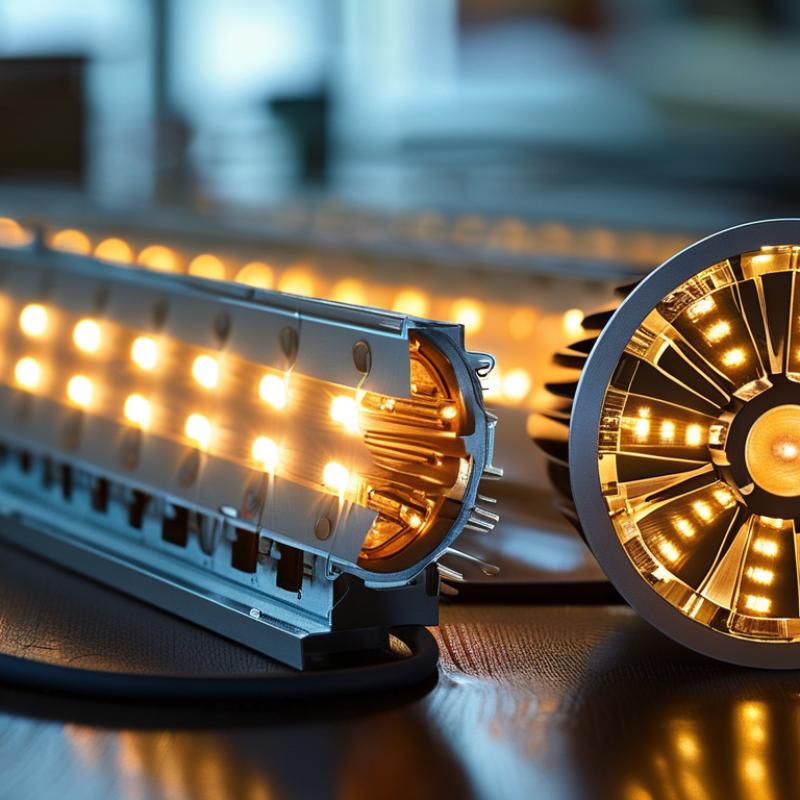
Understanding LED Flood Lights and Their Components
LED flood lights have gained popularity for their efficiency. However, many users notice a faint glow when these lights are turned off. This phenomenon can be puzzling and often leads to concerns about safety or malfunction. Understanding the components of LED flood lights can shed light on this issue.
LEDs are made up of multiple components, including a driver circuit that regulates power. When switched off, a small amount of current can still travel through the circuit. This leftover energy can cause the LED to emit a dim glow. It's not harmful, but it raises questions about design. Some manufacturers overlook optimization, leading to this unintended effect.
The driver circuitry is crucial. It ensures that LEDs perform efficiently. Yet, not all designs are perfect. Some cheaper models may not filter out this residual current effectively. Users should be aware that this glow does not mean the light is on or using significant power. It highlights the need for better quality controls and design innovations in the lighting industry.
LED Flood Lights Power Consumption When Off
This chart illustrates the power consumption metrics of LED flood lights when they are turned off, showcasing how voltage, current, and power dissipation values are represented in practical terms.
Common Causes of Dim Glow in LED Flood Lights When Off
LED flood lights sometimes exhibit a dim glow even when they are switched off. This phenomenon can be puzzling for many users. Several factors contribute to this eerie glow, with the most common being phantom voltage. Residual voltage in the circuit can feed back into the LED driver, causing it to emit a slight light. This is especially prevalent in homes with advanced wiring systems.
Another reason for this dim lighting is the type of dimmer switch used. Many modern dimmer switches are not compatible with LED technology. Incompatible dimmers can allow small amounts of electricity to flow through, causing a soft glow. Additionally, wiring issues, like poor connections or improper grounding, can create pathways that inadvertently energize the LED flood lights.
In some cases, the issue may stem from the LED driver itself. Lower-quality drivers might not prevent leakage current effectively, resulting in a faint illumination. Higher-quality fixtures often include circuitry designed to minimize this effect. Users should assess their lighting setups and consider potential sources of interference, especially if multiple fixtures exhibit similar issues.
Role of Electrical Wiring and Voltage Leakage
LED flood lights can sometimes exhibit a dim glow even when switched off. This phenomenon often stems from issues related to electrical wiring and voltage leakage. When wiring is not properly insulated or grounded, stray voltage can leak into the circuit. This can create a small current that energizes the LED lights even when they should be off.
Another contributing factor is the type of switch used. Certain dimmer switches allow for a small amount of electricity to pass through, providing enough voltage to light up LEDs faintly. Inconsistent wiring connections can also amplify this issue, leading to more significant leakage. Homeowners often overlook these factors, focusing more on the LED lights themselves rather than their surrounding electrical infrastructure.
Addressing these problems requires careful inspection of both the wiring and the switches. It is essential to check for loose connections or damaged insulation. Hiring a professional can help identify risks that might persist in the setup. While some may accept a little glow as normal, understanding the underlying cause is crucial for a safe electrical environment.
Impact of Capacitive Coupling in Lighting Systems
Capacitive coupling is an often-overlooked phenomenon in lighting systems. When LED flood lights are switched off, they may still emit a faint glow. This occurs due to the capacitive coupling between wires. In simpler terms, when electrical wires run parallel to each other, they can transfer some electrical energy. This energy can make LEDs appear dimly lit, even when they are not supposed to be.
The intensity of this glow can vary. In some cases, it is barely noticeable. In others, it can be quite bright. Factors like the distance between wires, wire insulation, and the overall design of the circuit can all play significant roles. Furthermore, the glow may be more pronounced in poorly designed systems or outdated wiring setups. These nuances can lead to confusion about whether the lights are malfunctioning.
It's critical to understand that this behavior is not necessarily a sign of a problem. However, it raises questions about system design and safety. Investigating these aspects may reveal opportunities for improvement. Addressing capacitive coupling should be part of the conversation when considering lighting efficiency and design.
Solutions to Prevent Dim Glowing in LED Flood Lights
LED flood lights can sometimes glow dimly when turned off. This issue stems from residual electrical energy. Even with the switch off, some current may still flow through the circuit. This phenomenon is often due to the design of LED technology. Unlike traditional bulbs, LEDs are sensitive to tiny amounts of electricity.
To prevent this dim glow, consider using a higher-quality switch. Standard switches might not fully cut off the current. Installing a switch with a built-in resistor can help. It ensures that any residual energy is dissipated effectively. Another professional solution is to use compatible LED drivers. A proper driver can prevent unwanted current from flowing. This control minimizes the glow when the lights should be off.
Community feedback often points to cheaper LED products as a culprit. Here, the parts used in these products may not handle stray voltage well. Reflecting on this, investing in quality can provide a durable solution. Users can also explore wiring adjustments if the issue persists. Sometimes, even minor changes can significantly enhance performance.
FAQS
: This dim glow can result from phantom voltage or residual energy in the circuit.
Phantom voltage often feeds back into the LED driver, creating a faint light.
Yes, improper connections or grounding issues can inadvertently energize the lights.
Yes, they may allow leakage current to pass through, causing dim illumination.
Using a higher-quality switch can help cut off residual current effectively.
Yes, an incompatible dimmer switch can allow small current flow, leading to a glow.
Investing in quality fixtures prevents issues with stray voltage and enhances performance.
Yes, even minor wiring changes can significantly improve your lighting setup.
Switches with built-in resistors are effective in dissipating residual energy.
Yes, issues often arise in homes with several fixtures exhibiting similar problems.
Conclusion
LED flood lights are widely used for outdoor lighting due to their energy efficiency and long life. However, many users often wonder, "why do LED flood lights glow dimly when switched off?" This phenomenon can be attributed to several factors.
Firstly, the electrical wiring and potential voltage leakage in the system can cause the lights to receive a small amount of current, resulting in a faint glow even when turned off. Additionally, capacitive coupling in lighting systems can also play a significant role, allowing stray voltage to travel through the wiring. To prevent dim glowing, it is essential to check the wiring for faults, use quality fixtures, and consider installing a disconnect switch to eliminate any residual voltage, ensuring that the lights remain completely off when not in use.

 Lili Light