When discussing warehouse lighting, a key question arises: "why are LED lights better for warehouses than metal halide?" The transition from metal halide lights to LEDs has been transformative. Industry expert, Dr. Emily Johnson, a lighting sustainability consultant, emphasizes, “LEDs offer longer life and lower energy costs without sacrificing quality.” This insight highlights the efficiency and practicality of LED lights in large spaces like warehouses.
Metal halide lamps, while once the norm, come with challenges. They produce a lot of heat and require frequent replacements. These drawbacks can lead to increased operational costs and downtime. In contrast, LEDs can last up to five times longer, drastically reducing maintenance needs. Their brighter and more targeted light enhances visibility, boosting safety and productivity.
Incorporating LED technology also aligns with sustainability goals. Warehouses can reduce their carbon footprint significantly by using energy-efficient LEDs. However, some may argue about the initial investment in LED systems. Despite this, the long-term savings and benefits largely outweigh the upfront costs. The shift toward LED lighting signifies a commitment to operational efficiency and environmental responsibility.
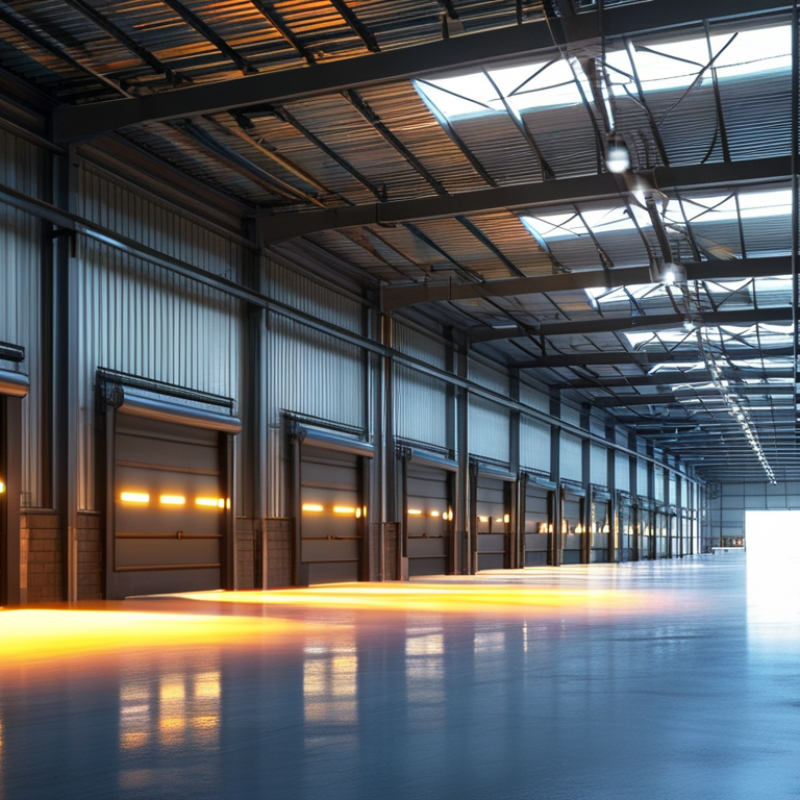
Benefits of LED Lights: Energy Efficiency Compared to Metal Halide
LED lights offer significant benefits in energy efficiency when compared to metal halide lights. For warehouses, this efficiency translates into lower electricity bills and long-term savings. LED fixtures consume up to 75% less energy, making them a smart choice for large spaces. This efficiency also means less heat generation, reducing cooling costs.
In terms of lifespan, LED lights typically last 25,000 to 50,000 hours, far exceeding the 15,000 hours of metal halide bulbs. This longevity means fewer replacements and lower maintenance costs. However, the initial investment in LED technology might feel daunting for some. It’s crucial to evaluate long-term savings against upfront costs.
Moreover, LED lights provide instant brightness, which enhances visibility and safety in warehouse operations. Unlike metal halide systems, LEDs reach full illumination without a warm-up period. While adapting to new lighting technology can take time, the benefits of superior performance often outweigh the challenges. Overall, choosing LED lights can lead to substantial operational efficiency in warehouse environments.
Energy Efficiency Comparison: LED Lights vs. Metal Halide
Longer Lifespan of LED Fixtures in Warehouse Environments
LED lights offer a remarkable lifespan advantage over metal halide fixtures in warehouse settings. Traditional metal halide bulbs typically last about 10,000 hours. In contrast, LED fixtures can provide up to 50,000 hours of use. This significant difference reduces the frequency of bulb replacements and maintenance tasks. Workers can focus on their duties instead of dealing with lighting issues.
In a busy warehouse, downtime can be costly. When metal halide lights fail, it often leads to delays and decreased productivity. In contrast, LED lights maintain consistent illumination throughout their lifespan. This helps ensure safety and efficiency in the workspace. Moreover, LED fixtures emit less heat, contributing to a more comfortable working environment. Employees are likely to appreciate the cooler temperatures.
While LEDs may require a higher initial investment, their long-term benefits outweigh the costs. Over time, the savings on maintenance and energy bills become pronounced. A slight upfront cost can lead to substantial savings and a more reliable lighting solution. As industries evolve, considering sustainable and efficient lighting options becomes essential. The longevity of LED fixtures aligns perfectly with these goals.
10 Reasons Why LED Lights Are Better Than Metal Halide for Warehouses - Longer Lifespan of LED Fixtures in Warehouse Environments
| Criteria |
LED Lights |
Metal Halide Lights |
| Average Lifespan |
50,000 - 100,000 hours |
15,000 - 20,000 hours |
| Energy Efficiency |
80-90% efficiency |
60-70% efficiency |
| Heat Emission |
Low heat emission |
High heat emission |
| Maintenance Costs |
Lower maintenance costs |
Higher maintenance costs |
| Light Quality |
Better color rendering |
Lower color rendering |
| Dimming Capability |
Yes |
Limited |
| Environmental Impact |
No harmful materials |
Contains harmful materials |
| Initial Cost |
Higher initial cost |
Lower initial cost |
| Flicker Rate |
Low flicker |
High flicker |
| Startup Time |
Instant |
Takes time to warm up |
Cost Savings: Operating and Maintenance Expenses of LED vs. Metal Halide
When comparing LED lights to metal halide fixtures for warehouses, cost savings become evident. LED lights consume about 50% less energy than metal halide options. The U.S. Department of Energy reports that switching to LED can save facilities up to $30,000 over their lifetime. This figure highlights the substantial savings on operating expenses, especially for large warehouses operating for long hours.
Maintenance costs also favor LEDs. Metal halide lights require frequent bulb replacements, often every 12,000 to 20,000 hours. In contrast, LEDs can last over 50,000 hours. This longevity translates to reduced labor costs and fewer interruptions in operations. A report from the Illuminating Engineering Society indicates that maintenance savings on LED installations can be up to 80% when compared to metal halide systems.
Warehouse managers face decisions that impact their budgets. While LEDs often involve a higher initial investment, the long-term savings on energy and maintenance are significant. It is crucial to analyze energy rates and operational hours to determine the true cost benefits for specific warehouse environments. Careful planning and consideration of these factors can maximize financial returns over time.
Improved Light Quality: Brightness and Color Rendering of LED Lighting
LED lighting provides superior light quality when compared to metal halide options, especially in warehouse settings. Studies show that LED lights produce a higher Color Rendering Index (CRI) of up to 90. This means they accurately reveal colors, making it easier for workers to see items clearly. In contrast, metal halide has a CRI around 65, which can distort colors and reduce visibility. This difference enhances productivity, safety, and operational efficiency.
Brightness plays a crucial role as well. LED lights emit consistent brightness without flickering, reducing eye strain. According to the Department of Energy, LED technology increases luminous efficacy, offering up to 150 lumens per watt. Metal halide lights, on the other hand, typically provide around 100 lumens per watt. This discrepancy can lead to darker areas in warehouses, increasing the risk of accidents. Proper illumination promotes a safer work environment.
Switching to LED can also improve energy efficiency, yet it requires upfront investment. While the long-term savings are notable, the transition can be challenging for some businesses. It is essential to evaluate the total cost of ownership. LED solutions offer durability and longevity, reducing maintenance downtime. This enhances overall productivity, but organizations must be ready to face initial challenges in the transition period.
Environmental Impact: How LED Lights Reduce Carbon Footprint in Warehouses
LED lights are increasingly popular in warehouses, not just for their efficiency but also for their significant environmental benefits. A study by the U.S. Department of Energy indicates that LED lighting can reduce energy consumption by up to 75% compared to traditional metal halide lights. This reduction is crucial for warehouses, which often operate for long hours. The lower energy consumption directly translates to a smaller carbon footprint, making LED lights an eco-friendly choice.
Using LED lights can also result in less waste. Metal halide bulbs have a shorter lifespan, often needing replacement every 15,000 hours. In contrast, LEDs can last over 50,000 hours, minimizing the volume of discarded bulbs. Additionally, LEDs do not contain toxic materials like mercury, further reducing environmental impact. The lifecycle analysis from various industry reports highlights how switching to LEDs can significantly lower landfill contributions.
Tip: When transitioning to LED lighting, consider the luminous efficacy. Higher efficacy means brighter light for less energy.
It's also important to evaluate your warehouse's specific lighting needs. Not all areas require the same level of brightness, and over-illumination can lead to wasted energy. Monitoring and adjusting light levels can optimize your lighting setup, enhancing both performance and sustainability.
FAQS
: LED lights consume about 50% less energy than metal halide lights.
Facilities can save up to $30,000 over the lifetime of LED lights.
LEDs can last over 50,000 hours, while metal halide lights typically last 12,000 to 20,000 hours.
Maintenance savings can be up to 80% for LED installations compared to metal halide systems.
LED lights have a Color Rendering Index (CRI) of up to 90, revealing colors accurately.
Consistent brightness from LEDs reduces eye strain and enhances visibility, promoting safety.
The initial investment can be high and the transition process may present difficulties.
They should assess energy rates, operational hours, and the total cost of ownership.
Enhanced light quality and reduced maintenance downtime can significantly improve overall productivity.
While LEDs have higher upfront costs, long-term energy and maintenance savings are substantial.
Conclusion
LED lights are increasingly favored over metal halide fixtures in warehouse settings for several compelling reasons. Firstly, energy efficiency is a significant advantage; LED lights consume far less power, translating into substantial savings on energy bills. Additionally, the longer lifespan of LED fixtures means reduced replacement frequency, which contributes to lower operating and maintenance costs.
Another key factor is the improved quality of light that LEDs provide, offering brighter illumination and better color rendering, which enhances visibility in workspaces. Moreover, from an environmental perspective, why are LED lights better for warehouses than metal halide? LED lights significantly reduce the carbon footprint by consuming less energy and contributing to lower greenhouse gas emissions. Overall, the combination of these benefits makes LEDs the superior choice for effective and sustainable warehouse lighting.

 Lili Light