Why Are My Solar Garden Lights Not Working at Night?

Time:2026-07-06 Author:Oliver
0%

Many homeowners enjoy the charm of solar garden lights. However, a common concern arises: "why are my solar garden lights not coming on at night?" According to solar energy expert Dr. Emily Sparks, “Solar lights can fail for various reasons, often related to environmental factors or maintenance issues.” Her insight highlights the complexities involved in effectively using solar technology.

When the sun sets, you expect your lights to illuminate your garden. Yet, they may remain dark due to several factors. For instance, insufficient sunlight during the day can impede their performance. Dust and debris on the solar panels can also reduce efficiency. A lack of regular maintenance often leads to unexpected issues.

It’s critical to identify these problems to enjoy the benefits of solar lighting at night. Often, minor adjustments or cleaning can restore functionality. However, the unpredictability of solar lights can be frustrating. It's essential to reflect on usage and maintenance to ensure they work as intended. Understanding "why are my solar garden lights not coming on at night" can help improve your outdoor lighting experience.
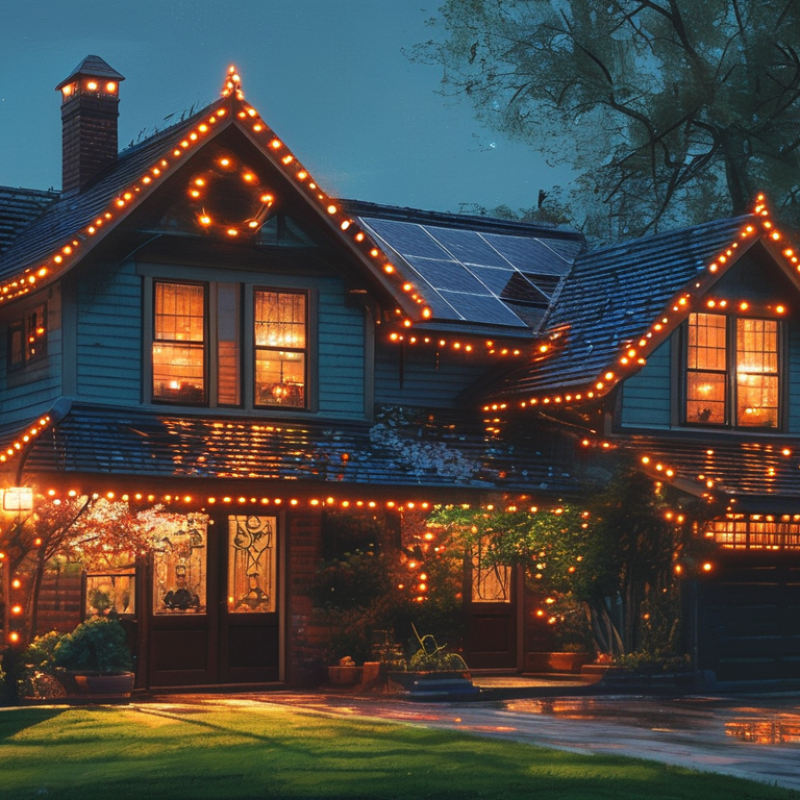
Why Are My Solar Garden Lights Not Working at Night?

Understanding Solar Garden Lights and Their Functionality

Solar garden lights harness energy from the sun. They rely on solar panels to charge during the day. At night, this energy powers LED bulbs. Understanding how they work helps us troubleshoot when they fail to illuminate.

One common reason for malfunction is insufficient sunlight. If the solar panel is shaded, it won’t charge effectively. Another issue could be dirty panels. Dust and debris can block sunlight. Regular cleaning is essential for optimal performance.

**Tip:** Make sure the location of your solar lights isn’t obstructed by trees or buildings.

Weather can also impact performance. Overcast days reduce charging time. If your lights only work sporadically, consider the weather patterns in your area.

**Tip:** After heavy rain, check for water in the battery compartment.

Lastly, batteries can degrade over time. If your lights flicker or dim, they may need new batteries. Reflect on how long you've had them. Regular maintenance can prolong their lifespan.

Why Are My Solar Garden Lights Not Working at Night? - Understanding Solar Garden Lights and Their Functionality

Potential Issues Description Possible Solutions
Insufficient Sunlight Solar panels may not have received enough sunlight during the day. Relocate lights to a sunnier spot or ensure panels are clean and unobstructed.
Battery Issues Batteries may be old, damaged or unable to hold a charge. Check and replace batteries if necessary.
Wiring Problems Wires may be broken or connections may be loose. Inspect connections and replace damaged wires.
Faulty Sensor The light sensor may be malfunctioning. Test the sensor and replace if it is defective.
Overcast Weather Extended periods of cloudy or rainy weather can reduce performance. Wait for weather to clear and check performance afterward.

Common Reasons Solar Garden Lights Fail to Operate at Night

Solar garden lights can be a delightful addition to any outdoor space. However, many users face issues when their lights fail to operate at night. One common reason for this failure is inadequate sunlight during the day. Studies indicate that solar lights require approximately six to eight hours of direct sunlight to function effectively. If your garden is shaded by trees or buildings, the lights may not charge sufficiently.

Another frequent culprit is the battery itself. Most solar garden lights utilize rechargeable batteries that degrade over time. According to industry reports, rechargeable batteries typically have a lifespan of 1 to 3 years. After this period, they may not hold a charge efficiently, leading to dim or non-functional lights. Users often overlook battery maintenance, leading to frustrations when the lights don’t perform as expected.

Additionally, dirt and debris can accumulate on the solar panels. This can significantly reduce the light's ability to absorb sunlight. Periodic cleaning can enhance their efficiency. Neglecting this aspect is a missed opportunity to ensure optimal performance. Therefore, regular maintenance checks are essential for enjoying consistent nighttime illumination.

Inspecting the Solar Panel for Optimal Performance

Solar garden lights provide a charming glow at night, but they can sometimes fail to perform as expected. A common culprit is the solar panel. These panels need direct sunlight to charge effectively during the day. Research indicates that solar panels can lose up to 20% efficiency when covered with dirt or debris. Regular cleaning can help maximize their output.

It’s essential to inspect the angle and placement of the solar panel. Studies show that panels oriented at an optimal angle receive 30% more sunlight. If the panel is shaded by foliage or structures, performance may decline. Even a small obstruction can significantly reduce energy absorption. Additionally, consider the weather; solar panels generate less power on cloudy days.

Lastly, battery health plays a crucial role. A weakened battery may not hold enough charge after sunset. Using a battery tester can reveal whether it’s time for a replacement. Reflecting on these factors can help improve the reliability of your solar lights. Simple adjustments in maintenance and positioning can result in brighter nights.

Battery Issues: Diagnosing Charging and Lifespan Problems

Solar garden lights are a delightful addition to any outdoor space. However, many users face issues with these lights not functioning at night. One key culprit of this problem is often battery-related. Understanding charging and lifespan issues can help diagnose the problem effectively.

A significant number of solar lights utilize rechargeable batteries, typically nickel-cadmium (NiCd) or lithium-ion (Li-ion) variants. According to industry reports, NiCd batteries have a lifespan of around 2-3 years, while Li-ion batteries can last up to 5 years. Factors such as regular exposure to sunlight and temperature fluctuations can impact battery performance and longevity. If your lights are dim or flickering, the battery may be nearing the end of its life or not charging properly.

Tip: Regularly check and clean the solar panels. Dirt and debris can impede their ability to absorb sunlight, directly affecting battery charging.

It's important to remember that not all batteries are created equal. Higher quality batteries will often yield better performance and longer lifespan, so investing in good replacements can be beneficial. Weak batteries may not hold a charge for long, leading to lackluster performance during the night.

Tip: Store spare batteries in cool, dry places. Extreme temperatures can severely impact their performance and lifespan.

Monitoring your solar lights' performance and being proactive about battery maintenance can enhance their nighttime functionality and aesthetics in your garden.

Environmental Factors Affecting Solar Light Operation

Solar garden lights often face operational challenges at night due to various environmental factors. One major aspect is the charge they receive during the day. Studies show that solar panels require a minimum of six hours of direct sunlight to function effectively. In overcast or rainy conditions, they may not collect enough energy, leading to dim or non-functioning lights after sunset. If such skies persist, the lights will likely fail.

Temperature also plays a crucial role. When nighttime temperatures drop significantly, battery efficiency can decline. According to research by the Solar Energy Industries Association, batteries work best at temperatures between 60°F and 80°F. Colder nights can impact the lights' brightness. Additionally, prolonged exposure to moisture can lead to inefficiency and damage over time. Garden lights may also struggle if they are shaded by trees or structures during the day.

Regular maintenance is essential yet often overlooked. Clean solar panels can enhance energy absorption. Dust and debris on panels can block sunlight and reduce efficiency by up to 30%, as noted in industry reports. If lights fail, consider checking both the environmental conditions and the physical state of the solar components. A reflective approach helps in identifying issues affecting the lights' functionality.

Factors Affecting Solar Garden Light Performance

FAQS

: How do solar garden lights work?

: They use solar panels to absorb sunlight during the day and power LED bulbs at night.

What can cause solar lights to fail?

Insufficient sunlight, dirty panels, and degraded batteries are common reasons for failure.

How much sunlight do solar lights need?

Solar lights typically require 6 to 8 hours of direct sunlight to operate effectively.

Why is my solar light flickering or dim?

It might be due to aging batteries that can no longer hold a substantial charge.

How often should I clean my solar panels?

Regular cleaning is essential to prevent dirt and debris from blocking sunlight absorption.

Can weather affect the performance of solar lights?

Yes, overcast days may reduce charging time and impact how well they work at night.

What should I check after heavy rain?

Inspect the battery compartment for water, which can hinder performance and safety.

How long do solar batteries usually last?

NiCd batteries last about 2-3 years, while Li-ion batteries can last up to 5 years.

What’s a good practice for storing spare batteries?

Store them in cool, dry places to prevent temperature-related damage.

Why is battery maintenance often overlooked?

Many users forget to check and replace batteries, leading to frustration with poor lighting.

Conclusion

If you've ever wondered "why are my solar garden lights not coming on at night," understanding how these lights function is crucial. Solar garden lights rely on sunlight to charge their batteries during the day, allowing them to illuminate your garden after sunset. However, several common issues can prevent them from working at night.

First, examining the solar panel for dirt or damage can help ensure it collects enough sunlight. Battery-related problems, such as insufficient charging or an expired lifespan, are also frequent culprits. Lastly, environmental factors like prolonged cloud cover or the presence of shade can hinder performance, affecting the lights' ability to operate as intended. By systematically investigating these aspects, you can identify and resolve the issues impacting your solar garden lights.

Oliver

Oliver

Oliver is a seasoned marketing professional with a wealth of expertise in driving brand awareness and engagement. With a deep understanding of our company's product offerings, he consistently delivers high-quality content that enriches our professional blog. His insights not only shed light on......