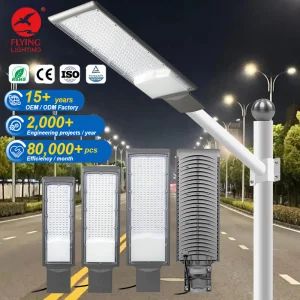
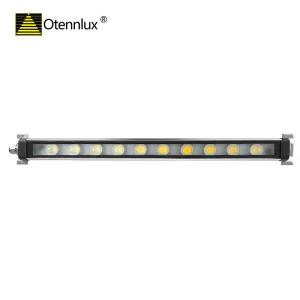
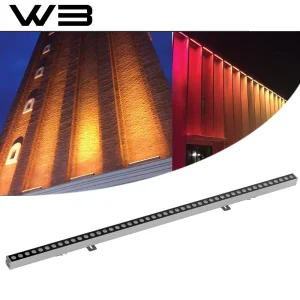
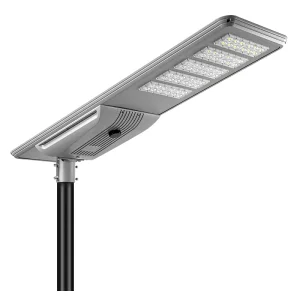
Explore our premium range of industrial, outdoor, and commercial LED luminaires engineered for maximum efficiency.
Exploring systemic performance, photobiological safety, and structural design standards in modern luminaires.
Advanced optical design utilizes micro-prismatic PMMA diffusers to manage beam angles, drastically reducing visual strain and meeting stringent EN 12464-1 workplace standards.
Operating at up to 150 lm/W with a power factor > 0.95. High-quality isolated constant-current drivers reduce Total Harmonic Distortion (THD) below 15%.
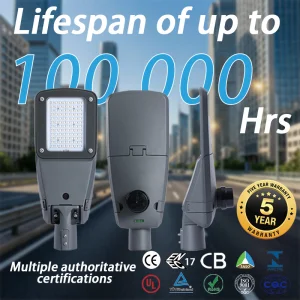
Constructed with high-thermal-conductivity aviation-grade 6063 aluminum frames. Minimizes junction temperatures of LED chips, securing a lifespan exceeding L80B10 @ 50,000 hours.
In modern architecture, lighting is no longer just a functional necessity; it is a critical component of human well-being and building energy dynamics. High-quality LED ceiling panels have become the baseline standard for green building initiatives (such as LEED and WELL certifications). The shift from traditional fluorescent T8 grids to thin, flat-panel LED installations represents a significant technological jump. This transition optimizes spatial aesthetics and improves optical metrics, including Color Rendering Index (CRI > 80 or > 90 Ra) and MacAdam ellipse steps (SDCM < 3), ensuring unparalleled chromatic uniformity across corporate landscapes.
When selecting ceiling lights for commercial projects, engineering consultants must evaluate the structural mechanics of both edge-lit and backlit architectures. Edge-lit panels utilize a light guide plate (LGP) to channel illumination sideways, reflecting it downward through a diffuser. This configuration allows for ultra-slim profiles (often less than 9mm) and a highly uniform light distribution. Backlit panels, by contrast, place the LEDs directly behind the diffuser, utilizing specialized lenses with wide viewing angles. Backlit models offer superior long-term reliability and high efficacy, as they bypass the potential yellowing risks associated with low-quality PMMA or MS light guide plates over years of operation.
Zhejiang Lili Light Co., Ltd. is a professional manufacturer and exporter specializing in LED lighting products and integrated lighting solutions. With years of experience in the lighting industry, we are committed to providing innovative, energy-efficient, and reliable products to customers around the world.
Since its establishment, the company has continuously invested in product development, manufacturing technology, and quality management. Supported by a skilled technical team, modern production facilities, and a strict quality control system, we have built long-term partnerships with customers across Europe, South America, Southeast Asia, the Middle East, and other international markets.
Our product portfolio covers a wide range of indoor and outdoor lighting applications, including residential, commercial, industrial, and public projects. From modern indoor lighting products such as downlights, spotlights, bulbs, panel lights, ceiling lights, and track lights to outdoor floodlights, wall lights, and solar-powered lighting solutions, we provide customers with comprehensive lighting options that combine functionality, durability, and aesthetic design.
Quality and customer satisfaction are the foundation of our business. Every product undergoes rigorous inspection throughout the manufacturing process to ensure stable performance, energy efficiency, and long service life. We also offer flexible OEM and ODM services, helping customers develop customized products that meet their specific market requirements.
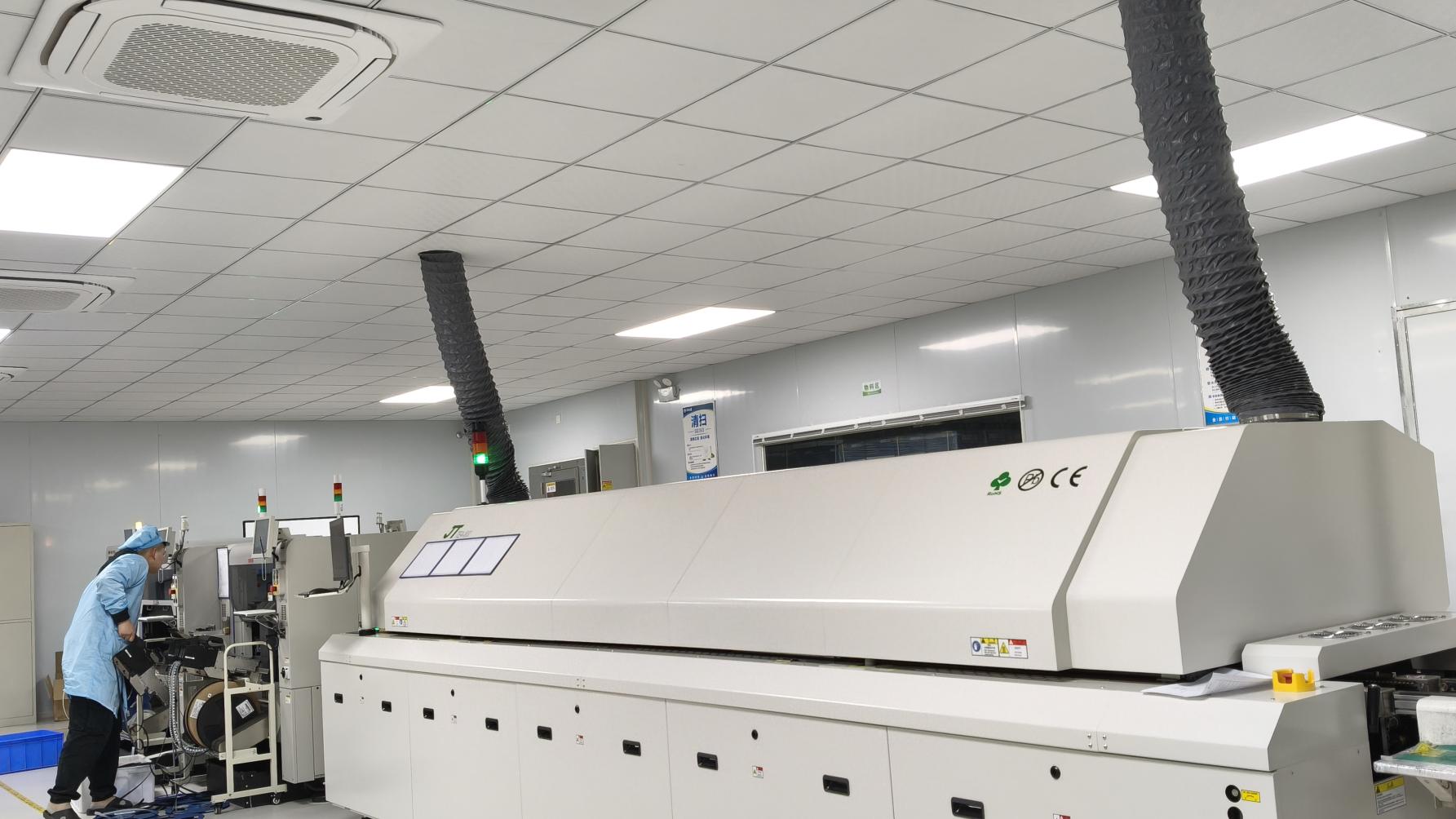
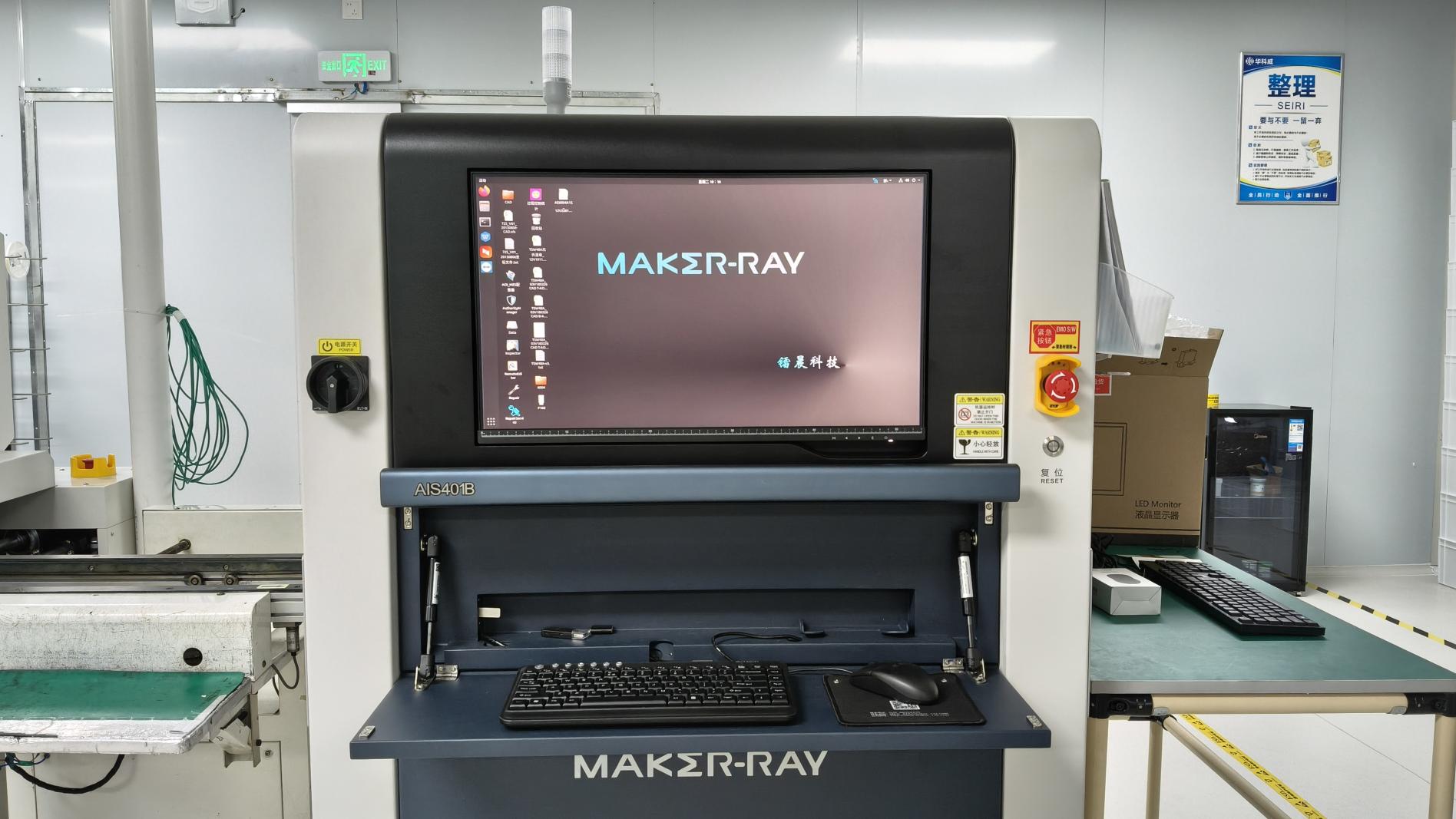
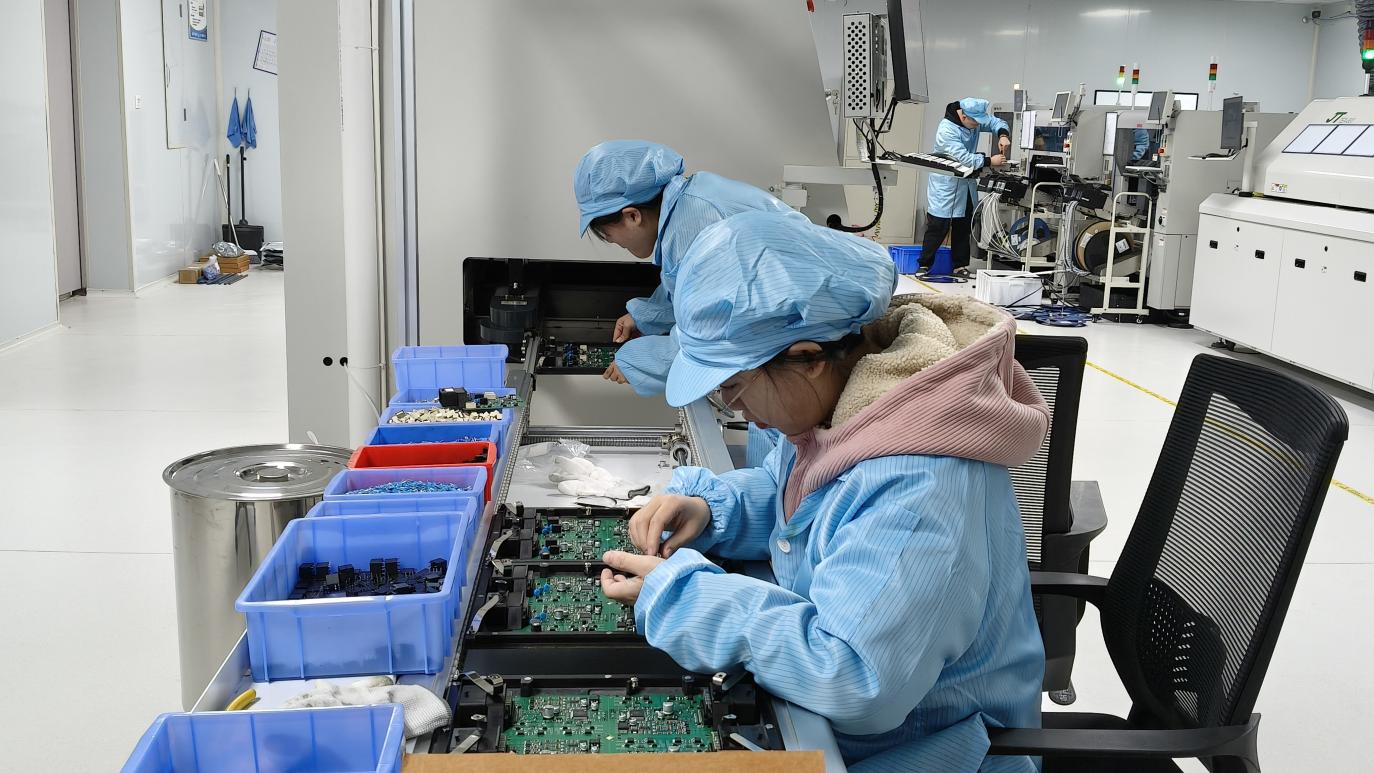
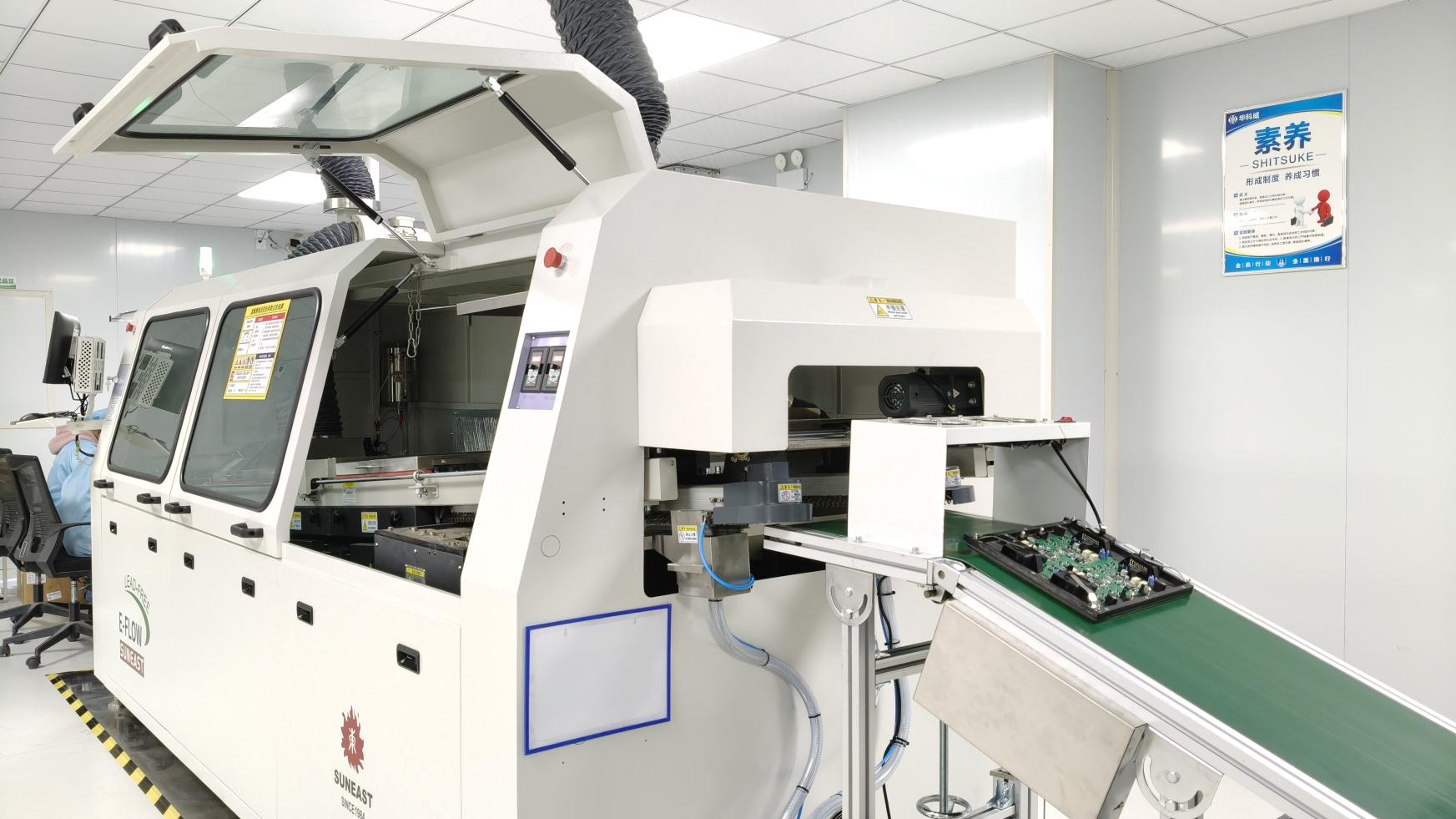
Witness the precision engineering and automated manufacturing steps that define our daily operations.
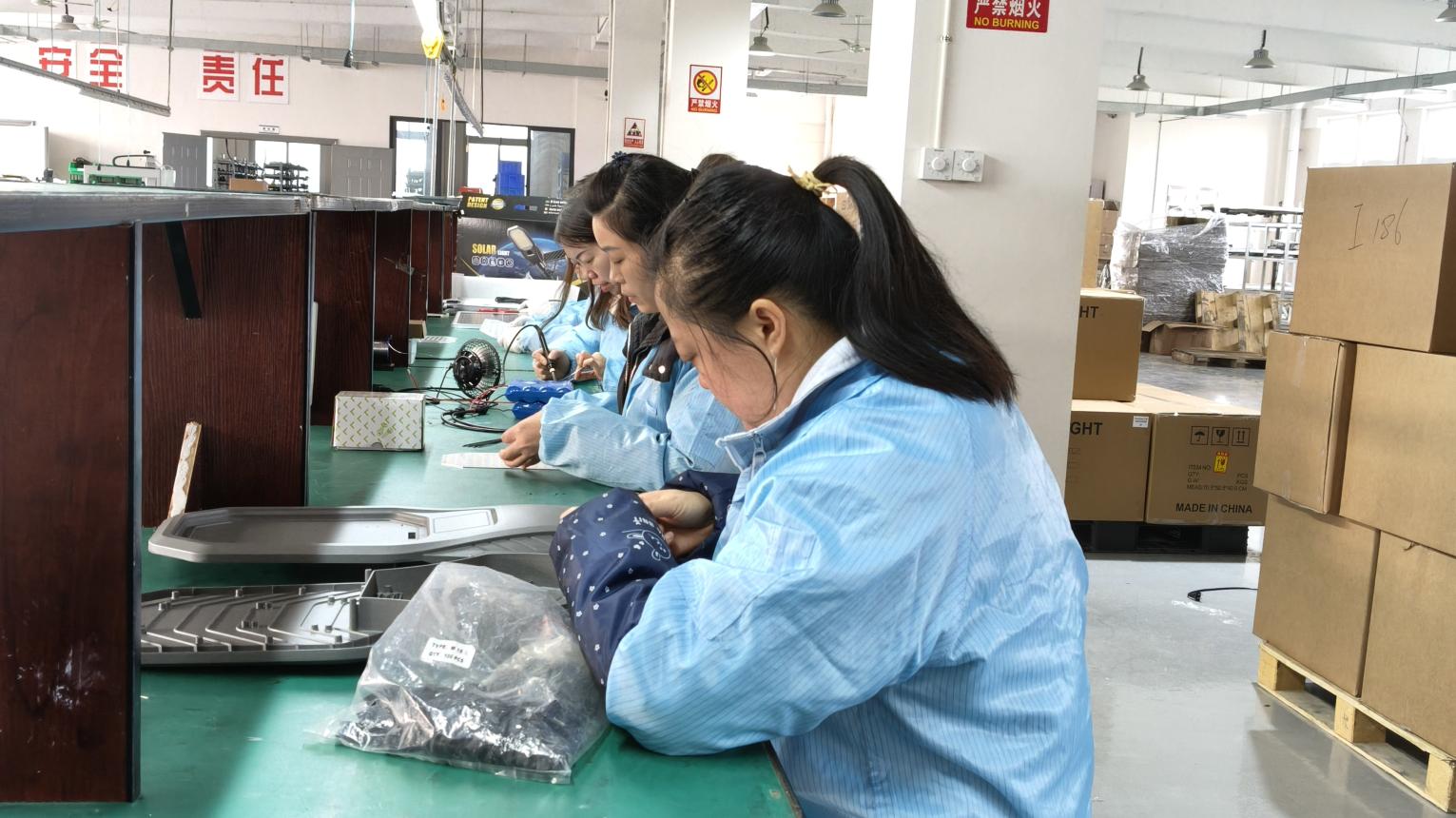
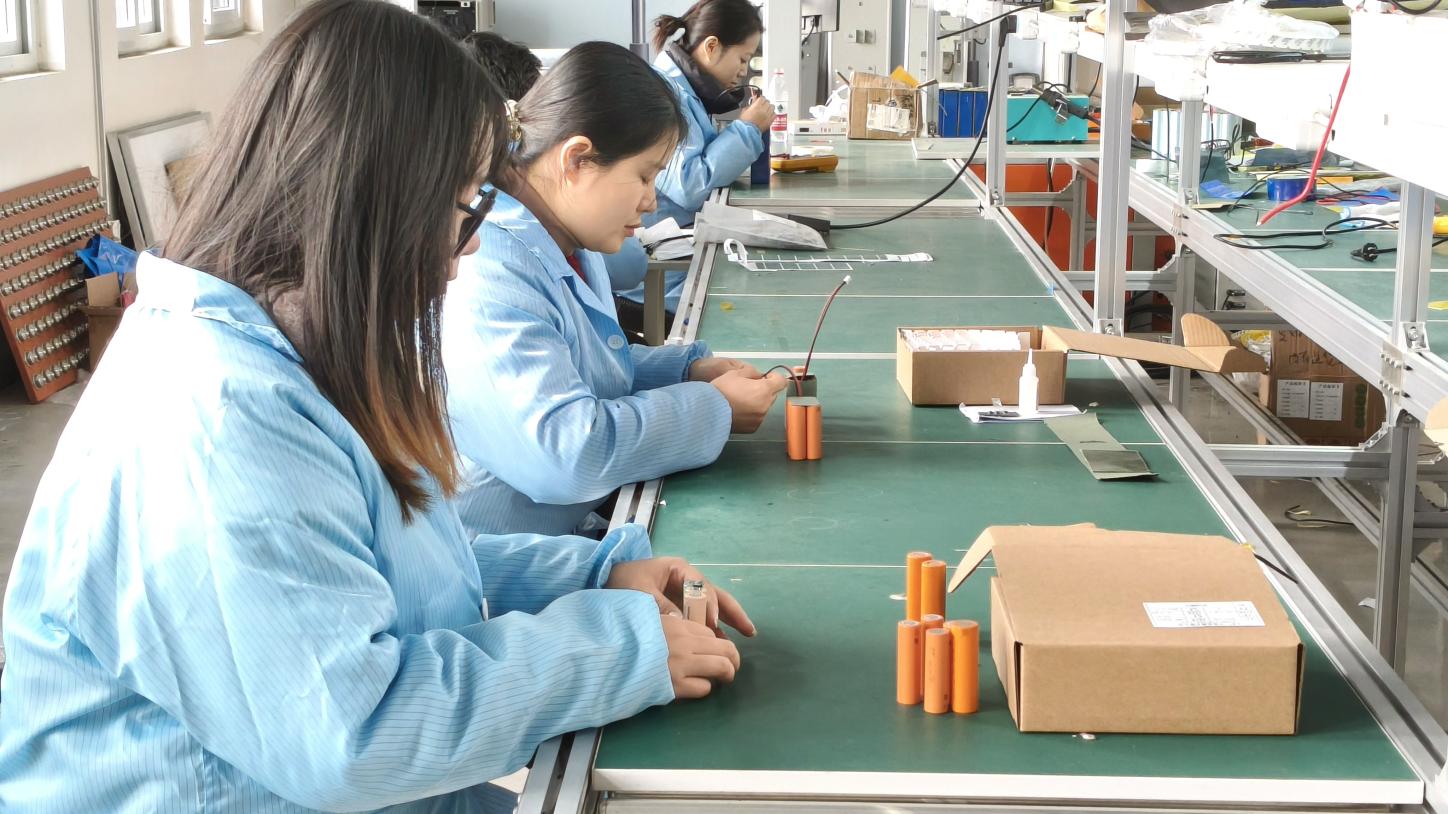
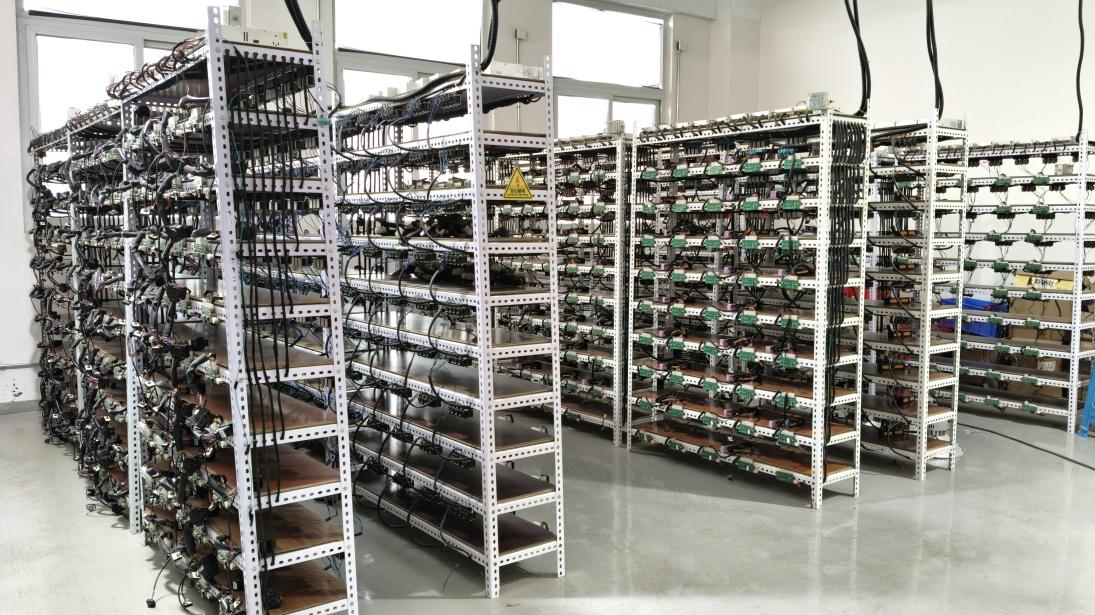
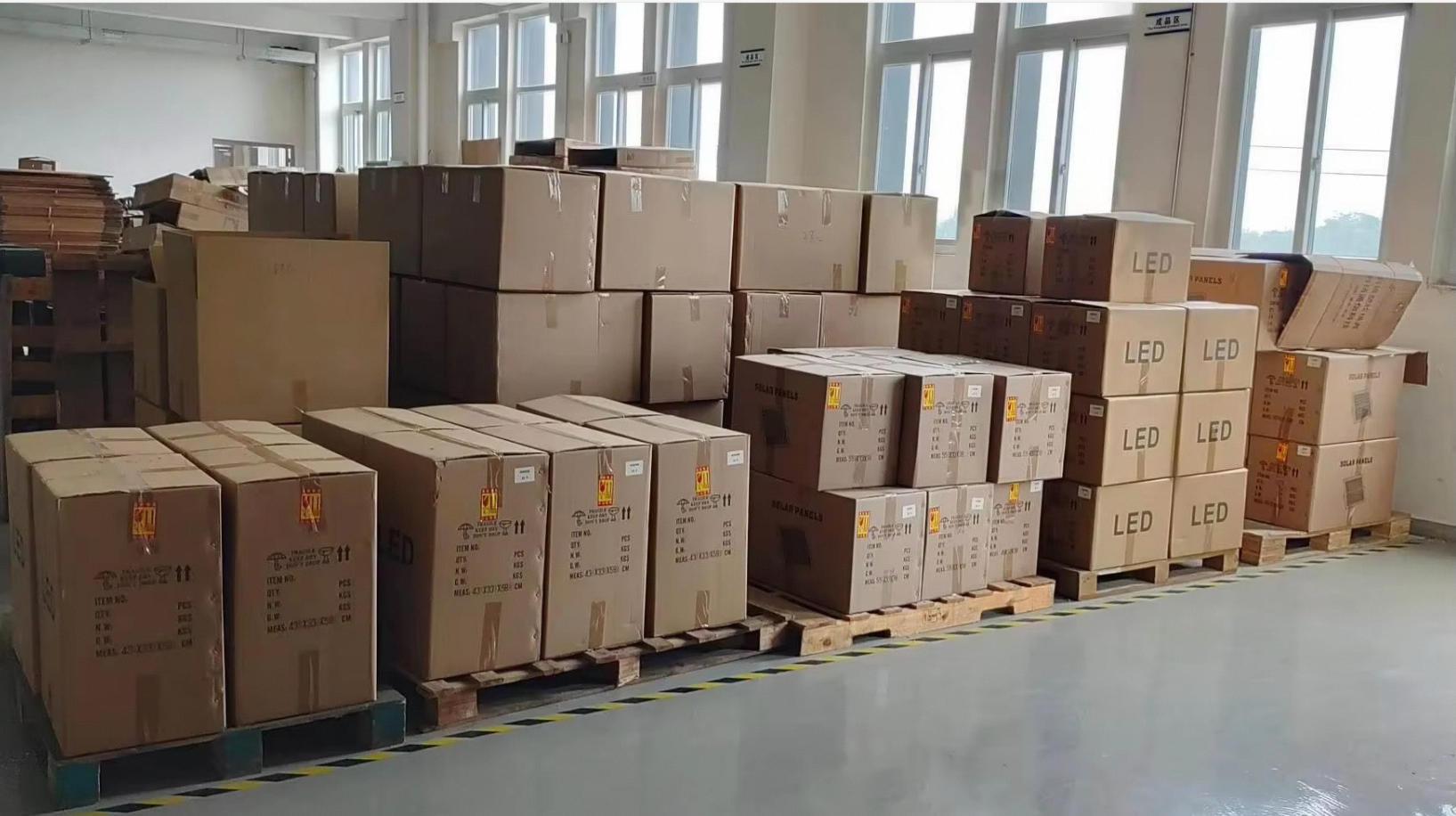
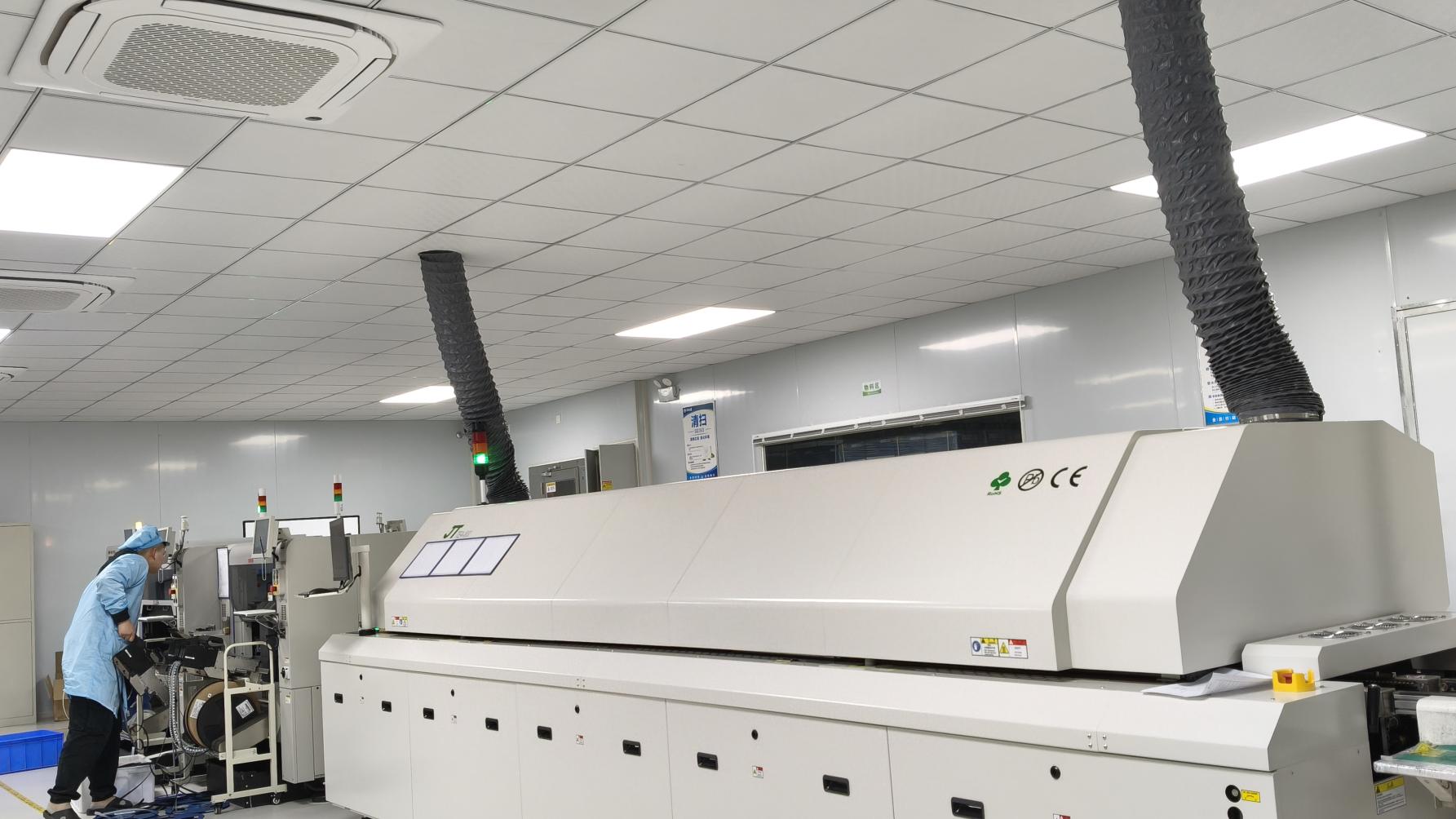
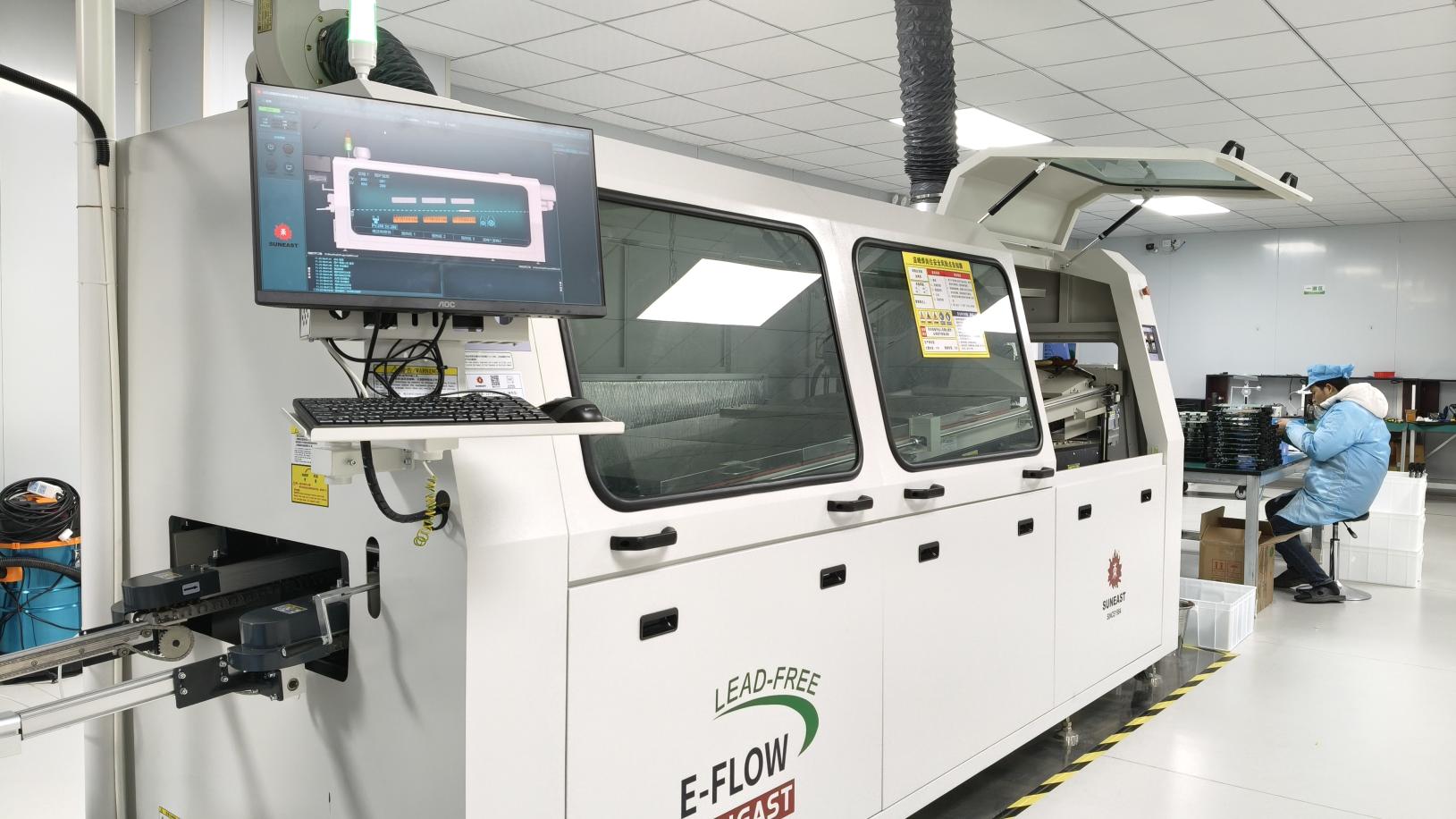
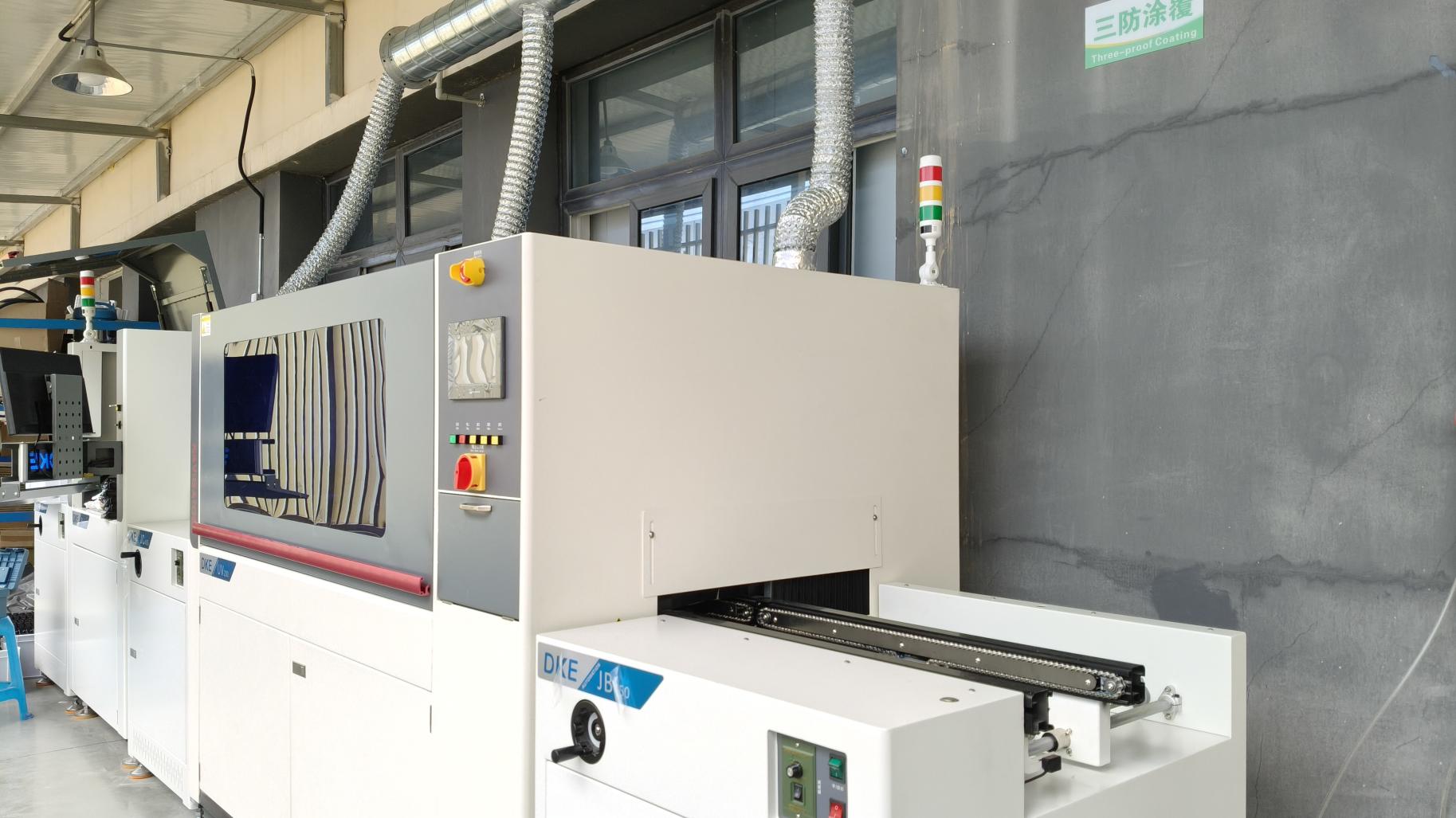
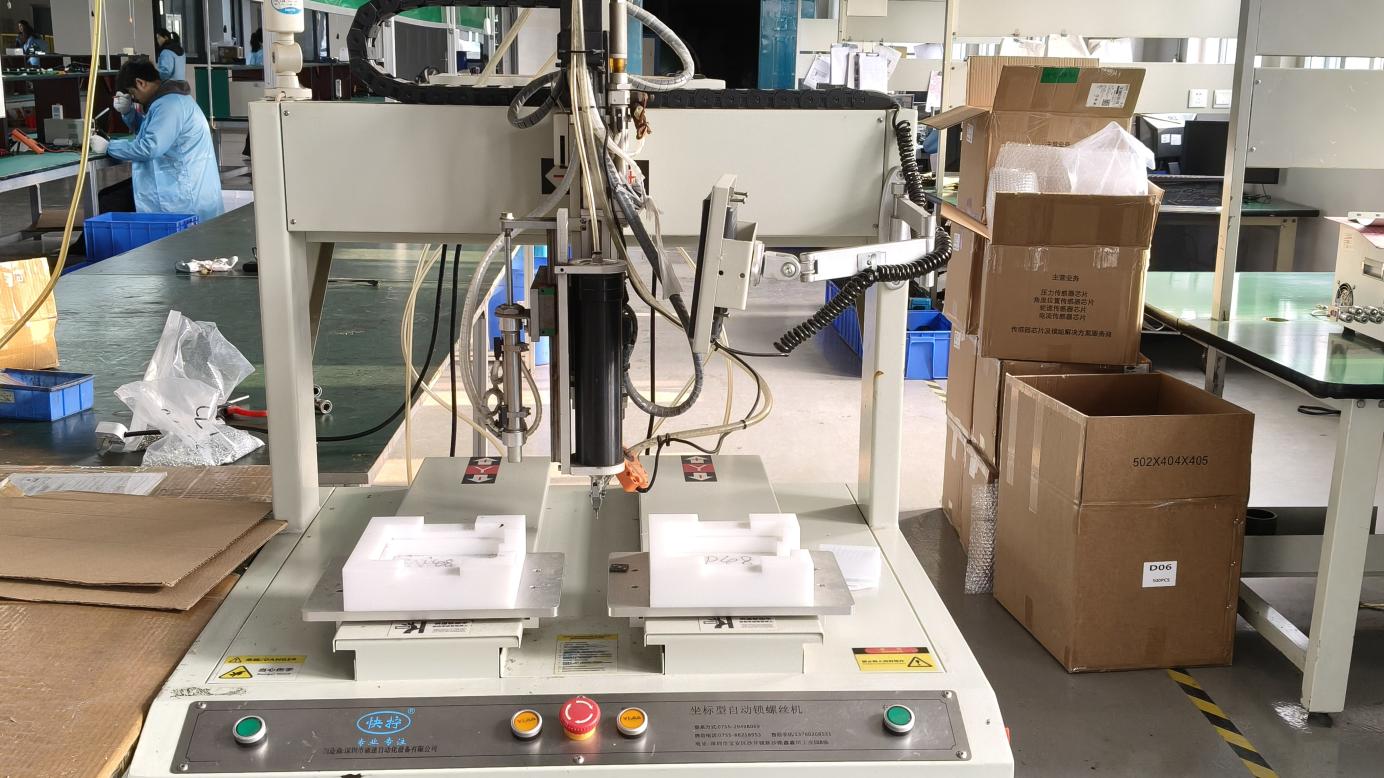
The manufacturing ecosystem in China offers systemic supply chain consolidation, technological flexibility, and unmatched scaling capacity.
From custom aluminum extrusions and optical diffuse polycarbonate sheets to local high-volume semiconductor encapsulation nodes. Minimizes cross-provincial transit times and shipping overheads.
Our facilities integrate high-speed Surface Mount Technology (SMT) machines, automated optical testing (AOI), wave soldering, and automated screw assembly. Assures dimensional tolerances within 0.1mm.
Engineered for global standards compliance, including CE, RoHS, CB, and UL. We routinely process specific regional compliance metrics (SAA for Oceania, NOM for Mexico).
Purchasing directly from a verified Chinese exporter like Zhejiang Lili Light Co., Ltd. allows international distributors and project developers to bypass intermediate trading layers. This direct integration provides clear visibility into raw material specifications, batch testing records, and customized product options. By optimizing manufacturing efficiencies and local logistics networks, our facility ensures that every LED ceiling panel balances cost-competitiveness with robust, long-term performance.
Stay ahead of global transitions towards smart control integration, human-centric lighting, and strict environmental compliance.
Modern workplaces require tunable white systems (2700K - 6500K) that synchronize with natural circadian rhythms. This adaptability improves worker focus and physiological comfort during extended shifts.
Smart building management systems require lighting nodes integrated with DALI-2, Zigbee, or Matter protocols. This connectivity enables granular dimming control and automated energy consumption monitoring.
Global regulatory bodies continue to raise requirements for product sustainability, packaging minimization, and recyclable components. Our factory designs fixtures for straightforward disassembly and recycling.
How specific engineering details solve real-world problems in workplace, medical, and educational environments.
Challenge: Screen reflection, eye strain, and high energy costs during long office hours.
Solution: Standard 600x600mm or 1200x300mm flat panel installations featuring UGR < 19 micro-prismatic diffusers. These arrays deliver high-uniformity, low-glare task lighting while reducing overhead electricity bills by up to 60%.
Challenge: Maintaining strict dust-free environments and resisting chemical cleaning agents.
Solution: Specialized LED panel lights with IP65-rated front faces and sealed silicone gaskets. These fixtures prevent dust collection, support routine sanitization procedures, and deliver high Color Rendering Index (CRI > 90 Ra) for accurate medical assessment.
Challenge: Visual fatigue and poor student engagement caused by invisible flickering or uneven illuminance.
Solution: Flicker-free LED drivers with ripple currents < 1%. Combined with wide-dispersion backlit structures, these fixtures create a comfortable, focus-friendly learning environment that safeguards student eyesight.
| Panel Specification Parameter | Standard Commercial Grade | Architectural / Premium Grade | Specialized / Healthcare Grade |
|---|---|---|---|
| Luminous Efficacy | 100 - 120 lm/W | 130 - 150 lm/W | 110 - 130 lm/W |
| Unified Glare Rating (UGR) | < 22 | < 19 (Micro-prismatic) | < 19 |
| Color Rendering Index (CRI) | Ra > 80 | Ra > 90 / R9 > 50 | Ra > 95 / R9 > 80 |
| Ingress Protection (IP Rating) | IP20 / IP40 | IP40 / IP44 | IP54 / IP65 (Sealed) |
| Dimming Protocol Compatibility | ON/OFF | 0-10V / DALI-2 / Triac | DALI-2 / DMX / Tunable White |
| Expected Lifespan (L80B10) | 30,000 Hours | 50,000 Hours | 60,000 Hours |
Key risk management factors for procurement professionals, architects, and engineering consultants.
Verify that your manufacturing partner provides authentic, accredited lab test reports (such as TÜV, SGS, or Intertek). Key reports should include LM-79 reports for luminous flux and color spatial distribution, LM-80 reports verifying LED package lumen maintenance over time, and ISTA packaging tests to guarantee safety during ocean transit.
Ensure your supplier maintains a structured raw material reserve, particularly for critical IC chips, high-grade aluminum extrusions, and LED chipsets. Zhejiang Lili Light Co., Ltd. operates semi-automated production configurations to scale daily output when tight project schedules require expedited delivery.
Additionally, global procurement managers must evaluate a factory's customized engineering capabilities. Commercial construction projects often demand non-standard structural modifications, including custom mounting brackets (recessed, surface, or suspended mounts), specific color temperatures (such as 3500K for North American commercial offices), or emergency battery back-ups (meeting UL924 or local fire safety regulations). Working with a factory that features an in-house engineering team ensures custom requests are validated through thermal simulation models and optical goniophotometer measurements before mass assembly begins.
Comprehensive technical answers to critical sourcing, compliance, and optical performance questions.
Edge-lit LED panels position the LED chips along the perimeter of the frame, directing light through a Light Guide Plate (LGP). This configuration enables an ultra-slim profile and highly uniform, diffused light. Backlit panels locate the LED light sources directly behind the diffuser face. While backlit panels are thicker, they deliver superior luminous efficiency (fewer optical material losses) and eliminate the risk of LGP yellowing over years of service.
We use strict LED binning protocols (often within a 3-step or 5-step MacAdam ellipse). This ensures that color temperature variations (CCT) remain imperceptible to the human eye, maintaining optical uniformity across large-scale office or commercial installations.
UGR (Unified Glare Rating) measures the psychological glare of lighting fixtures in indoor applications. A rating under 19 is the European standard for desk-based work. We achieve this by using structured micro-prismatic diffusers that control light distribution, shielding workers' eyes from direct high-angle glare without reducing overall luminous efficacy.
Yes. Our engineering division offers comprehensive ODM capabilities, integrating dimming drivers (such as 0-10V, Triac, and DALI-2 protocols) and emergency backup batteries that deliver 90 to 180 minutes of runtime during power disruptions, fully compliant with international safety regulations.
Every production run undergoes a rigorous QC checklist: 100% SMT visual verification, Automated Optical Inspection (AOI) for circuit integrity, high-voltage insulation tests, ground resistance checks, and a minimum of 24 to 48 hours of continuous aging testing to eliminate early component failures.
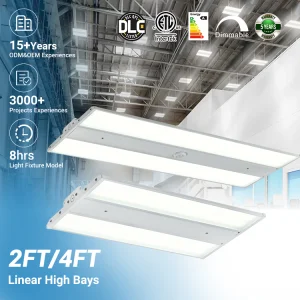
Explore our complete range of linear high bays, wall washers, and specialized workspace luminaires.
 Lili Light