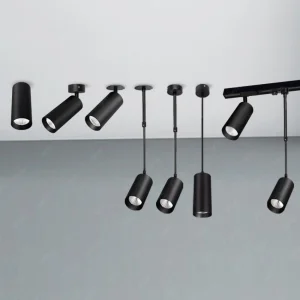
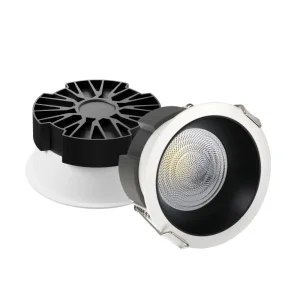
High-efficacy, regulatory-compliant luminaires engineered for architectural integration and harsh environment deployment.
Zhejiang Lili Light Co., Ltd. is a leading OEM/ODM manufacturer and exporter specializing in high-performance LED lighting systems, structural luminaire designs, and integrated commercial illumination solutions. Anchored by advanced manufacturing automation, our production hub operates under rigorous ISO9001:2015 frameworks to supply premium-tier retrofitting and new-construction lighting to developers, distributors, and engineering contractors worldwide.
In the contemporary global lighting sector, the convergence of nostalgic visual architecture with ultra-efficient solid-state technology has established the LED Vintage Light as a staple of commercial interior design. Our engineering team specializes in mitigating the historical design compromises of traditional Edison lamps. By utilizing advanced multi-channel ceramic-substrate filaments, proprietary driver topologies, and precision gas-fill mixtures, we deliver vintage lighting solutions that comply with the strictest global efficiency mandates without sacrificing visual appeal.
As an established exporter, Zhejiang Lili Light Co., Ltd. continues to drive standard-setting milestones in structural thermal management, stroboscopic flicker minimization, and high color-fidelity rendering. Through sustained capital investment in SMT (Surface Mount Technology), AOI (Automated Optical Inspection), and automated environmental stress-testing, we ensure that every batch leaving our facilities operates reliably throughout its rated lifespan.
Mapping the transition from incandescent filaments to high-reliability, sapphire-substrate LED engineering.
The commercial transition from energy-intensive incandescent filament lamps to solid-state LED vintage lights represents a major shift in spatial design and utility optimization. Early retrofitting efforts struggled to balance the warm, golden glow of incandescent filaments (typically around 2200K) with the high lumen-per-watt requirements of modern building regulations. Standard LED SMD arrays failed to replicate the omnidirectional radial distribution of light required for vintage-styled fixtures, resulting in harsh shadowing and disjointed interior aesthetics.
To address this, filament LED technology emerged as the standard solution. By arranging micro-LED dies along a transparent substrate—commonly manufactured from synthetic sapphire (Al₂O₃) or structural ceramics—engineers could project light in a true 360-degree radial pattern. This sub-element is covered with a fluorescent phosphor resin package that converts high-frequency blue LED emissions into the warm, high-CRI (Color Rendering Index) output required for upscale environments.
Today, the global market demands more than basic aesthetic replication. Commercial spaces require integration with IoT-enabled lighting controls, including phase-cut, 0-10V, and DALI-2 dimming protocols. Furthermore, regulatory frameworks such as the European Union’s Ecodesign Directive (ErP) and North America's Energy Star program have established strict rules for luminous efficacy, power factor correction (PFC), and stroboscopic visibility measures (SVM). Achieving these requirements requires advanced electronics design, particularly in linear and switching driver circuits housed within the luminaire’s base.
Engineered to prevent flickering and buzzing across TRIAC, 0-10V, and digital addressable lighting interfaces (DALI).
Using premium substrate materials to ensure optimal heat dissipation away from the micro-LED dies, extending operational life.
Providing high color rendering indexes to reveal true textures and rich tones within commercial and retail environments.
Critical criteria evaluated by supply chain leads, electrical engineers, and commercial lighting distributors.
Procurement managers evaluating Chinese LED vintage light exporters must look beyond unit costs. A comprehensive review focuses on mitigating long-term operational risks, compliance challenges, and integration failures. The primary metric of performance is Luminous Efficacy paired with color rendering consistency. High-end hospitality developments, for example, require strict color consistency—measured within 3-step or 5-step MacAdam Ellipses (SDCM)—to prevent visible variance between adjacent luminaires.
Additionally, structural durability is a key procurement requirement. For outdoor and architectural installations, issues like water ingress, vibration-induced micro-fractures, and thermal runaway present constant challenges. Buyers must choose exporters capable of supplying certifiable proof of IP (Ingress Protection) ratings, IK (Impact Protection) rankings, and comprehensive thermal-cycle reporting (LM-79 and LM-80). When evaluating projects globally, compliance certificates such as CE, RoHS, UL, FCC, and DLC serve as baseline requirements for market entry.
At Zhejiang Lili Light Co., Ltd., we align our manufacturing with these exact standards. By integrating strict testing stages directly into our production workflow, we deliver luminaires that meet all technical requirements and keep international supply chains moving efficiently.
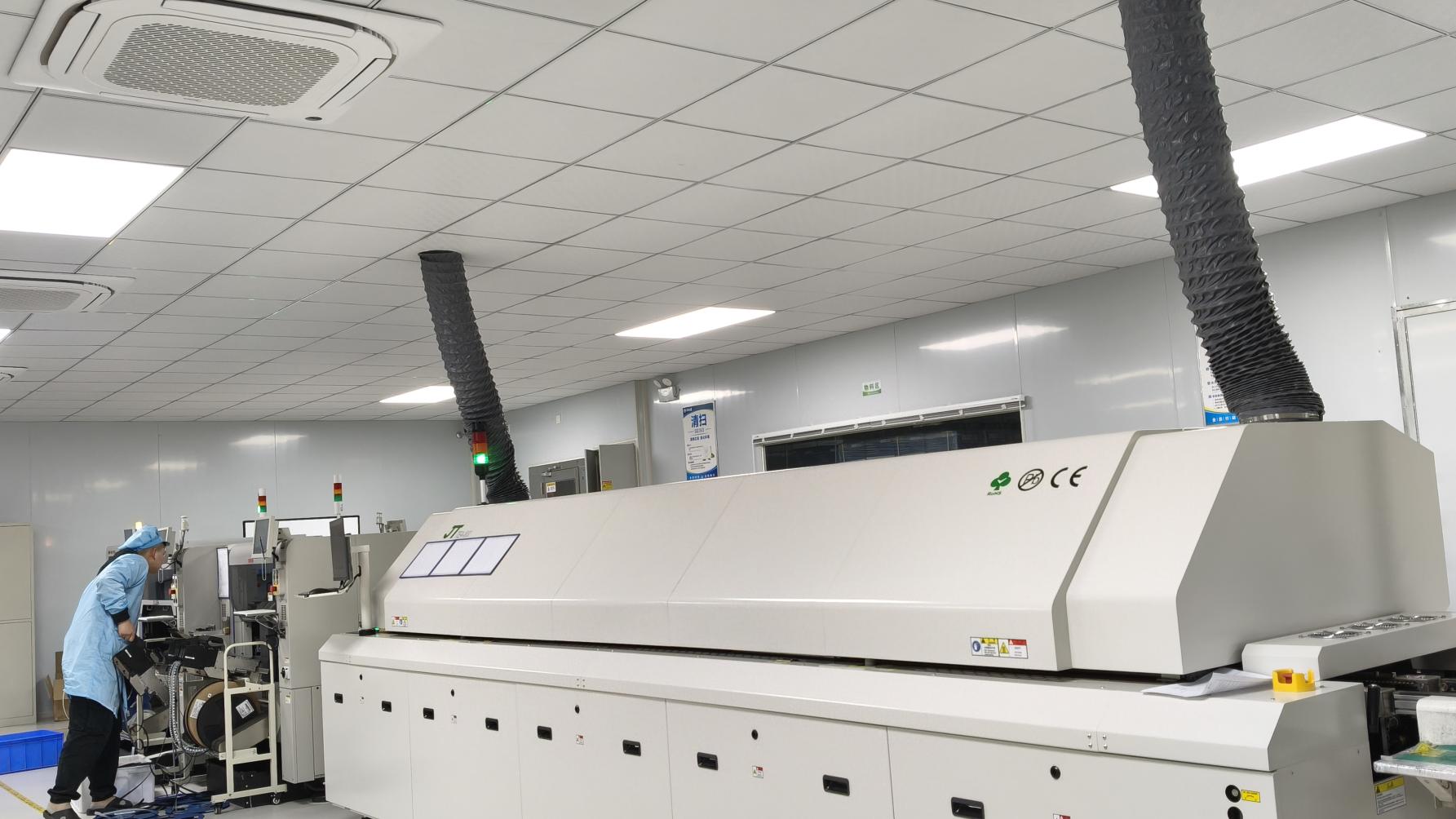
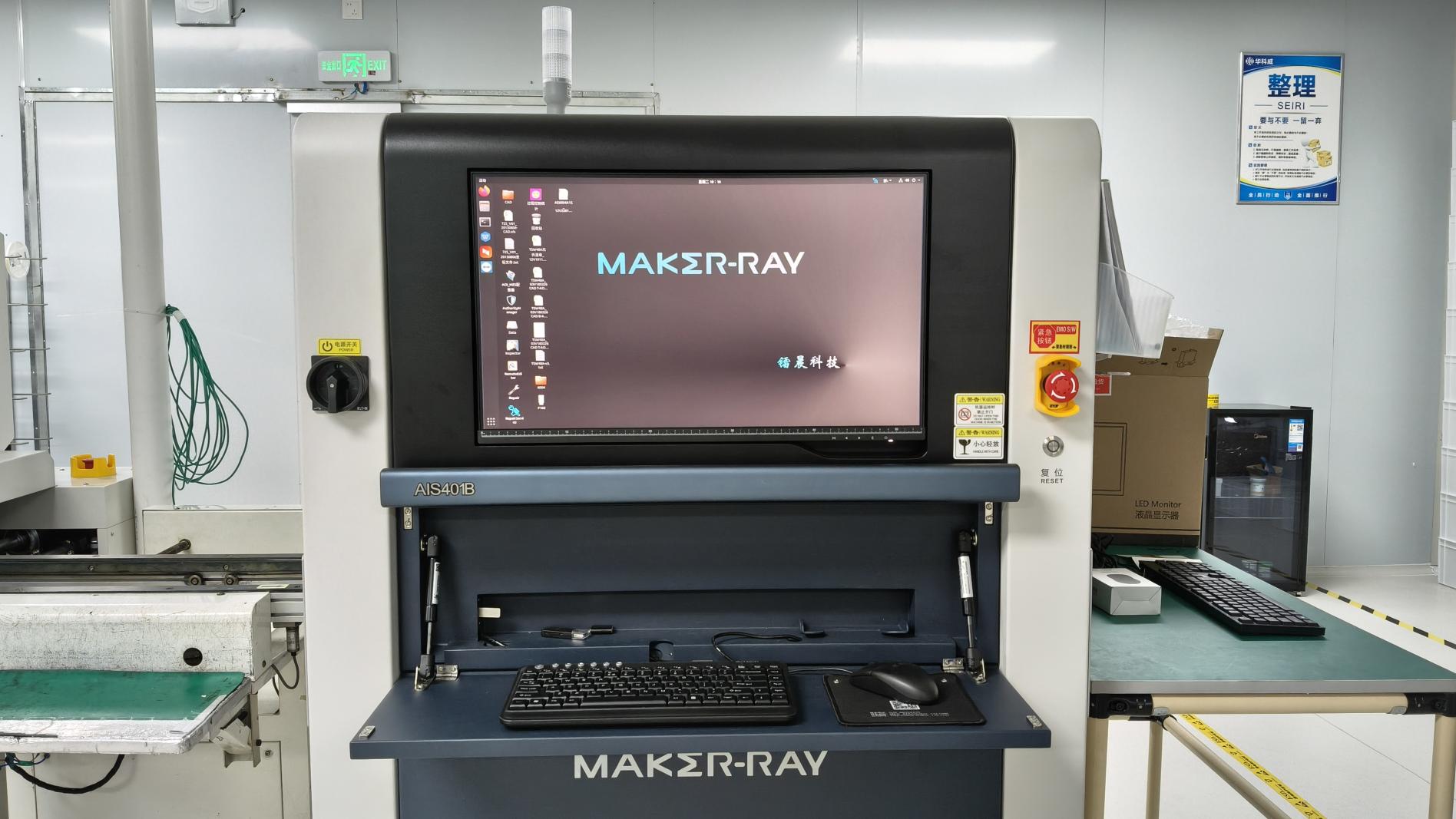
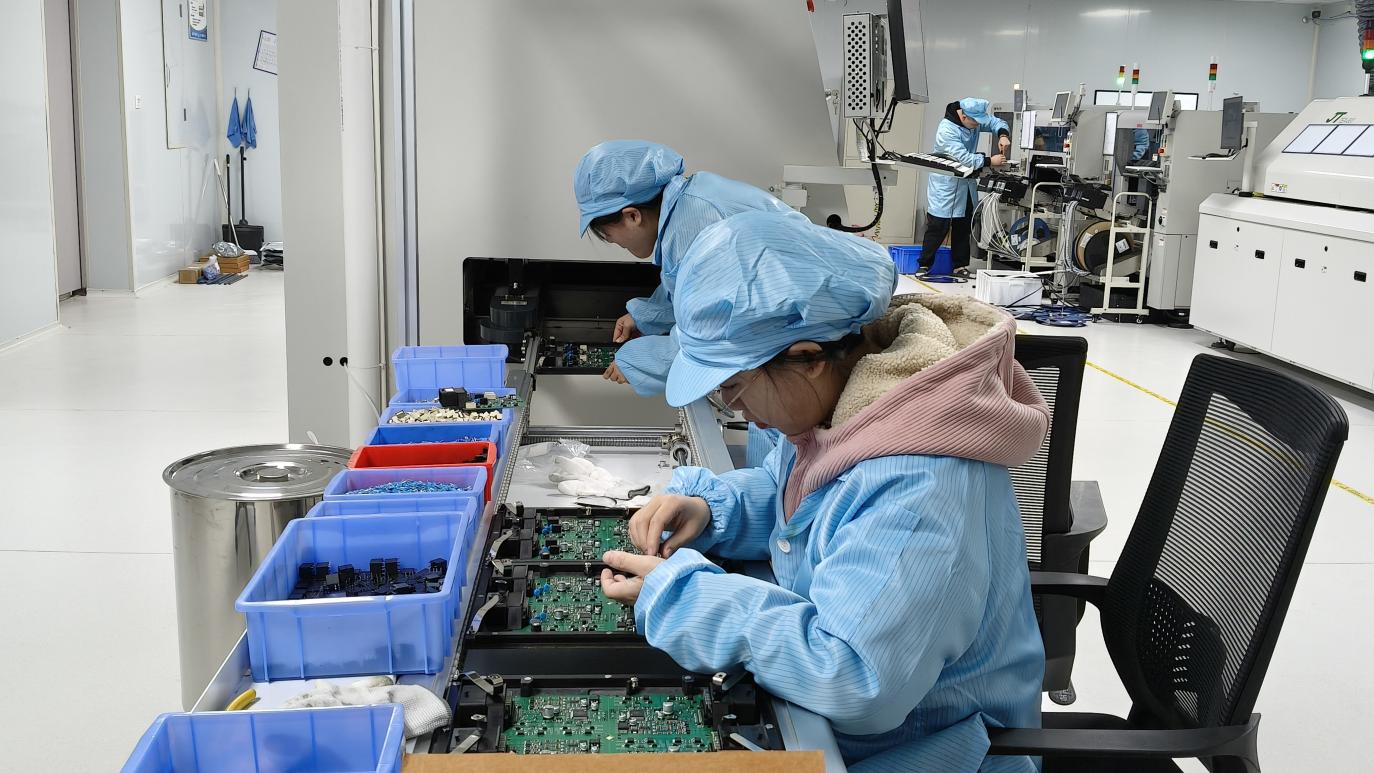
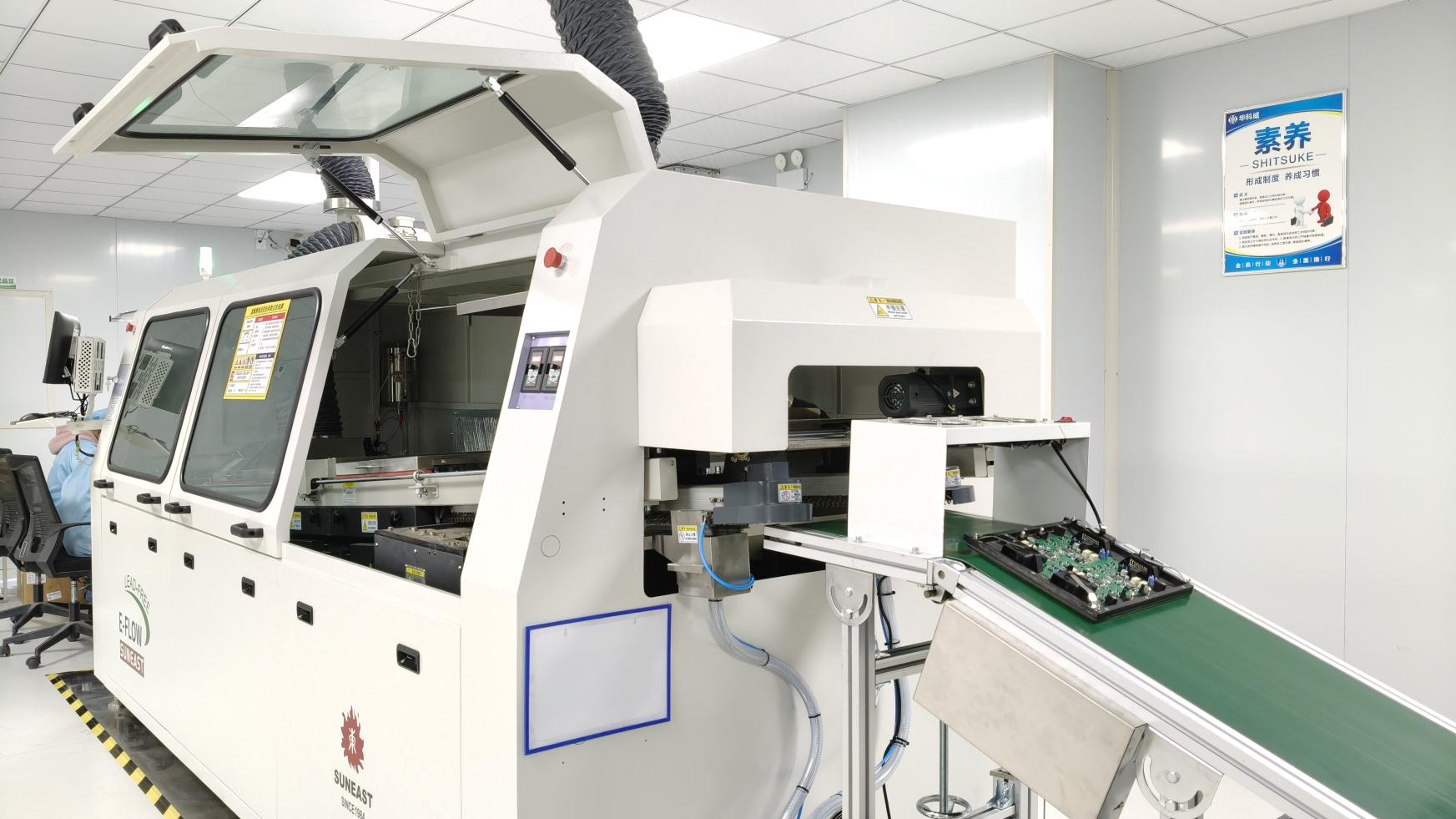
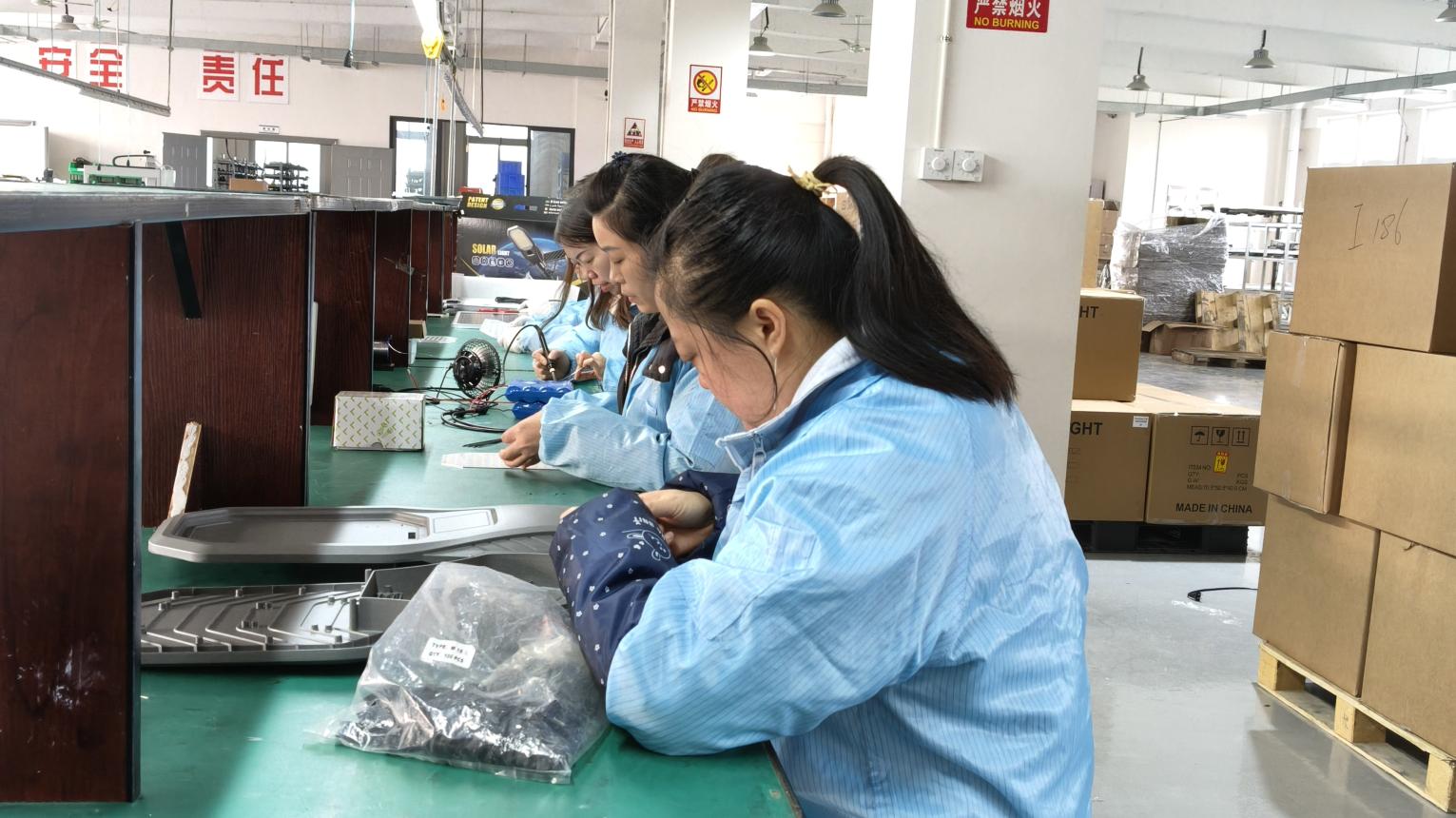
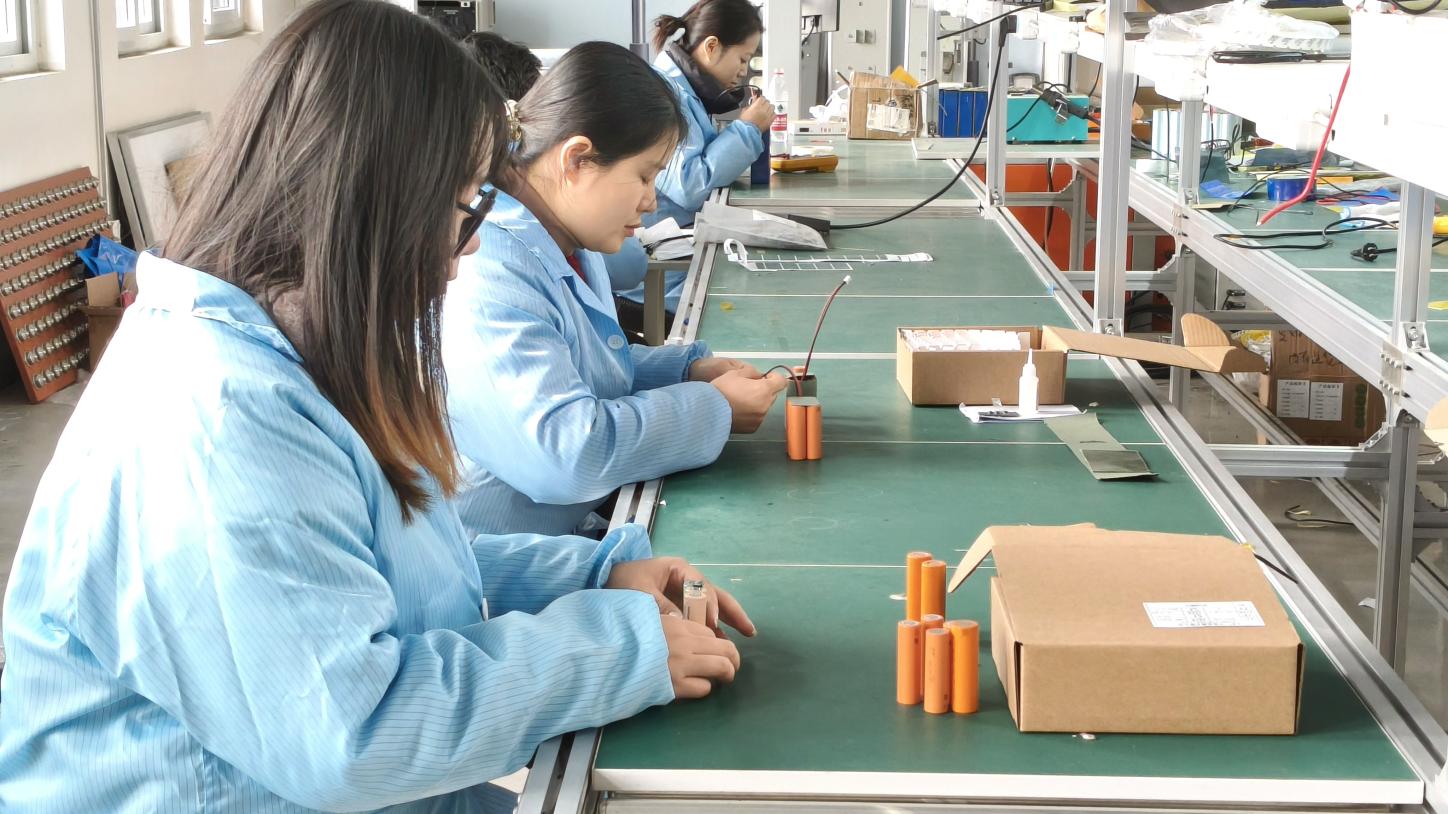
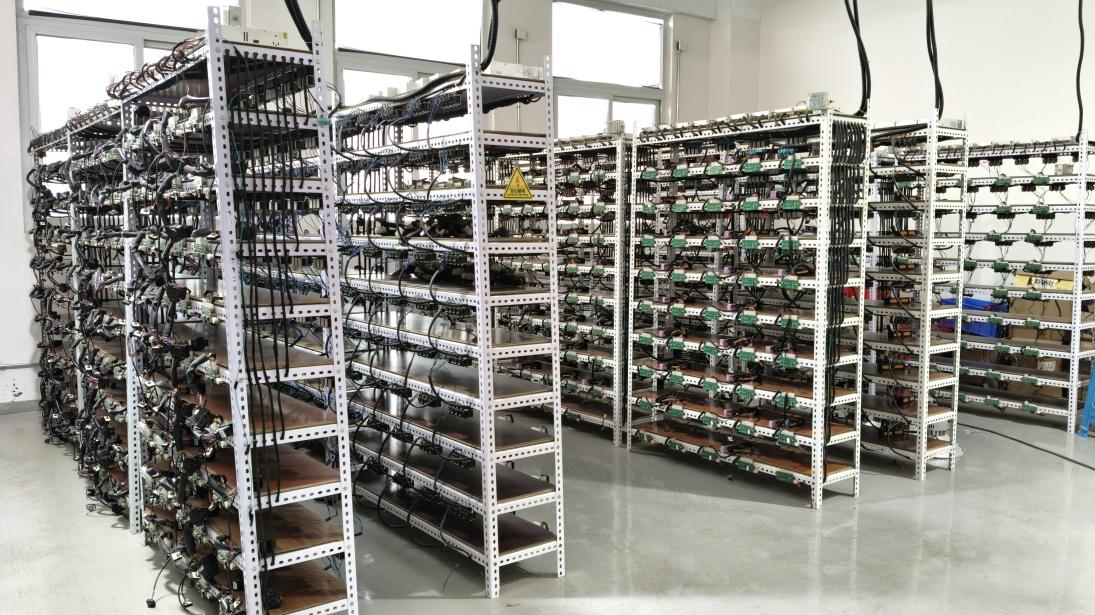
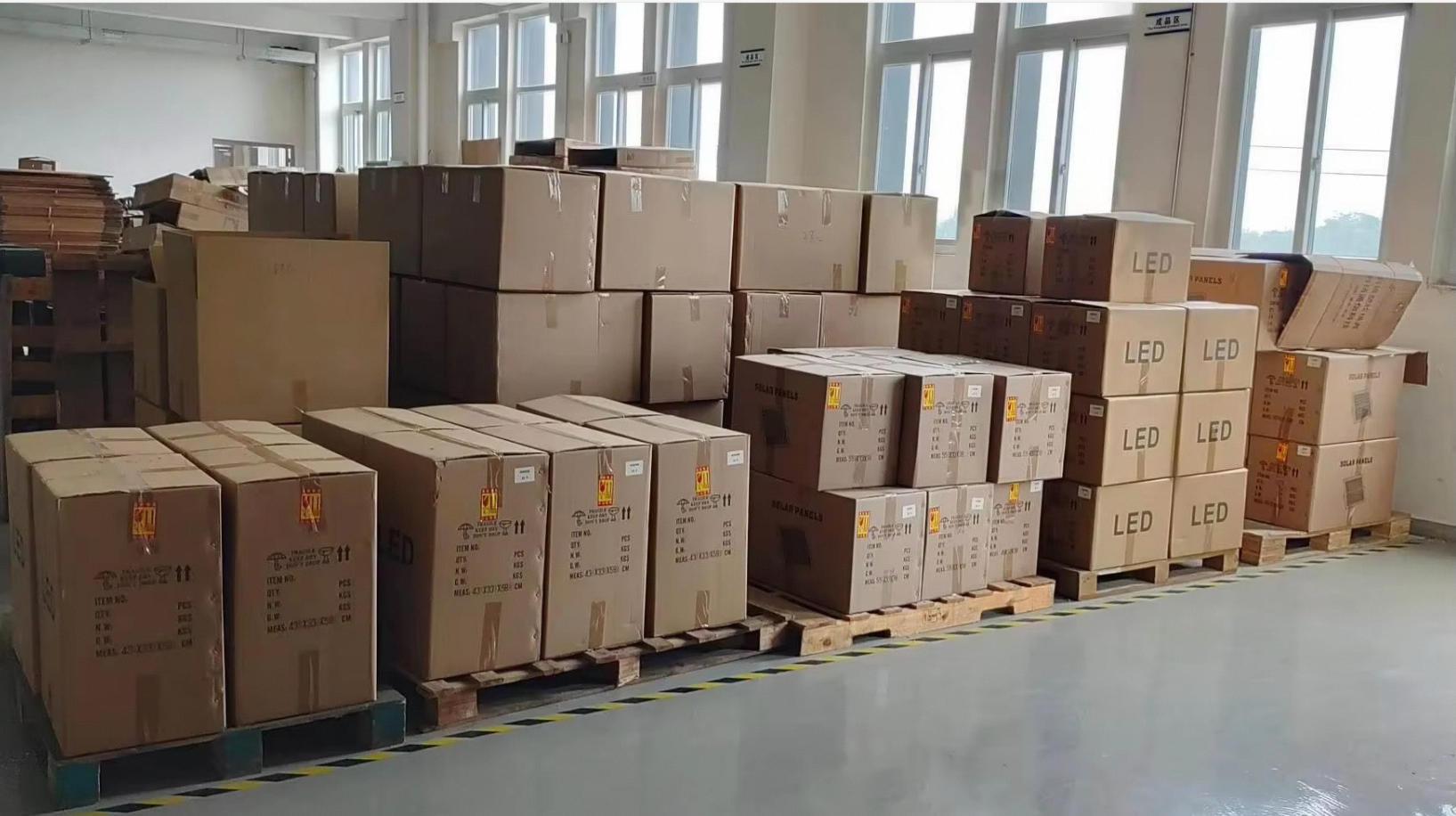
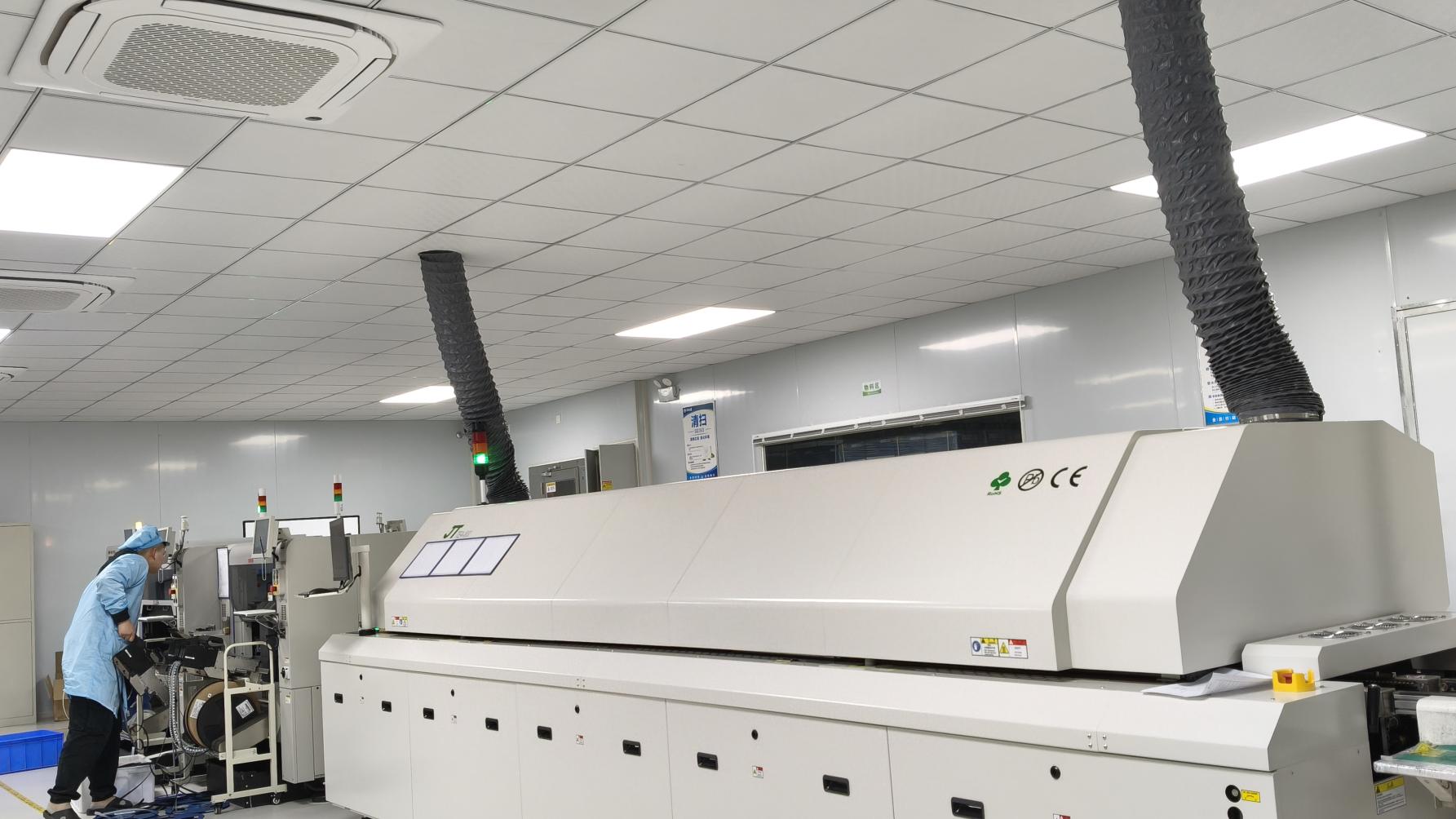
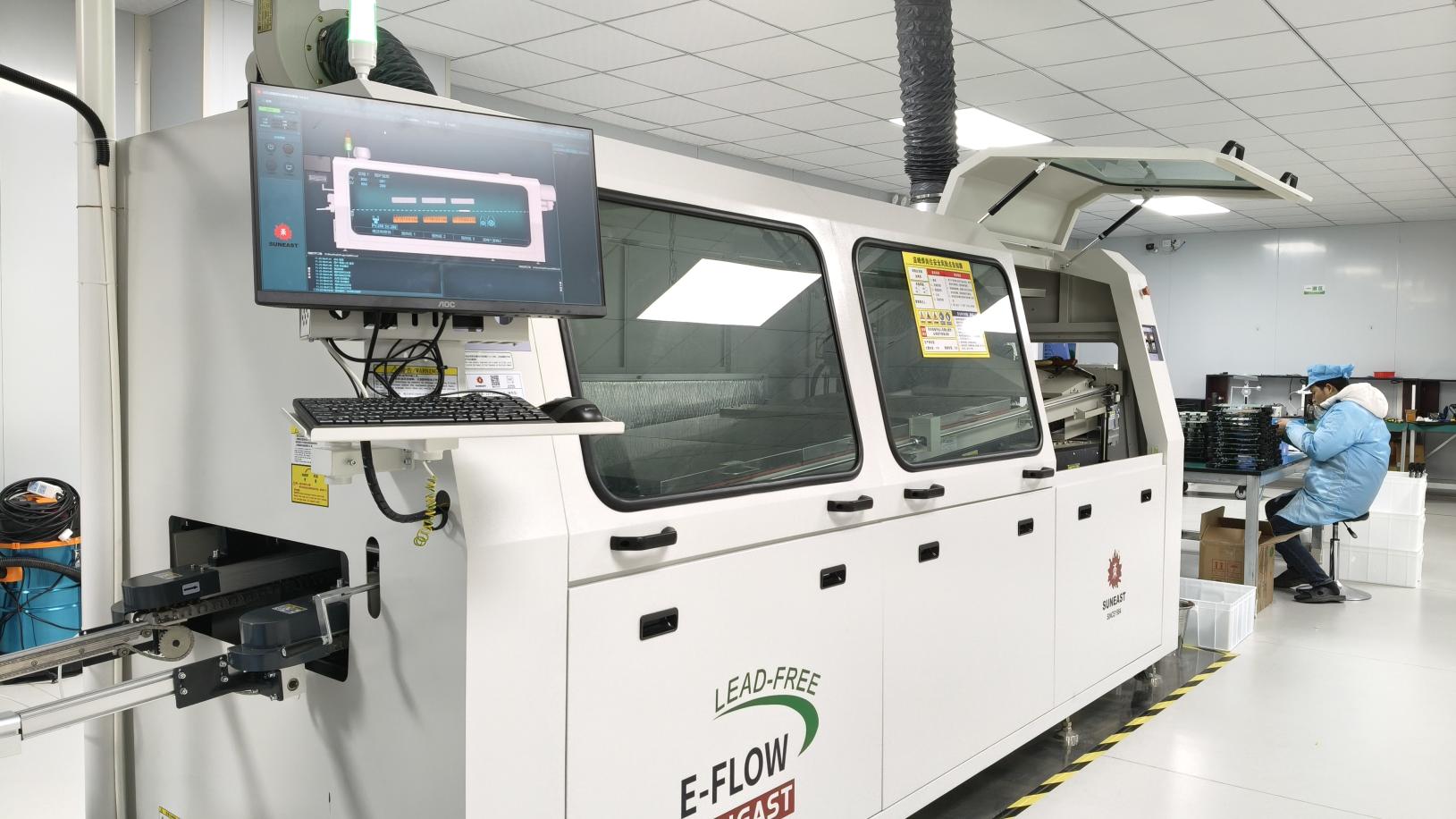
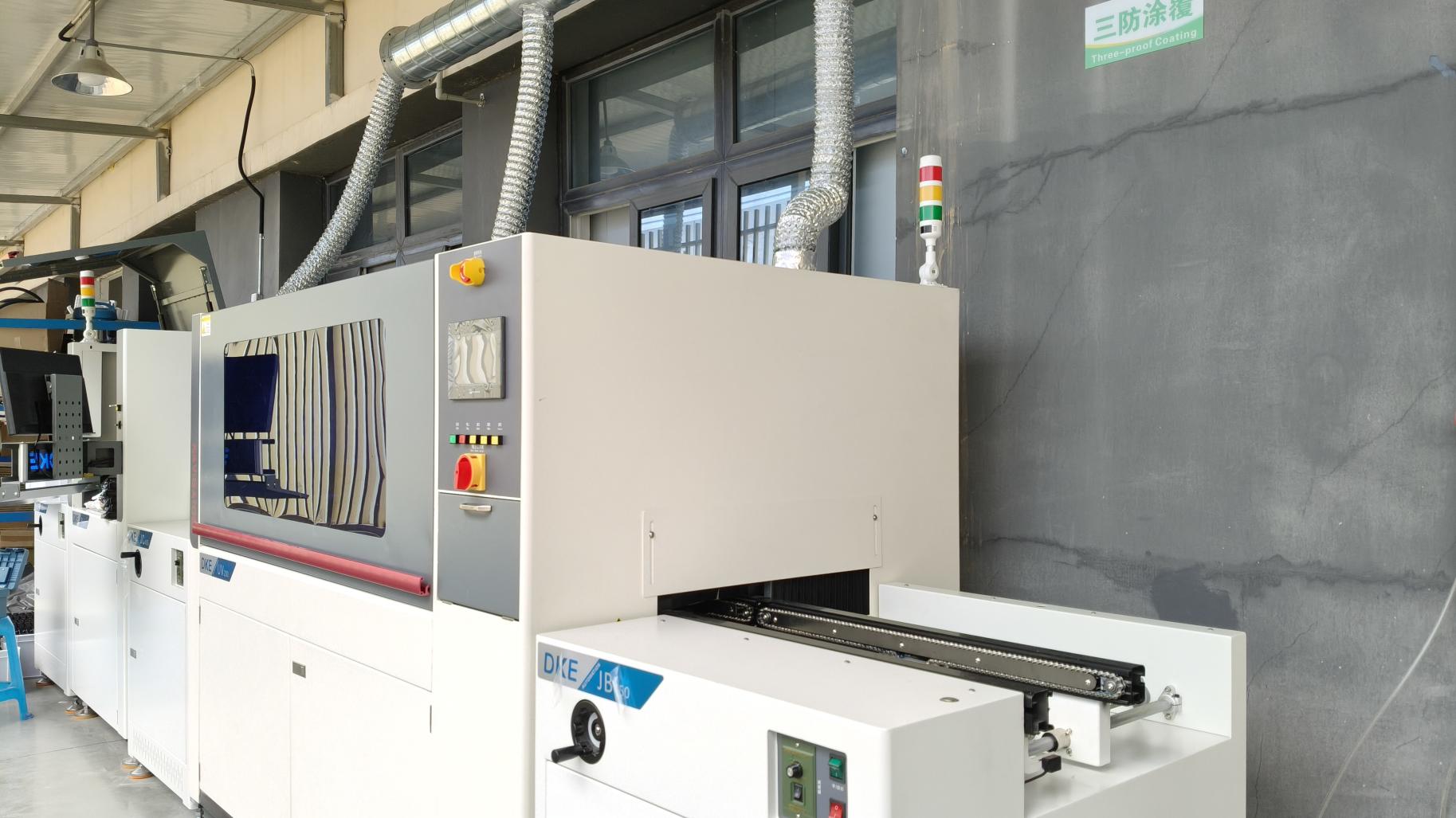
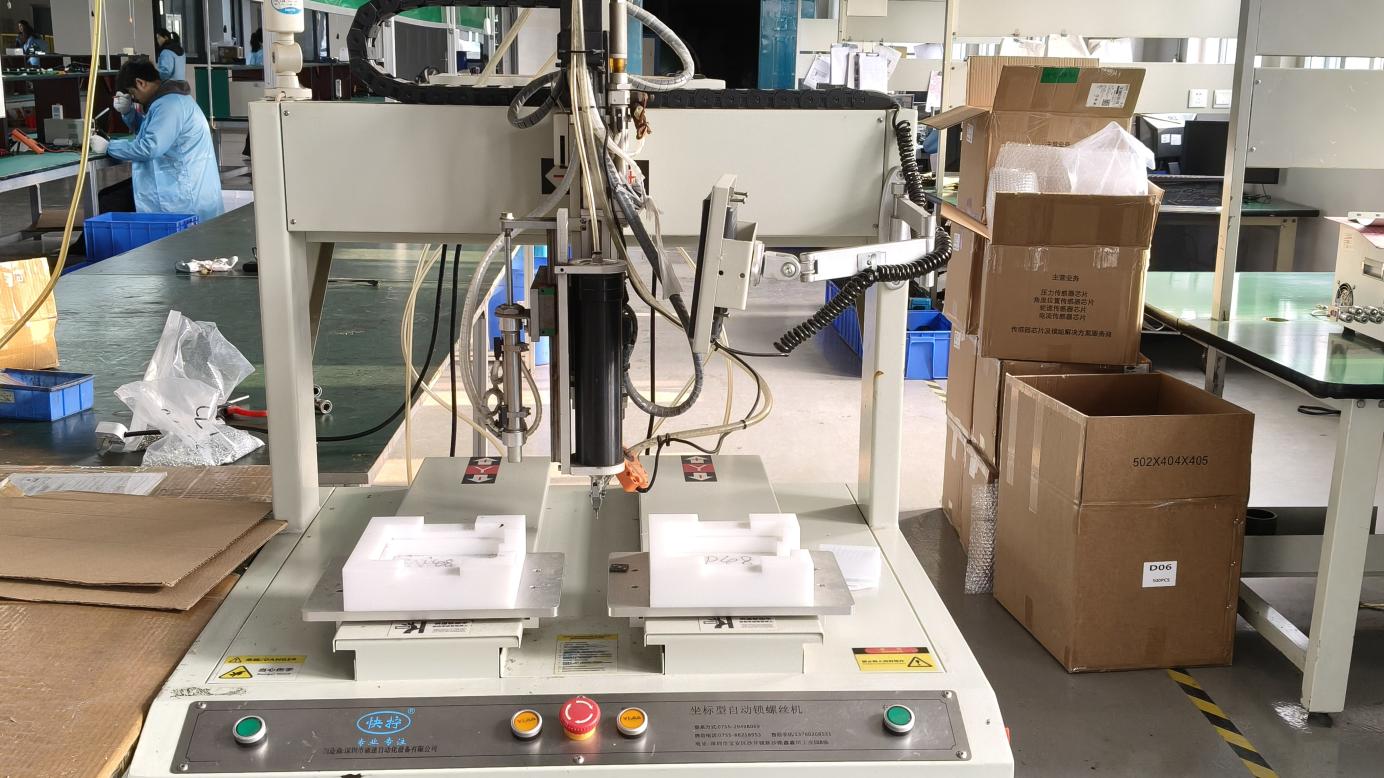
Inside the production environment of Zhejiang Lili Light Co., Ltd.
The modern global supply chain requires precision, speed, and consistent quality. Zhejiang Lili Light Co., Ltd. addresses these needs by incorporating Factory 4.0 automation systems into our production lines. Our manufacturing process uses automated SMT placement, high-throughput wave soldering, AOI (Automated Optical Inspection) systems, and multi-hour automated aging racks to ensure that every finished component is built to perform over the long term.
By automating key production phases, we reduce human error, speed up production runs, and maintain tight control over product consistency. Our quality management systems require rigorous inspection at every step, starting from raw LED wafer verification to final structural assembly and packaging. This systematic approach ensures that both standard and custom OEM/ODM orders meet our high quality standards.
Adapting lighting systems to diverse global commercial, hospitality, and public spaces.
Modern lighting design focuses on applying specific luminaire properties to resolve environmental challenges:
Answers to common engineering and sourcing questions about vintage LED and industrial lighting systems.
High-durability, energy-efficient lighting solutions for demanding commercial and infrastructure projects.
 Lili Light