High-efficacy commercial luminaires and smart architectural emergency lighting components.
Within the realm of architectural design, life safety compliance, and commercial construction, LED emergency exit signs occupy a critical, non-negotiable segment. As municipal safety ordinances shift from reactive protocols to integrated building automation, selecting an emergency lighting manufacturer is no longer merely a procurement exercise. It has evolved into a comprehensive risk mitigation and compliance roadmap.
Today's top-tier manufacturers design solutions that harmonize long-term power savings, robust battery management systems (BMS), and aesthetic architectural integration. Under Google’s strict Search Quality Evaluator guidelines—evaluating Experience, Expertise, Authoritativeness, and Trustworthiness (E-E-A-T)—our analysis serves as a neutral, expert resource. We evaluate global production capabilities, state-of-the-art testing systems, and structural regulatory shifts influencing the international supply chain.
Navigating international construction projects requires a robust understanding of geographical life-safety codes. Our engineering audits assess manufacturers against these key metrics:
A deep dive into advanced manufacturing methodologies, modern production lines, and quality verification ecosystems.
Zhejiang Lili Light Co., Ltd. is a prominent manufacturer and exporter specializing in high-performance LED lighting products and fully integrated emergency and commercial lighting solutions. Backed by years of specialized manufacturing experience, the organization delivers innovative, energy-efficient, and highly reliable illumination products. These solutions meet the stringent demands of international markets, including Europe, South America, Southeast Asia, and the Middle East.
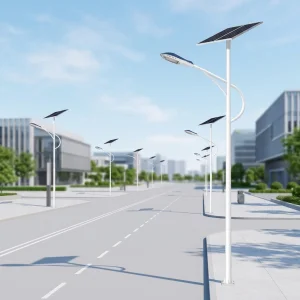
The company maintains a strong focus on ongoing technology investments, rigorous process controls, and specialized design capabilities. Their extensive product catalog spans across residential, commercial, industrial, and public project systems. From modern indoor architectures like spot lights, downlights, and panels, to heavy-duty outdoor floodlights and green-tech solar road lamps, they support complex global procurement projects with flexible OEM/ODM capability.

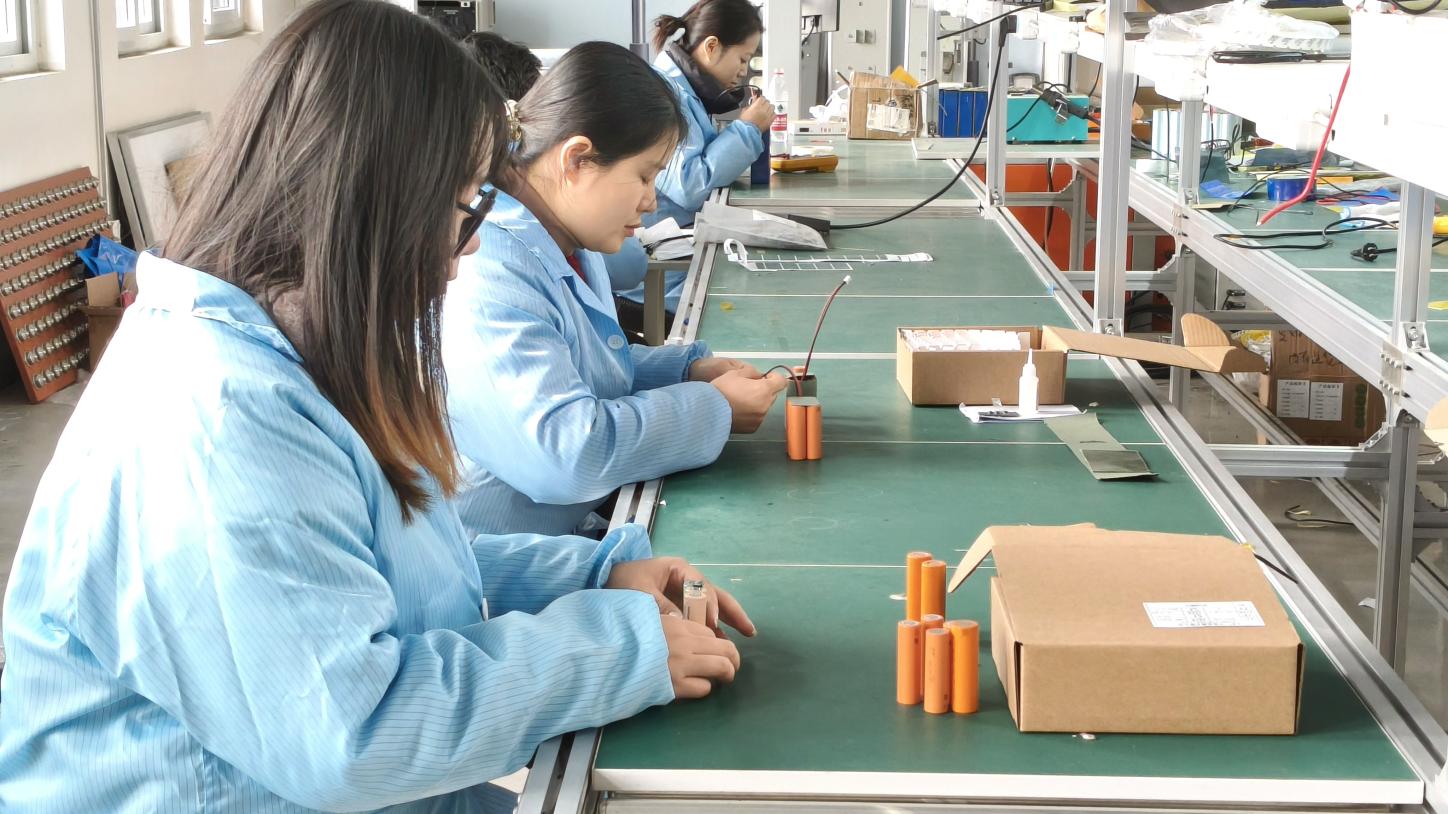
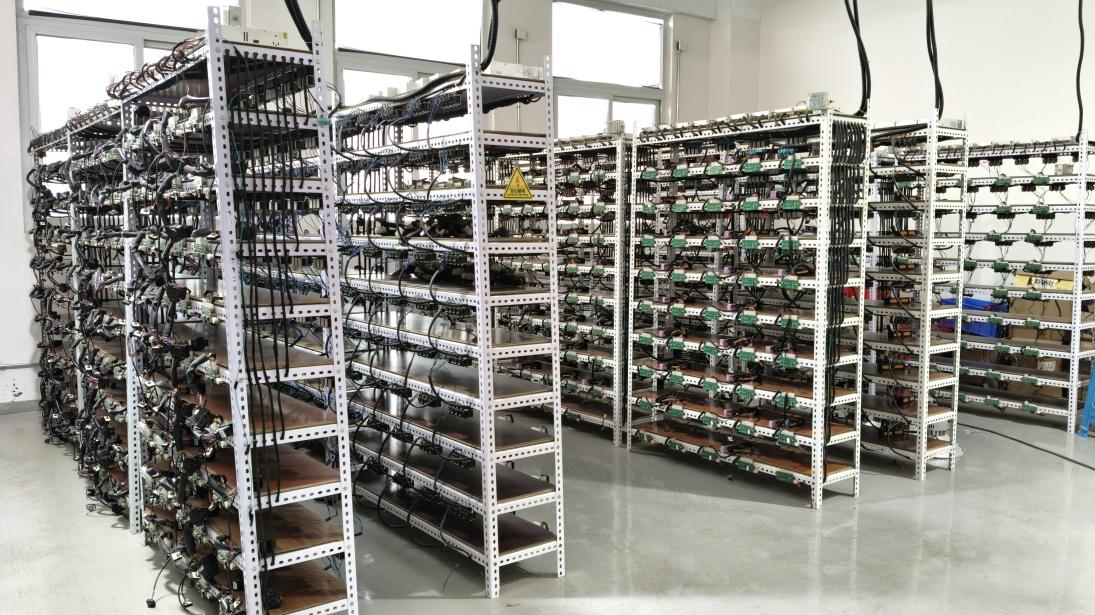
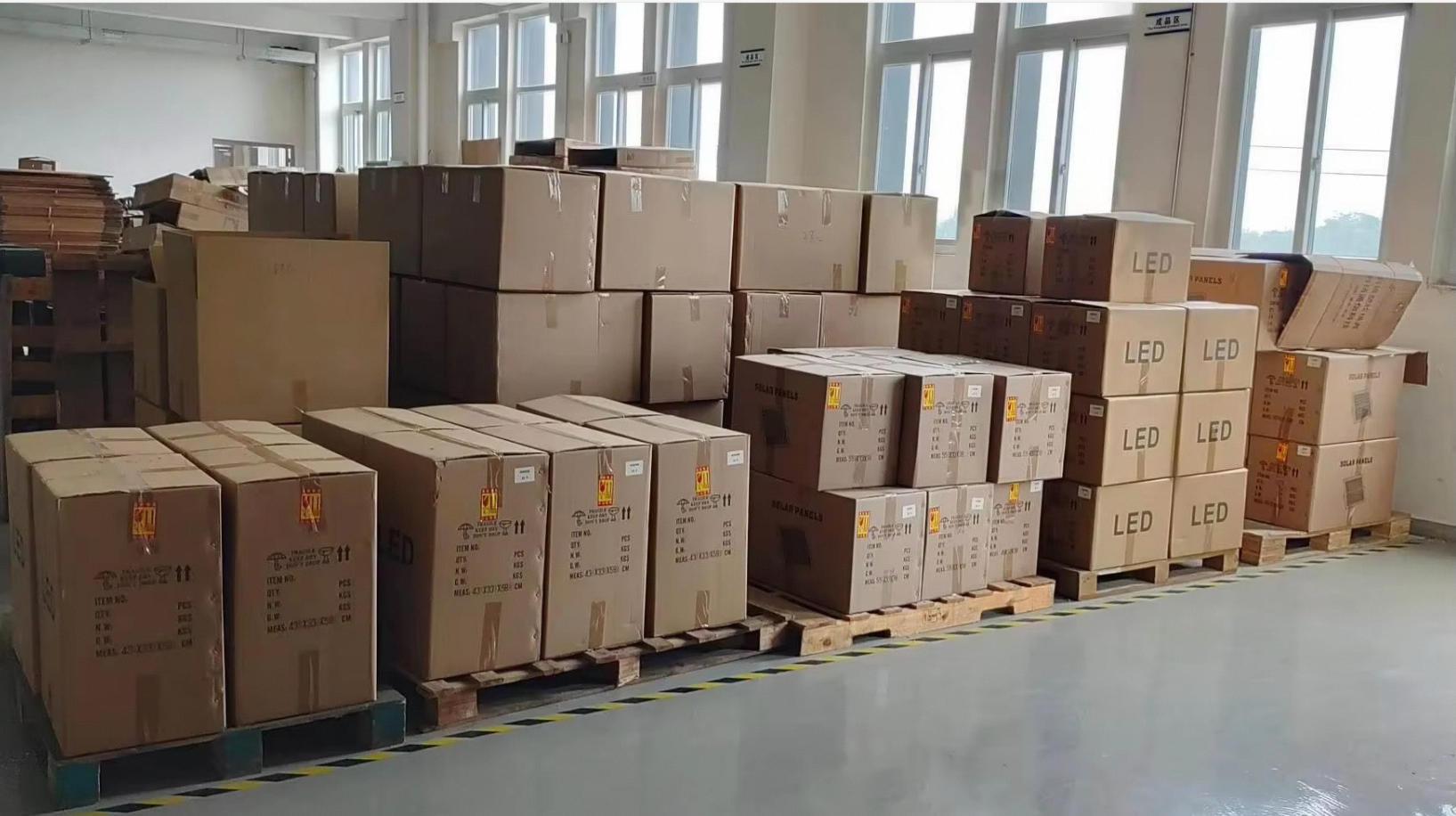
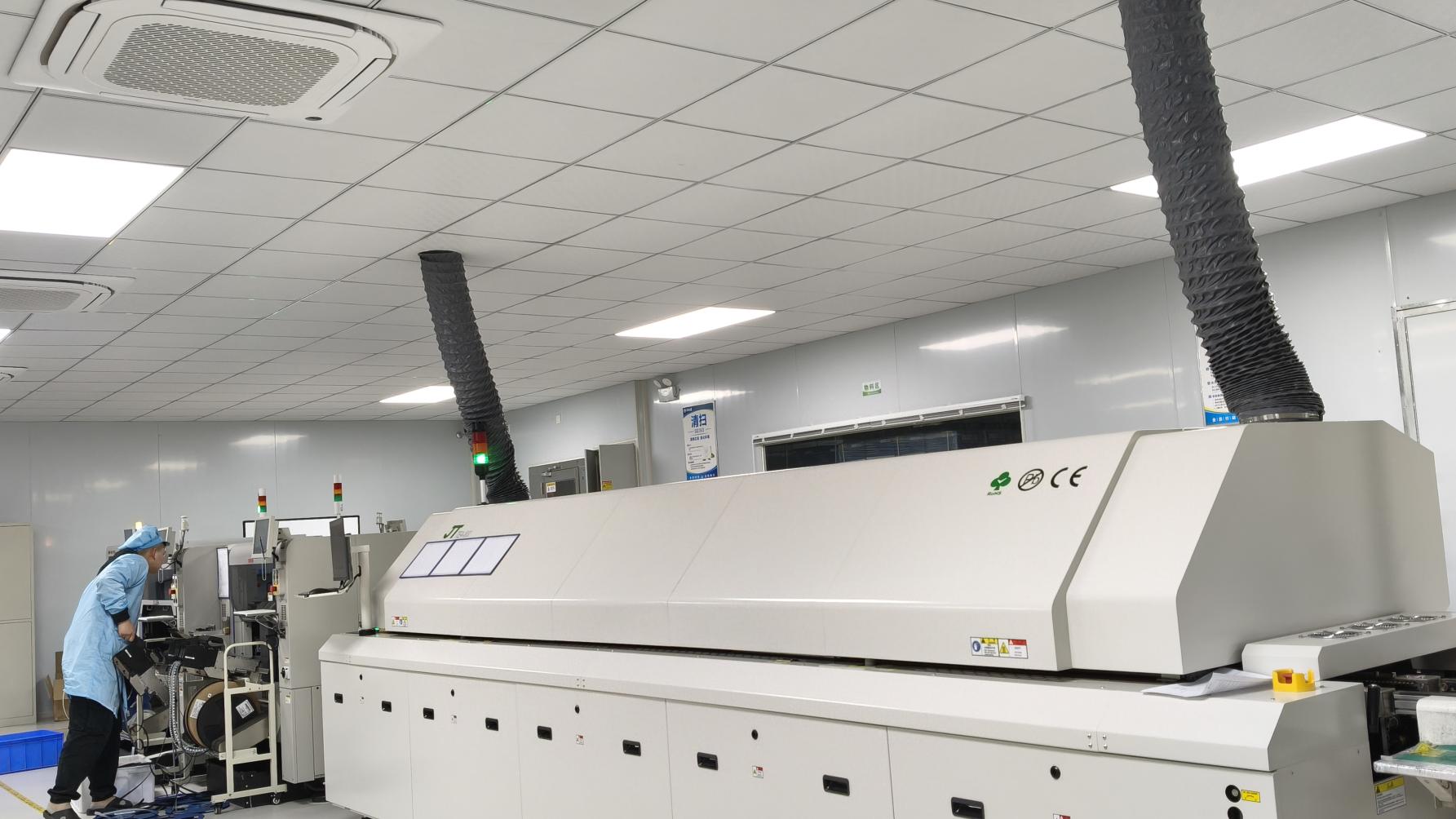
The technical roadmap that professional buyers, electrical contractors, and safety engineers use when vetting LED Exit Sign suppliers.
Modern emergency escape lighting is transitioning from older Nickel-Cadmium (Ni-Cd) cells to high-performance Lithium Iron Phosphate (LiFePO4) systems. These new batteries offer superior thermal resistance, longer service life, and meet greener RoHS manufacturing requirements.
Manual testing of escape routes is labor-intensive and error-prone. Modern projects utilize self-testing emergency lights that run automated tests monthly and yearly. Indicator LEDs flash specific fault codes if battery failure or charger degradation occurs.
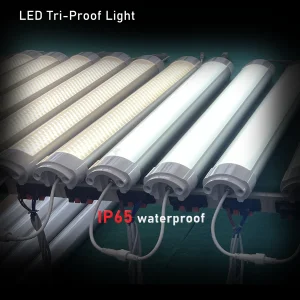
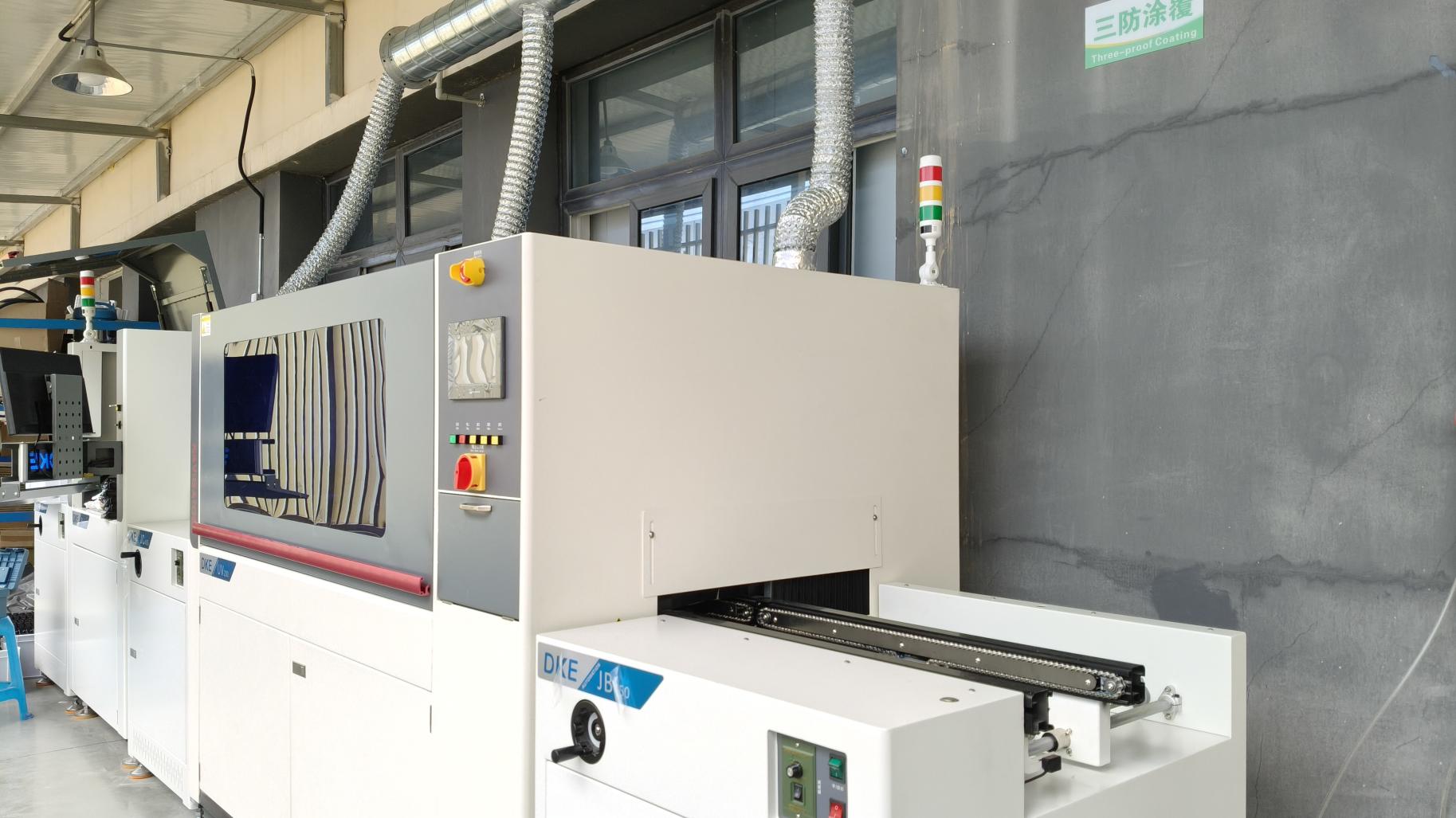
Heavy industrial facilities, underground subway lines, and petrochemical zones require exit signs that resist harsh elements. Look for vapor-tight housings, NEMA 4X, and IP66 designs with three-proof coatings to prevent structural failures.
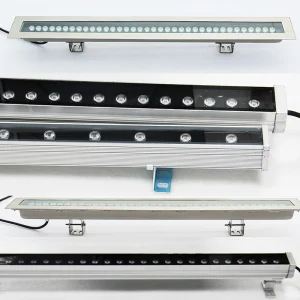
When engineering high-density residential properties, commercial high-rises, or sprawling manufacturing sites, fire safety teams require unified emergency systems. Leading suppliers offer exit signs that integrate seamlessly into broader architectural layouts. This includes matching color temperatures and using consistent, low-profile designs that coordinate with track lights, downlights, and linear panels. This maintains a clean architectural aesthetic while ensuring full emergency compliance.
A major advancement in modern projects is the transition to centralized emergency power systems. Rather than maintaining thousands of individual backup batteries, new developments often install central battery systems. This setup routes emergency power through dedicated, flame-resistant conduits directly to specialized high-efficacy LED fixtures during power failures.
A projected look at how emergency lighting tech is evolving over the next ten years.
Navigating global supply chains requires reliable partners who understand local regulations and shipping requirements. Leading manufacturers provide robust support mechanisms, including:
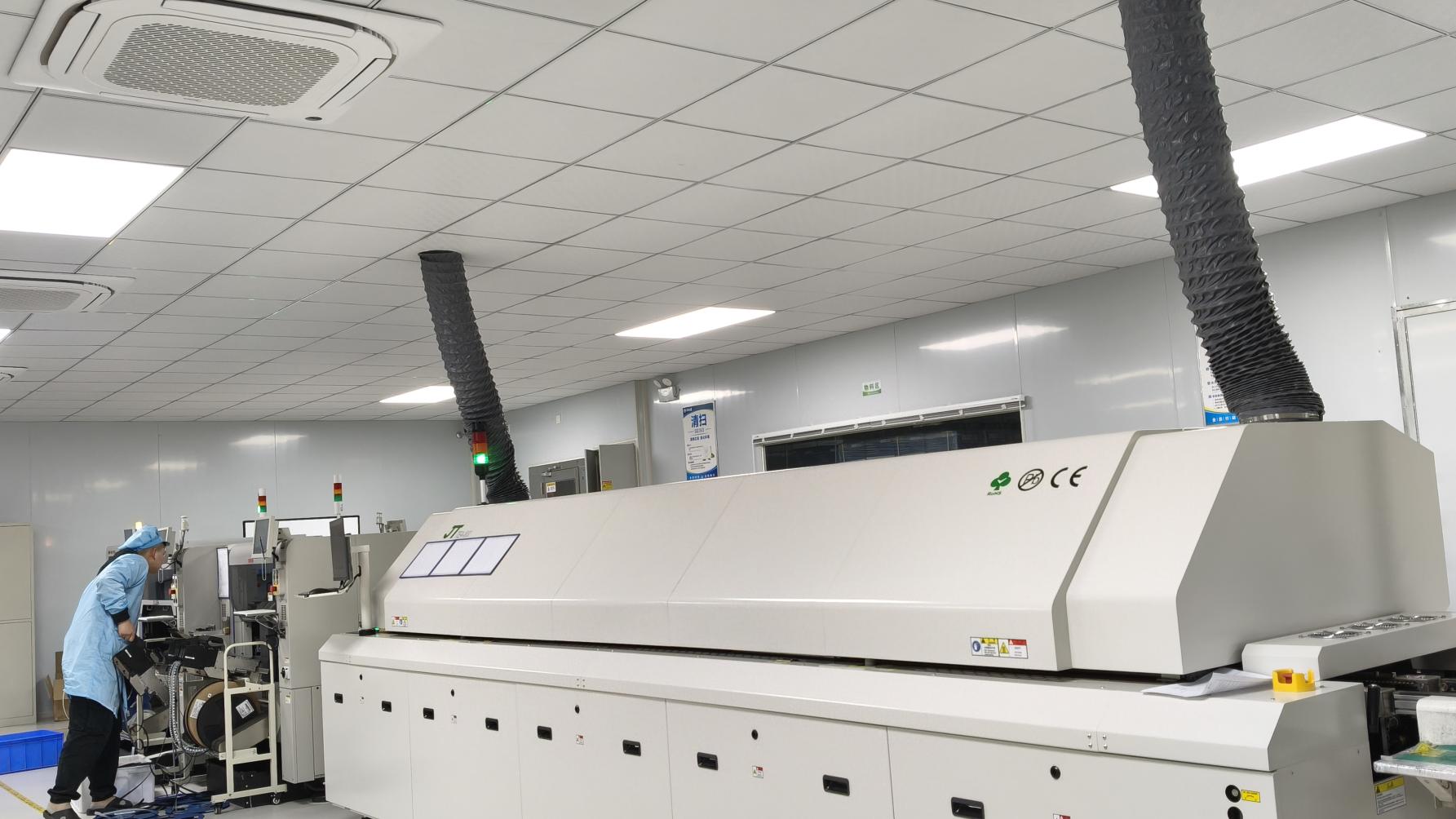
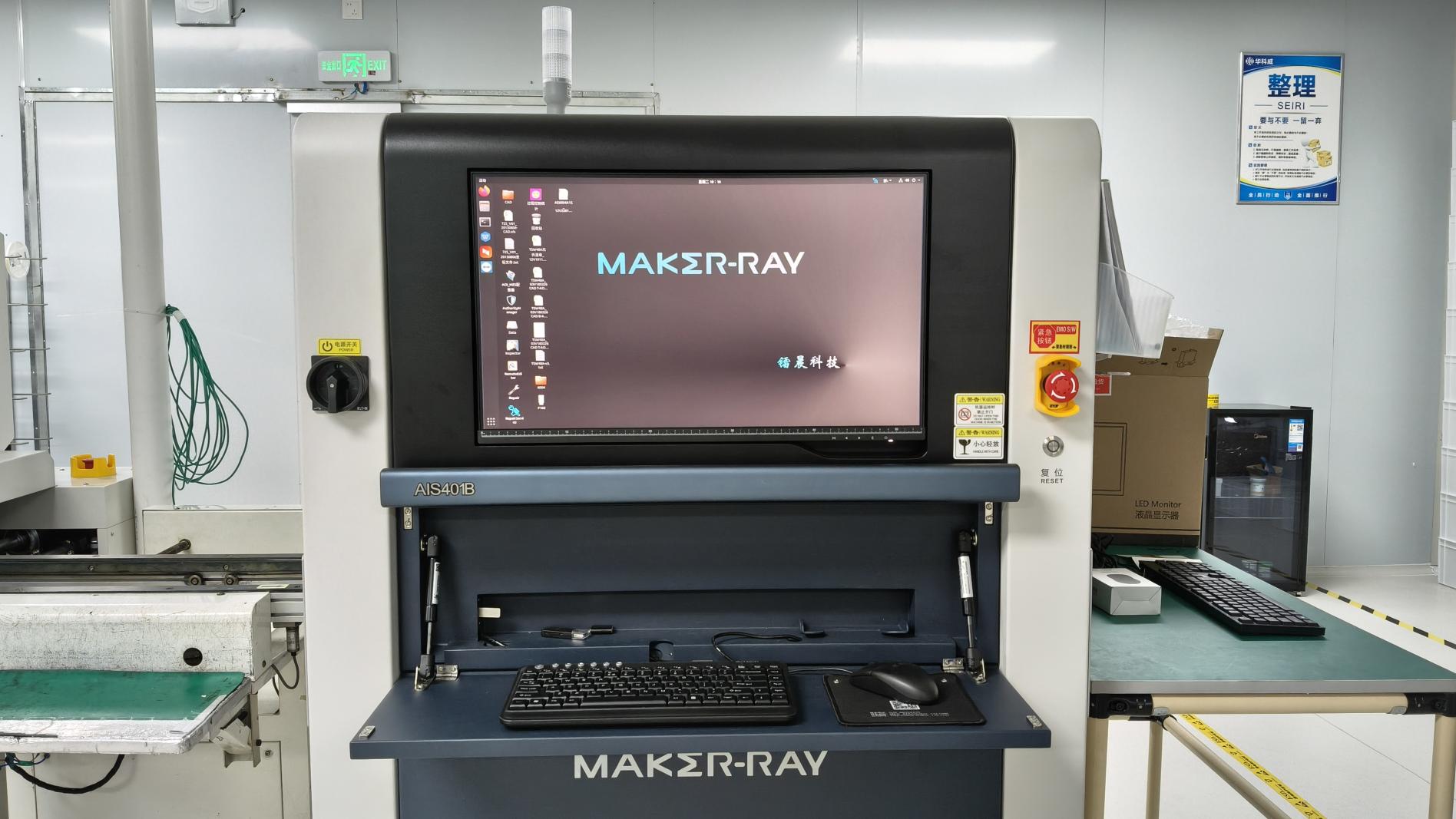
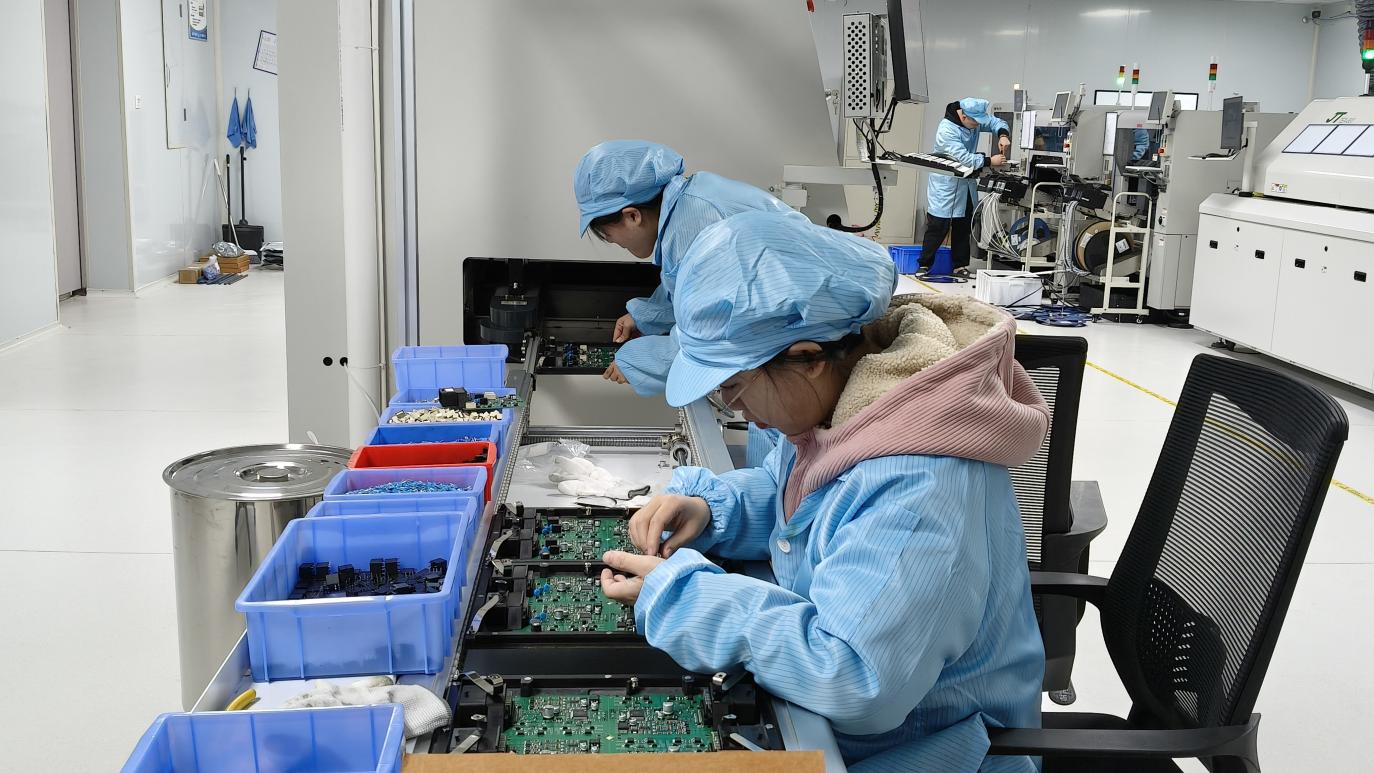
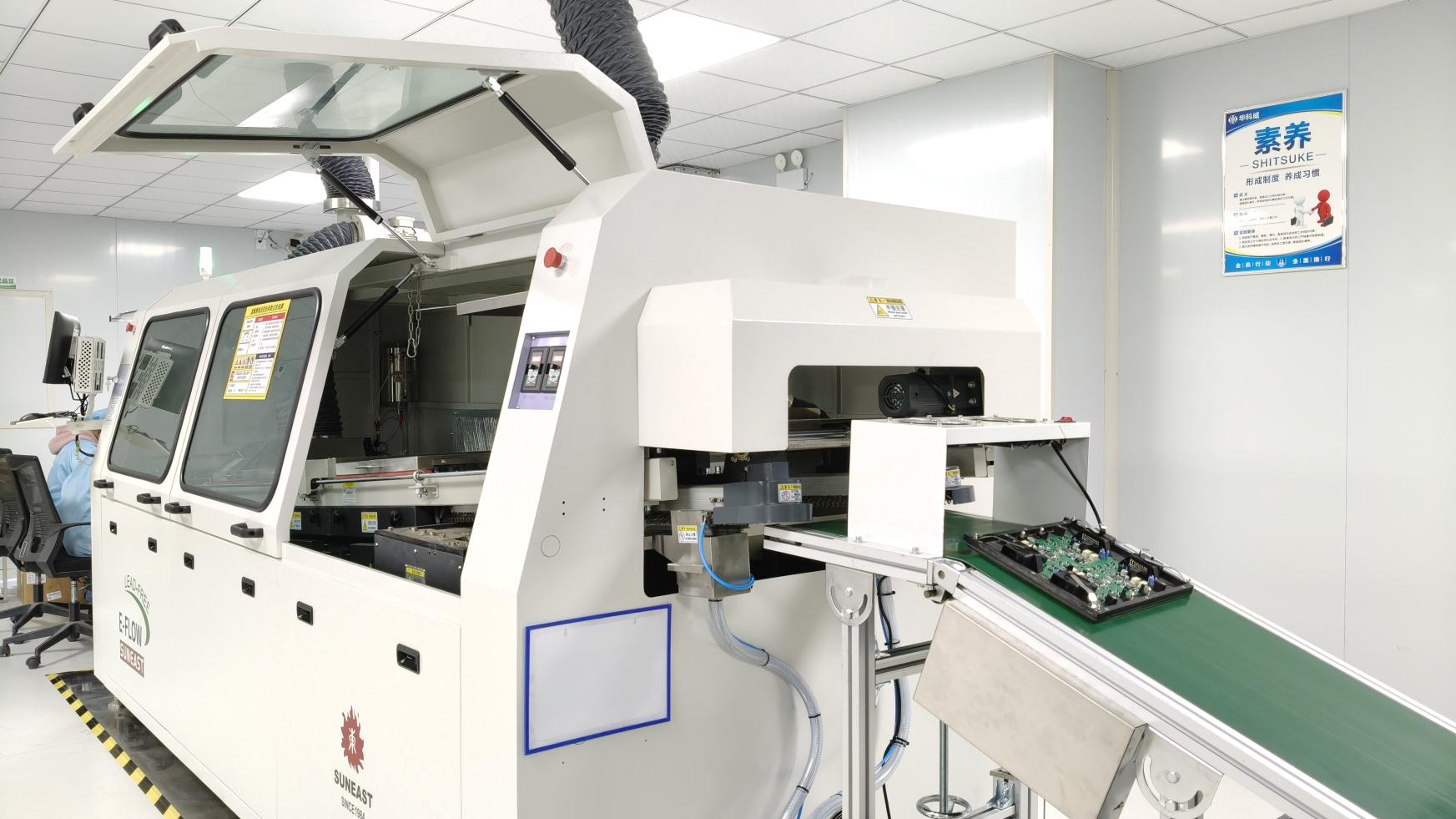
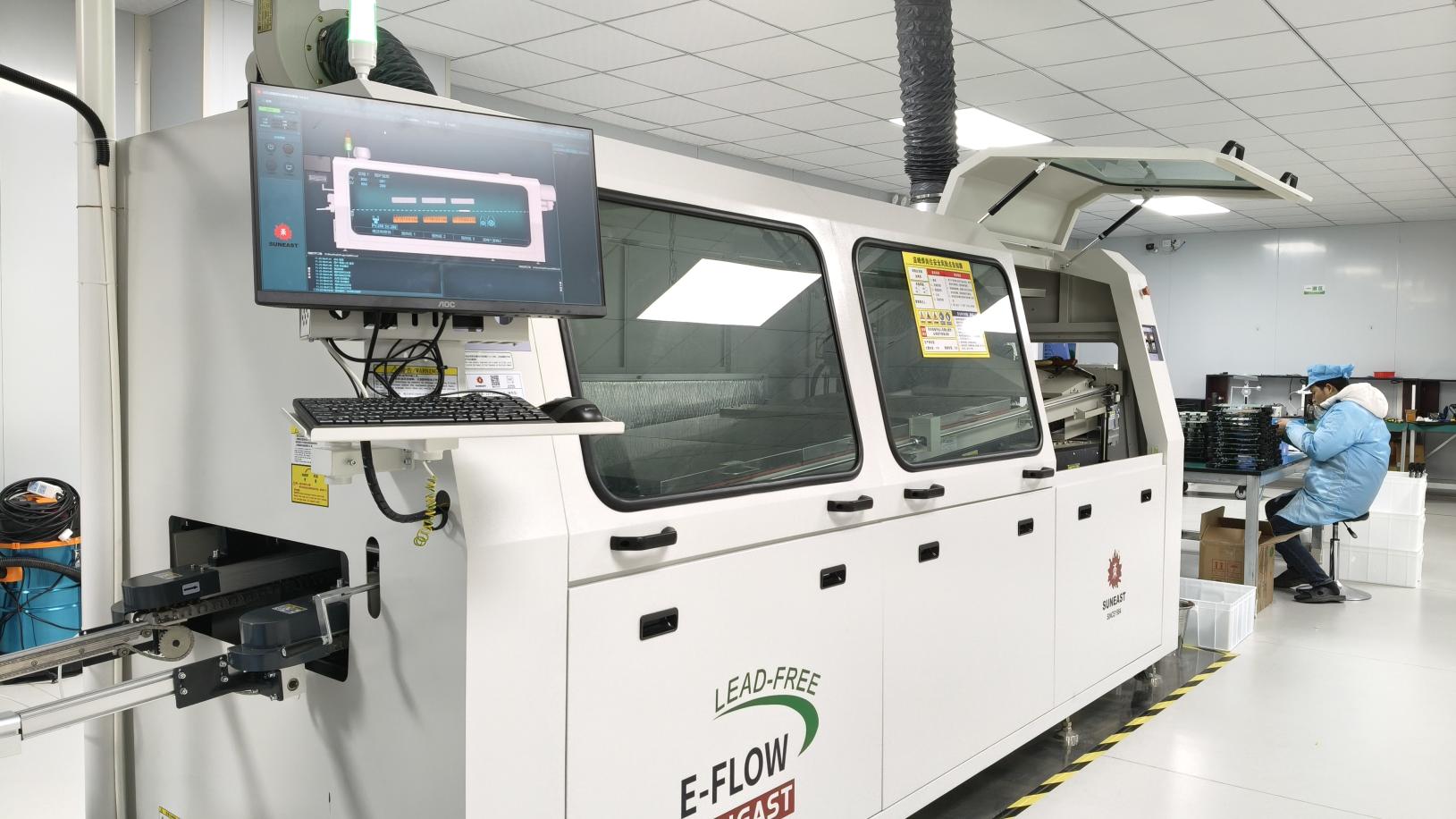
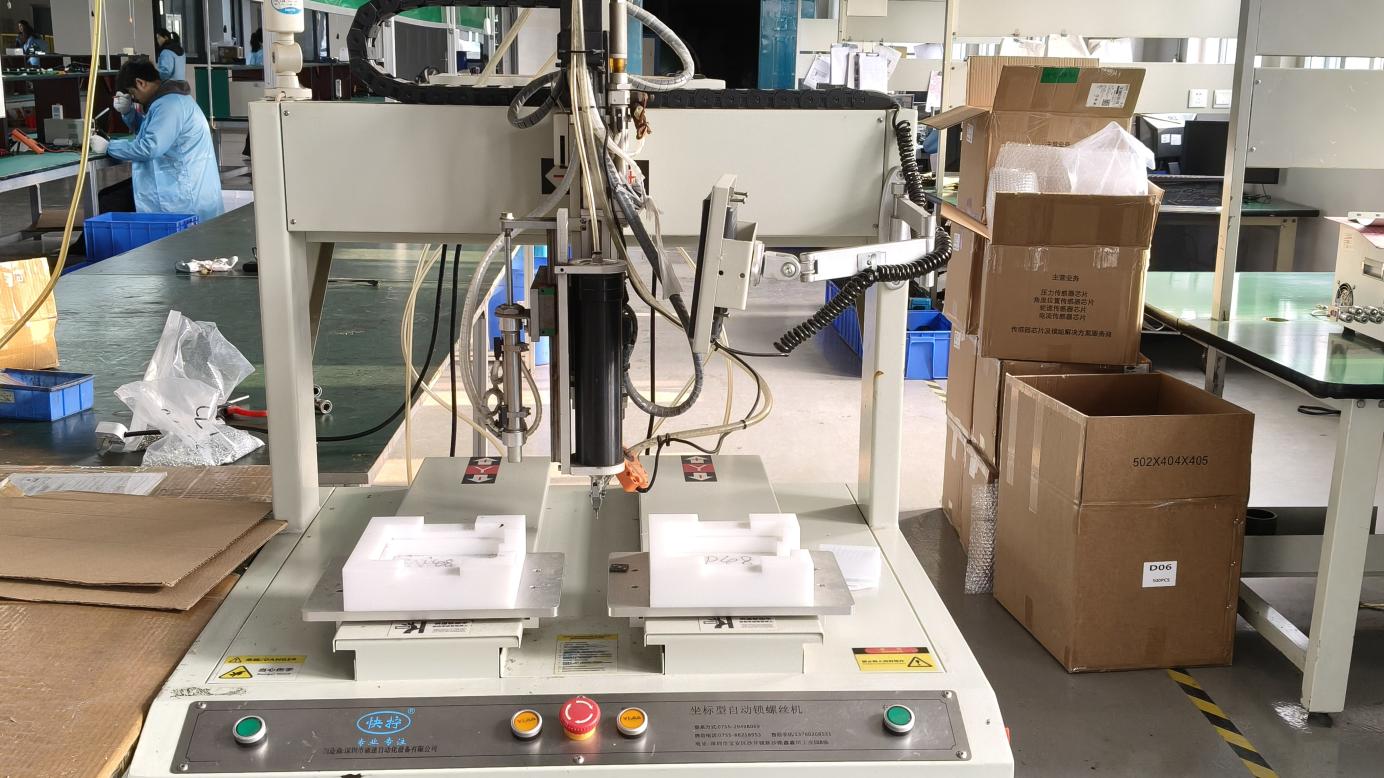
To ensure long-term product reliability, reputable manufacturers implement rigorous quality checkpoints on their automated production lines:
Automated optical scanners verify all SMD solder joints, avoiding component displacement before wave soldering.
100% of finished emergency boards undergo automated electrical and thermal cycling to identify potential component failure early.
Automated machinery applies precise torque levels when securing housings, ensuring reliable dustproof and waterproof sealing.
Get authoritative answers to common questions about industrial emergency lighting standards and procurement.
The choice between red and green lettering is primarily determined by local municipal building codes. Green exit signs are generally required across Europe, Asia, and Canada, aligning with ISO safety green standards. In contrast, many regions in the United States historically mandate red signs. Always check local fire codes (NFPA 101) before placing large-scale commercial orders.
These units feature an integrated microchip that automatically simulates a power failure every 30 days for 30 seconds, and a full 90-minute discharge test once a year. If the battery, charger, or LED lamp fails, the sign blinks an onboard status LED to alert building maintenance teams.
Under the UL 924 standard in North America and related international safety codes, emergency lighting systems must provide a minimum of 90 minutes of continuous illumination during a utility power failure. High-end models often offer up to 120 or 180 minutes of runtime.
The battery chemistry directly impacts both the lifespan of the sign and maintenance costs. Traditional Nickel-Cadmium (Ni-Cd) batteries are cost-effective but degrade faster in extreme temperatures and contain toxic materials. Lithium Iron Phosphate (LiFePO4) options last longer, handle extreme temperatures better, and are more environmentally friendly.
Yes. Many newer models support wireless mesh networks. This connection allows them to report battery health, diagnostic status, and operational faults directly to building management systems, eliminating the need for manual, physical testing.
An IP65 rating indicates that the fixture's housing is fully dust-tight and protected against water jets from any angle. This protection is essential in damp environments, industrial sites, and outdoor areas where dust, humidity, or moisture could damage sensitive electronic components.
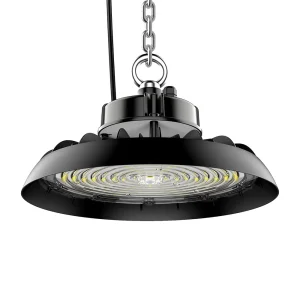
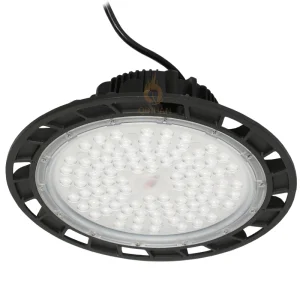
Explore our range of commercial high-bays, explosion-proof fixtures, track systems, and modern luminaires.
 Lili Light