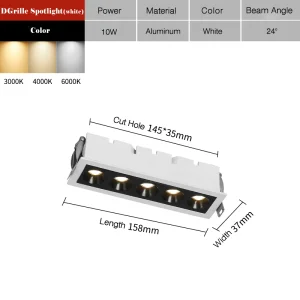
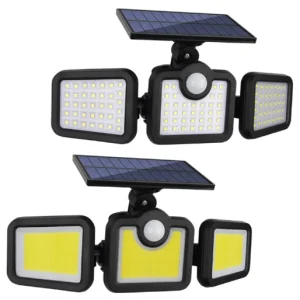
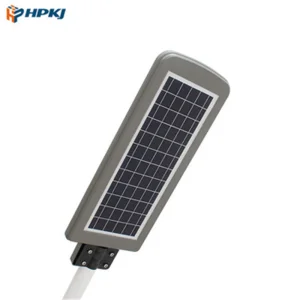
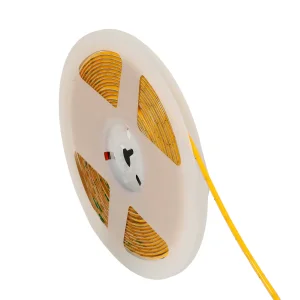
Engineered solutions for outdoor landscapes, public infrastructure, and retail spaces.
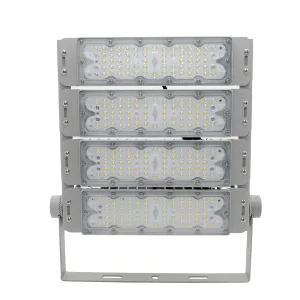
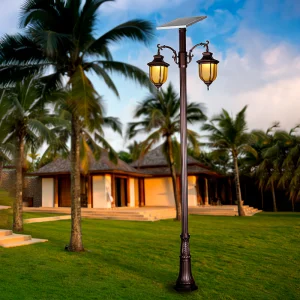
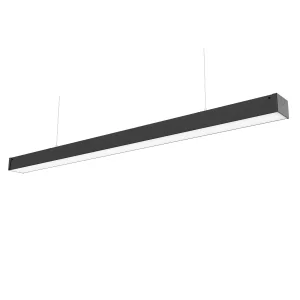
Driving Innovation and Reliability in Global Solid-State Lighting (SSL) Manufacturing.
Zhejiang Lili Light Co., Ltd. stands as a preeminent professional manufacturer, developer, and global exporter specializing in high-grade LED lighting products and fully integrated commercial lighting solutions. Backed by decades of collective engineering experience within the international optoelectronics industry, the company is built upon a fundamental commitment: providing energy-efficient, robustly designed, and architecturally striking lighting systems to projects, wholesale distributors, and contracting partners worldwide.
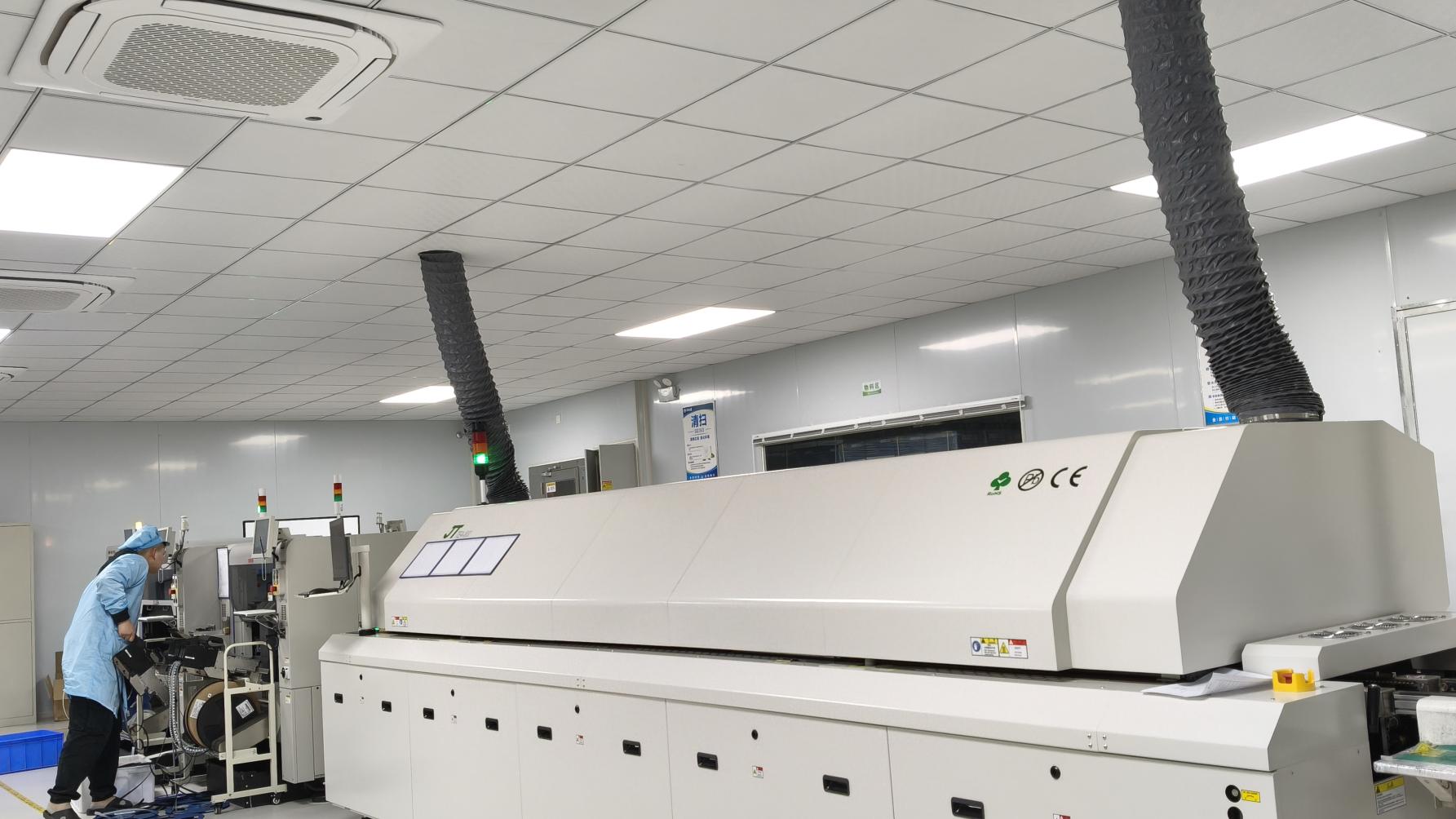
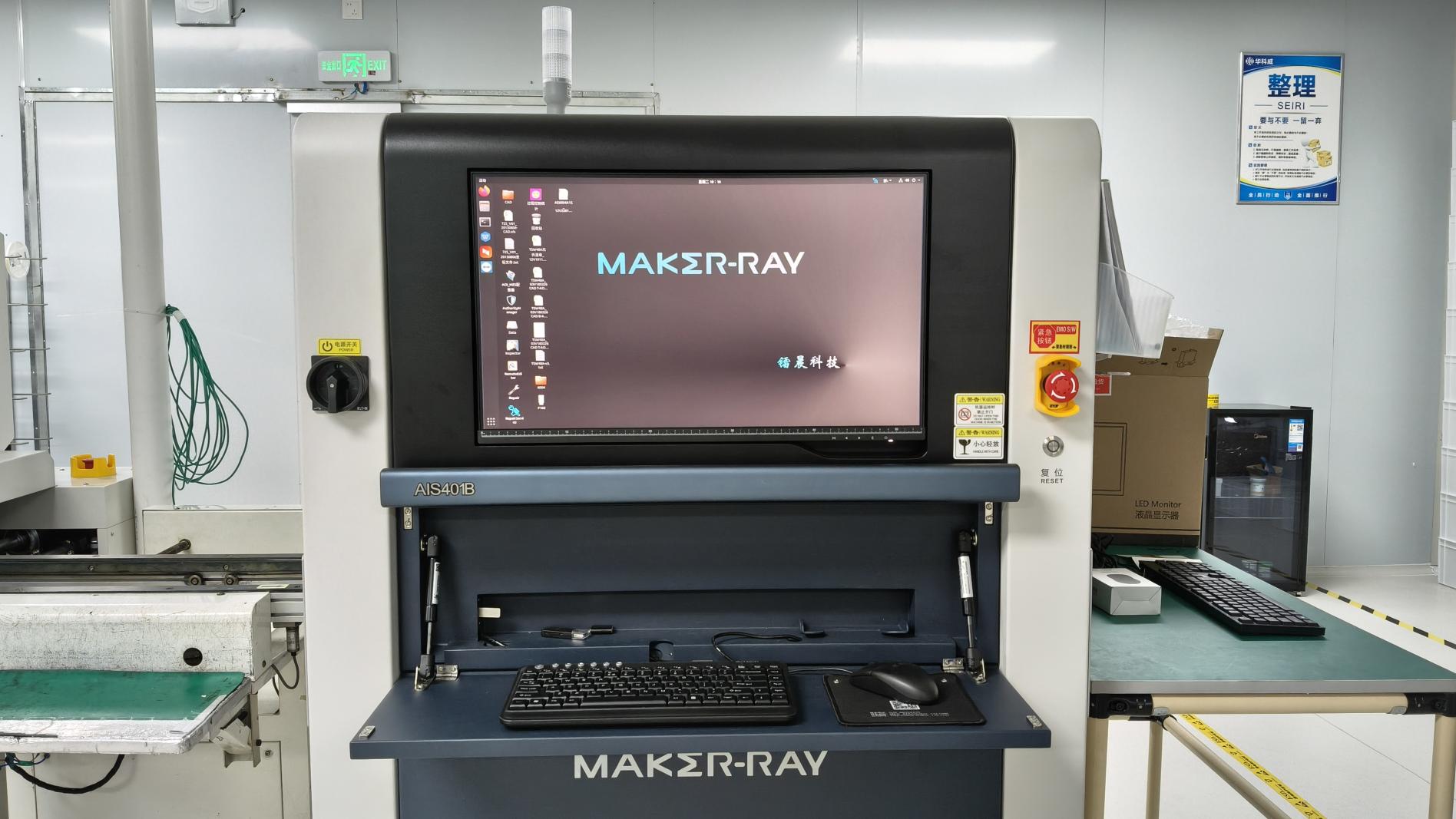
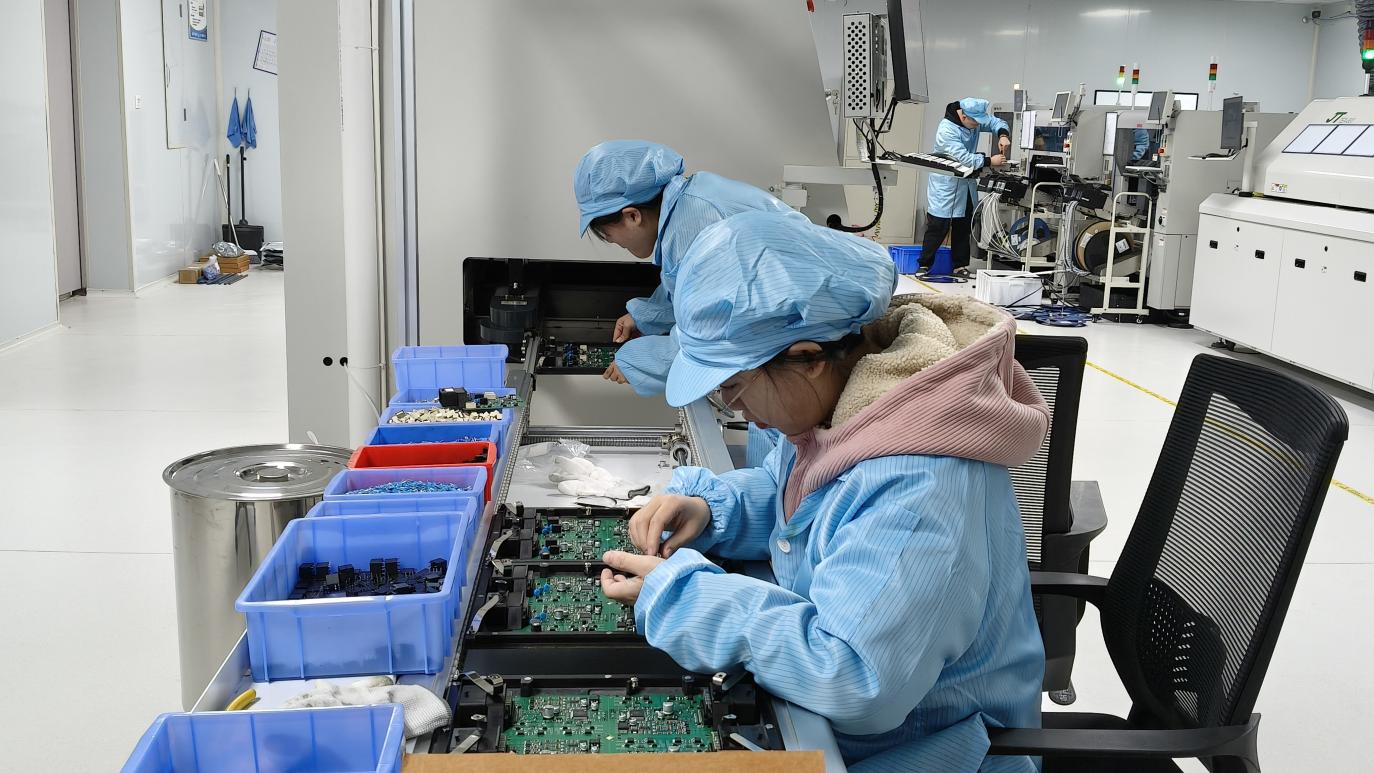
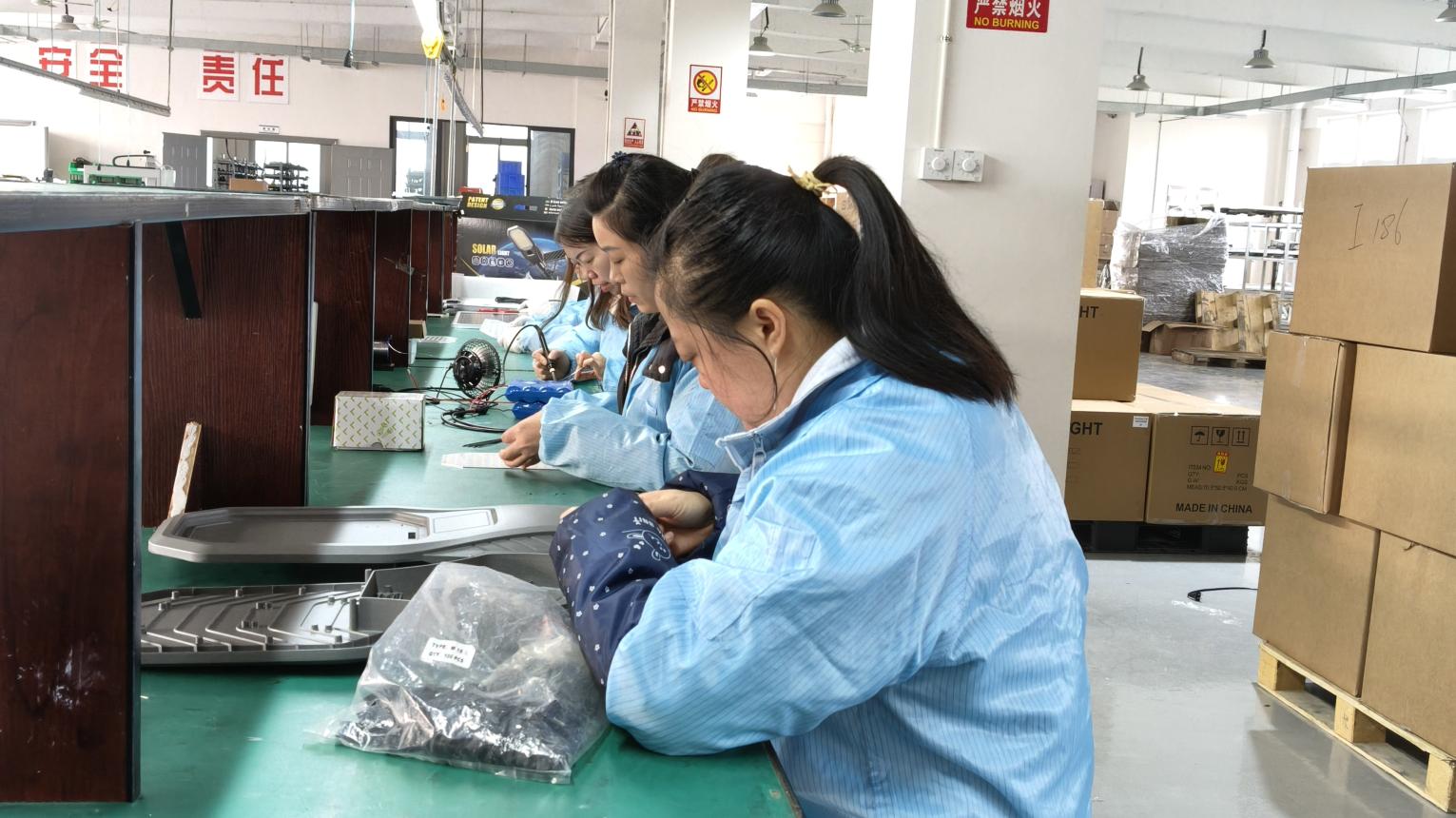
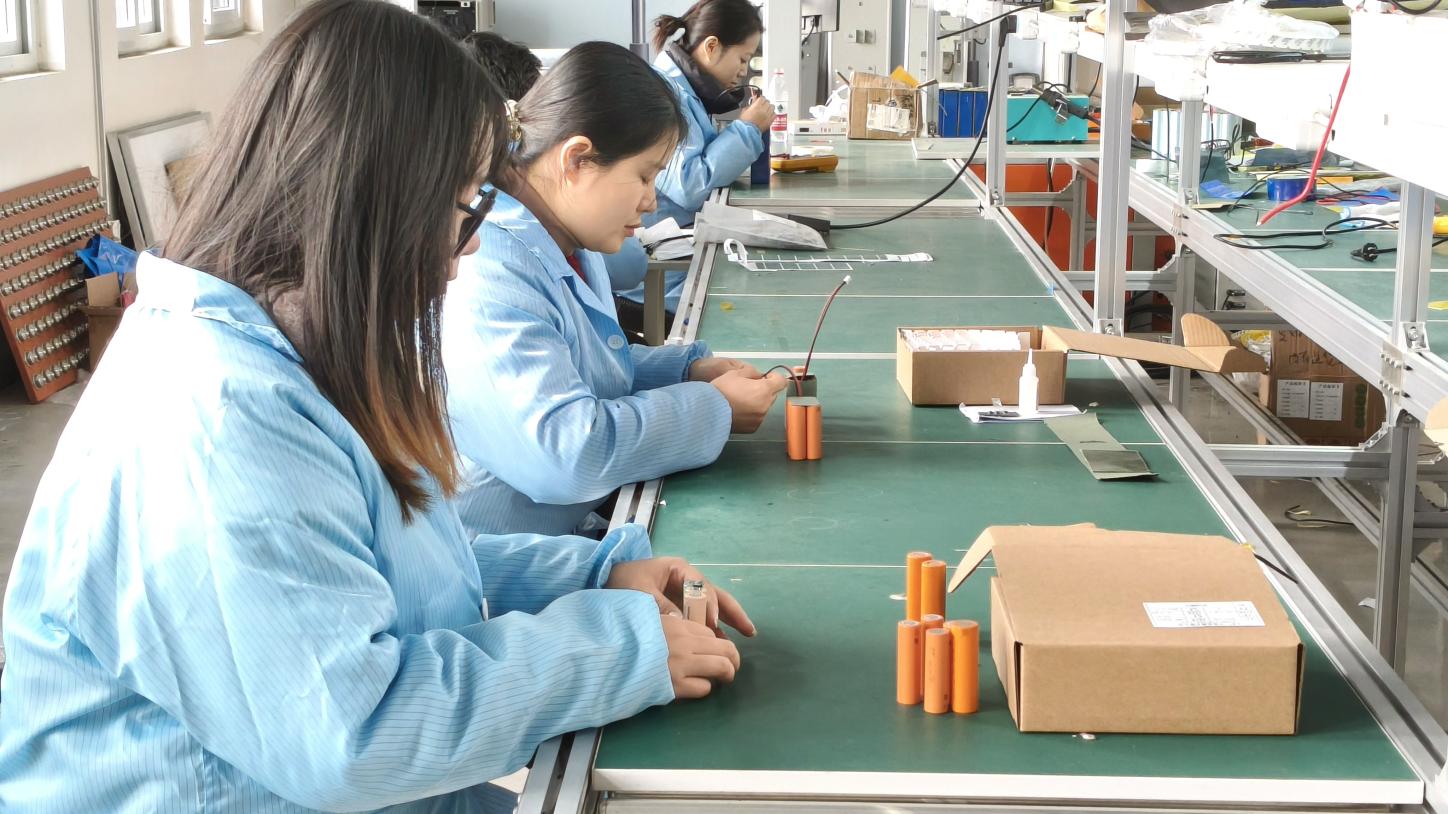
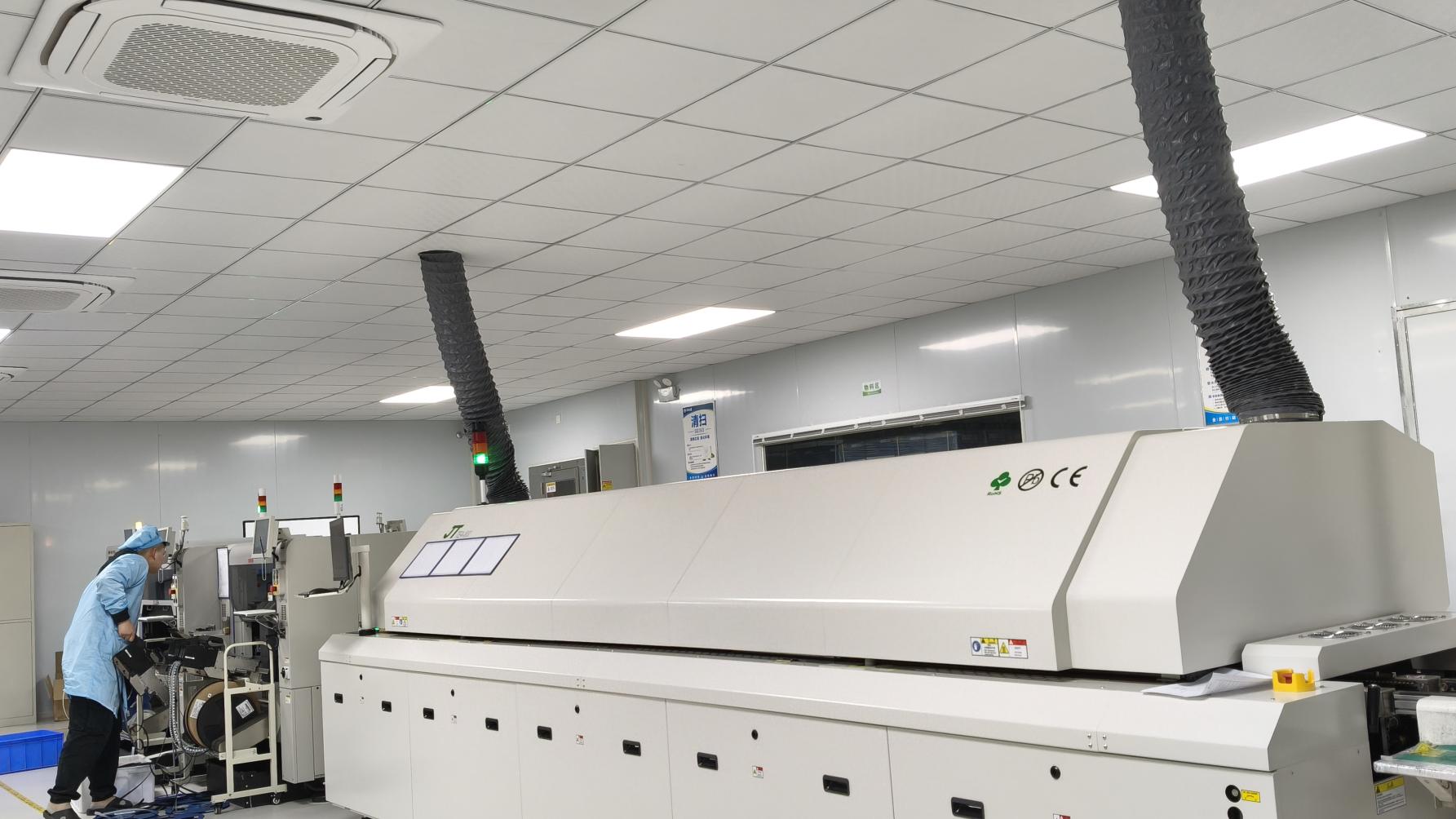
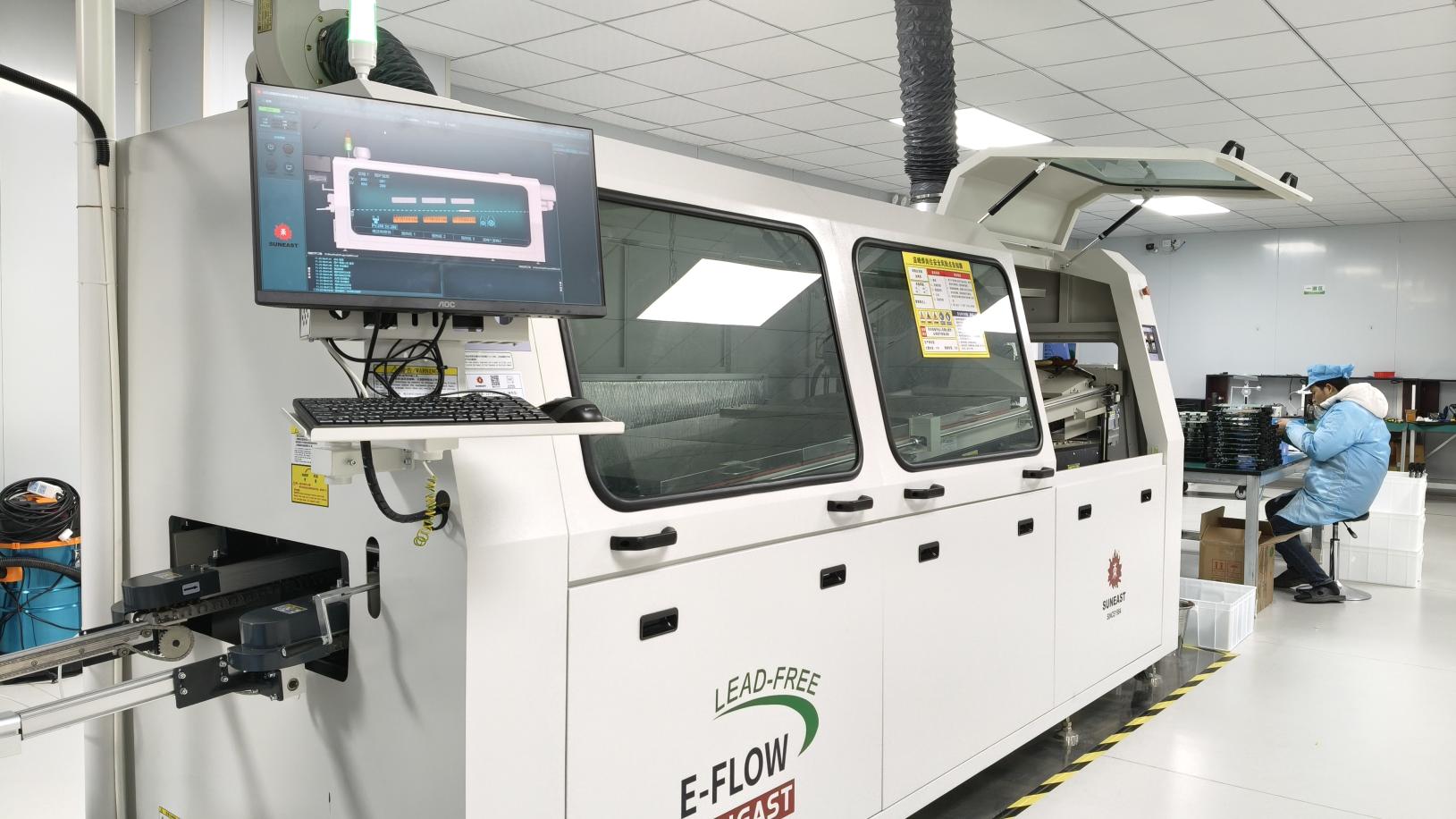
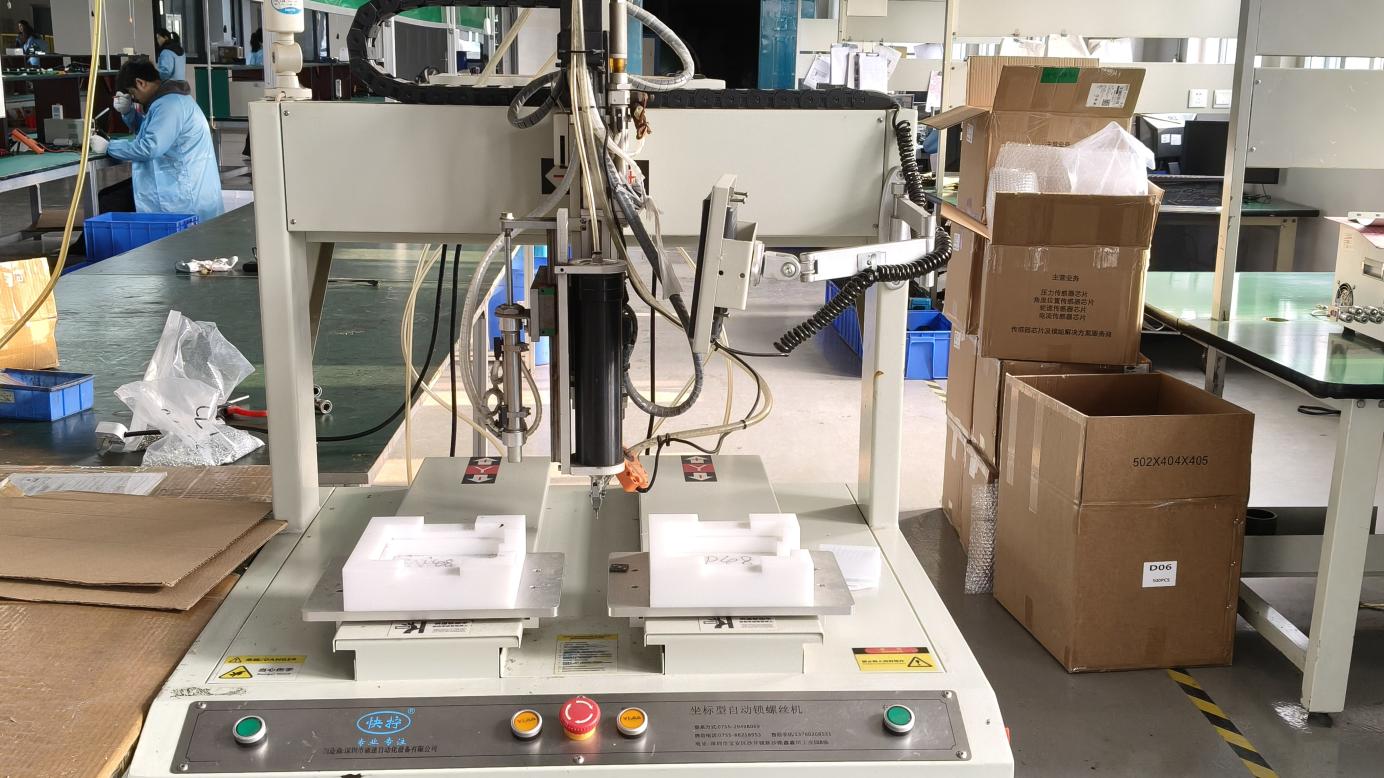
Industry Leading Integration: By combining advanced research and development (R&D) with state-of-the-art automatic surface mount technology (SMT) and structural assembly lines, Zhejiang Lili Light Co., Ltd. delivers standard-setting OEM and ODM configurations designed to meet rigorous global standards including CE, ETL, and RoHS.
Since our formal founding, we have continuously reinvested core capital back into product development, advanced machinery, and systematic quality assurance matrix protocols. Our scientific R&D division constantly refines mechanical, electrical, and optical topologies to keep pace with changing market dynamics. By partnering with leading diode, phosphor, and driver IC manufacturers, Zhejiang Lili Light Co., Ltd. is positioned at the absolute vanguard of solid-state linear lighting technology, supplying dynamic, high-lumen, high-reliability LED systems to active commercial markets across Europe, South America, Southeast Asia, the Middle East, and beyond.
Our automated production workflows guarantee uniform color consistency, superior thermal management, and extended lifetimes.
Understanding the parameters that differentiate enterprise-grade linear systems from consumer-tier products.
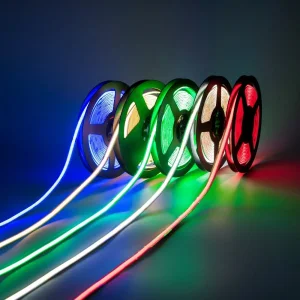
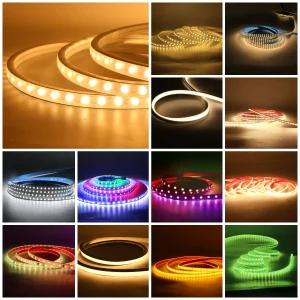
The linear lighting market has experienced a significant evolution from standard SMD arrays to ultra-dense Chip-on-Board (COB) structures. COB technology packages light-emitting diode dies directly onto a flexible printed circuit board (FPC) substrate, sealed under a continuous phosphor polyurethane or silicone encapsulation strip. This approach eliminates the visible dark zones ("dots") associated with standard SMD emitters. As a result, engineers and designers achieve a seamless, continuous linear glow, critical for highly reflective surfaces like polished marble, glass, and metal elements.
A common cause of degradation in flexible LED decorative strips is voltage drop, accompanied by excessive thermal loading along the run. To mitigate this, Zhejiang Lili Light Co., Ltd. utilizes dual-layer rolled annealed copper FPC boards with a thickness of 2oz (ounces) or 3oz. This specification yields a lower internal electrical resistance compared to the cheaper 1oz copper sheets found in generic strips. Consequently, this design minimizes heat accumulation at the joints and extends the operational life of the LED diodes to over 50,000 hours.
| Parameter / Metric | SMD Decorative Strips (Standard) | COB Flexible Strips (Premium) | Smart Addressable IC Strips | ||||
|---|---|---|---|---|---|---|---|
| CRI / Ra Range | 80Ra to 90Ra | 90Ra to 97Ra (R9 > 80) | 80Ra to 95Ra | ||||
| LED Pitch Density | 60 / 120 / 240 Diodes/m | 320 / 480 / 512 / 608 Dies/m | 60 / 144 Diodes/m (Pixel Controlled) | Thermal Interface | Single-sided thin FR4 / FPC | Double-sided 3oz Rolled Copper FPC | Double-sided 2oz Rolled Copper FPC |
| IP Rating Options | IP20 / IP54 (Silicon Spray) | IP65 (Silicone Tube) / IP67 / IP68 | IP65 (Silicone Tube) / IP67 / IP68 | ||||
| Typical Input Voltages | DC 12V / 24V / AC 110V / AC 220V | DC 12V / 24V / 48V (Constant Current) | DC 5V / 12V / 24V |
Achieving uniform color rendering across multiple linear runs requires tight control over color variance. Our automated testing pipeline implements rigorous binning procedures to keep chromaticity variance within 3-step MacAdam Ellipse (SDCM < 3). This guarantees that whether you install our strip lights side-by-side or order a replacement batch twelve months later, the color temperature (e.g., 3000K Warm White or 4000K Neutral White) remains consistent, without visible shifts.
How architects, project contractors, and lighting integrators utilize our systems in complex environments.
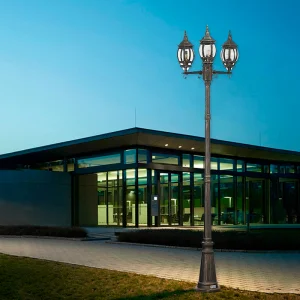
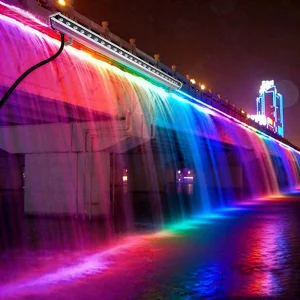
Outdoor facades require robust protection against moisture, UV radiation, thermal expansion, and mechanical stress. Our co-extruded silicone LED strips feature IP67 and IP68 ratings. They resist yellowing under intense sun exposure and maintain structural integrity in sub-zero environments, making them suitable for bridge, tower, and plaza accent lighting.
Modern hotels, restaurants, and entertainment venues rely on dynamic atmospheres. Using addressable digital IC technologies (such as WS2811, WS2812B, and DMX512 controls), lighting designers can program responsive light patterns, color flows, and auditory-synchronized effects that integrate directly with broader building management systems (BMS).
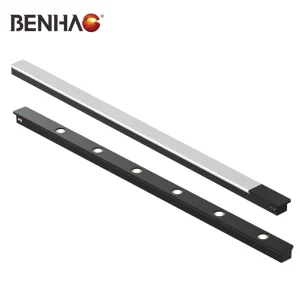
High CRI linear lighting is essential for showcasing retail merchandise. By utilizing high-density COB strips with a CRI > 95, colors appear natural and saturated. Additionally, our magnetic track and low-profile extrusion profiles integrate into cabinetry, display cases, and shelving, providing focused illumination without cluttering the display space.
Leveraging regional component ecosystems, automated workflows, and efficient logistics for global distribution.
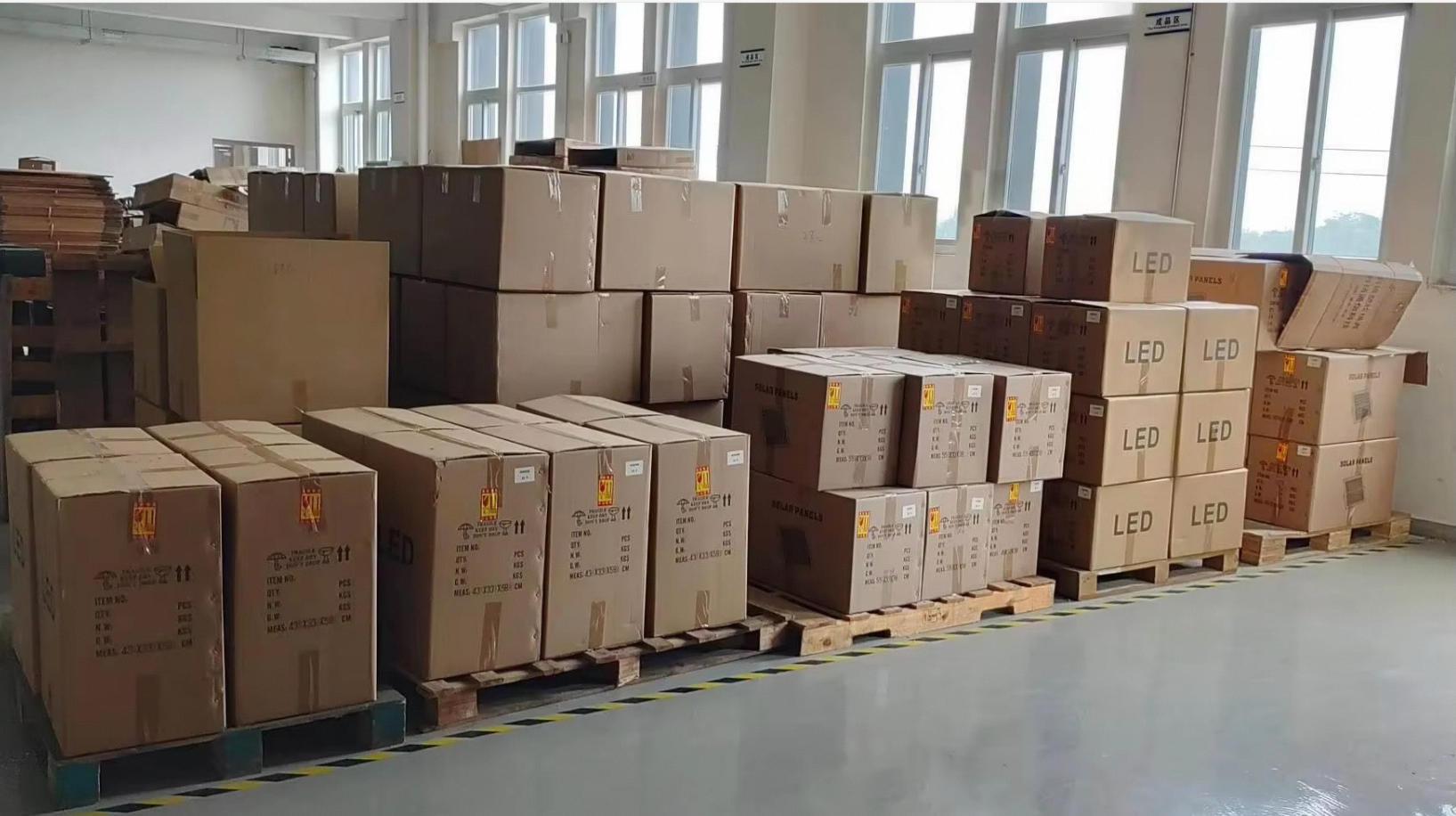
The production of premium LED decorative strips depends on a reliable supply of raw materials and precision components. Located in Zhejiang's advanced industrial manufacturing hub, Zhejiang Lili Light Co., Ltd. benefits from proximity to a dense network of suppliers. We source raw silicone, pure copper FPC substrates, high-brightness LED chips, and packaging materials from trusted partners situated within a 100-kilometer radius. This geographic cluster reduces transport delays, minimizes logistics costs, and allows our production facilities to adapt quickly to volume adjustments.
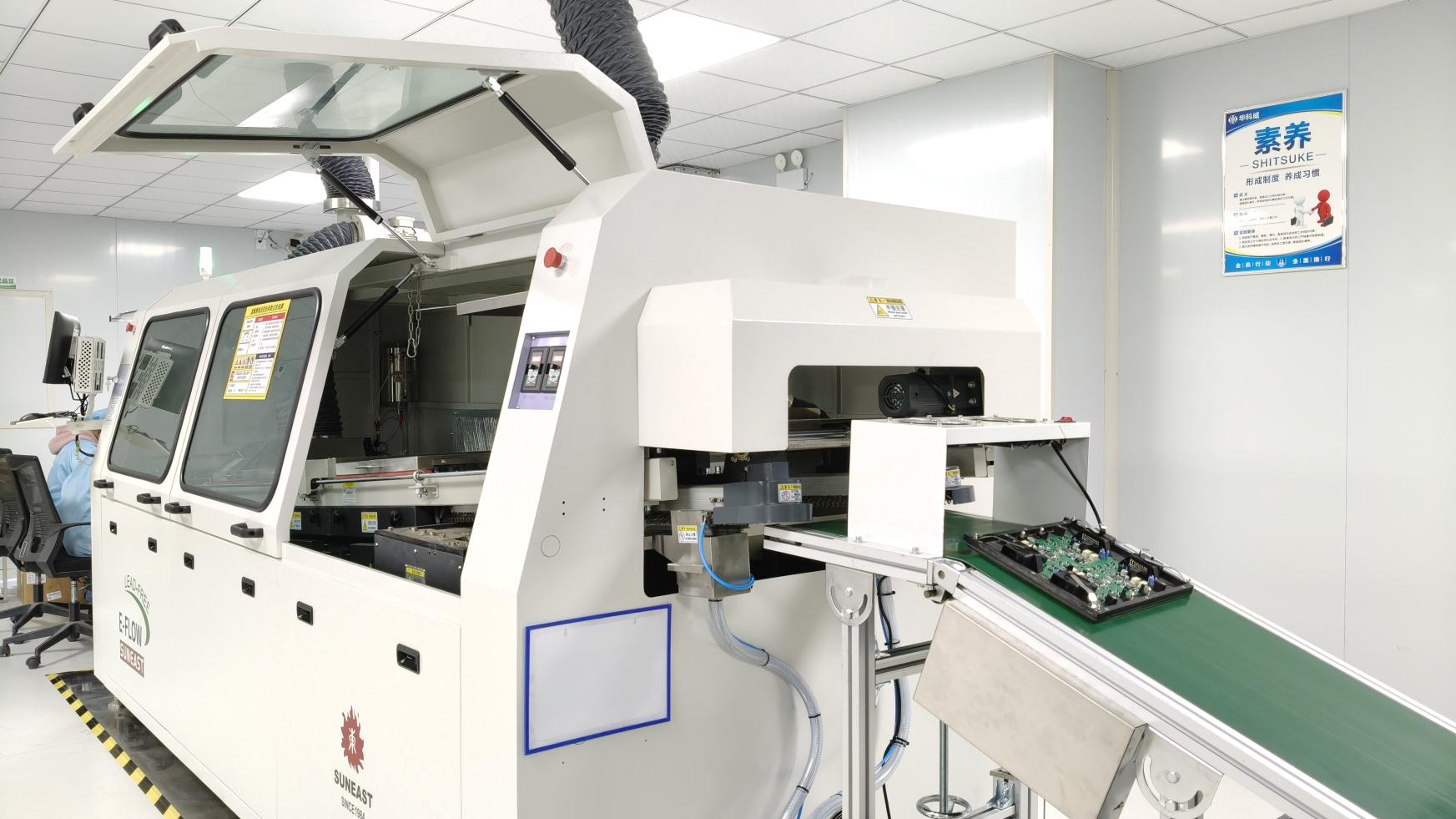
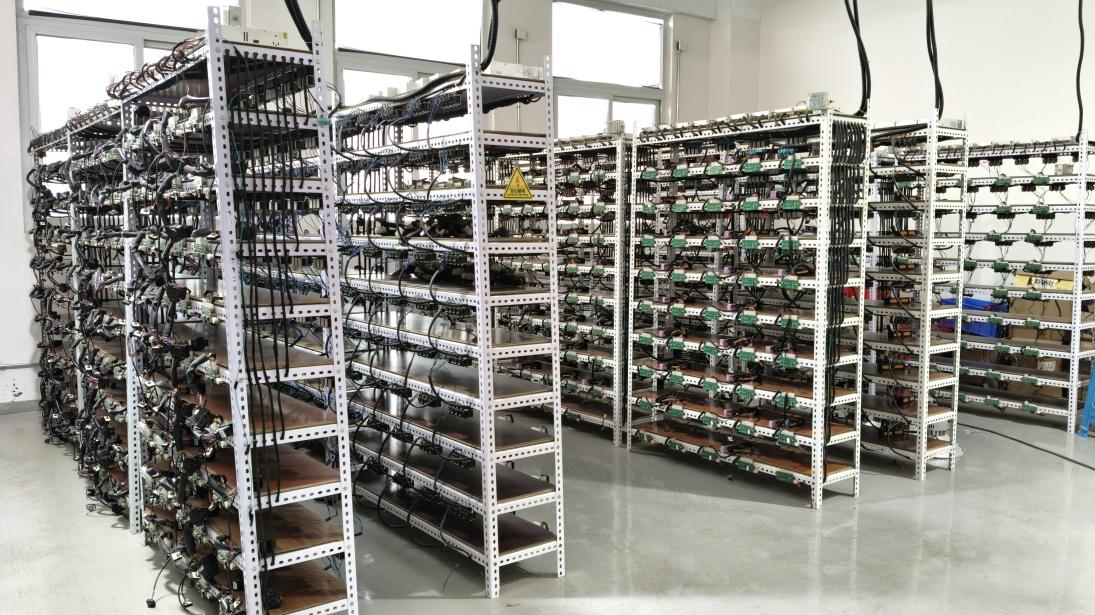
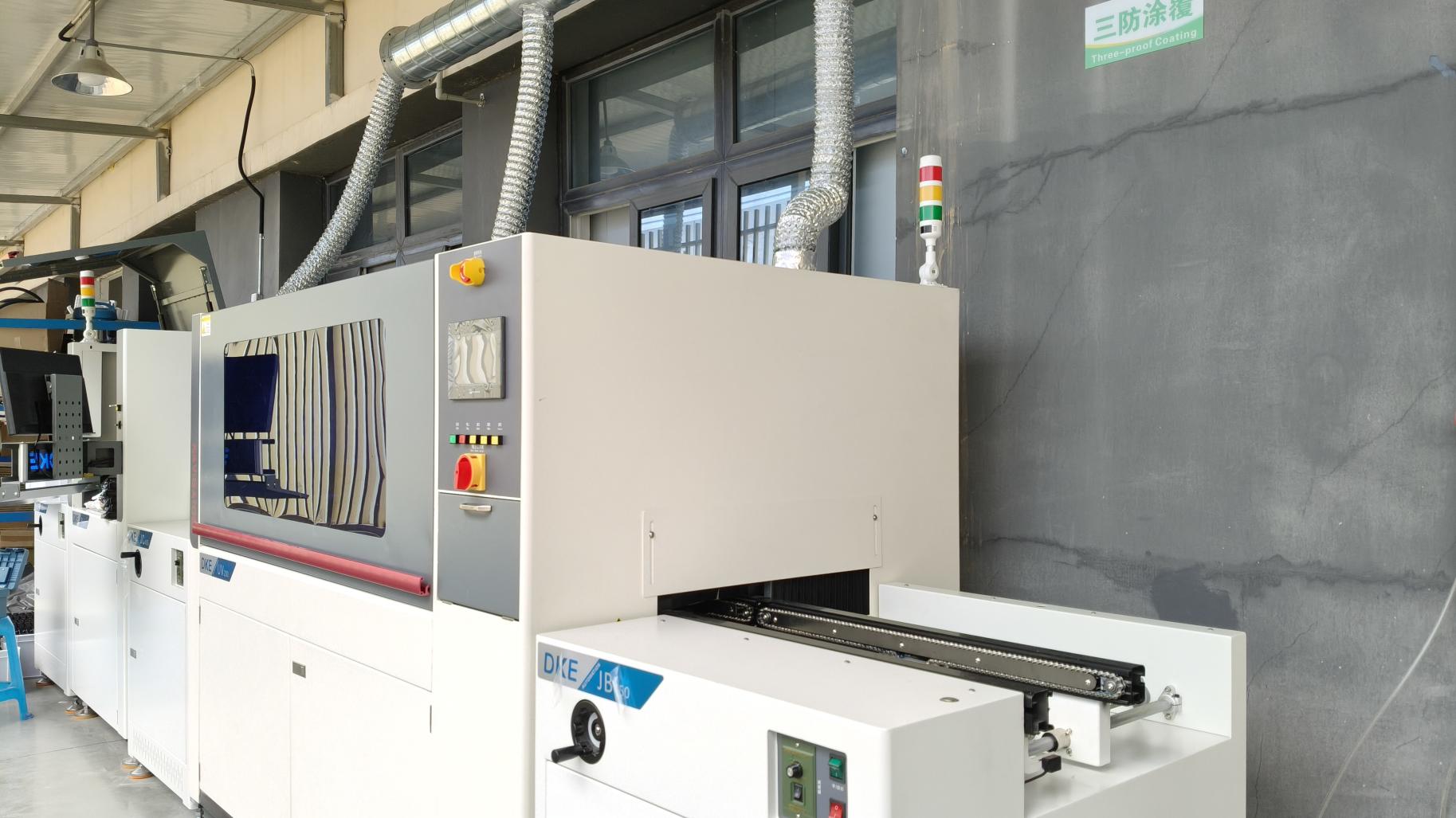
Continuous Production & Testing: Our automated facility runs 24 hours a day, supported by high-speed SMT lines, automated wave soldering, and conformal coating lines. This integration allows us to offer shorter lead times on large wholesale orders and custom OEM projects than competitors in regions lacking a complete optoelectronic supply chain.
As energy efficiency and building regulations tighten worldwide, the lighting industry is shifting toward higher-efficacy products. Our research roadmap focuses on raising system efficiency past 140 lm/W while keeping the Color Rendering Index above 90Ra. Additionally, we are developing smarter, driverless AC linear strips and multi-channel tunable white COB configurations. These systems allow users to adjust color temperatures between 2700K and 6500K, supporting circadian lighting concepts that promote well-being in residential, corporate, and healthcare environments.
Our products meet international regulatory codes for safety, environmental design, and performance.
Compliance with regional regulatory frameworks is essential for international builders, contractors, and importers. Zhejiang Lili Light Co., Ltd. maintains a complete quality assurance workflow that tracks materials from intake through to the final packaging stage. Our testing procedures evaluate thermal limits, dielectric resistance, ingress protection, and electromagnetic interference (EMI) to ensure every batch complies with international standards.
Our standard product range carries certifications for major markets: CE, RoHS, and ETL. These certifications ensure our lighting fixtures meet safety and environmental standards, simplifying building inspections and reducing liability. Additionally, we offer custom customization services to align products with regional building codes. This includes supplying low-smoke zero-halogen (LSZH) cables for public transit projects or adjusting driver configurations to handle fluctuating electrical grids in developing areas.
Expert answers to common questions about selecting, installing, and customizing LED decorative strips.
Professional-grade linear lighting systems and fixtures for indoor and outdoor projects.
 Lili Light