Explore our top-tier solid-state lighting arrays, engineered with dynamic thermal path technology, premium heat sinks, and advanced drivers for maximum architectural and industrial efficiency.
In the domain of commercial and municipal lighting, the efficiency and lifespan of high-power LED arrays are defined not by their optical chips, but by their thermal dissipation capabilities. High junction temperature ($T_j$) accelerates lumen depreciation, causes color shift, and induces premature driver failure. For engineers and corporate procurement directors, partnering with a supplier that maintains strict quality controls over the thermal path is the single most critical factor in securing return on investment.
Operating temperature directly affects the semiconductor bandgap of the LED. When heat is trapped inside the fixture, the quantum efficiency drops, resulting in fewer lumens per watt. In worse cases, excessive thermal stress causes physical shear on the microscopic gold bonds within the packaging, leading to catastrophic open-circuit failures.
To prevent these thermal barriers, modern LED fixtures rely on optimized Metal Core Printed Circuit Boards (MCPCBs), high-conductivity Thermal Interface Materials (TIMs), and aerodynamic aluminum alloy heat sinks (such as 6063-T5 extruded profiles). Effective air paths must be created to allow heat dissipation via passive convection, ensuring the junction temperature stays safely below 85°C even under harsh continuous-duty applications.
As a premier Chinese manufacturer, Zhejiang Lili Light Co., Ltd. has engineered advanced heat dissipation paths across its entire product catalog—from low-profile residential downlights to architectural outdoor 3D flexible washers and integrated IoT solar streetlights.
China represents over 80% of the global LED manufacturing infrastructure, driven by unparalleled supply chain integration. In regions like Zhejiang, the complete production ecosystem is clustered within a 50-mile radius. This enables rapid sourcing of premium raw materials: high-grade aluminum ingots, high-transmittance optical lenses, flame-retardant silicone compounds, and precision driver capacitors.
This proximity reduces lead times for complex custom molds (OEM/ODM projects) from months to weeks. Additionally, Chinese manufacturers have implemented deep vertical automation, minimizing human error while maintaining competitive unit costs.
Furthermore, the proximity to component suppliers means that modifications in structural and thermal layouts can undergo swift prototyping and thermal validation cycles. At Zhejiang Lili Light Co., Ltd., we combine this manufacturing efficiency with international testing compliance, providing cost-effective luminaires without sacrificing materials or design.
For global entities, sourcing directly from a vertically integrated factory guarantees transparency. Clients receive comprehensive product tracking, raw material certifications, and batch consistency, which are crucial for large infrastructure rollouts.
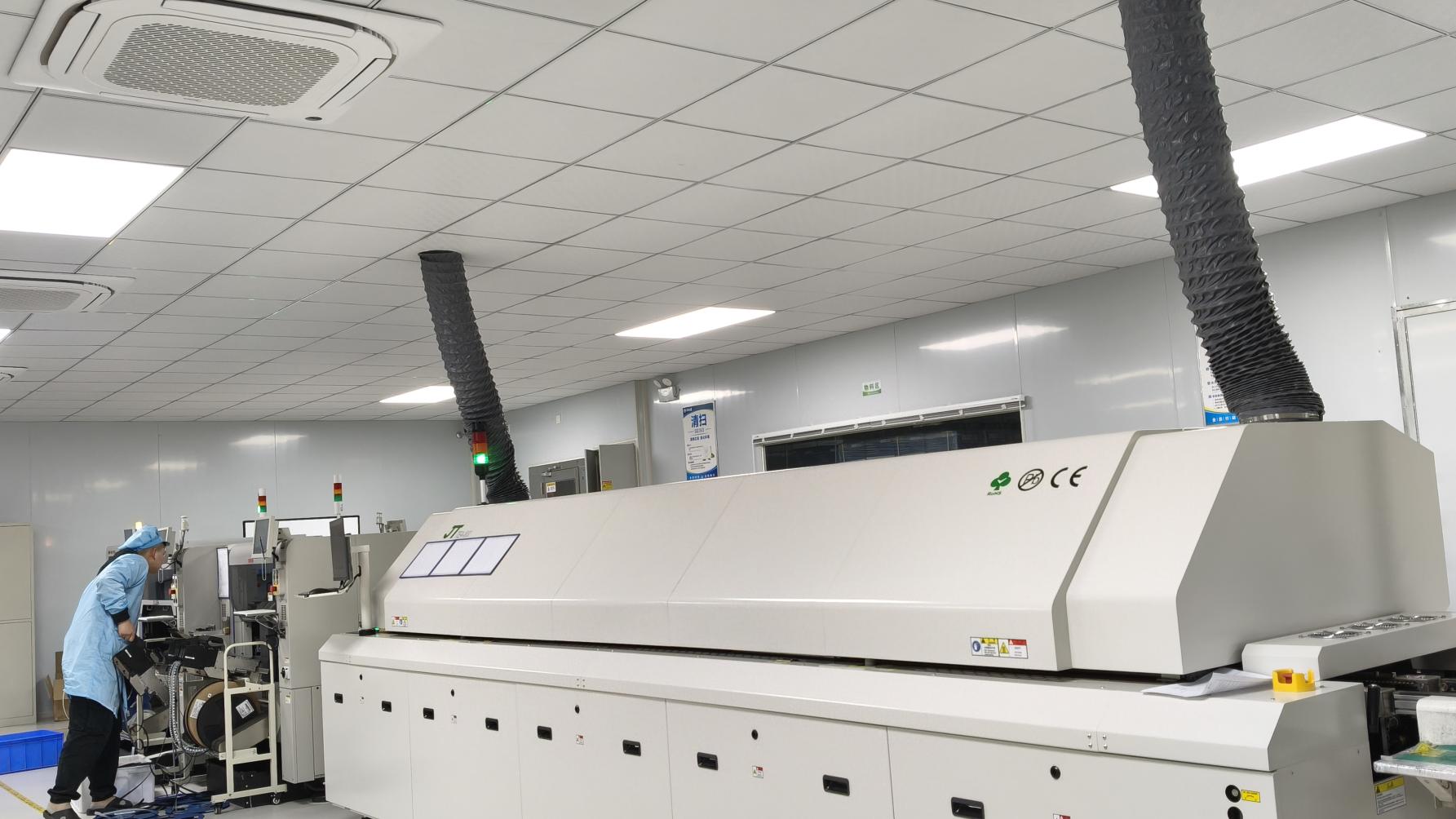
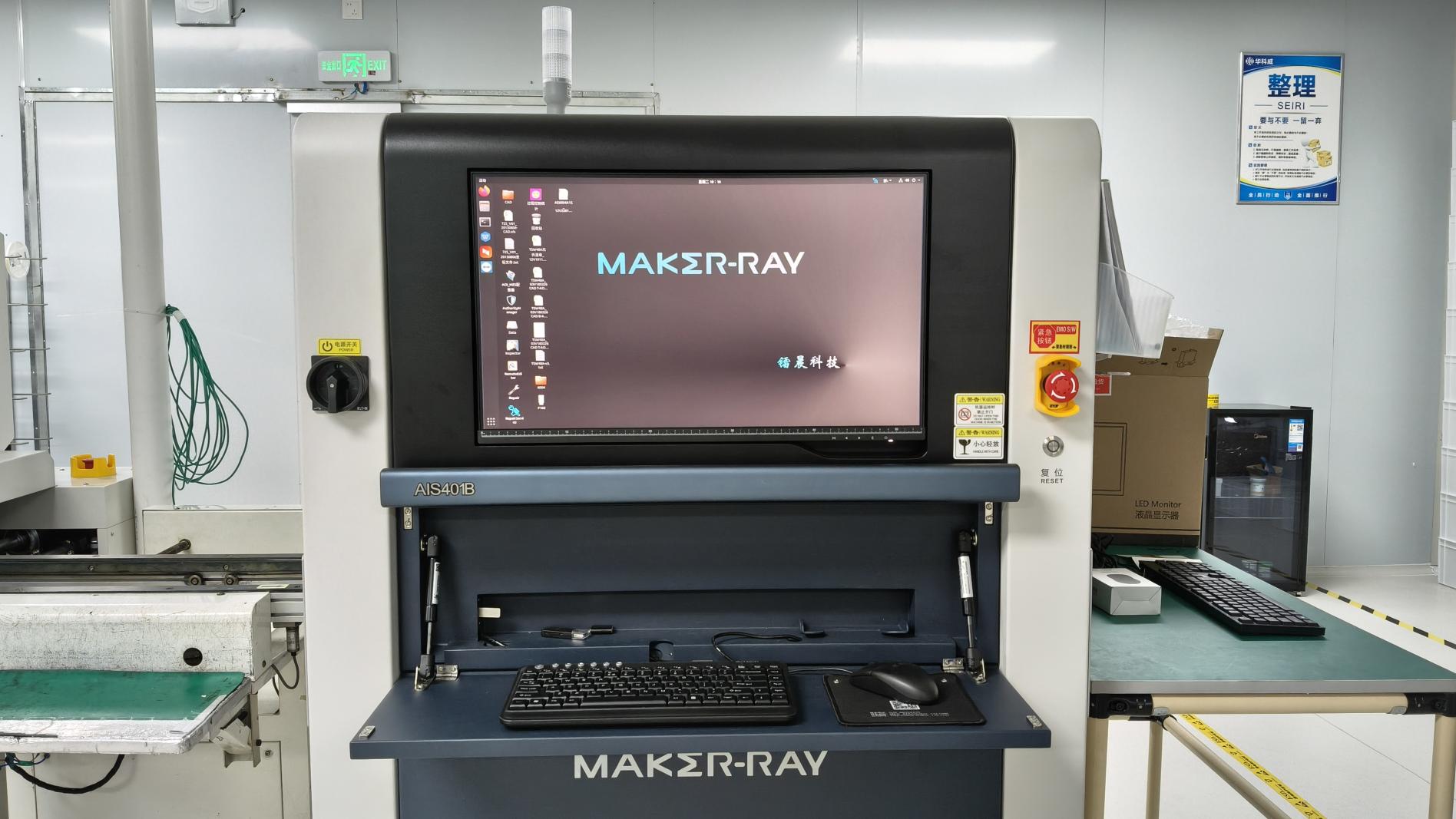
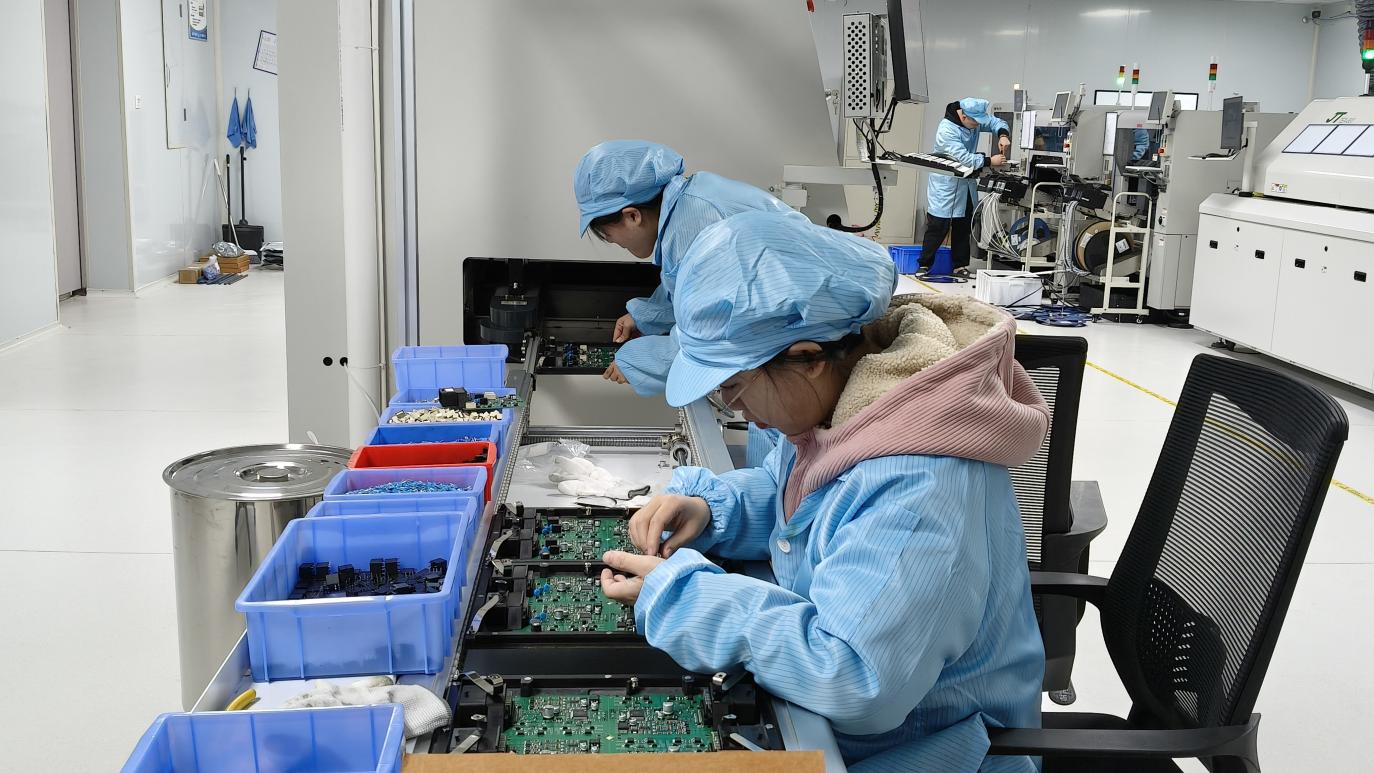
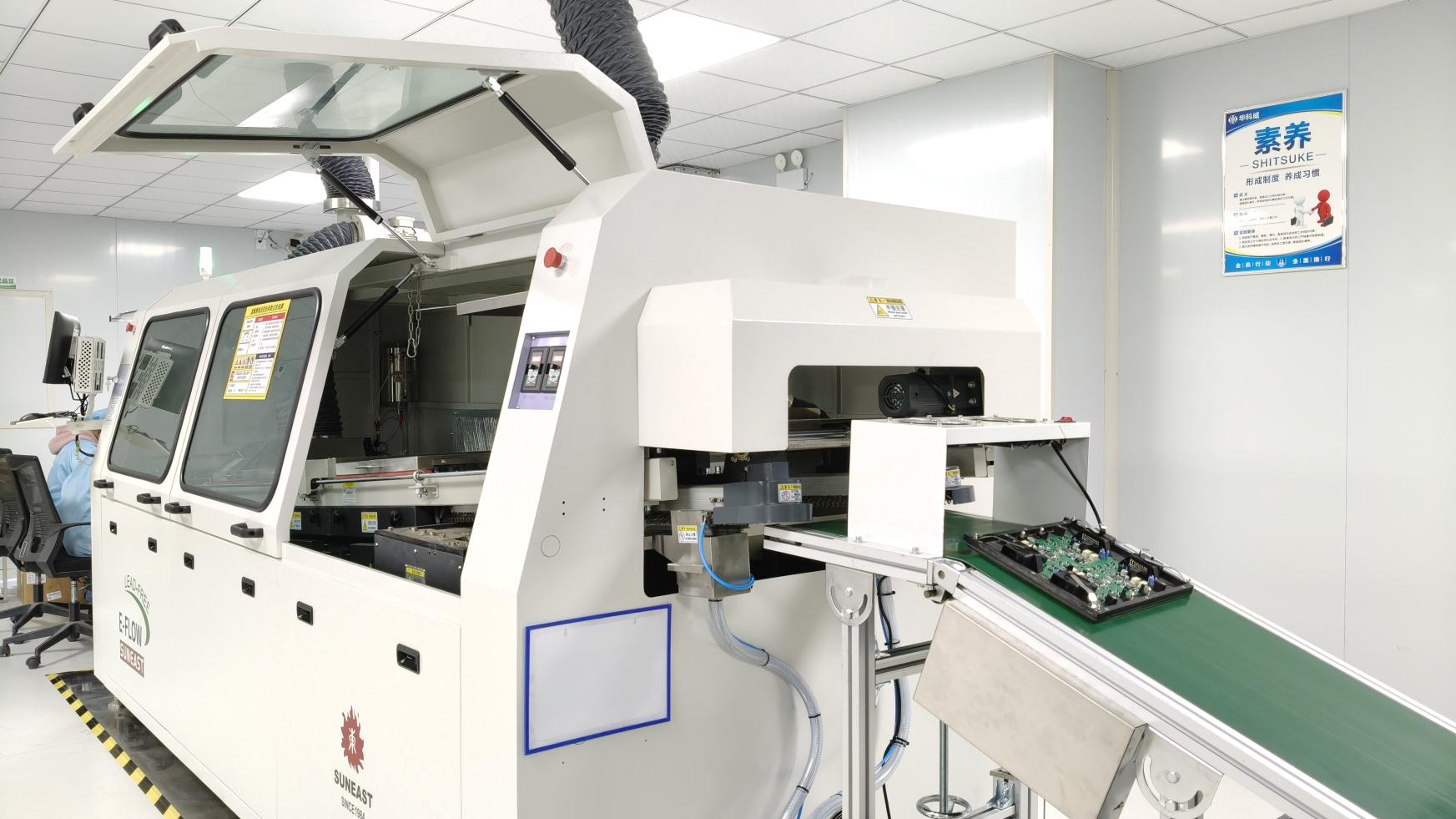
Zhejiang Lili Light Co., Ltd. operates a highly standardized, vertically integrated factory floor. Below is our key production layout, from SMT component placement to multi-stage environmental and thermal stress testing.
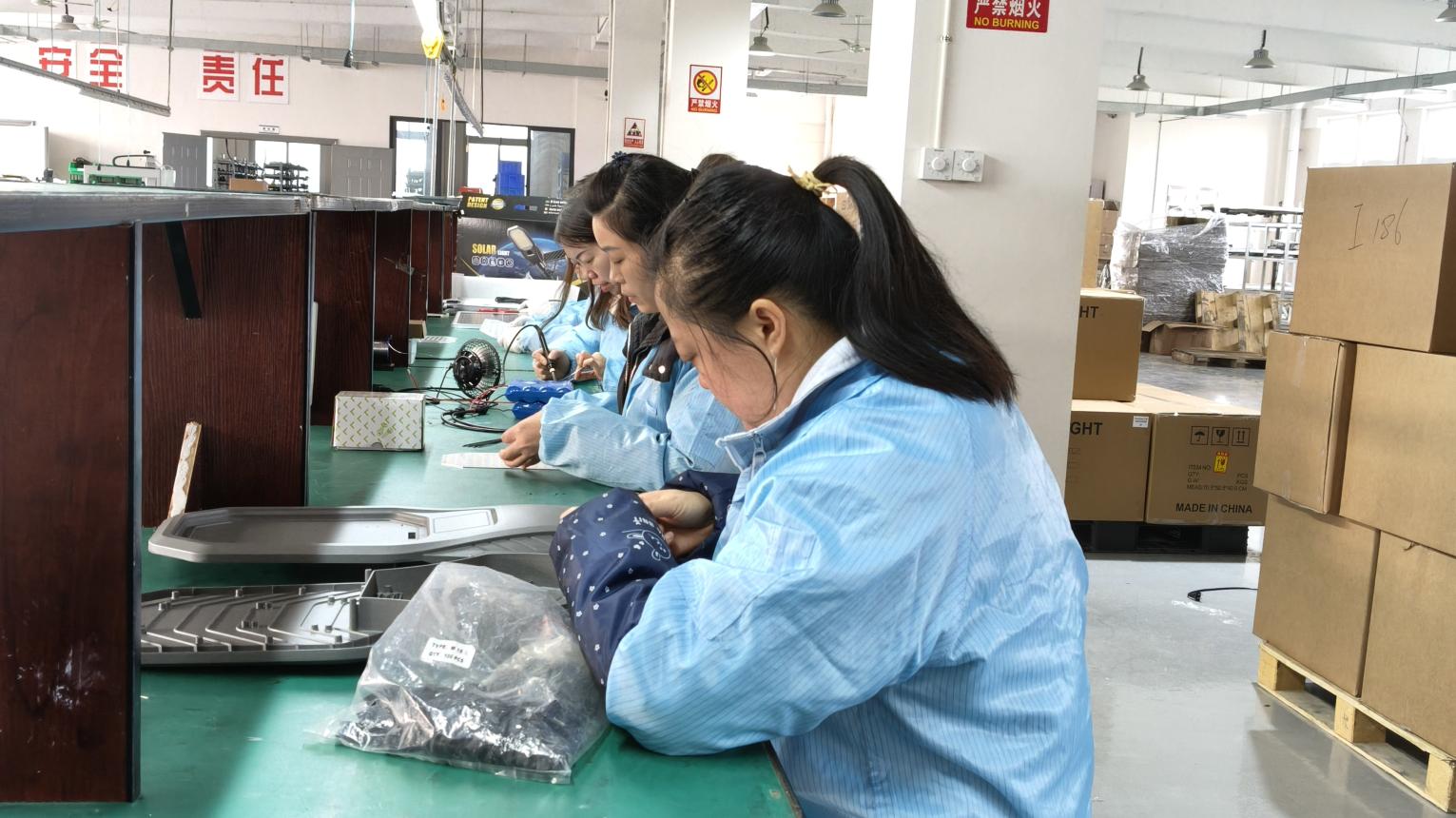
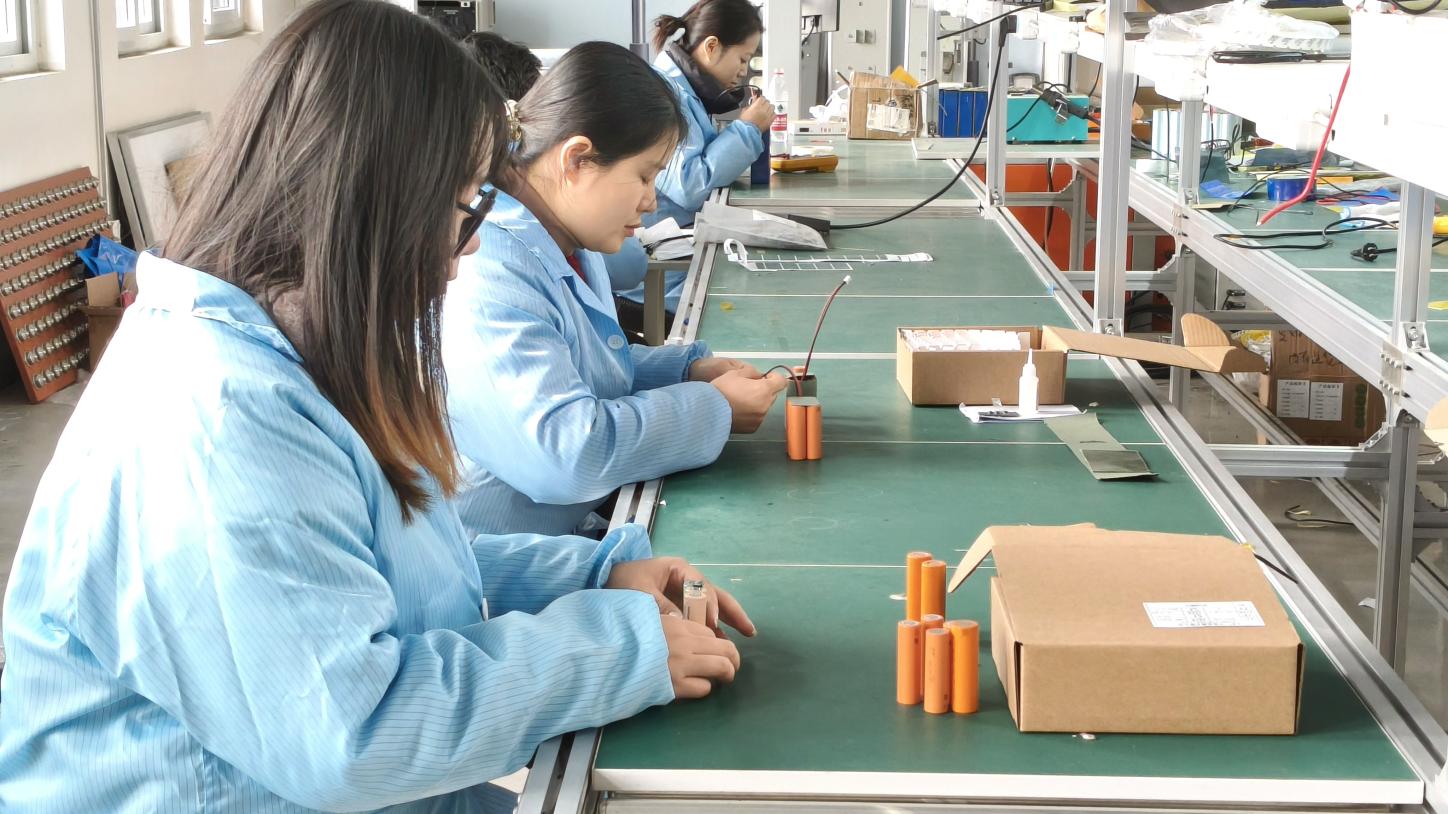
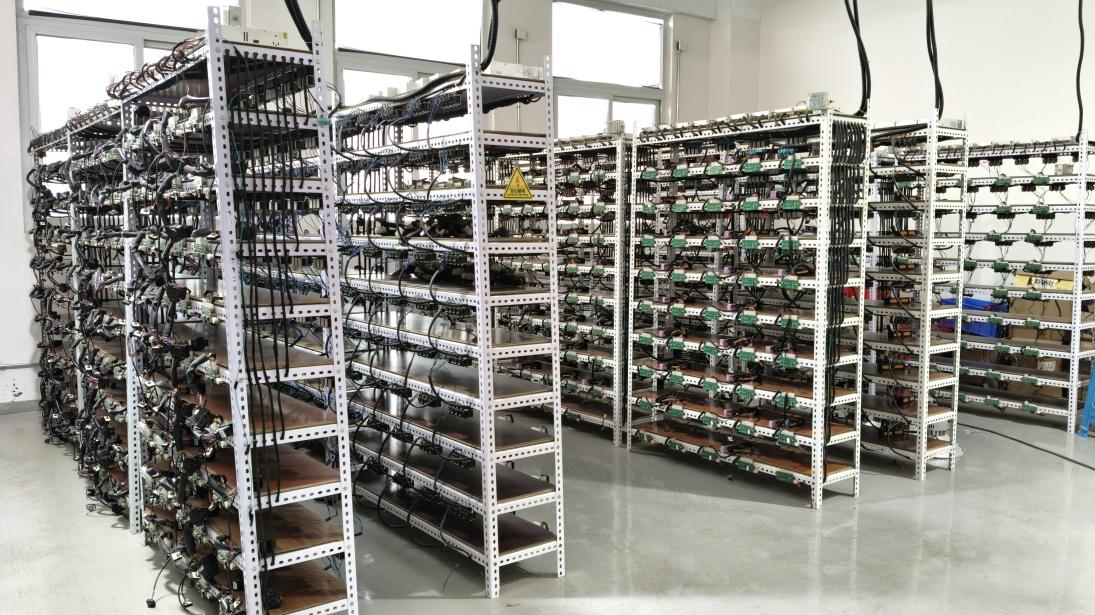
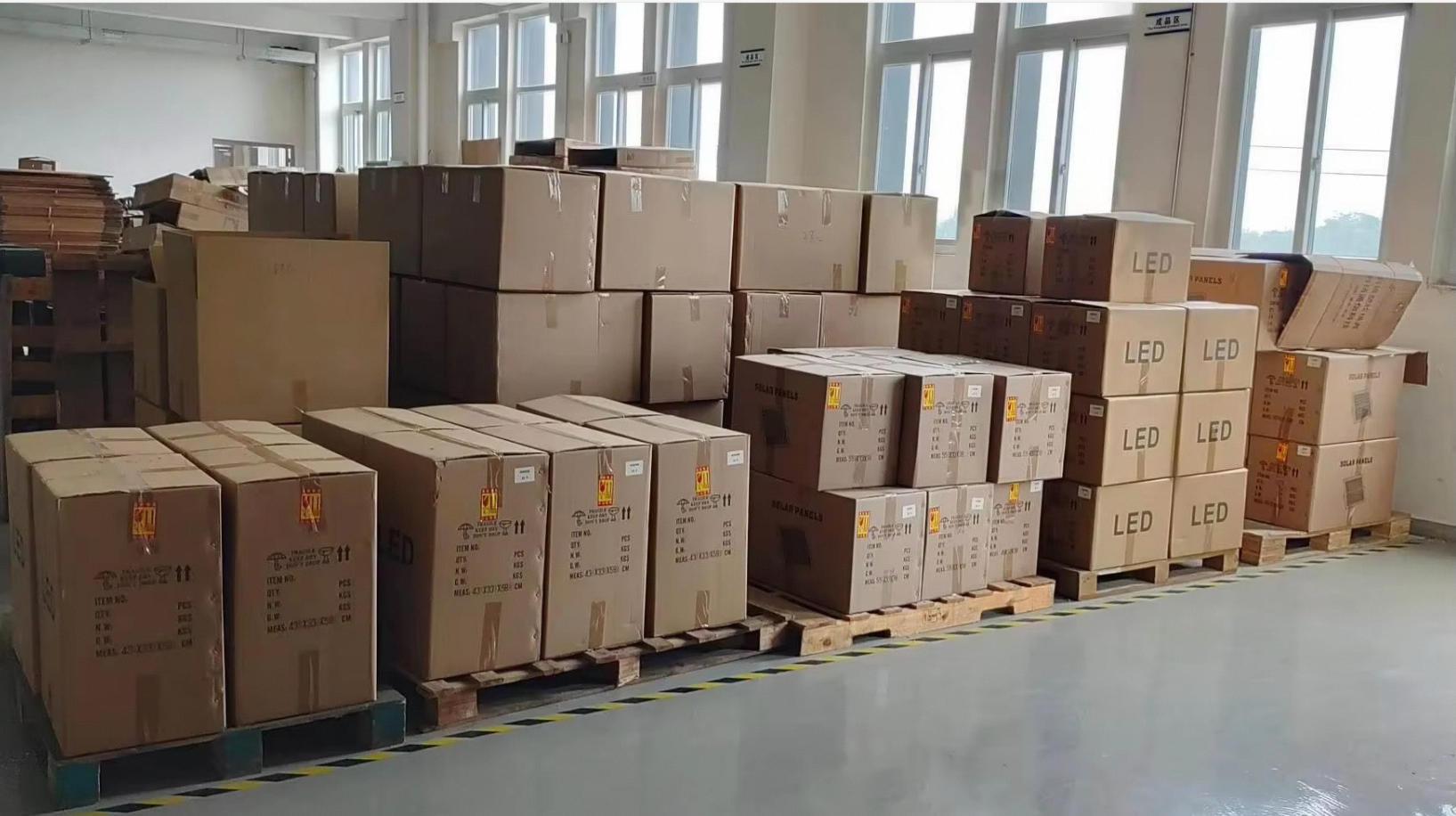
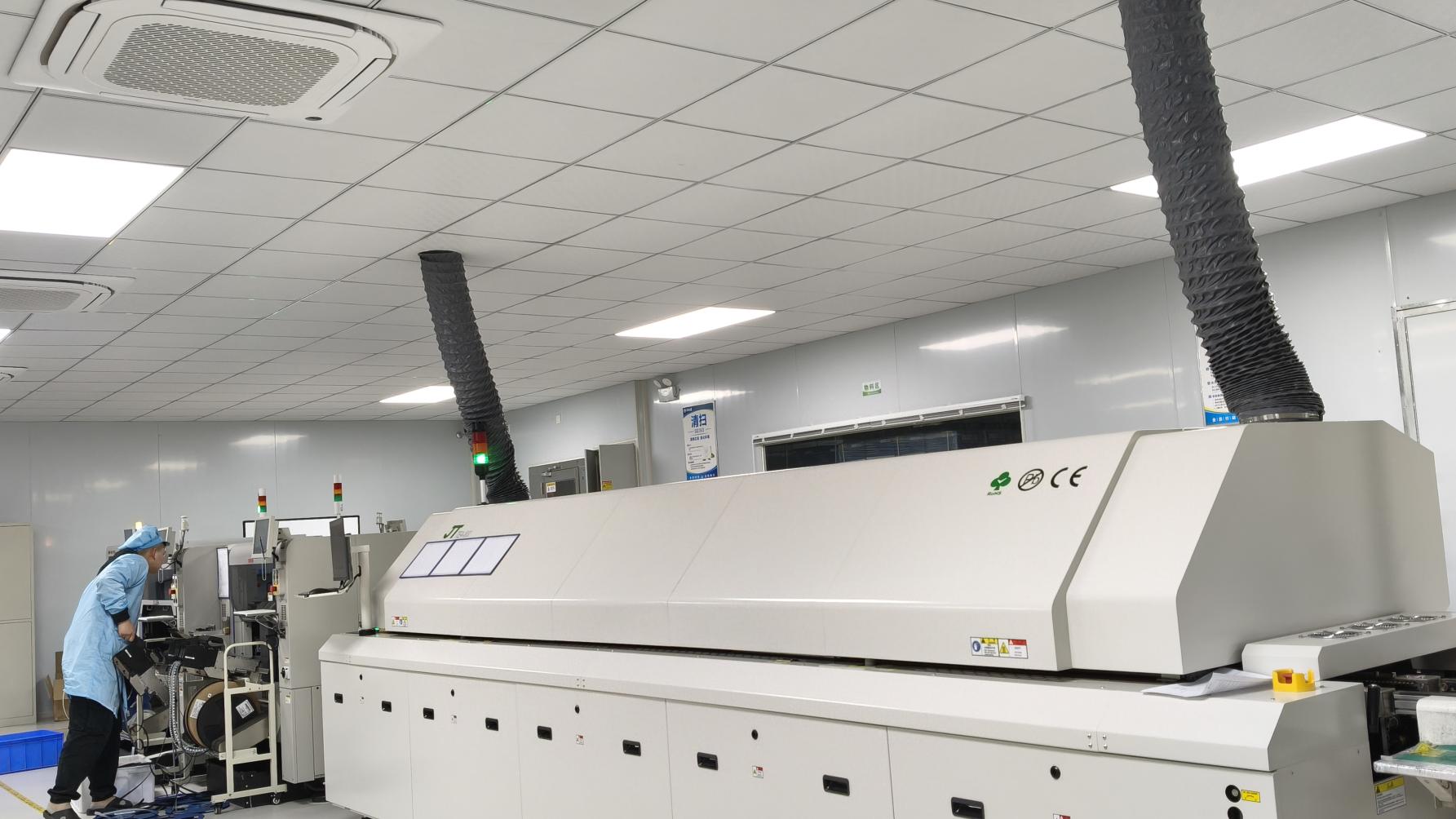
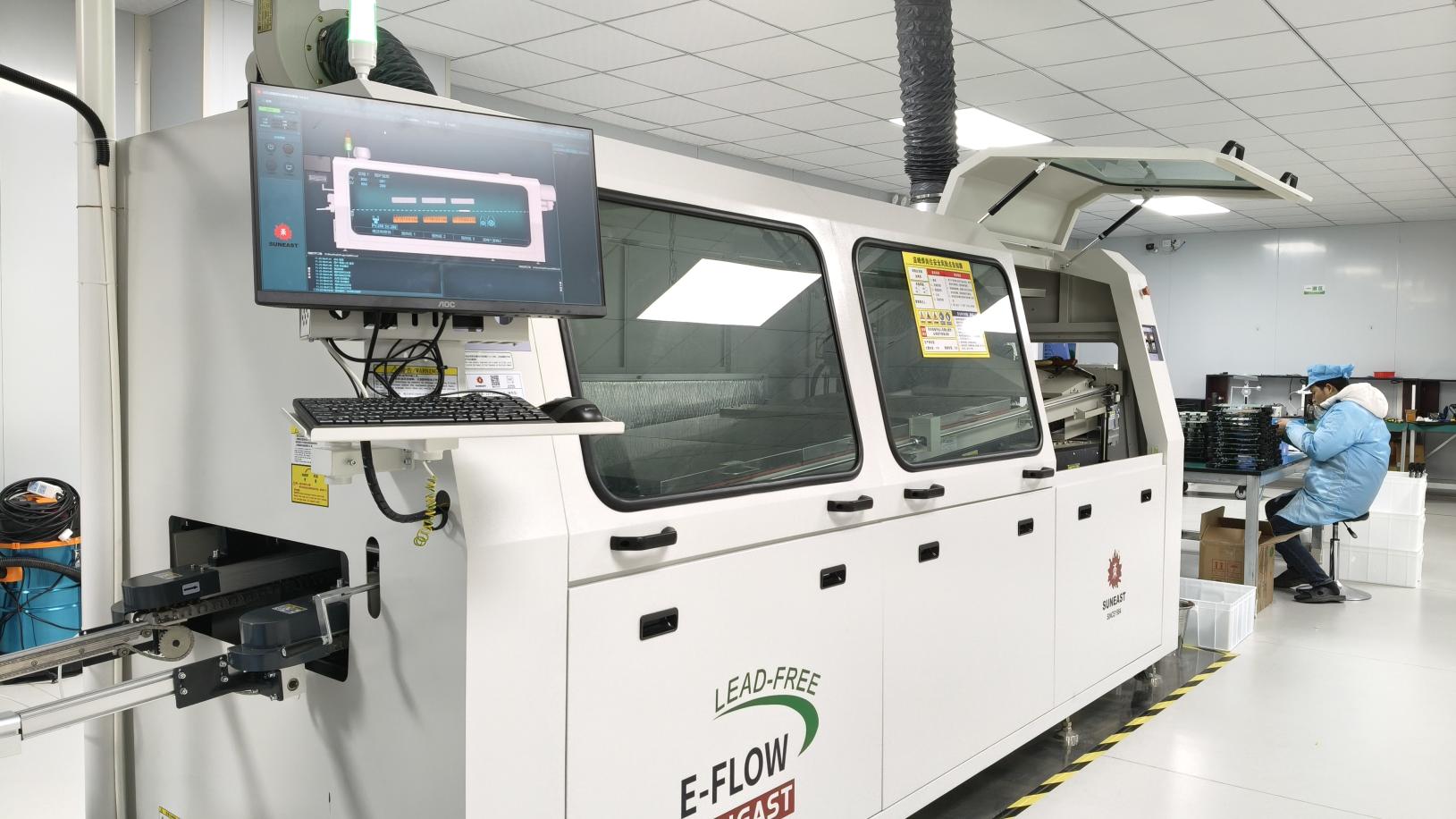
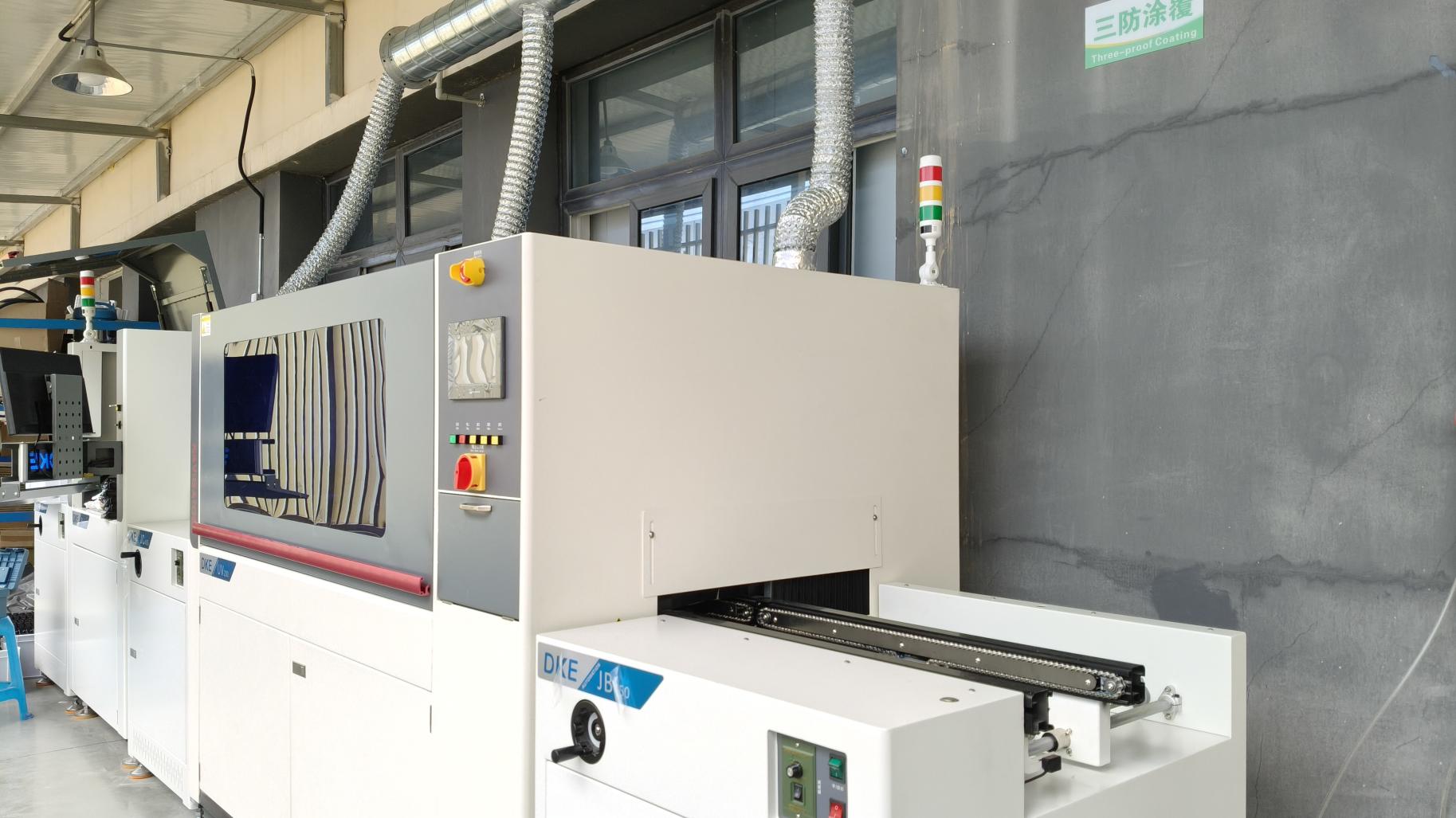
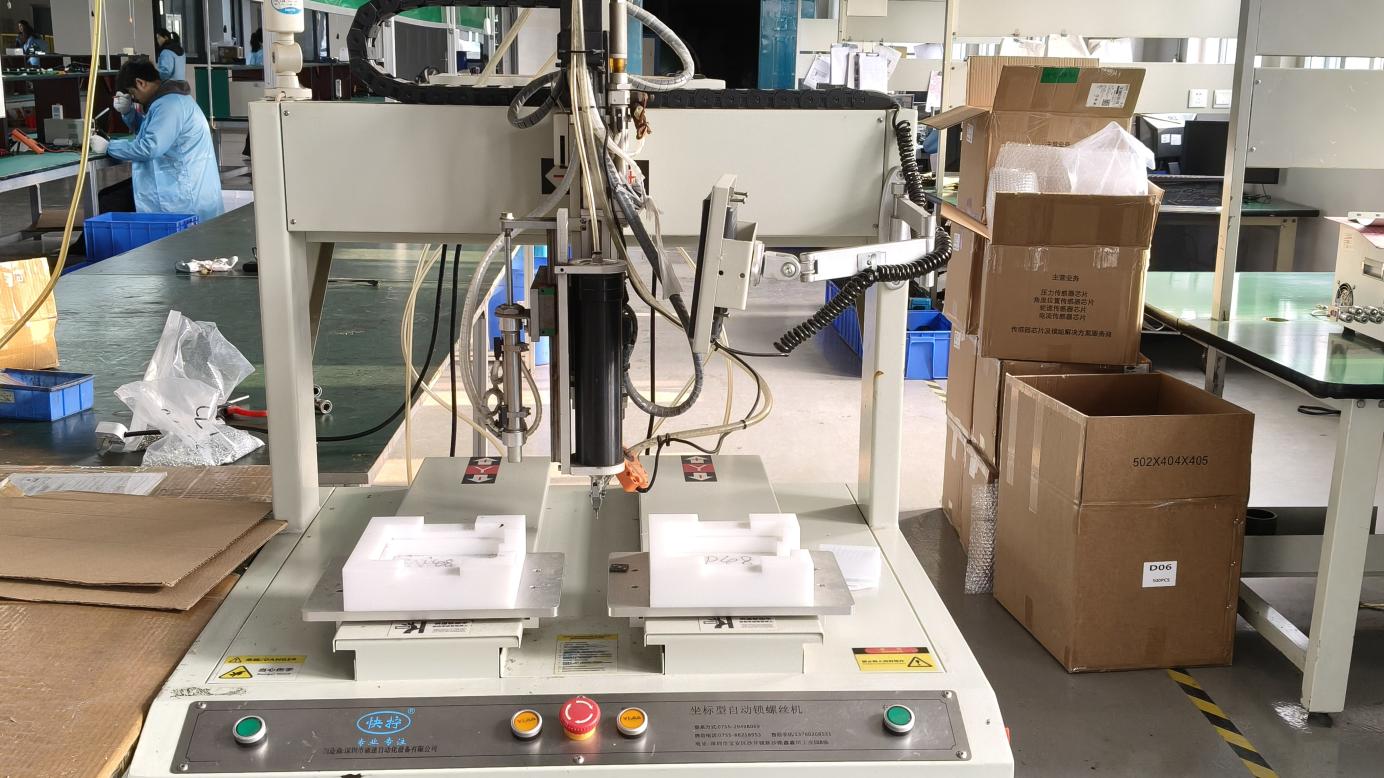
Procuring industrial lighting for large-scale deployments requires adherence to regional and international safety regulations. Products shipped to the European Union must bear the CE Mark, and comply with the RoHS and WEEE directives to ensure no hazardous substances are used. For North American projects, UL/cUL listings or ETL certifications are essential to pass municipal building and safety inspections.
Beyond basic safety certifications, performance standards like the DesignLights Consortium (DLC) and Energy Star verify energy efficiency and lumen maintenance. Photometric reports (IES files) generated through goniophotometer testing are necessary for design validation. These reports confirm that beam angles, unified glare ratings (UGR), and color rendering indexes (CRI) match engineering requirements.
Additionally, ingress protection ratings (IP54, IP65, IP67) define a fixture's suitability for wet and dusty environments. Our tri-proof ceiling lights, silicone wall washers, and solar streetlights undergo rigorous water-jet and dust-chamber trials to guarantee long-term IP integrity.
Zhejiang Lili Light Co., Ltd. works in partnership with certified testing bodies (SGS, TUV, Intertek) to provide transparent test reports. By maintaining standard-compliant production lines and trace-monitored manufacturing, we help global distributors mitigate compliance and liability risks.
CE, RoHS, IP67, and ISO 9001:2015 certifications ensure global compliance and trouble-free import customs processing.
Tailored beam angles, customizable CCT (3000K-5700K), specific input voltages, and branding solutions to fit localized markets.
Strategic shipping integrations with reliable partners, providing safe packing, sea, air, and train multi-modal freight options.
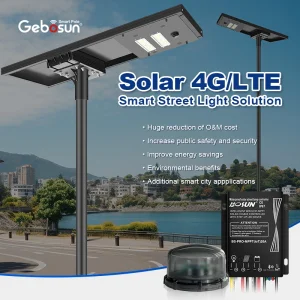
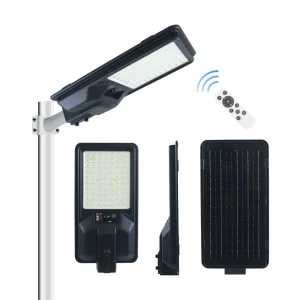
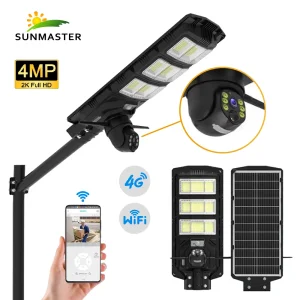
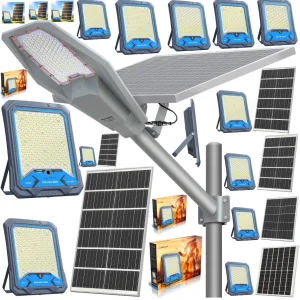
1. High-Density Urban and Smart Roadway Systems: In modern smart cities, street lighting must withstand continuous exposure to dust, rain, and fluctuating temperatures. Integrating solar panels with IoT 4G/LTE smart systems requires optimal thermal dissipation. The controller and battery enclosures must be thermally isolated from the high-power LED array. Our solar streetlights utilize passive heat-sink fins and specialized vents to prevent heat buildup, keeping the internal electronics cool during long summer runs.
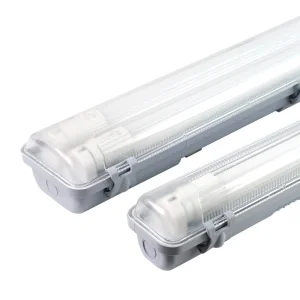
2. Wet and Corrosive Industrial Environments: Commercial warehouses, food processing facilities, and chemical plants present challenges for standard luminaires. Our IP54/IP67 Tri-Proof Emergency lights feature heavy-duty polycarbonate shells and corrosion-resistant seals. The internal LED board is mounted onto a thick aluminum carrier plate, allowing heat to escape efficiently through the exterior casing without compromising the airtight seal.
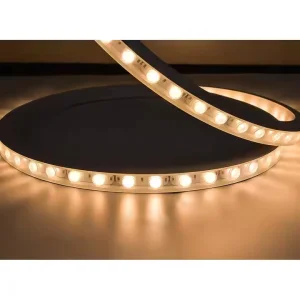
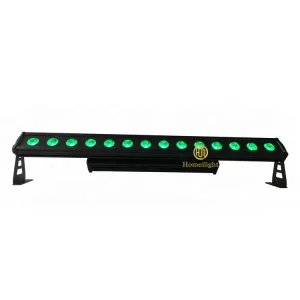
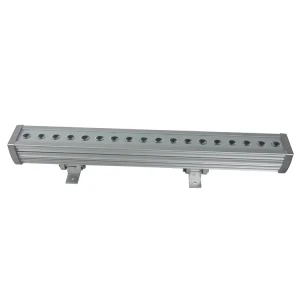
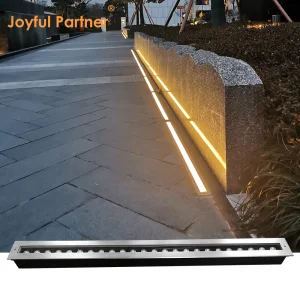
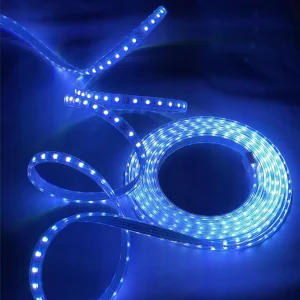
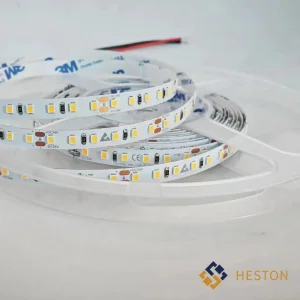
3. Architectural Facades & Custom Contours: Dynamic architectural lighting, such as high-output linear wall washers and flexible 3D silicone strip lights, requires custom thermal engineering. Silicone has lower thermal conductivity than aluminum. To address this, our flexible wall washers are designed with internal copper lead frames. This layout pathways heat away from the chips along the length of the extrusion, allowing the strip to be bent around curved buildings while maintaining structural and thermal reliability.
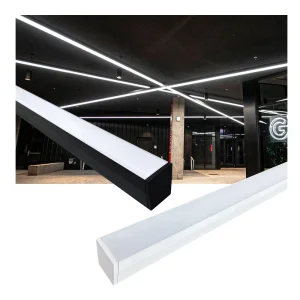
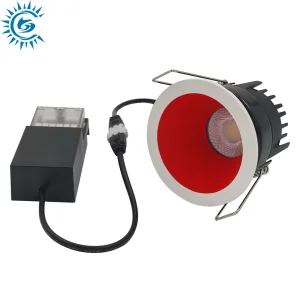
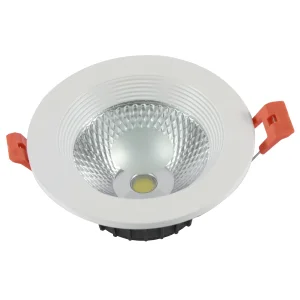
4. Commercial Spaces & Offices: High-efficiency linear battens and fire-rated COB downlights need to balance thermal performance with aesthetic design. For indoor commercial environments, clean integration is essential. Our downlights feature compact, integrated aluminum heat sinks that fit within drop ceiling cavities. They are designed to dissipate heat safely without requiring noisy cooling fans or bulky external hardware.
We answer the most common questions raised by lighting engineers, project managers, and sourcing coordinators regarding thermal design, certifications, and manufacturing processes.
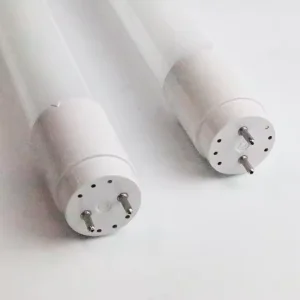
Browse our remaining high-power LED strips, tubes, industrial high bays, and smart camera integrations designed for efficient operations in diverse commercial environments.
 Lili Light