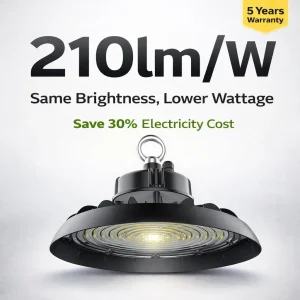
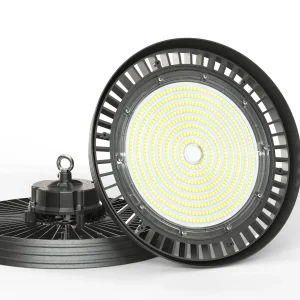
Explore our top-performing industrial luminaires engineered for high efficacy, thermal efficiency, and longevity in Korean cold storage, manufacturing, and distribution centers.
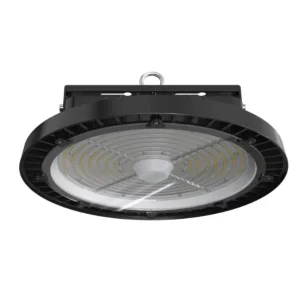
How rising energy tariffs, structural mandates, and technological shifts are transforming the commercial and industrial lighting framework in Korea.
The South Korean industrial sector faces a challenging energy landscape. With successive rate hikes by the Korea Electric Power Corporation (KEPCO), industrial electricity rates have risen considerably, compelling facilities in cities like Incheon, Busan, and Ulsan to reassess operational costs. High bay lighting systems in large manufacturing plants, shipyards, and logistics hubs operate up to 24 hours a day, accounting for a significant portion of a facility's electrical overhead.
Upgrading from legacy Metal Halide or low-efficiency LED fixtures to high-efficacy luminaires (reaching up to 210 lm/W) is no longer just an environmental option—it is a critical tool for operational sustainability. Our systems are engineered to achieve maximum light output with minimal power draw, helping Korean enterprises lower their carbon footprint while complying with the strict demands of South Korea's Net-Zero carbon goals.
South Korea’s climate exhibits severe temperature variations, ranging from humid summers exceeding 35°C to sub-zero continental winter winds. High bay lighting systems installed in uninsulated warehouses or high-ceiling steel mills must withstand these thermal shifts. Excessive heat buildup in the LED junction is a primary cause of lumen depreciation and driver failure.
By leveraging pure 6063-T5 aluminum alloy die-cast heat sinks alongside thermal dissipation channels, our fixtures ensure that junction temperatures remain well below critical thresholds. The integration of high-performance drivers from brands like Meanwell and Inventronics provides the voltage stability required to handle power fluctuations, ensuring stable performance across Korea's distinct seasons.
A closer look at the certification frameworks and engineering parameters required for South Korea's industrial sector.
All luminaires targeting the South Korean commercial market must adhere strictly to the Korea Certification (KC) safety standards and the Korean Industrial Standards (KS). Our products are built to comply with these guidelines, ensuring electromagnetic compatibility (EMC) and electrical isolation to protect people and equipment.
Under the Korea Energy Agency (KEA), qualifying for the High-Efficiency Energy Equipment Certification (고효율에너지기자재) allows Korean business owners to access national energy subsidies. We align our manufacturing processes to meet these standards, optimizing power factors to >0.95 and reducing total harmonic distortion (THD).
The transition toward Smart Factories (스마트공장) across Korea demands integration with Building Management Systems (BMS). Our LED High Bay lights support DALI-2, 1-10V dimming, and Zigbee wireless controls, allowing automated dimming based on occupancy and daylight harvesting.
Engineered for specific high-ceiling applications and demanding environment parameters.
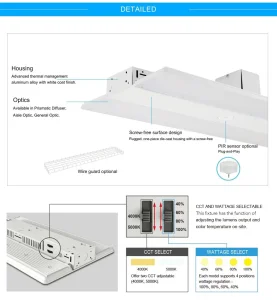
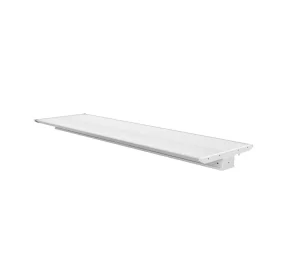
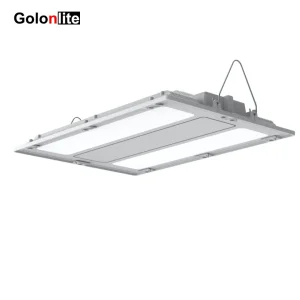
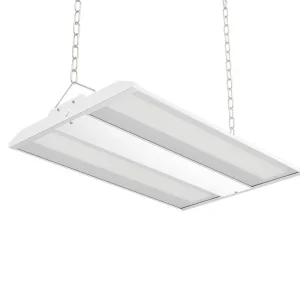
With the growth of e-commerce platforms like Coupang and Market Kurly, massive, high-ceiling fulfillment centers have become common in Gyeonggi-do and Incheon. These facilities need narrow-angle optics (60°/90°) to project light down tall racks without creating glare. Our linear high bay solutions deliver precise illumination to lower shelves, ensuring barcode scanning accuracy and worker safety.
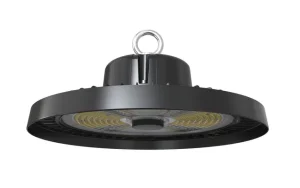
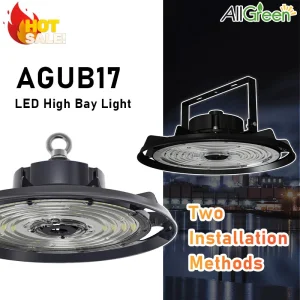
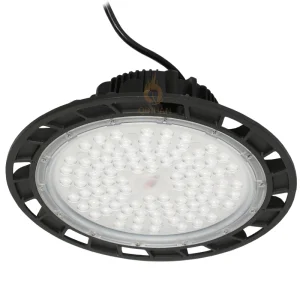
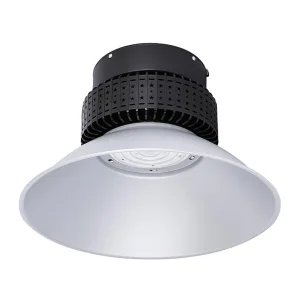
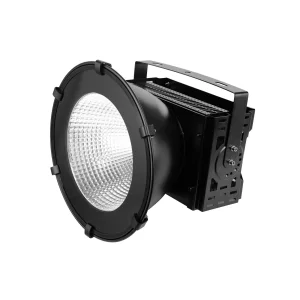
In Ulsan, Yeosu, and Pohang, heavy manufacturing, steelworks, and chemical processing facilities require lighting that can withstand high temperatures, airborne grease, and moisture. Our IP65/IP66 explosion-proof and high-temperature-tolerant UFO high bays are built with die-cast aluminum housings and tempered glass lenses to prevent ingress and withstand harsh conditions.
For semiconductor and display fabs in Pyeongtaek and Suwon, maintaining a stable, glare-free environment is critical for visual inspections. Our anti-glare high bays utilize micro-prismatic diffusers to achieve a Unified Glare Rating (UGR) below 19, supporting visual comfort and worker productivity in high-precision assembly areas.
Zhejiang Lili Light Co., Ltd. is a professional manufacturer and exporter specializing in LED lighting products and integrated lighting solutions. With years of experience in the lighting industry, we are committed to providing innovative, energy-efficient, and reliable products to customers around the world.
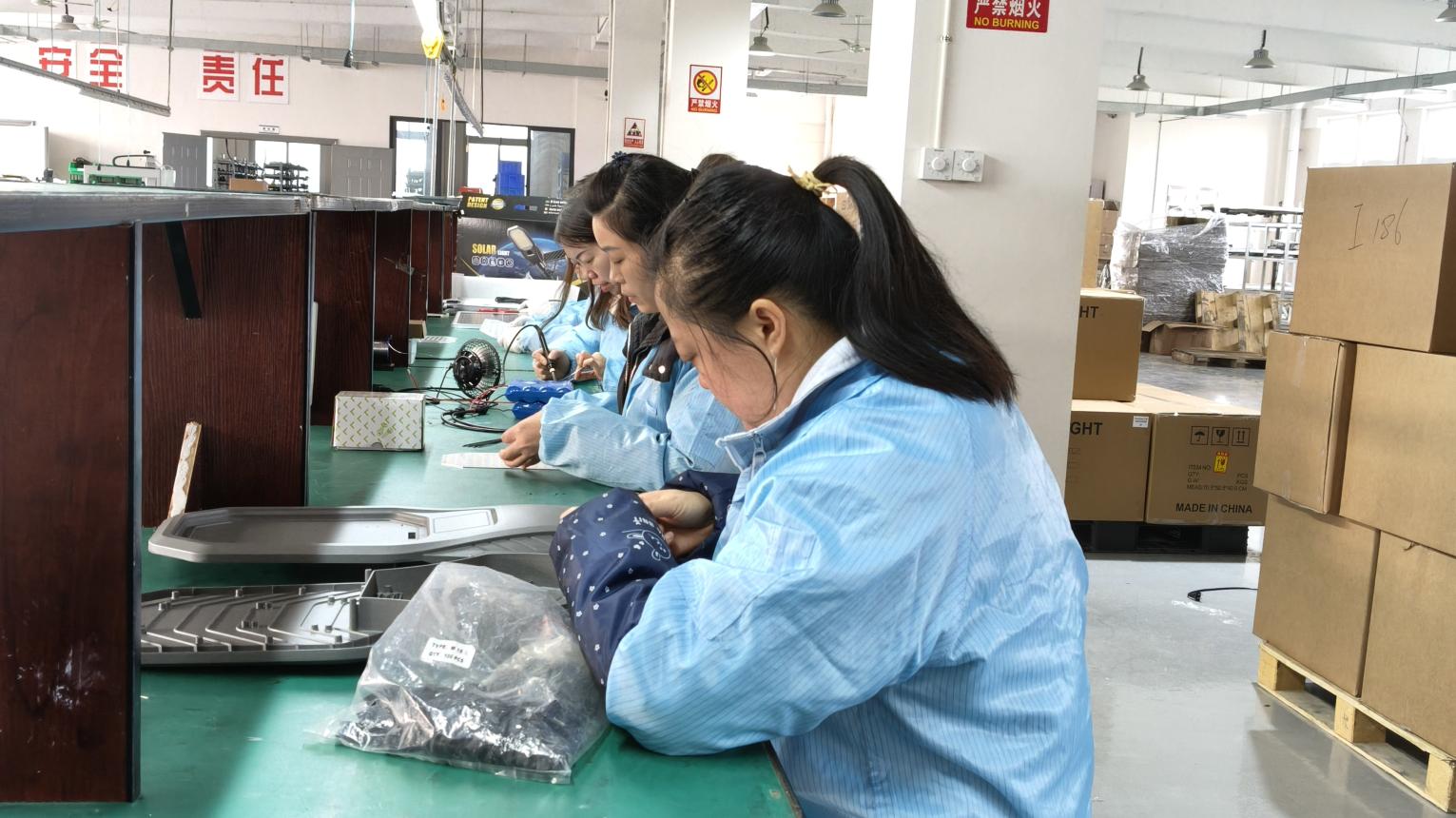
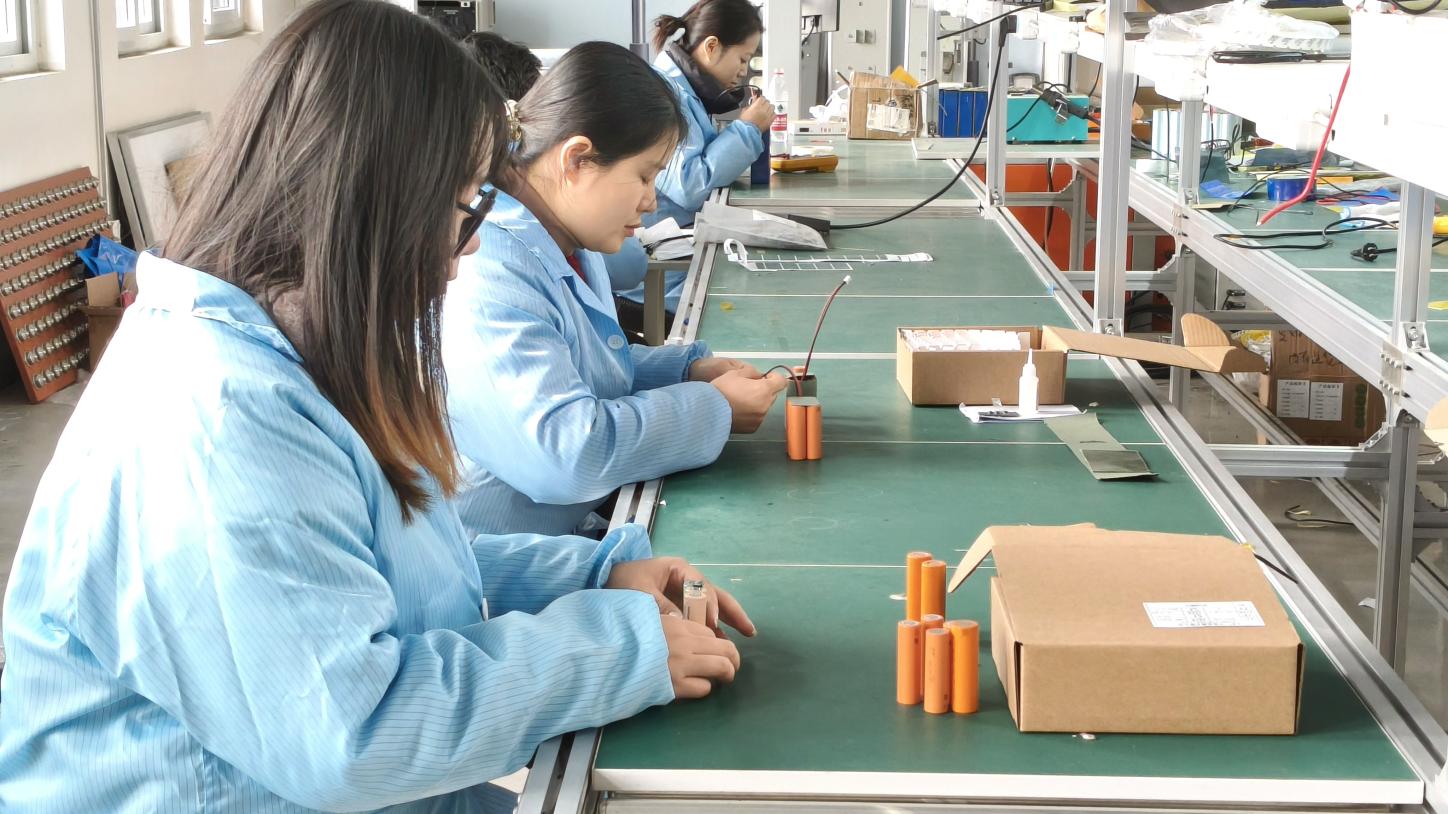
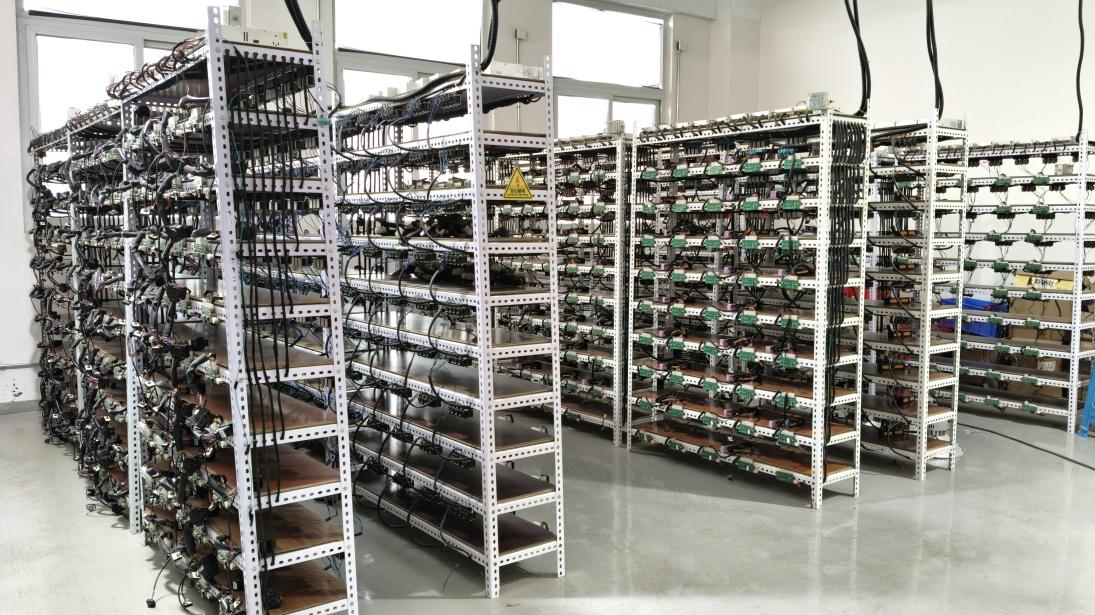
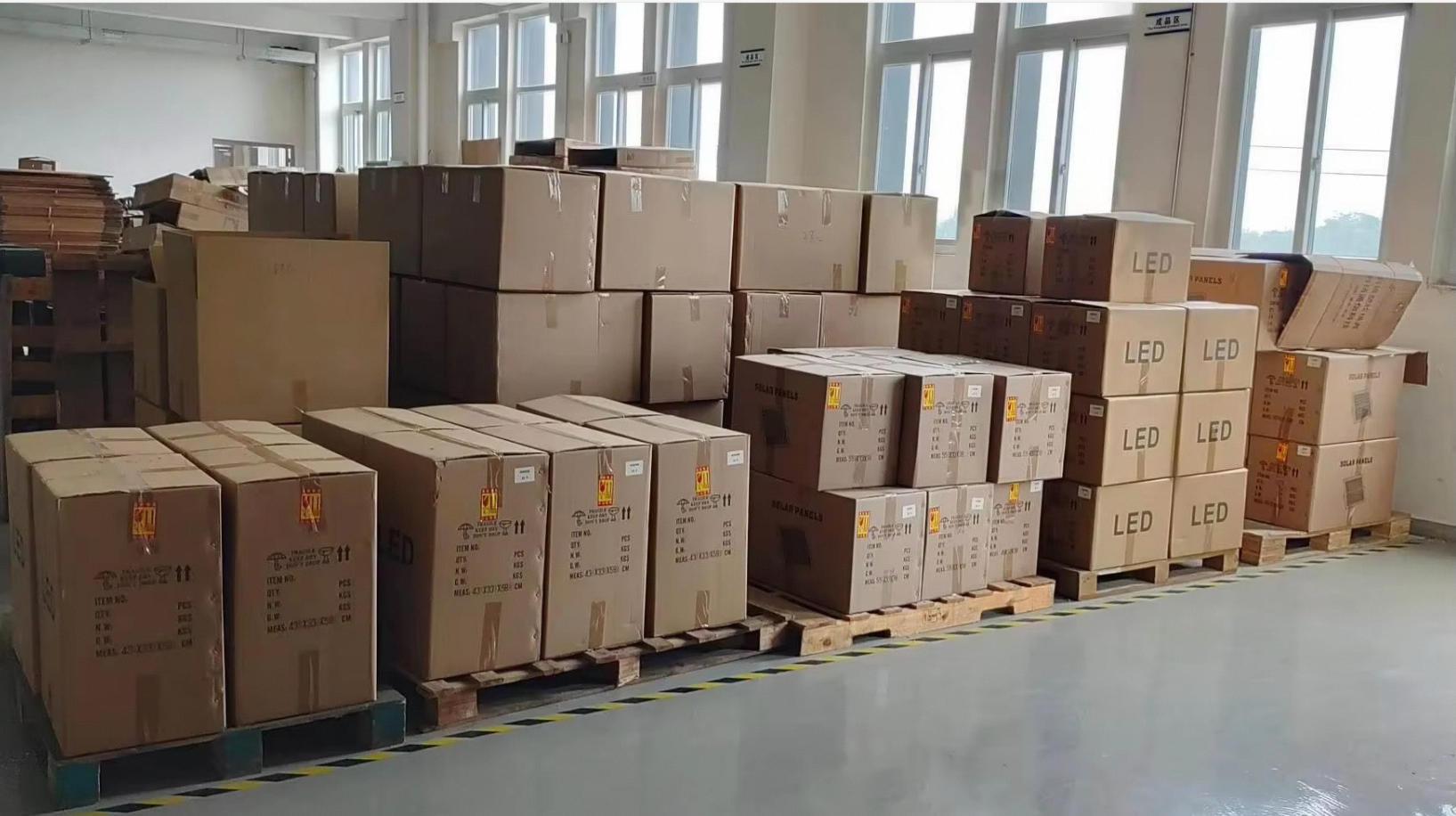
Since our establishment, we have invested continuously in product development, manufacturing technology, and quality management. Supported by a skilled technical team, modern production facilities, and a strict quality control system, we have built long-term partnerships with customers across Europe, South America, Southeast Asia, the Middle East, and other international markets.
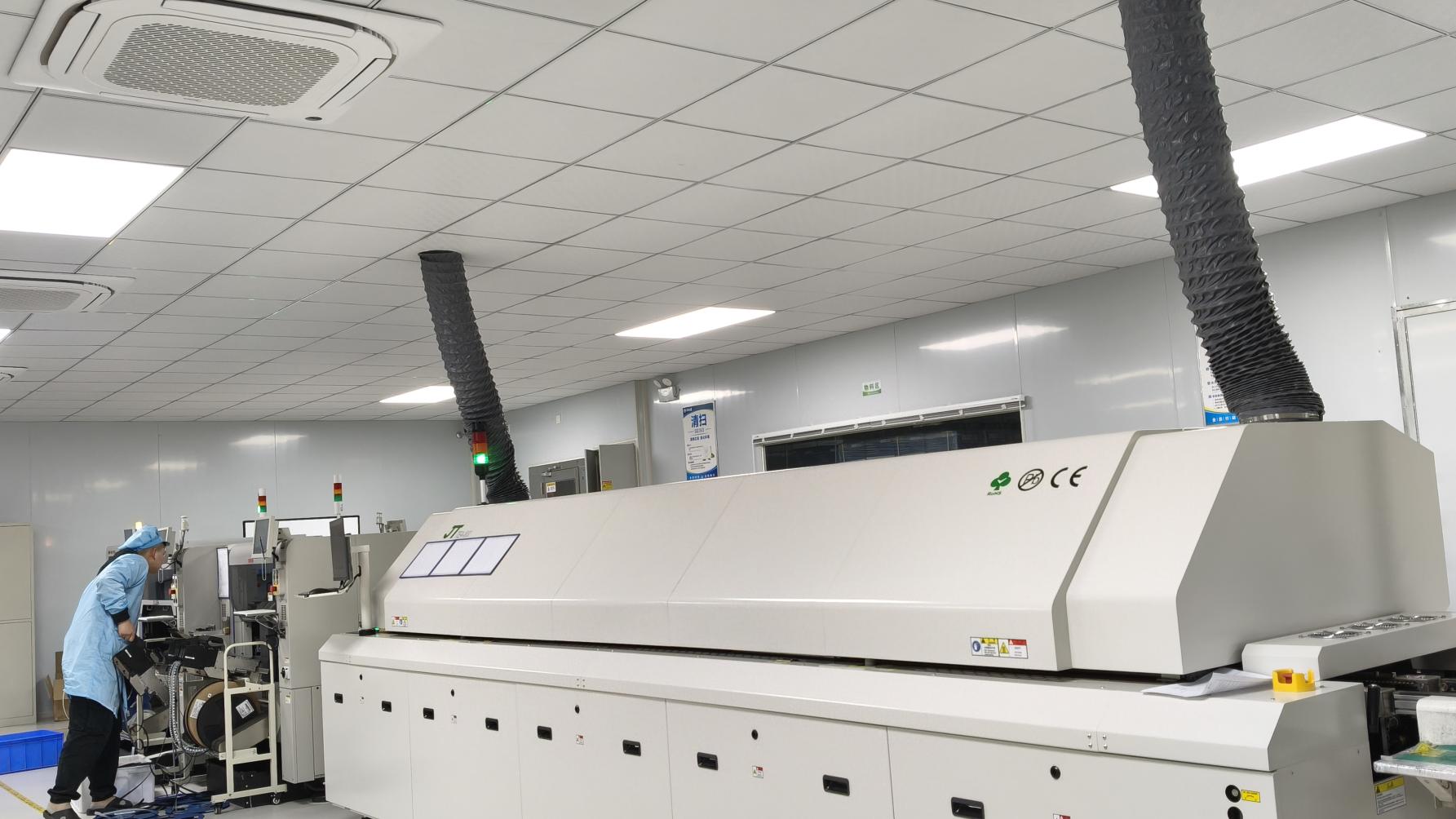
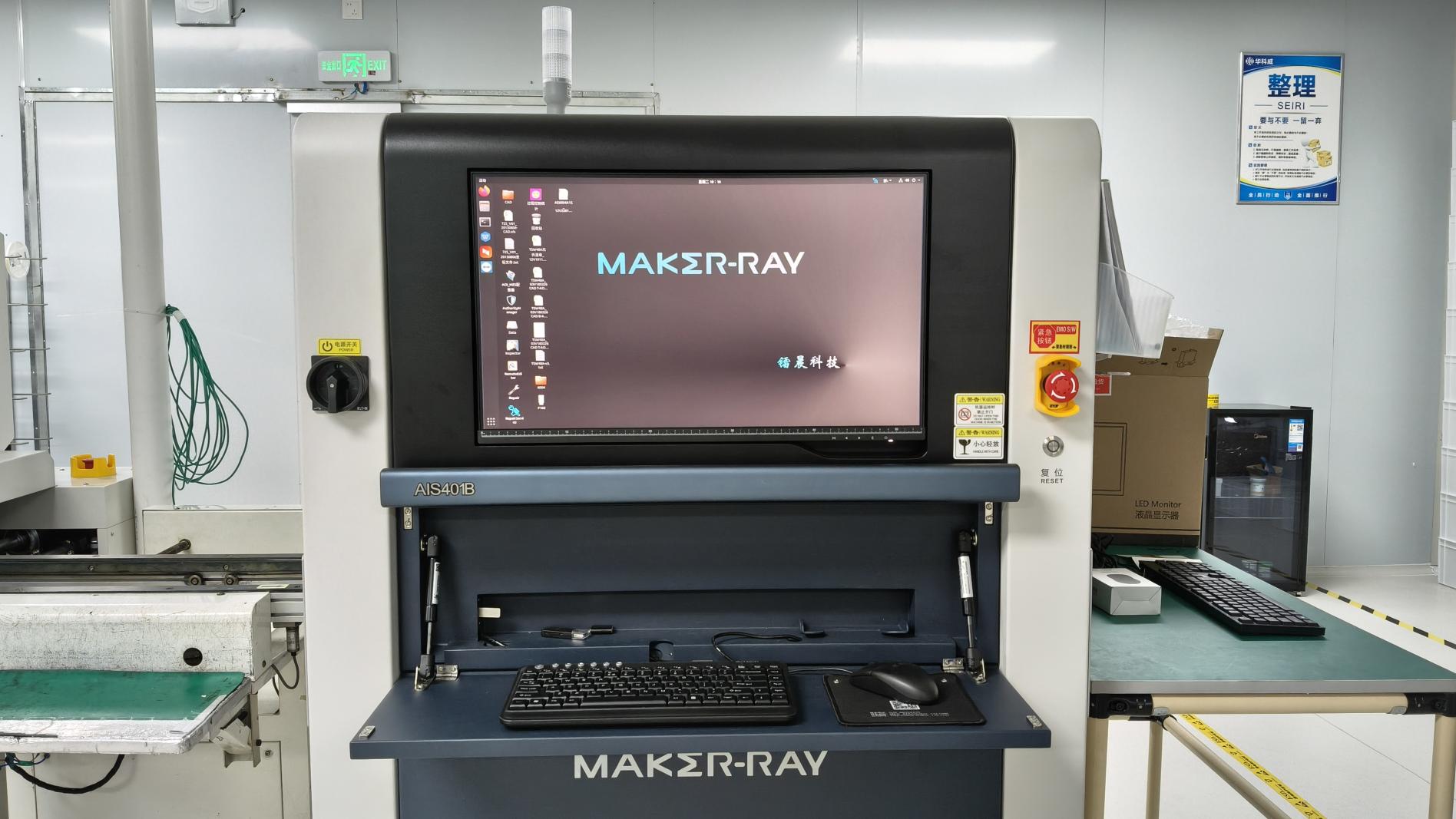
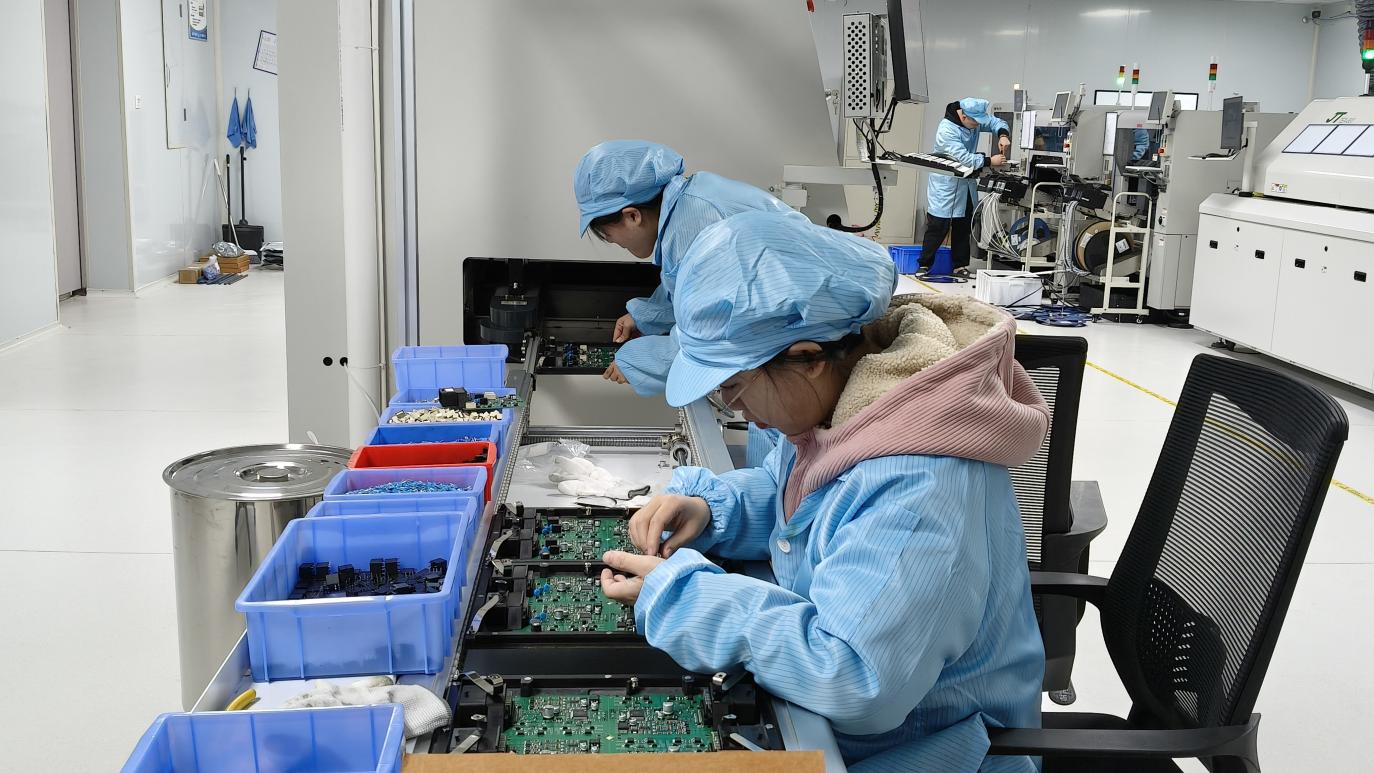
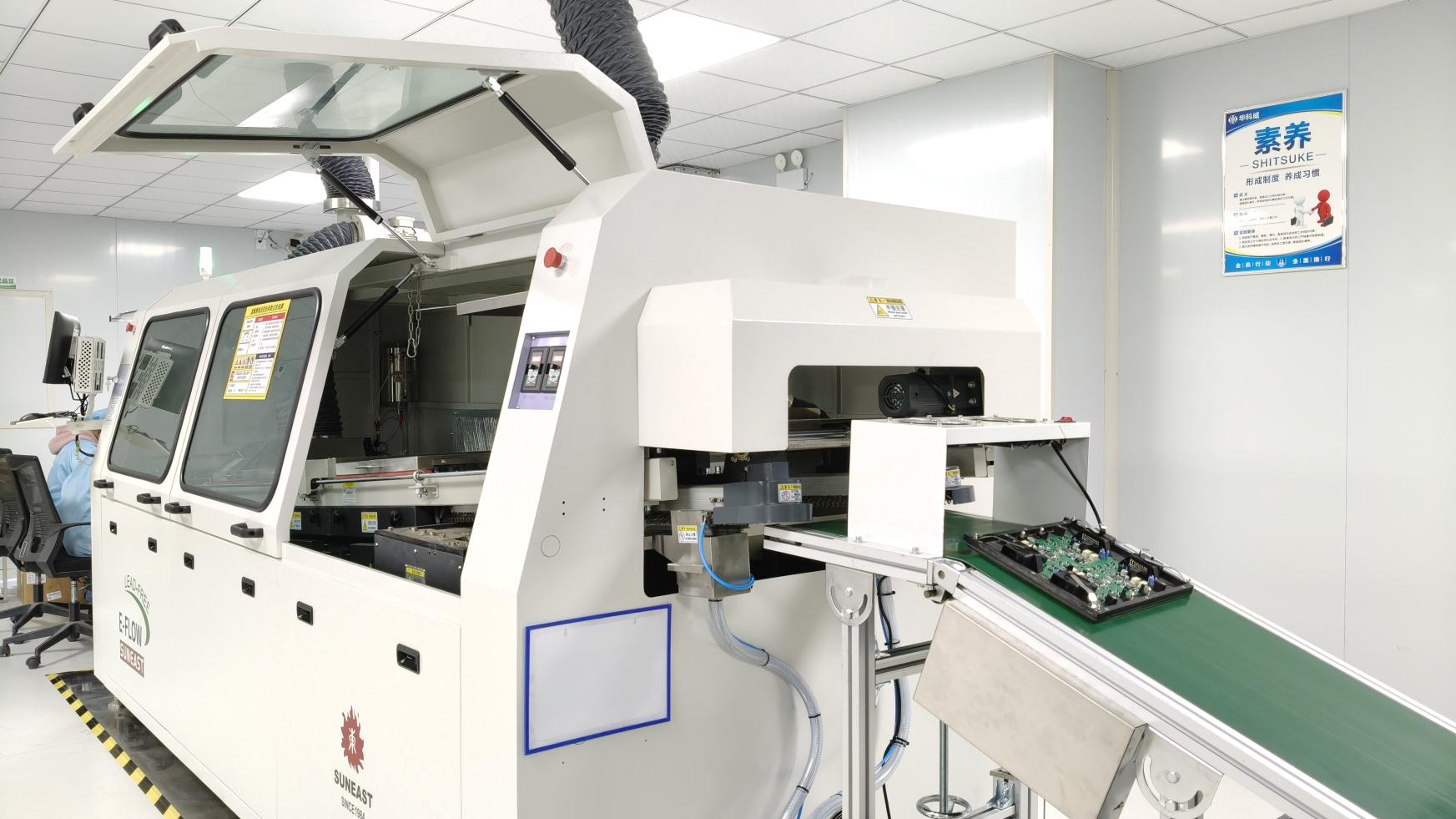
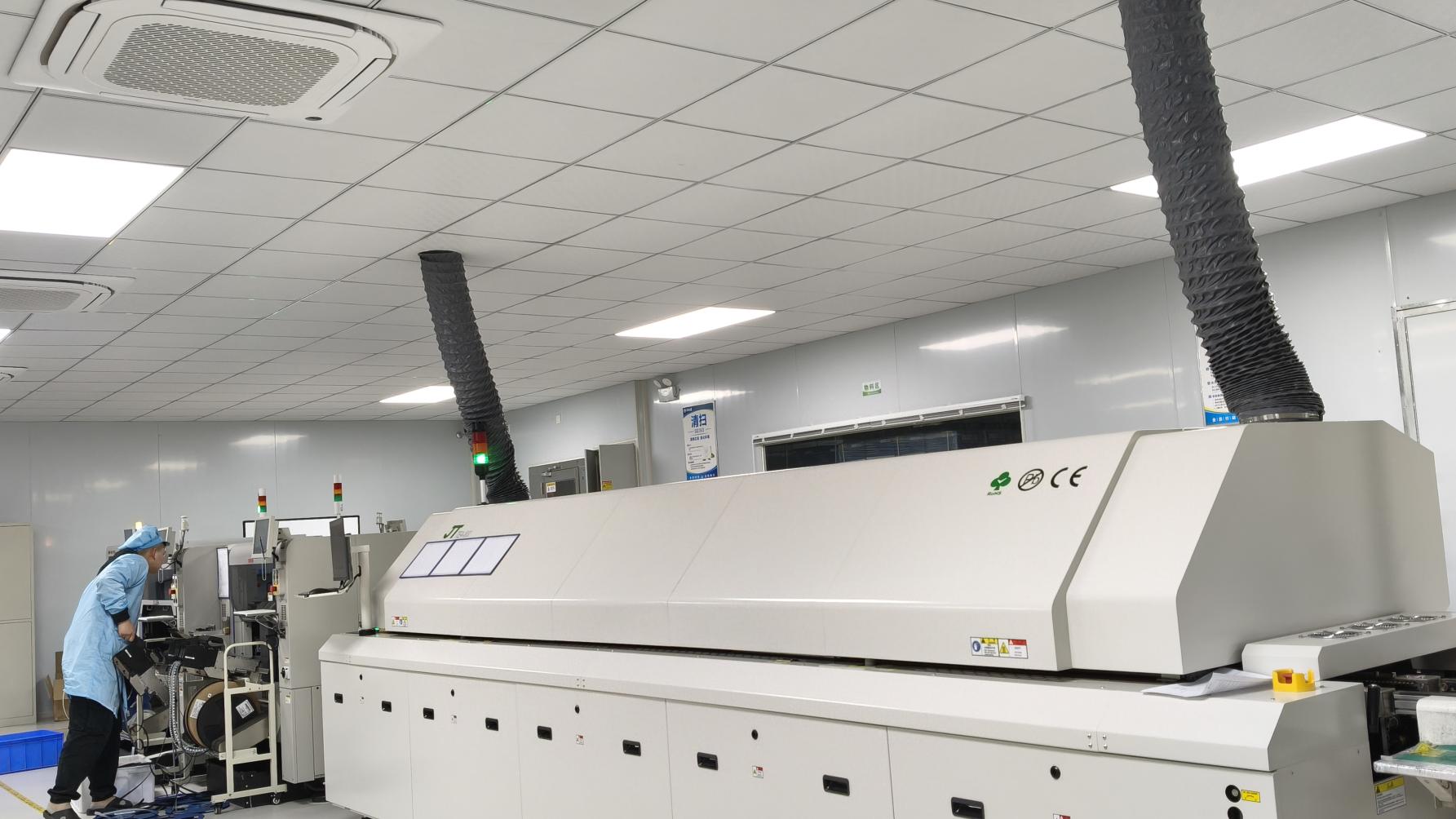
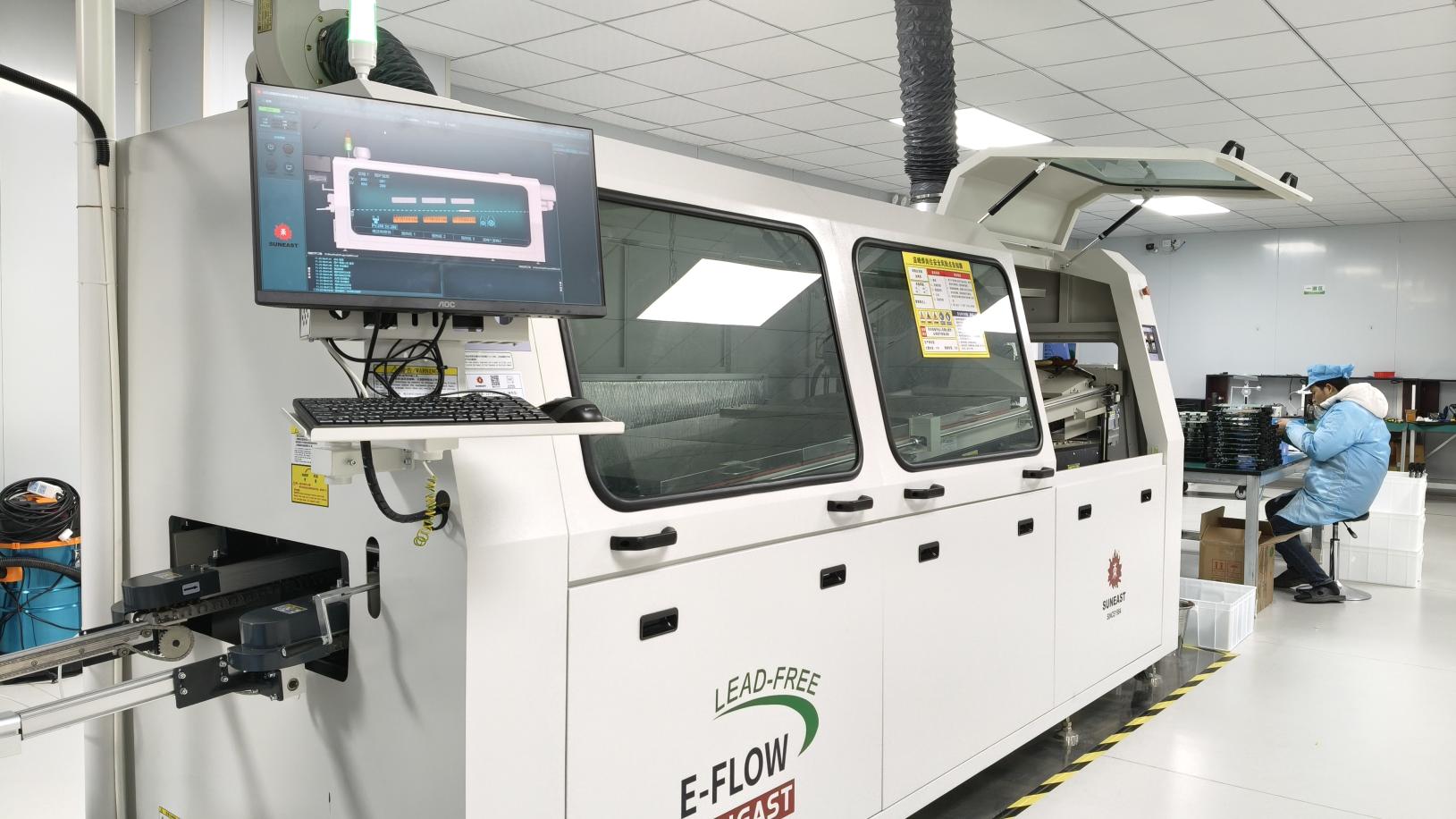
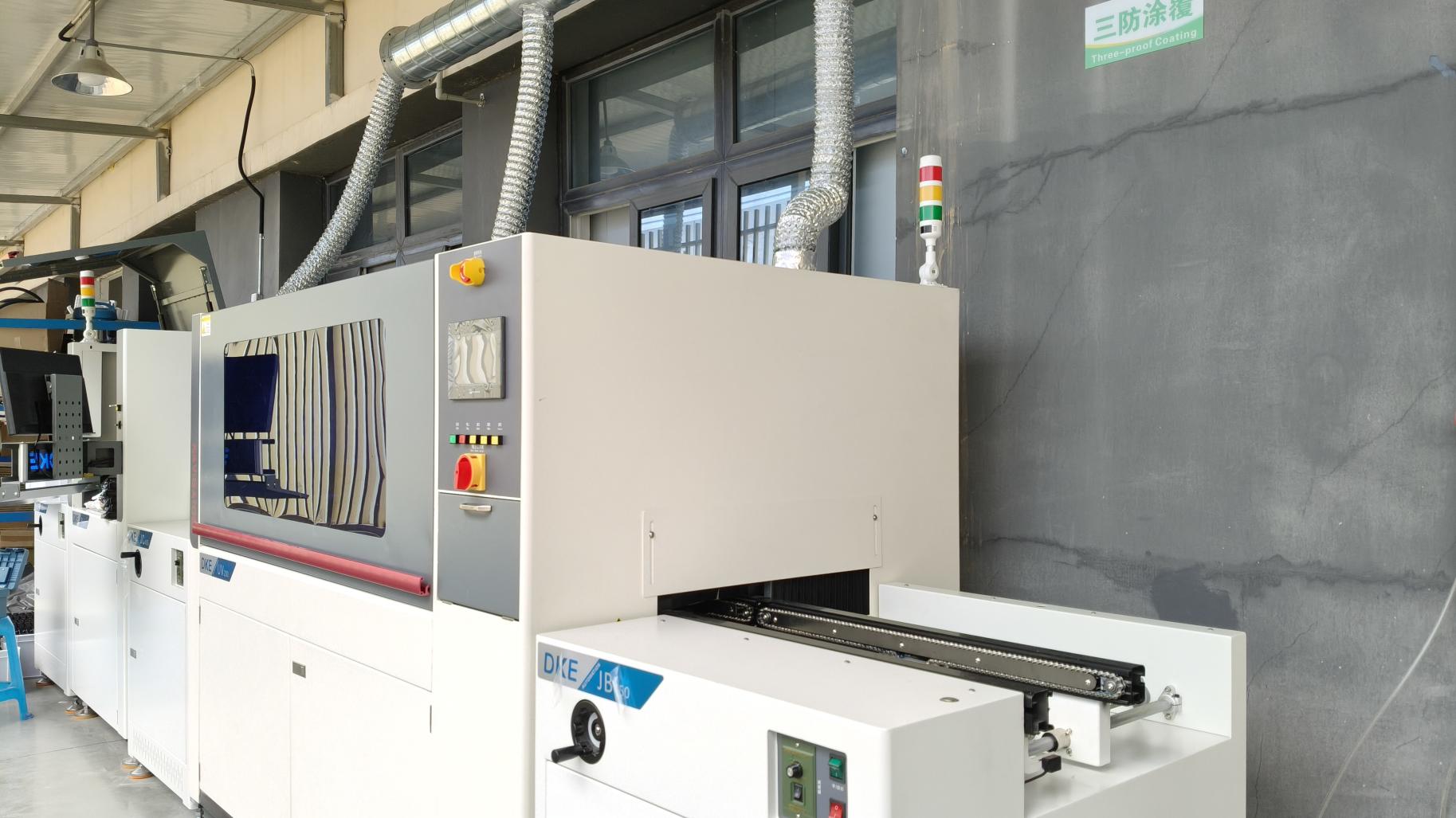
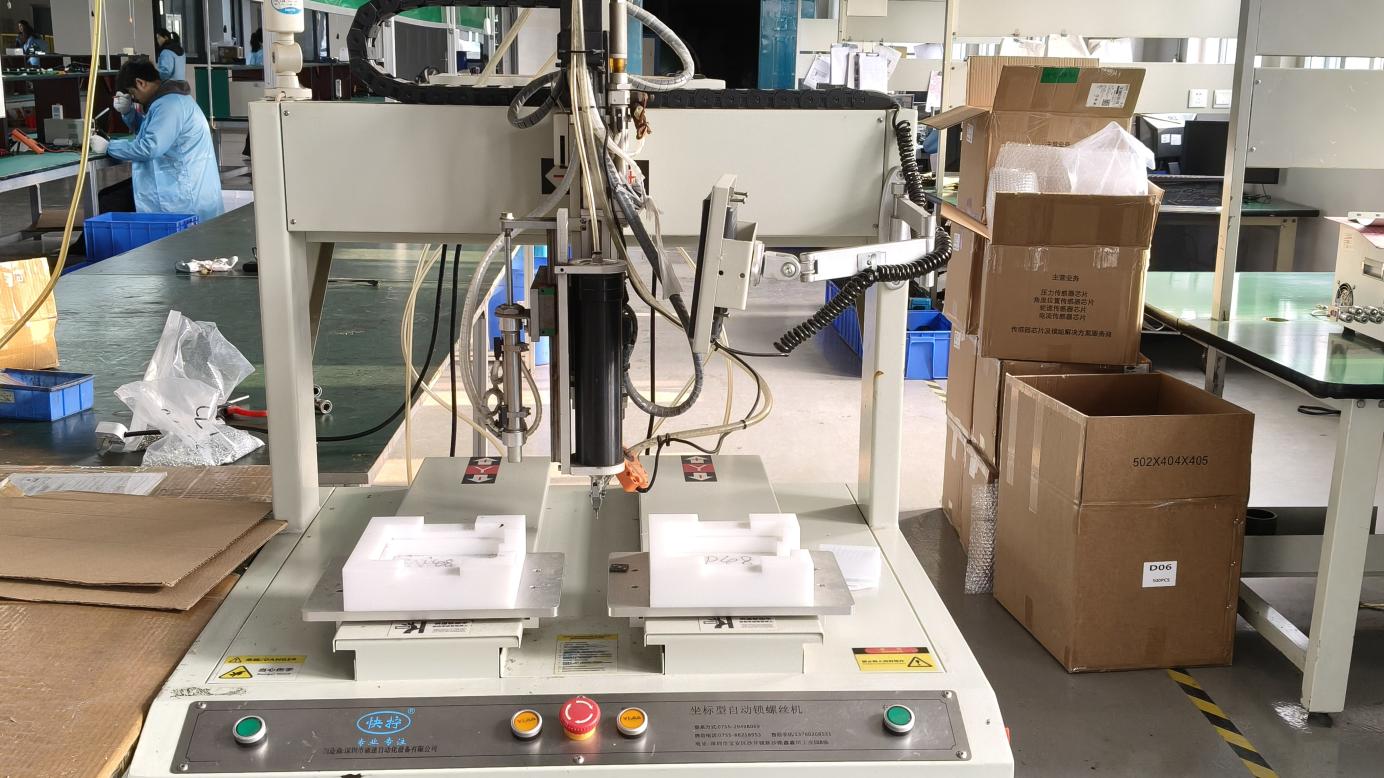
Our manufacturing facility leverages automated SMT lines, high-precision wave soldering, automatic screw locking machines, and computerized AOI testing. This setup allows us to offer flexible OEM/ODM services, helping Korean B2B buyers develop customized products that meet their specific technical and market requirements.
How we ensure seamless delivery, customizable features, and stable pricing for Korean industrial buyers.
Proximity is a key advantage for Korean buyers sourcing from our manufacturing base in Zhejiang. We offer optimized shipping routes to major Korean ports like Busan and Incheon, with typical ocean transit times of 2 to 4 days. This short transit time reduces lead times and allows Korean enterprises to maintain leaner inventory levels while responding quickly to retrofitting or construction project timelines.
Industrial settings vary widely, meaning standard, off-the-shelf lighting is not always the best fit. We offer customization options for Korean projects, including adjustable wattage (100W/150W/200W/300W), CCT selection (3000K to 6500K), specific beam angles (60°, 90°, 120°), and specialized mounting hardware (bracket/pendant/loop suspension) to accommodate complex structural layouts.
Explore our complete range of high bay and stadium lighting options, designed for high-performance and durability in demanding Korean industrial applications.
Get in touch with our engineering team for free photometrics, DIALux layouts, and competitive price quotes tailored to South Korea's industrial requirements.
Send Inquiry NowAnswers to key technical, regulatory, and logistical questions frequently asked by project managers in South Korea.
Yes. Our LED High Bay lights are manufactured using components designed to comply with KC (Korea Certification) and KS (Korean Industrial Standards) requirements. We focus on electrical safety, high electromagnetic compatibility (EMC), and robust thermal performance to meet standard regulatory guidelines in South Korea.
The High-Efficiency Energy Equipment Certification (고효율에너지기자재인증) by the Korea Energy Agency (KEA) confirms that a luminaire meets strict efficiency standards. Installing certified lights can qualify Korean businesses for energy-saving subsidies from KEPCO, which helps offset initial installation costs and reduces the payback period.
Due to our location in Zhejiang, shipping to major South Korean ports like Incheon or Busan takes approximately 2 to 4 days by ocean freight. Air freight options are also available for urgent requirements, with delivery typically completed within 24 to 48 hours, facilitating efficient project schedules.
Yes. We offer complimentary DIALux light simulations for our Korean customers. By providing your facility's dimensions, ceiling heights, racking layouts, and required target lux levels (typically 150-300 lux for warehouses and 500+ lux for assembly lines), our engineers can generate detailed layout plans. This ensures even illumination, eliminates dark zones, and helps optimize the number of fixtures required.
Yes, our UFO and linear high bay luminaires are designed to operate reliably in sub-zero environments, down to -40°C. Standard LED lights can experience driver failure or glass condensation in cold storage settings. We address this by using low-temperature-tolerant silicone seals, specialized thermal paste, and condensation-preventing pressure valves to ensure reliable operation in frozen food storage facilities.
 Lili Light