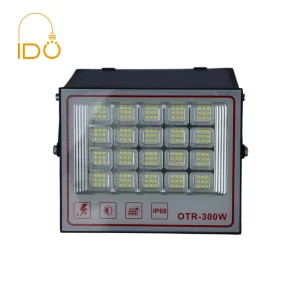
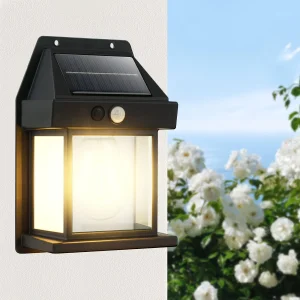
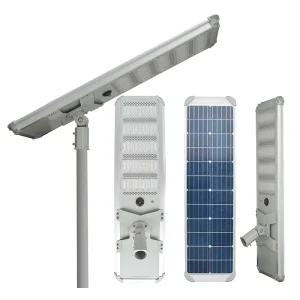
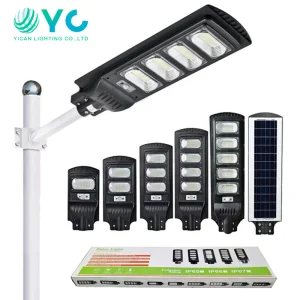
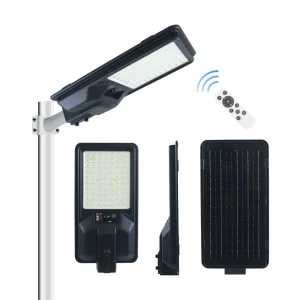
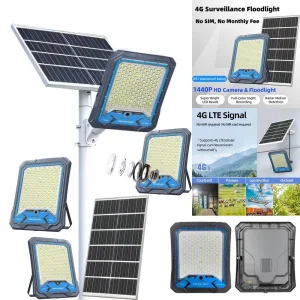
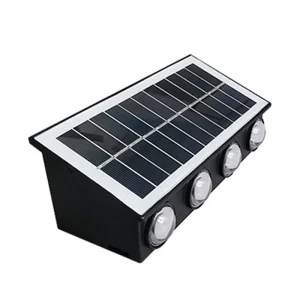
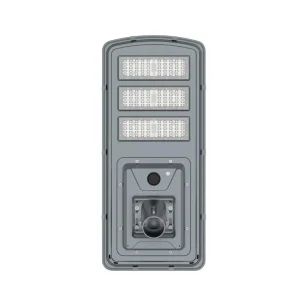
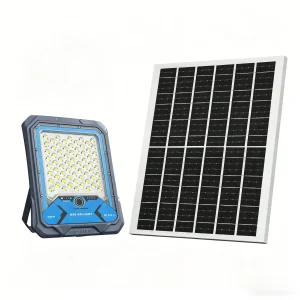
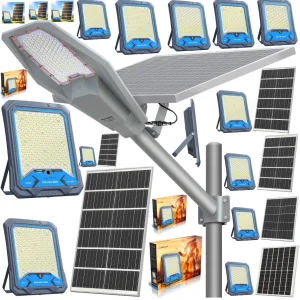
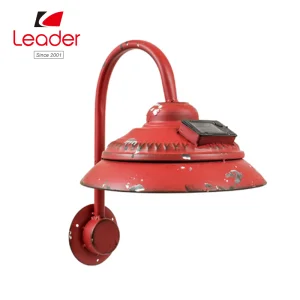
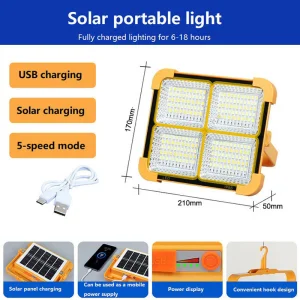
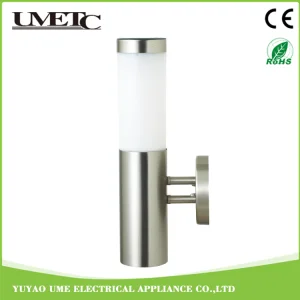
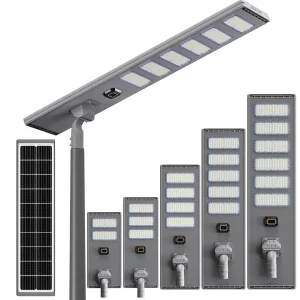
Engineered for localized operational parameters, these four premium grade fixtures represent our core technologies certified for immediate integration into commercial, municipal, and private projects throughout Argentina.
Argentina's electrical network represents a complex architectural landscape that is undergoing rapid structural transformations. In recent years, public utility subsidy adjustments, coupled with regional transmission grid overloads, have caused industrial and municipal operators to actively search for autonomous energy solutions. Off-grid solar wall lights and intelligent integrated fixtures are no longer viewed merely as green alternatives; they are now recognized as vital hedges against tariff volatility and municipal power outages.
From the high-solar-irradiance northern deserts of Jujuy and Salta to the highly wind-swept areas of southern Patagonia, and the dense urban sectors of the Buenos Aires Metropolitan Area (AMBA), Argentina’s local geographic requirements differ immensely. To succeed in this market, importing entities and engineering contractors require luminaires that feature extreme thermal adaptability, robust ingress protection (IP) ratings, and optimized battery-management algorithms capable of surviving seasonal charging deficits.
SEO Value Trend Analysis: According to macroeconomic industrial evaluations in Argentina, commercial energy tariffs have increased significantly over the past 24 months. Utilizing self-sustaining PV wall lights for logistics boundaries and corporate parks delivers immediate ROI, eliminating trenching, grid hookup fees, and operational electrical costs.
As a professional OEM/ODM manufacturer, Zhejiang Lili Light Co., Ltd. builds hardware specifically designed to mitigate the physical and environmental degradation mechanisms prevalent across Argentina's geographic zones:
Coastal Buenos Aires, Mar del Plata, and the Patagonian regions experience sustained high-velocity winds that impose extreme mechanical shear stress on wall-mounted installations. Our structures utilize reinforced die-cast aluminum alloys (ADC12 grade) paired with high-tensile structural brackets. Polycarbonate and tempered glass optical lenses undergo anti-vandal IK08 and IK10 impact testing, guaranteeing that hailstorms and airborne debris do not compromise luminaire seals.
Traditional ternary lithium packs degrade rapidly when subjected to the ambient heat of northern Argentina (often exceeding 40°C in summer) or the sub-zero temperatures of southern winter nights. We integrate premium A-grade LiFePO4 cells configured with localized Battery Management Systems (BMS). Our BMS provides:
To capture maximum photon volume during the shorter winter days in Argentina, our solar wall lights leverage high-efficiency Monocrystalline PERC solar panels boasting conversion rates up to 22.5%. By utilizing Maximum Power Point Tracking (MPPT) charging controllers rather than cheap PWM options, we achieve up to 30% higher power capture efficiency during low-light, cloudy conditions, ensuring reliable dusk-to-dawn performance.
Tailored for high-security boundaries, peripheral perimeter fences, agricultural storage zones, and harsh chemical warehouse walls, these solar systems integrate advanced sensor parameters and ultra-robust frames.
Zhejiang Lili Light Co., Ltd. stands as a premier manufacturer and exporter specializing in high-performance LED systems and integrated clean energy lighting projects. Our industrial presence features high-speed Surface Mount Technology (SMT) assemblies, automated mechanical testing centers, and strict quality control matrices designed to meet rigorous Western European and Latin American distribution expectations.
Our ISO9001-certified manufacturing facility oversees twelve core production and testing phases, ensuring every solar wall luminaire shipped to Argentina delivers outstanding durability and performance:
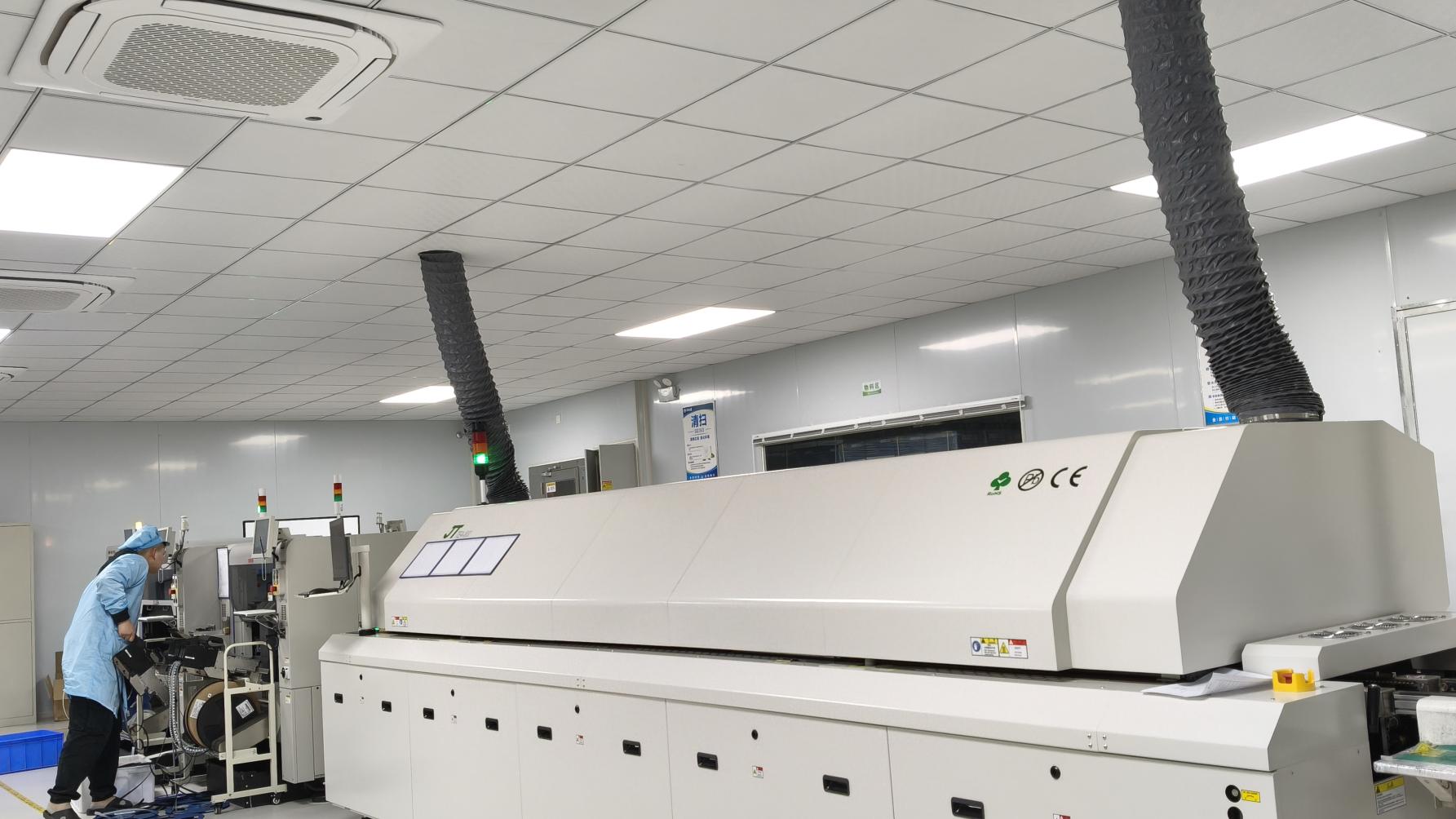
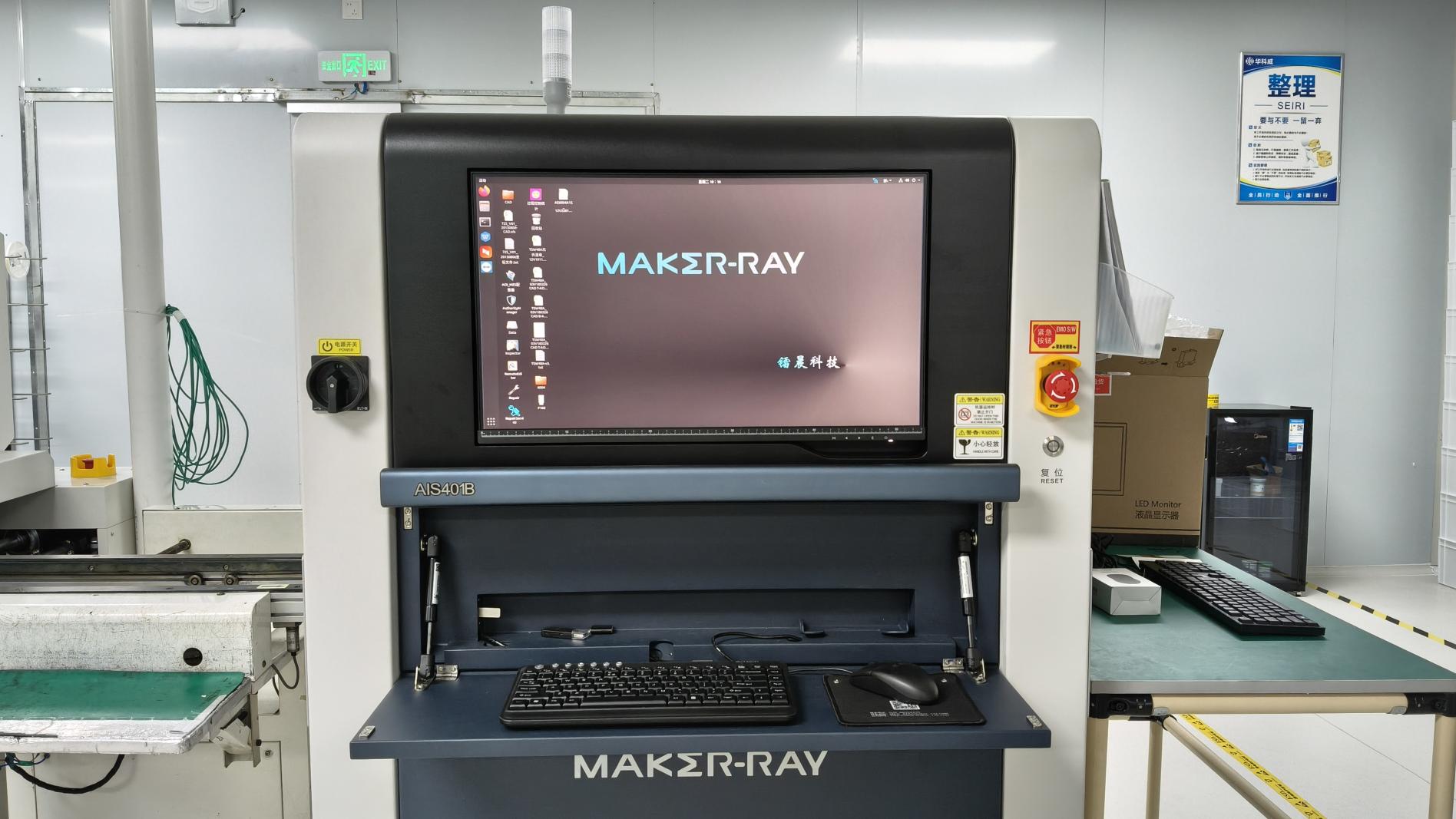
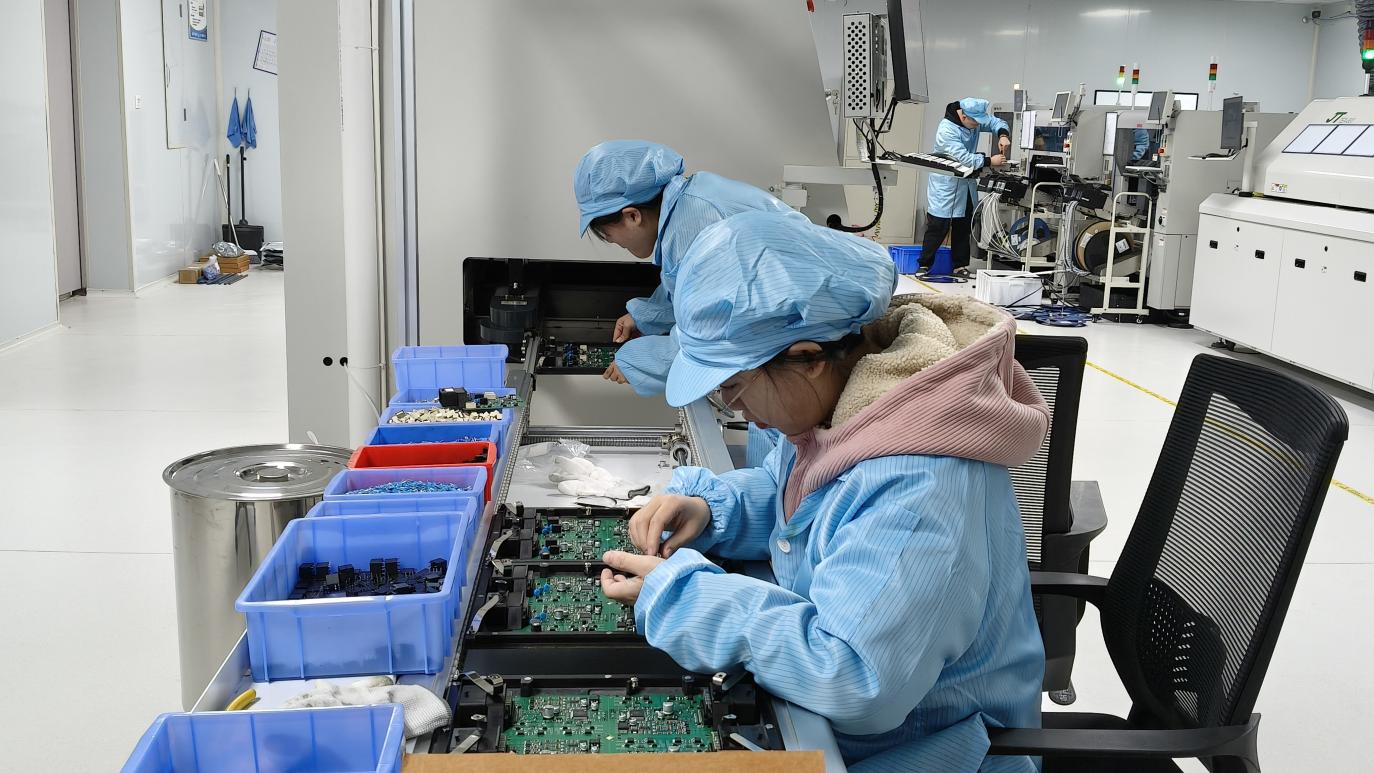
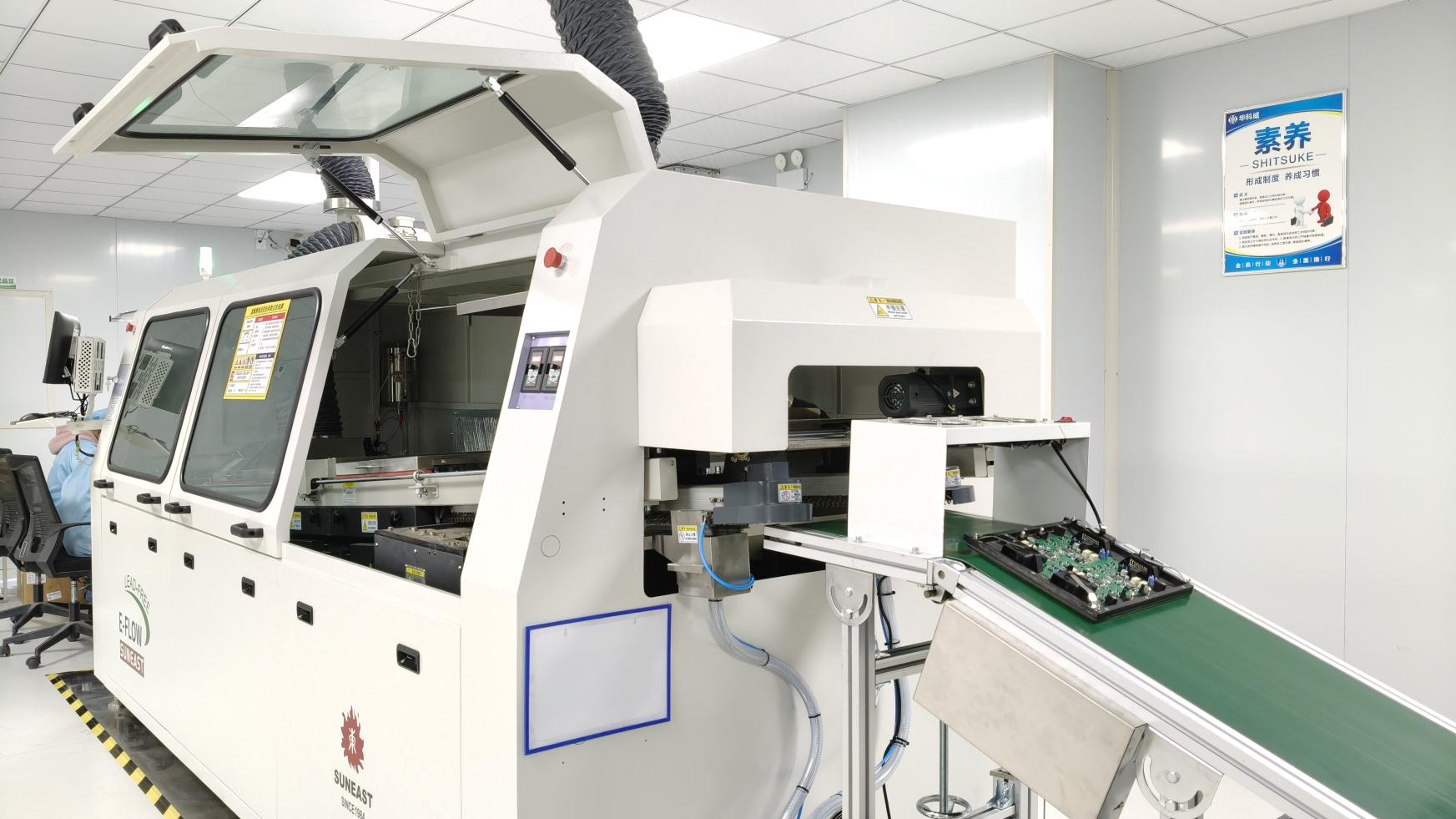
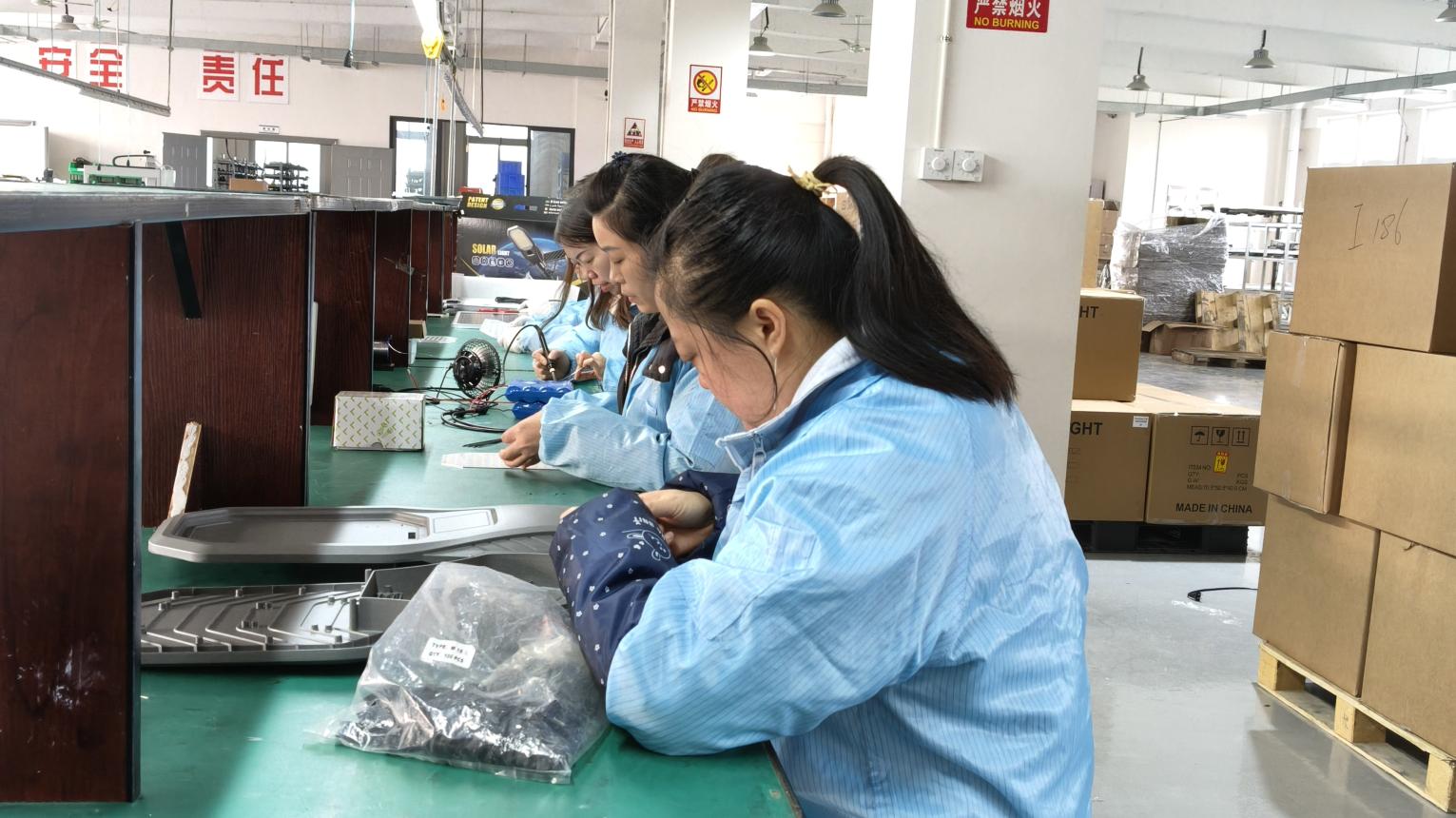
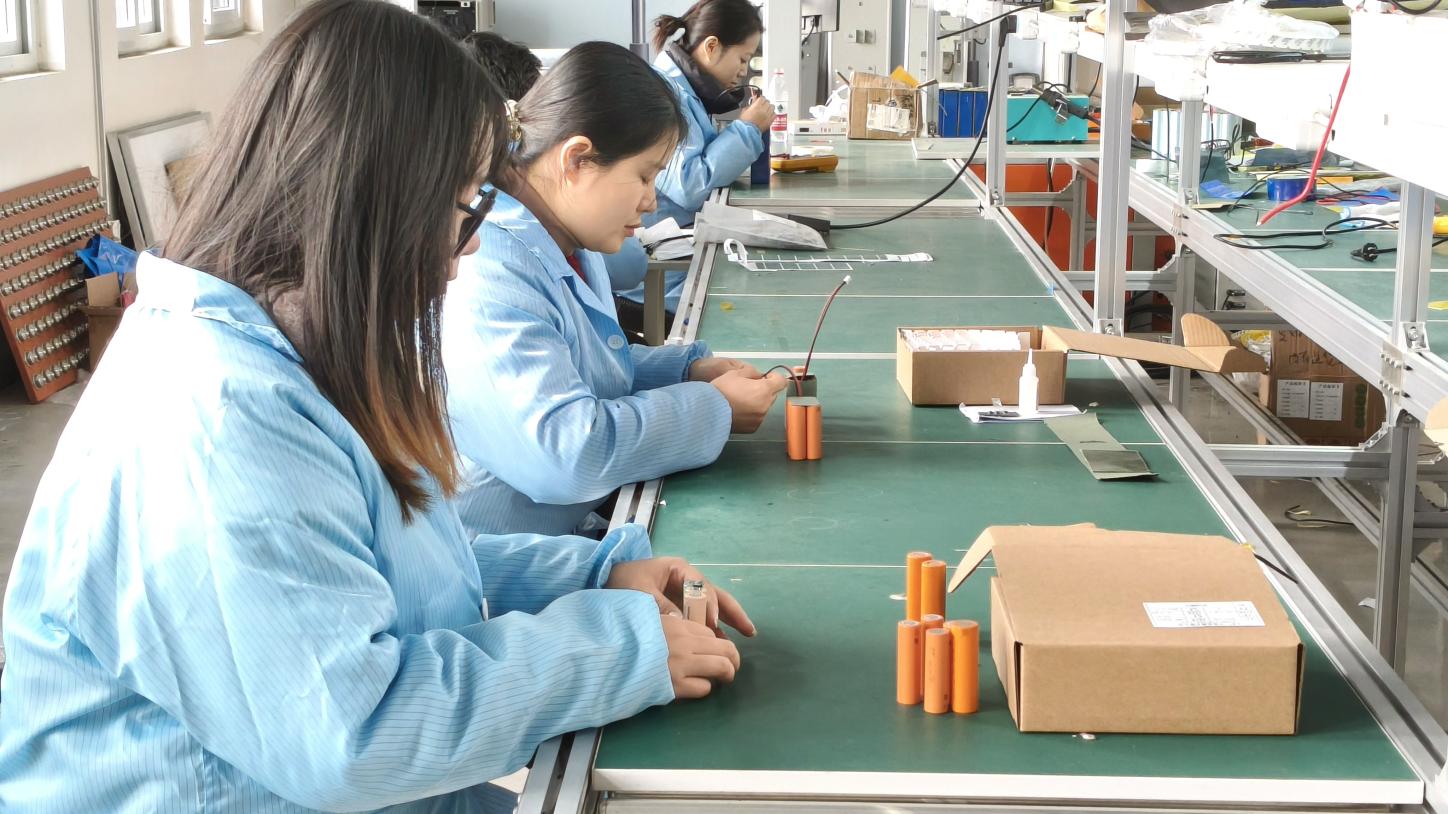
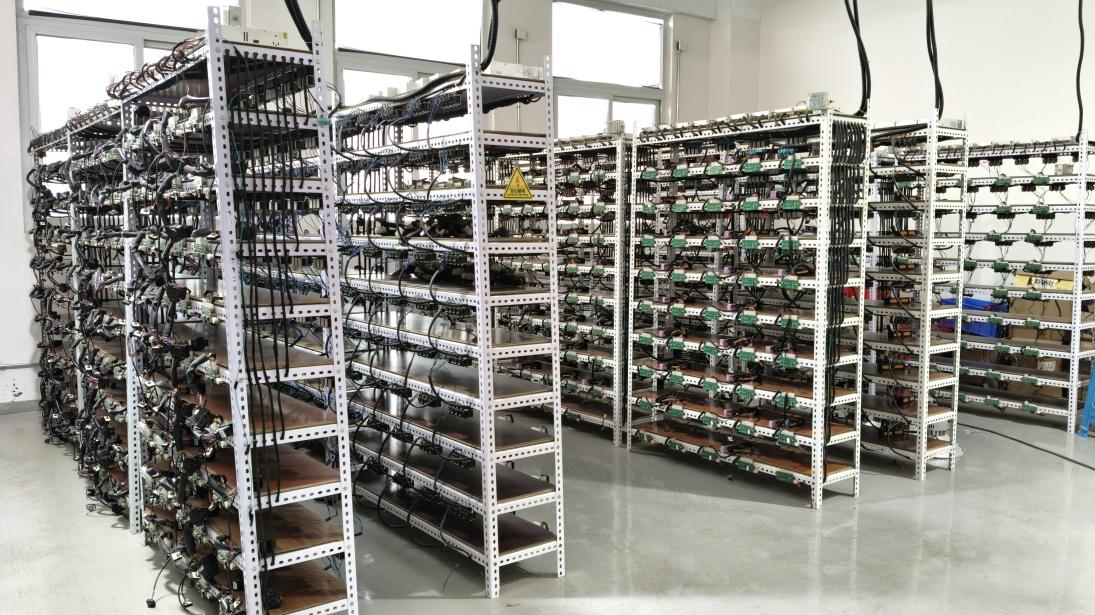
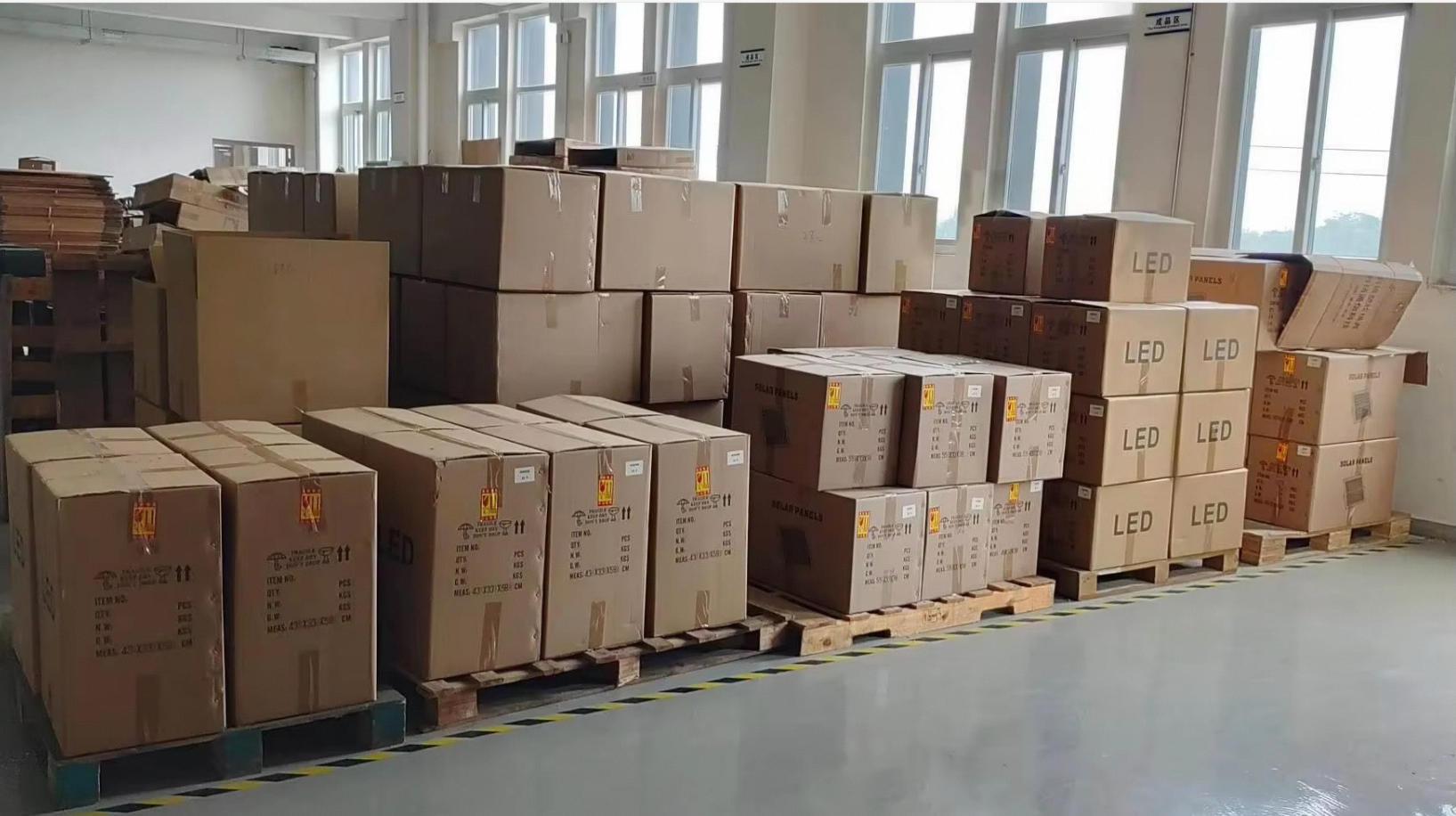
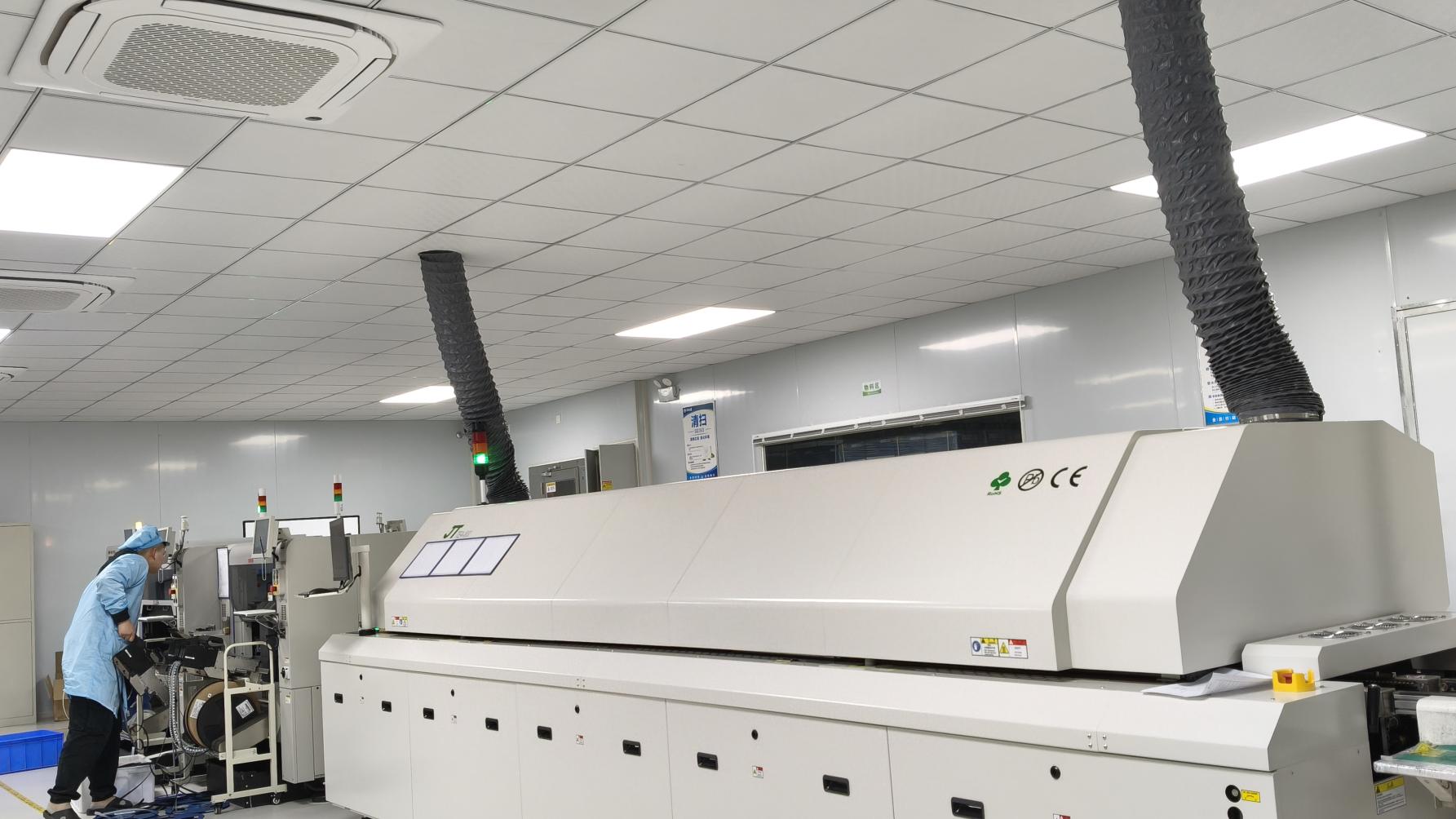
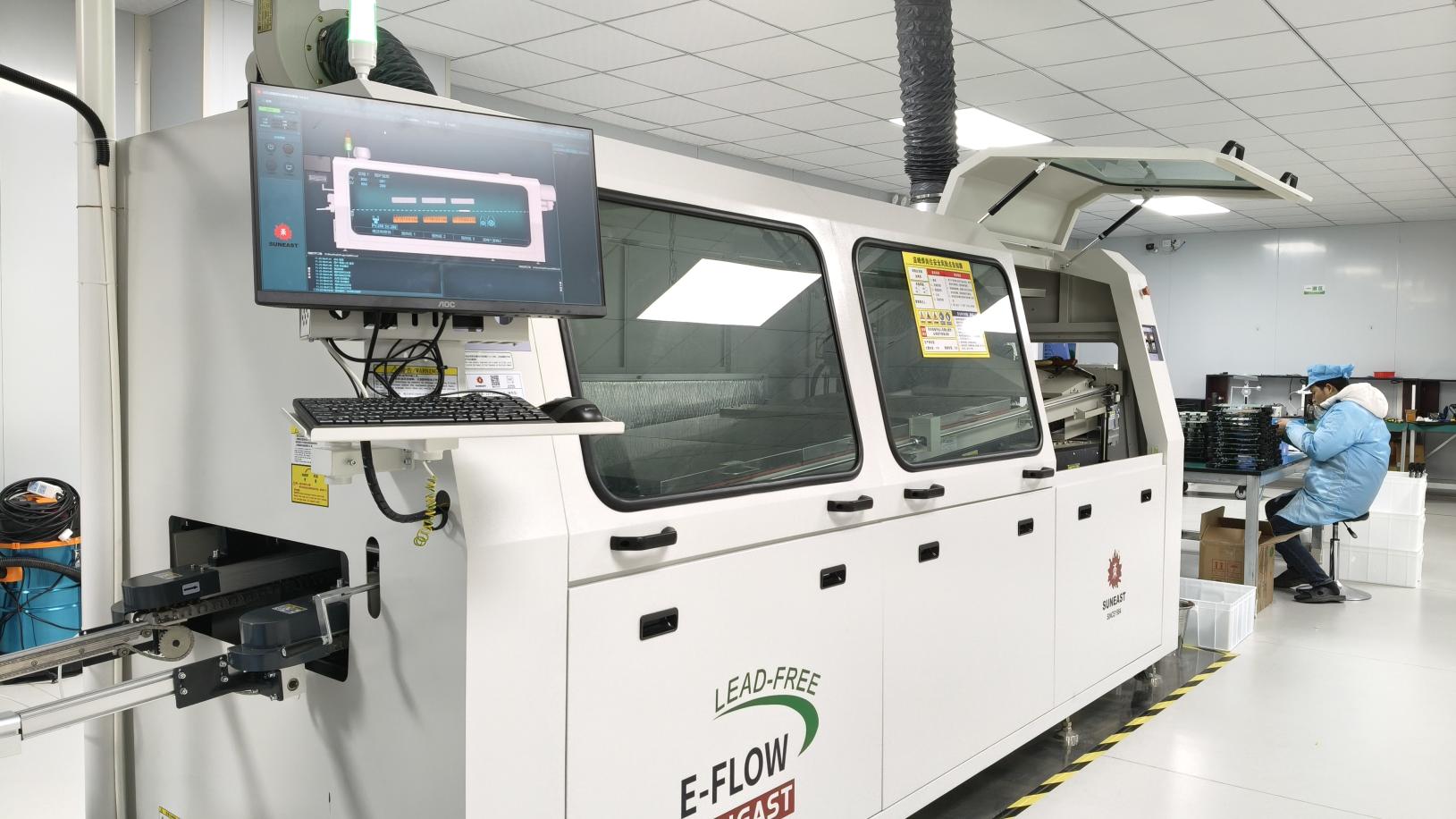
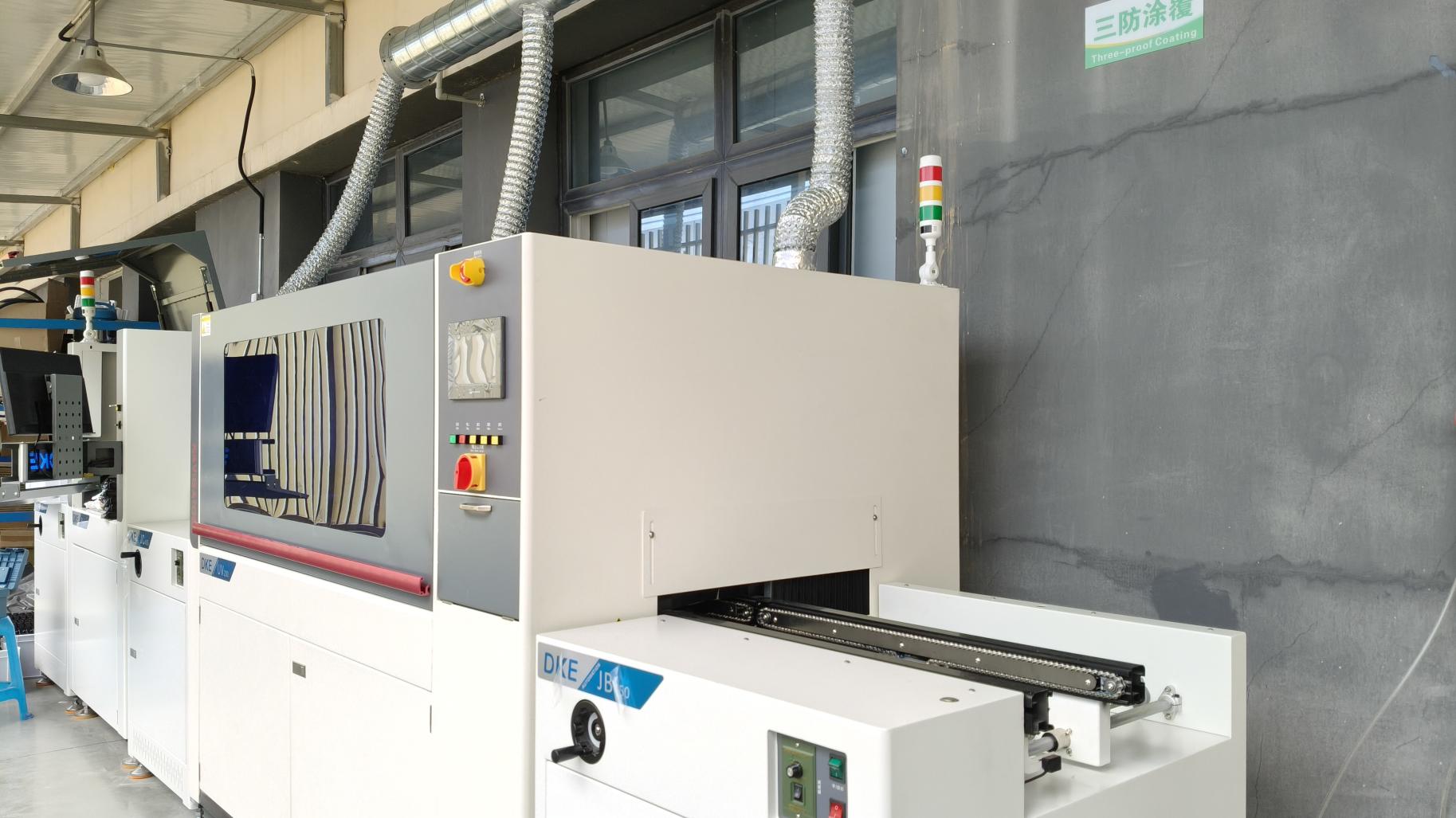
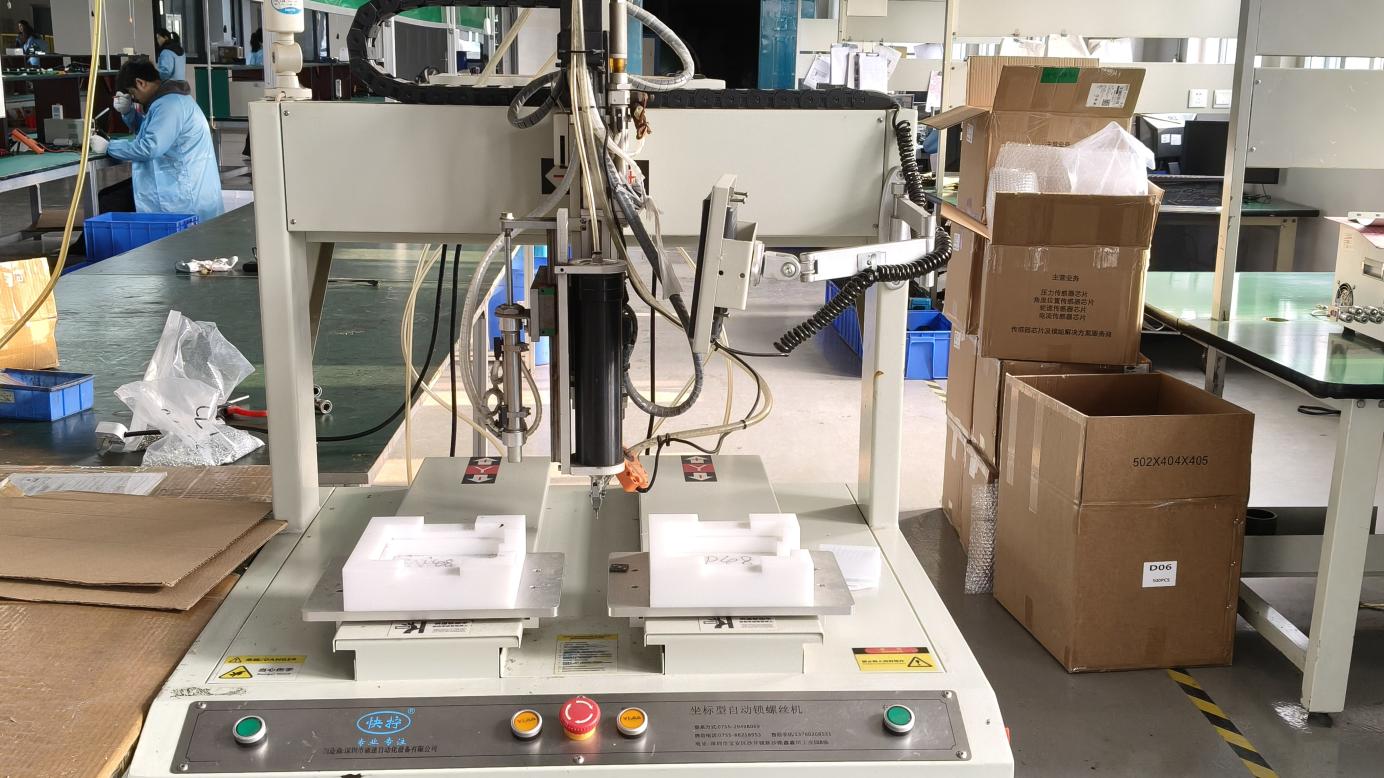
To protect control boards against the high humidity profiles of regions like Entre Ríos or the saline sea breezes of Buenos Aires Province, our manufacturing line integrates an automated Three-Proof Coating Equipment phase. This deposits an ultra-thin conformal silicone barrier over the electronic assemblies, isolating copper traces from humidity, dust, and corrosive aerosols. All completed electronics must pass rigorous Automated Optical Inspections (AOI) followed by 72 continuous hours of active power aging test trials before packing.
Importing industrial goods into Argentina requires deep familiarity with the bureaucratic and logistical mechanisms of the Argentine Customs (Dirección General de Aduanas - DGA). Our administrative export desks are well-versed in the information structures required under current SEDI (Sistema de Importación de la República Argentina) frameworks, ensuring transparent commercial invoice filings, HS codes accuracy (generally under 8513.10 or 8530.80), and certificate of origin documentation to secure preferential tariff rates where applicable.
Furthermore, our engineering team works in coordination with accredited testing bodies to align technical files with local IRAM (Instituto Argentino de Normalización y Certificación) requirements and electrical safety certifications. We provide comprehensive technical dossiers containing CE, RoHS, and IEC laboratory test certificates, which significantly speed up clearance protocols at the ports of Buenos Aires and Rosario.
Modern engineering contracts in Argentina require reliable lighting solutions customized for specific applications. Our product line supports several key domestic sectors:
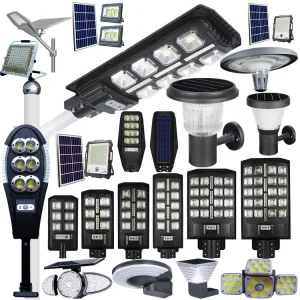
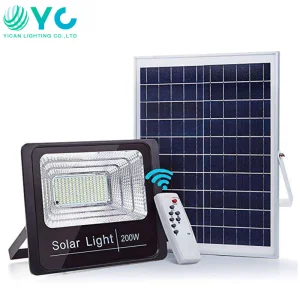
Explore our full range of solar wall lighting, floodlights, and CCTV monitoring systems engineered to withstand severe weather, maintain battery life, and minimize operational costs.
Here are detailed answers to key technical, regulatory, and shipping questions commonly raised by electrical engineers, municipal contractors, and lighting distributors operating in the Southern Cone region:
 Lili Light