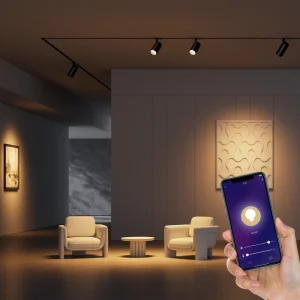
High-performance energy saving luminaires and heavy-duty smart street solar configurations for B2B global sourcing projects.
In an era defined by aggressive decarbonization mandates and stringent environmental, social, and governance (ESG) targets, industrial-grade solar powered lighting has evolved from a secondary green alternative into a core infrastructure strategy. High-efficiency photovoltaic (PV) modules, combined with solid-state lighting advances and lithium iron phosphate (LiFePO4) energy storage, now deliver performance levels comparable to, or exceeding, traditional grid-connected solutions.
This document serves as a comprehensive B2B sourcing whitepaper, outlining the technological architecture, manufacturing quality benchmarks, and procurement parameters that define the upper tier of Chinese wholesale solar light manufacturers. For global commercial enterprises, municipal procurement departments, and system integrators, selecting the right manufacturing partner in China goes beyond finding the lowest cost per unit. It requires verifying manufacturing automation, testing rigor, hardware component compatibility, and long-term E-E-A-T (Experience, Expertise, Authoritativeness, and Trustworthiness) standards.
A macro-economic analysis of supply chain consolidation, resource integration, and raw material optimization.
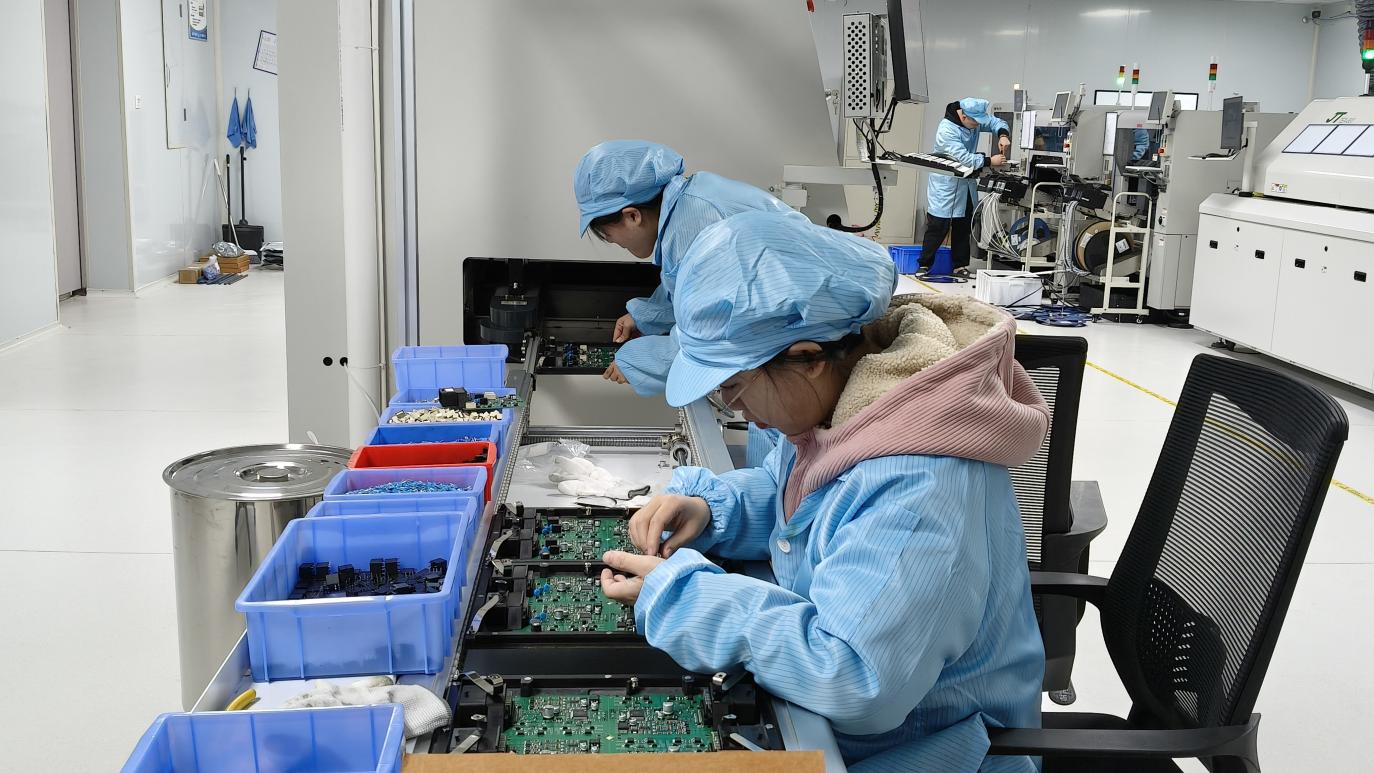
China's coastal manufacturing corridors, especially within Zhejiang and Guangdong provinces, host the most concentrated solid-state lighting and photovoltaic supply chains on earth. From polysilicon refining, wafer fabrication, and raw aluminum casting to SMT (Surface Mount Technology) assembly and automated test facilities, every component is manufactured within a 50-kilometer radius. This extreme proximity drastically reduces logistical latency, minimizes transaction costs, and accelerates time-to-market for custom OEM and ODM orders.
Leading Chinese factories operate advanced prototyping setups that allow rapid engineering modifications. Whether a project demands a specific beam angle, customized Color Rendering Index (CRI Ra>95) to match high-end commercial architecture, or specialized anti-glare COB configurations, Chinese engineering teams can turn schematic modifications into physical test samples within days. This flexibility is supported by localized access to state-of-the-art optical engineering tools and thermal modeling software.
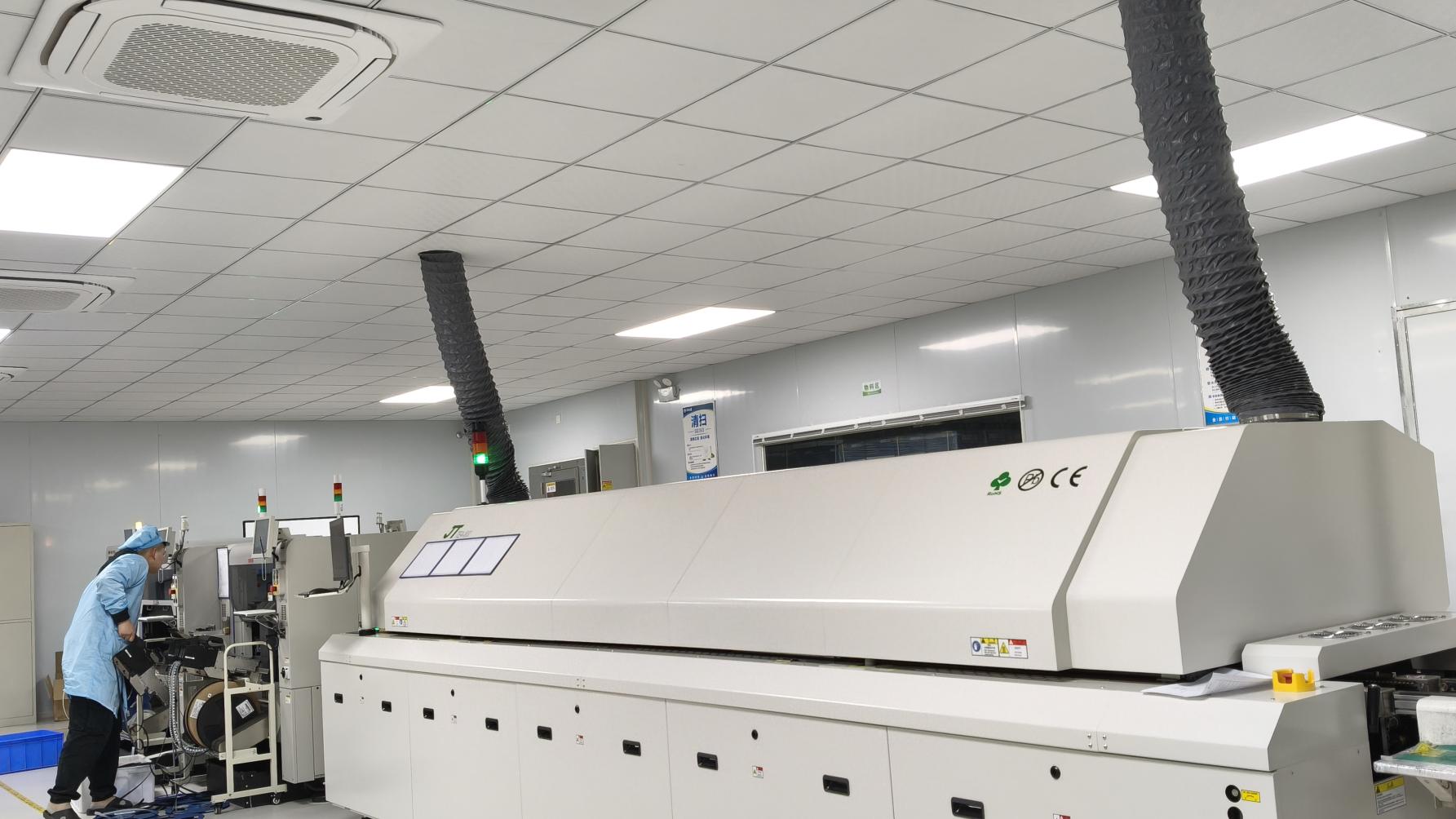
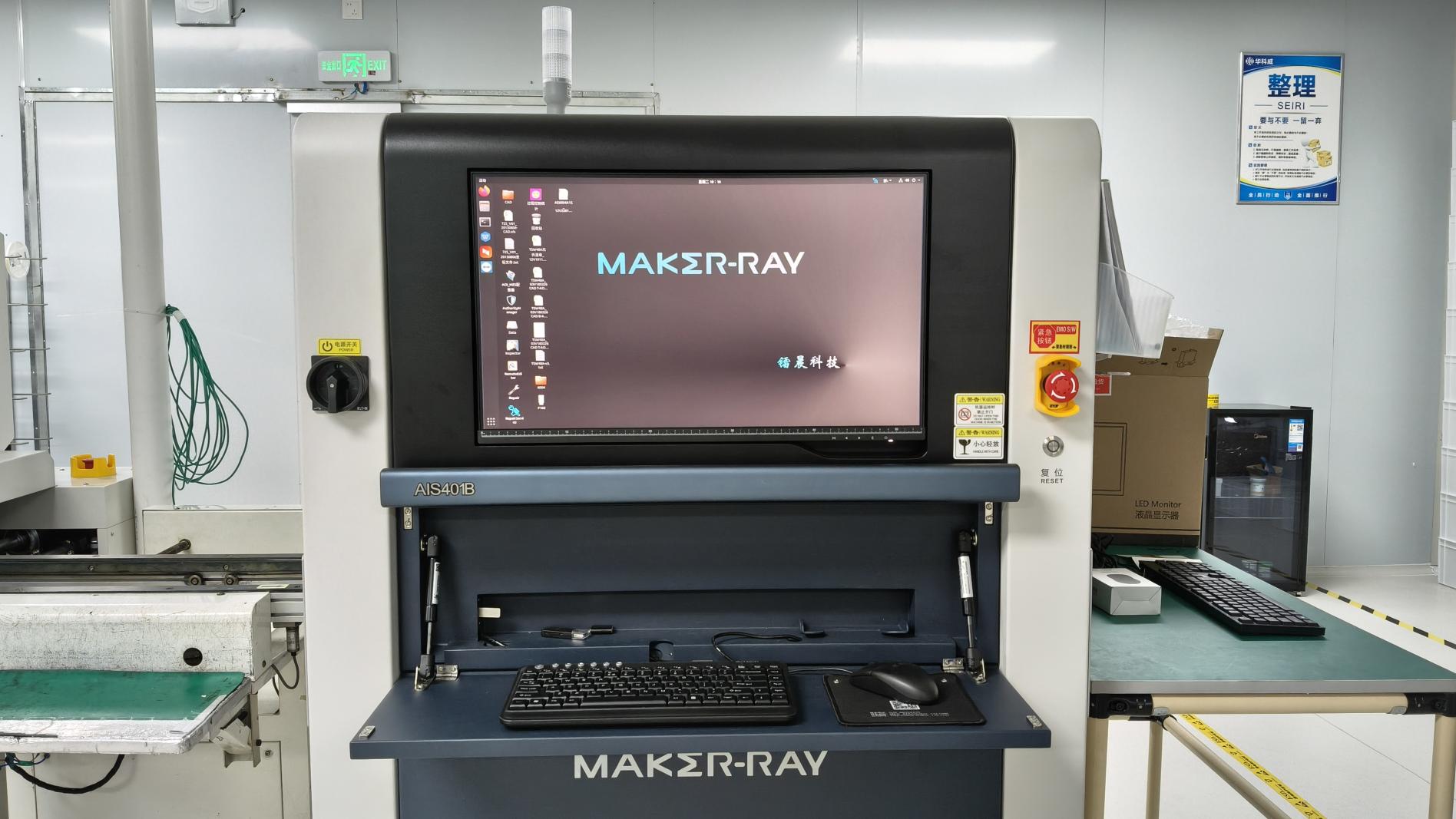
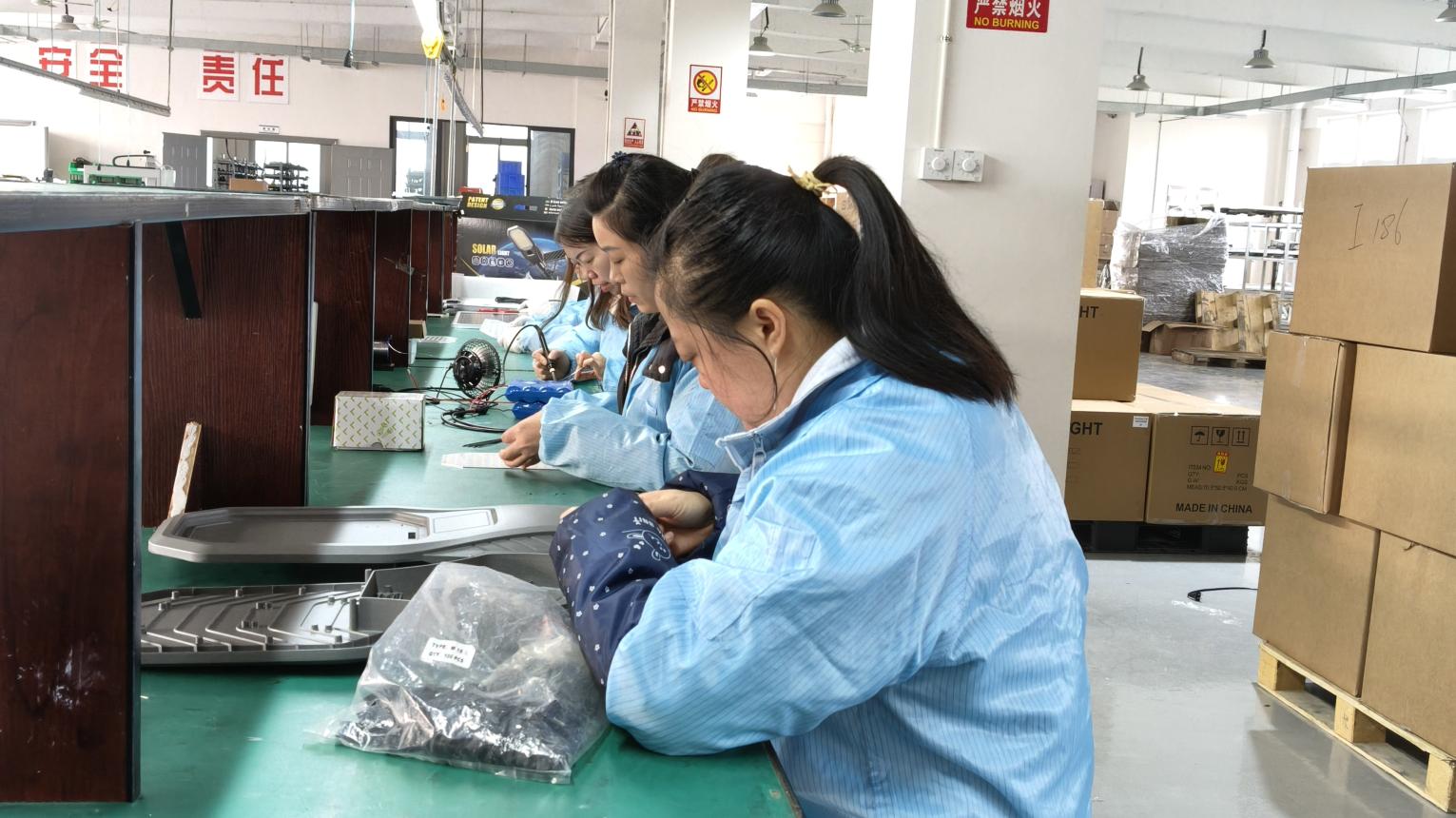
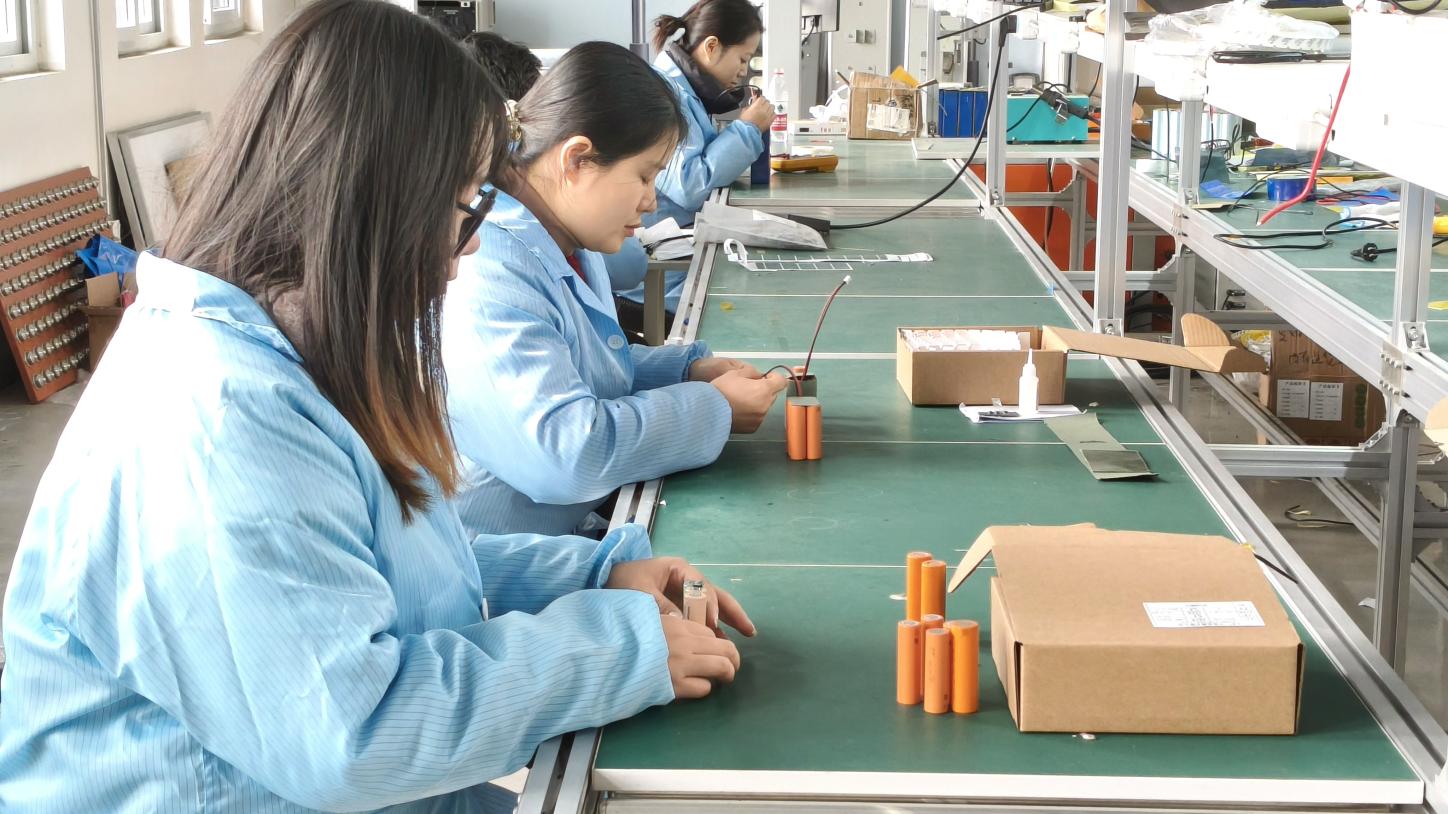
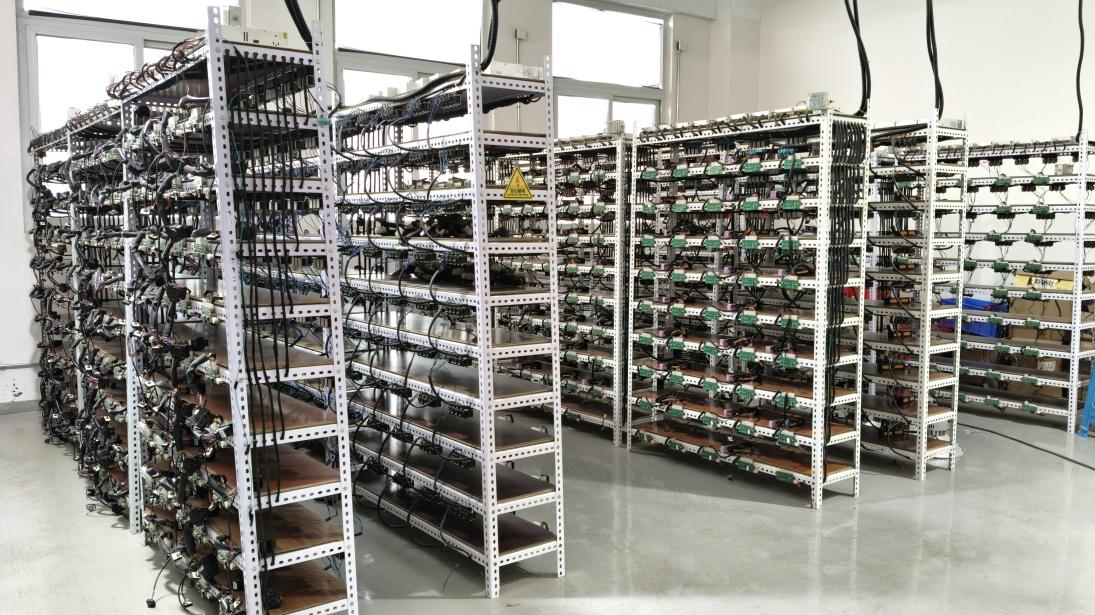
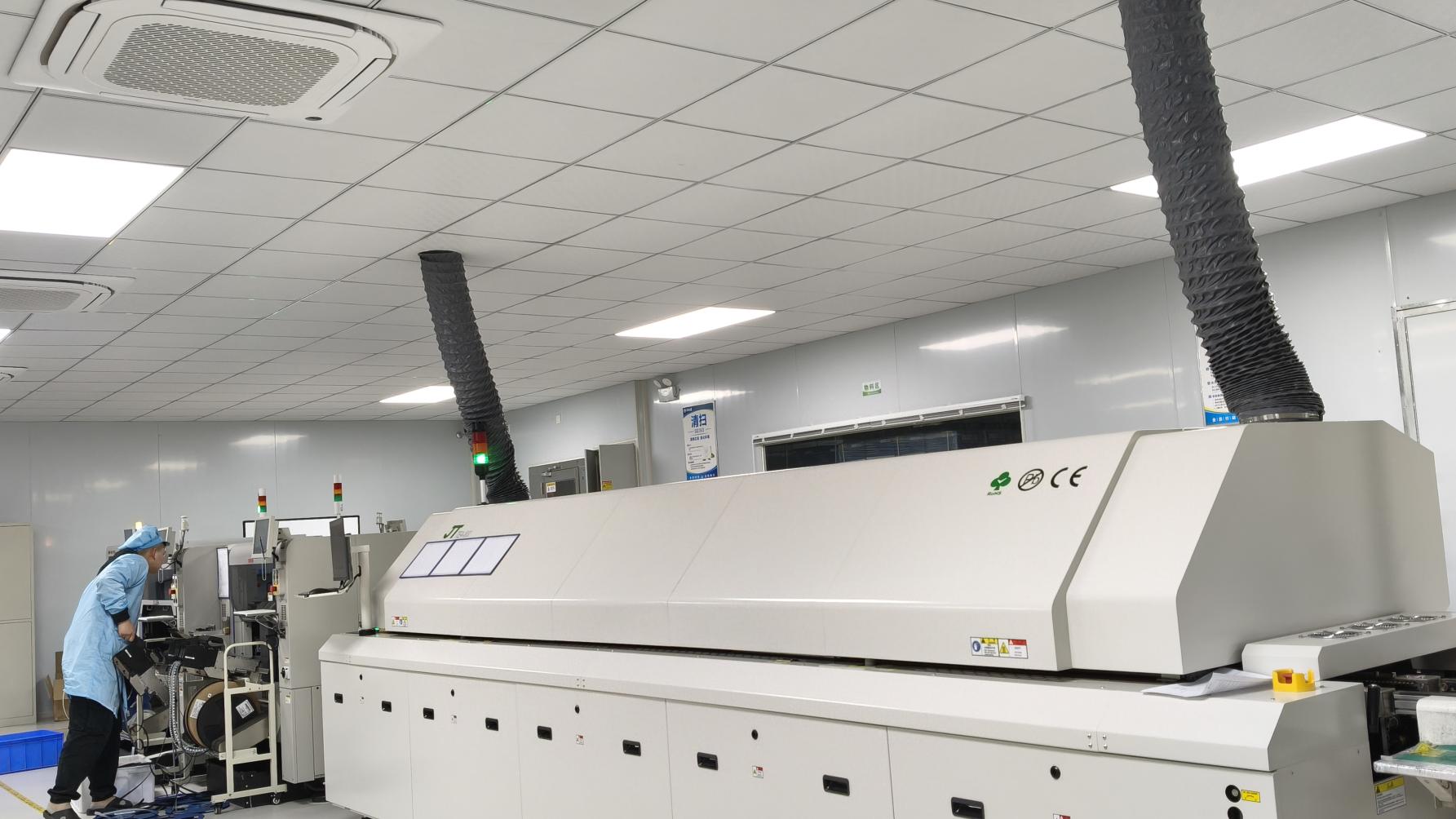
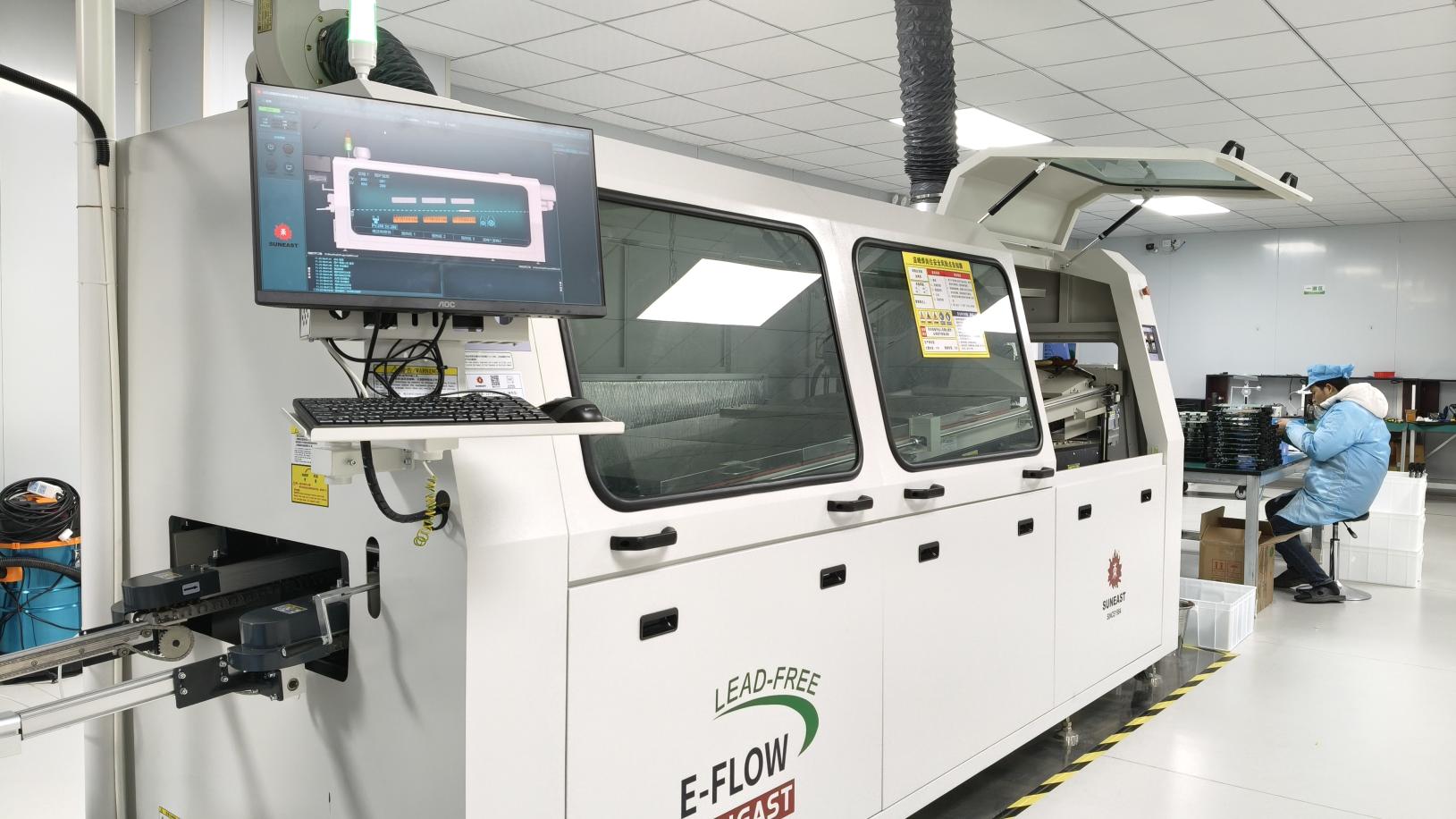
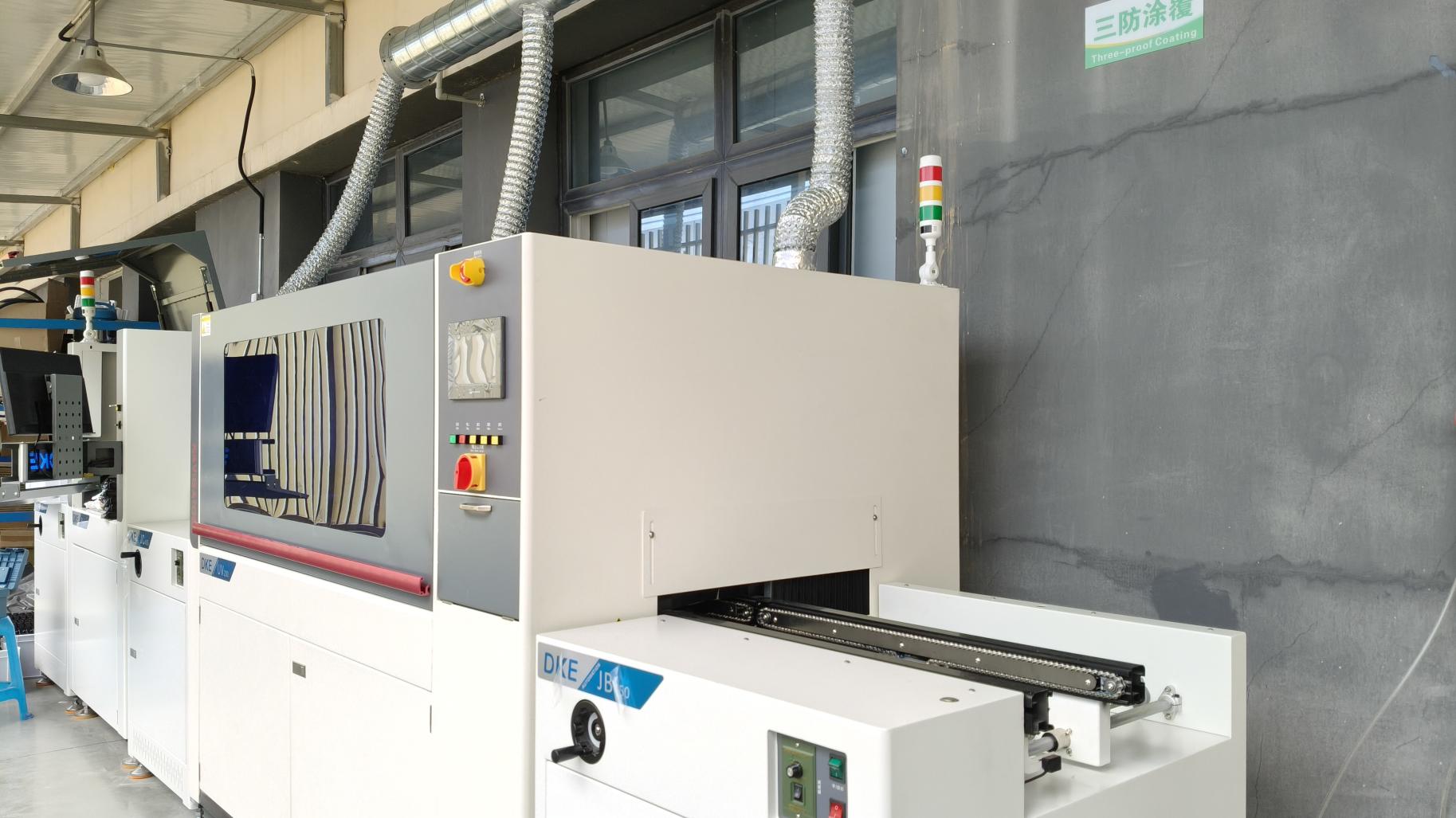
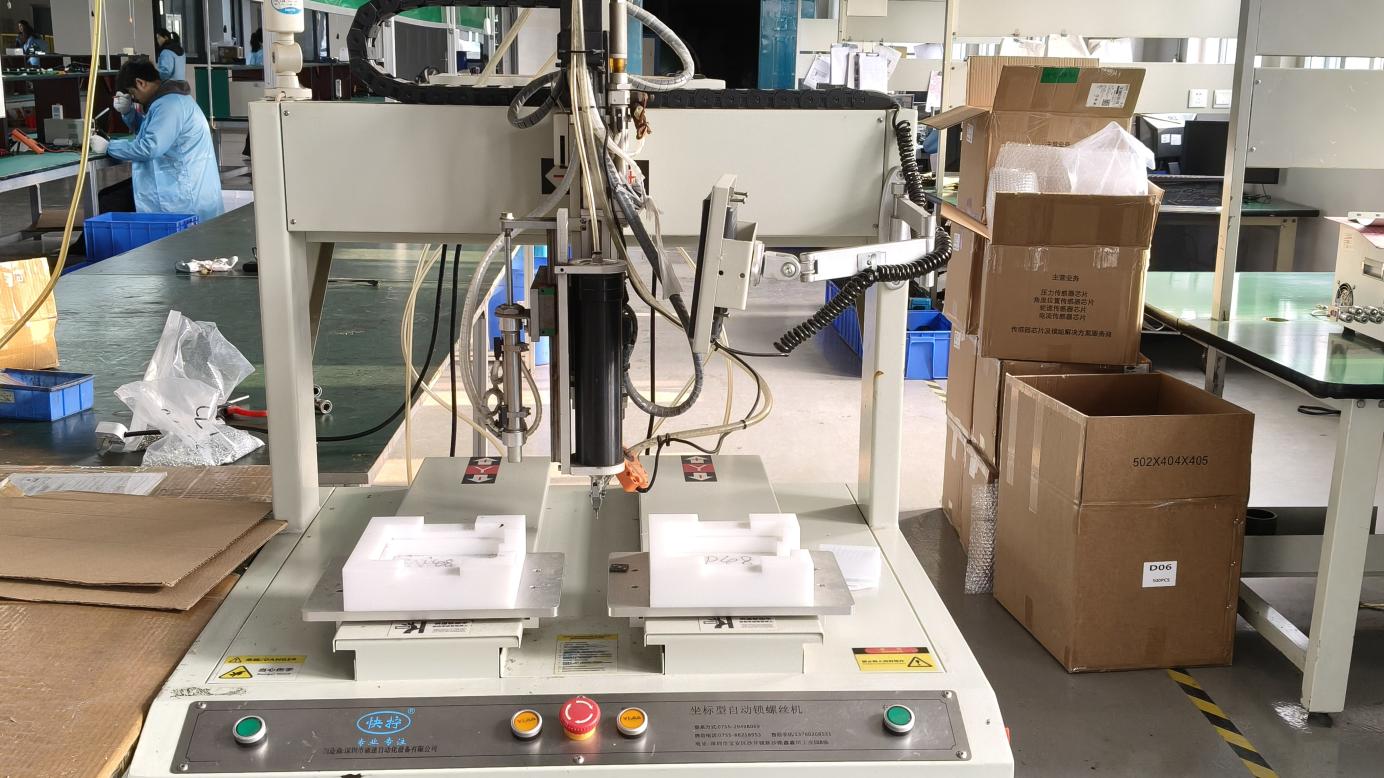
Export-focused manufacturers implement robust standard operating procedures aligned with global validation bodies. Quality assurance steps are built directly into production, utilizing Automated Optical Inspection (AOI), high-temperature aging chambers, and structural waterproofing chambers. This guarantees compliance with certifications such as CE, ETL, UL, RoHS, and DALI DiiA standards. High-tier factories actively mitigate risks, protecting global brands from regulatory hurdles and warranty failure costs.
Understanding the fundamental engineering dynamics that separate consumer-grade products from true industrial systems.
The foundation of any solar powered light is the solar panel. Modern industrial-grade solutions use high-grade monocrystalline silicon panels. Unlike cheaper polycrystalline alternatives, monocrystalline panels feature a uniform crystal structure that allows electrons to flow more freely, providing conversion efficiencies of 21% to 24%. This ensures that even under overcast sky conditions or at extreme latitudes, the panel generates sufficient current to charge the battery system.
Legacy systems relied on Lead-Acid or standard Lithium-Ion (NMC) chemistries, which suffered from short life cycles and susceptibility to thermal runaway. High-tier industrial solar streetlights have fully transitioned to Lithium Iron Phosphate (LiFePO4). LiFePO4 batteries deliver up to 3,000 to 5,000 charge cycles at 80% Depth of Discharge (DoD), compared to just 500 cycles for traditional batteries. They maintain thermal stability in temperatures up to 65°C and possess built-in Battery Management Systems (BMS) to protect against over-charging, over-discharging, and cell imbalance.
Traditional solar lights use Pulse Width Modulation (PWM) controllers, which simply pull the panel voltage down to match the battery voltage, wasting up to 30% of potential energy. Advanced systems employ Maximum Power Point Tracking (MPPT) algorithms. MPPT controllers continuously monitor the current and voltage output of the solar panel, adjusting the input electrical operating point to deliver the maximum possible power to the battery. This technology ensures charging efficiency remains high under complex, shifting environmental conditions.
An efficient power generation and storage system must be paired with a highly efficient light engine. Premium LED arrays utilize high-performance multi-junction semiconductor dies that produce up to 180 lumens per watt. These arrays are paired with precision-engineered optical lenses that direct light where it is needed, eliminating wasted sky-glow and minimizing glare. For high-end architectural and commercial projects, maintaining a high color rendering index (CRI Ra>95) is essential to preserve natural color structures and enhance visual clarity.
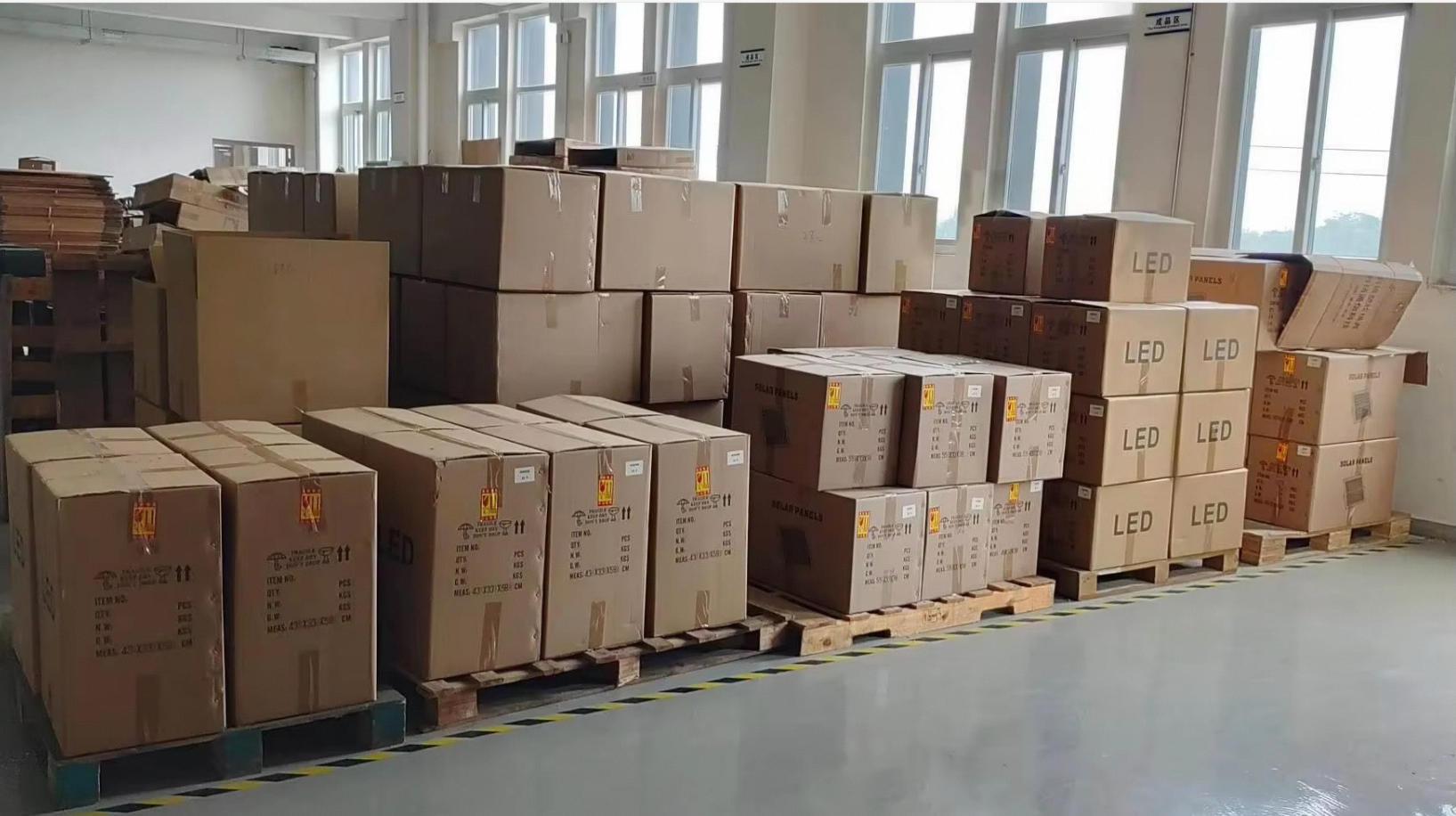
Zhejiang Lili Light Co., Ltd. is a premier professional manufacturer and exporter specializing in high-performance LED lighting systems and fully integrated solar illumination solutions. Grounded in continuous R&D investment, advanced manufacturing technologies, and strict ISO 9001 quality management systems, our company has built reliable partnerships with professional buyers across Europe, South America, Southeast Asia, and the Middle East.
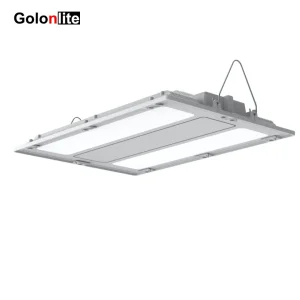
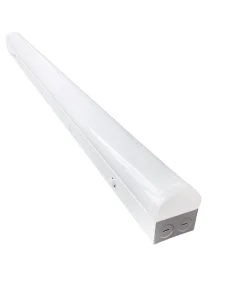
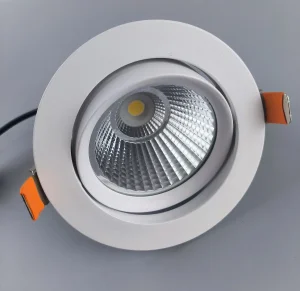
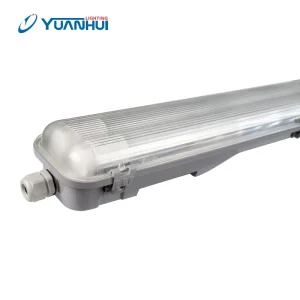
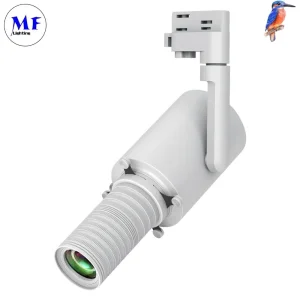
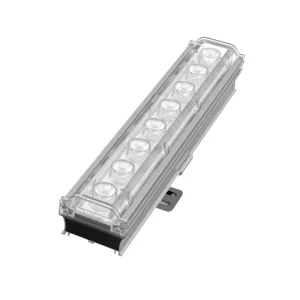
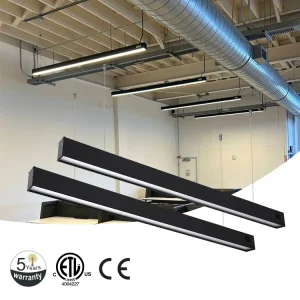
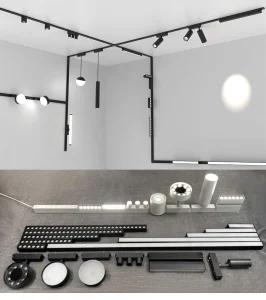
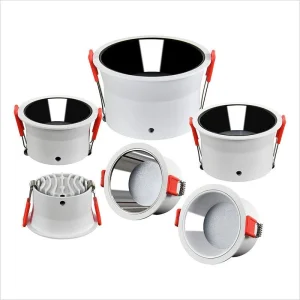
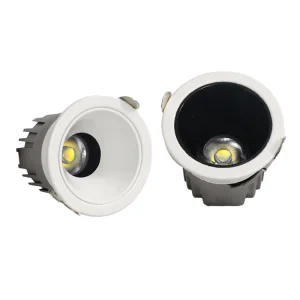
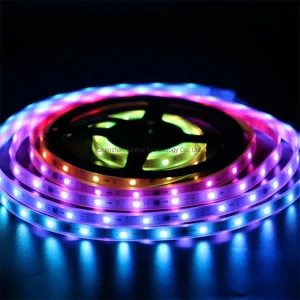
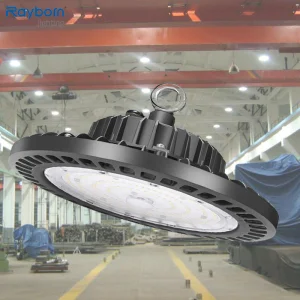
Our comprehensive product portfolio bridges indoor commercial spaces and rugged outdoor infrastructure. From advanced architectural LED downlights, high-CRI spotlights, and modular track systems to high-power industrial UFO high bays, weatherproof wall washers, and smart solar-powered street lighting, we deliver versatile options that integrate structural durability with clean, modern aesthetics. We specialize in accommodating complex OEM and ODM specifications, working directly with clients to meet the regulatory and performance needs of their target markets.
Crucial technical assessment parameters for global procurement managers and structural engineering clients.
Outdoor solar systems are exposed to harsh environments, including heavy rain, coastal salt spray, wind loads, and airborne particulate matter. Sourcing managers must look for fixtures with a minimum certification of IP65 Ingress Protection, with IP66 or IP67 preferred for tropical or coastal zones.
Additionally, the mechanical body of the light should carry a certified IK Impact Rating (preferably IK08 or higher). This ensures the casing, solar panel cover glass, and LED optics can withstand falling debris, hail, or mild vandalism without exposing sensitive electronic components to water ingress or physical damage.
A high-quality LiFePO4 battery cell is only as good as the electronics controlling it. When reviewing factory specifications, ensure the BMS features:
Excessive heat is the primary driver of premature LED degradation and battery wear. Premium fixtures employ heavy-duty die-cast aluminum housing designed with dedicated convection channels. Look for structures that physically separate the battery chamber from the hot LED driver board and LED array.
This thermal separation prevents heat transfer from the light source to the battery cells, maintaining the battery environment near the optimal 25°C to 30°C temperature range. High-performance aluminum backplates also ensure junction temperatures of the LED chips remain low, protecting their long-term lumen maintenance profiles (L70/B50 standards).
Before signing procurement contracts, verify the factory holds up-to-date third-party laboratory certifications:
How customized solar lighting configurations are deployed across diverse municipal, industrial, and commercial settings.
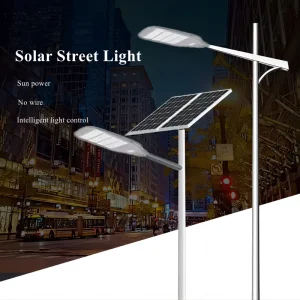
City planning initiatives require cost-effective public illumination that minimizes energy consumption. Deploying smart solar street lights eliminates the need for expensive underground cabling and grid connections. Integrated motion sensors dim the fixtures during low-traffic periods, extending battery autonomy throughout the night. This approach delivers reliable public safety lighting while helping municipalities meet local carbon reduction targets.
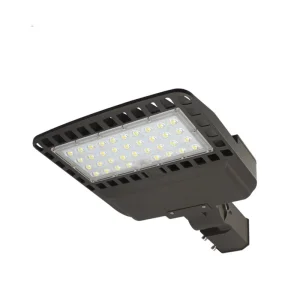
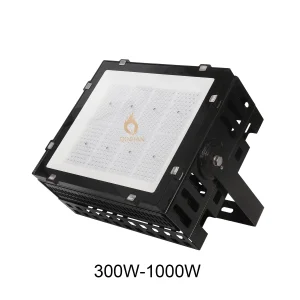
Large shipping terminals, manufacturing yards, and commercial warehouses need continuous, uniform illumination to ensure operational safety and security. High-power LED floodlights and parking lot shoebox lights provide consistent foot-candles across extensive loading zones. High lumen output and reliable operation ensure forklifts and ground staff work under clear, well-lit conditions, reducing operational errors and physical hazards.
High-end resorts, retail hubs, and corporate offices utilize lighting to elevate architectural character. Dimmable wall washers, embedded background lights, and adjustable track spotlights provide precise beam control to accentuate textures and structures. Selecting fixtures with high color rendering (CRI Ra>95) and adjustable correlated color temperatures (CCT) allows lighting designers to adapt the visual atmosphere to align with brand identity.
Clear, technical answers to common questions raised by engineers, project consultants, and purchasing managers.
Industrial-grade solar lights feature smart power management software that maintains function through prolonged poor weather. By combining high-efficiency monocrystalline solar panels with smart MPPT controllers, systems can harvest ambient energy even during heavy overcast conditions. Additionally, the controllers automatically detect lower battery state-of-charge (SoC) levels and adjust the output power. This transition to dynamic dimming patterns ensures the light remains operational for 5 to 7 consecutive rainy nights.
Lithium Iron Phosphate (LiFePO4) chemistry offers superior longevity compared to legacy battery options. Our integrated battery systems provide a design life of 8 to 10 years under standard operating conditions. They are rated to survive 3,000 to 5,000 full charge-discharge cycles while retaining over 80% of their original capacity. Internal Battery Management Systems (BMS) continuously regulate charging parameters to protect cells from over-charging and thermal stress.
Yes, our manufacturing facility supports full custom parameters through our OEM and ODM programs. We offer adjustable Correlated Color Temperature (CCT) options ranging from warm yellow (2700K) to cool white (6500K). For high-end architectural accents, museums, and retail installations, we supply LED arrays featuring high Color Rendering Index values (CRI Ra>95). This allows project designers to maintain accurate color rendering and visual consistency.
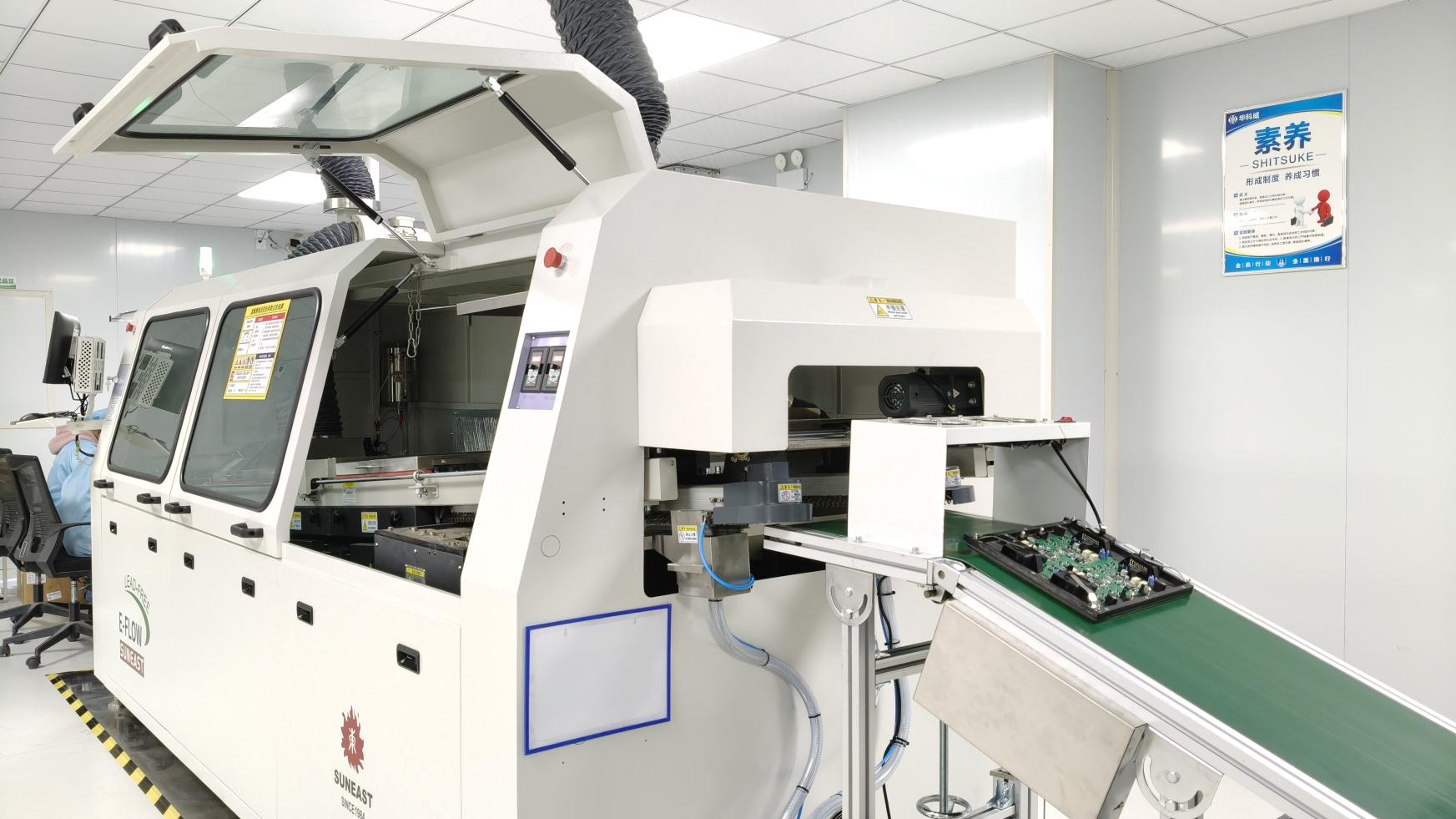
Standard wholesale production runs require 25 to 35 business days from design confirmation to final container packing. Custom ODM designs that need specialized tooling, custom extrusion housings, or distinct electronics certifications may require an additional 15 to 20 days. The production timeline includes thorough testing phases, including automated SMT assembly, wave soldering, conformal coating, and a mandatory 48-hour continuous thermal aging test.
Expand your project portfolio with our energy-efficient commercial fixtures and high-power industrial lights.
 Lili Light