Advanced Commercial, Industrial, and Residential Smart Fixtures Engineered for Global Compliance and Architectural Adaptability
Analyzing key market drivers, energy codes, and high-precision driver topologies fueling the modern smart lighting boom.
In the contemporary landscape of international architecture and structural engineering, lighting design is no longer evaluated solely by lumen output. The imperative for deep energy conservation, spatial flexibilities, and circadian alignment has positioned **dimmable LED lighting** at the absolute core of green-building retrofits and modern infrastructure. Over the past decade, the global market for LED dimmable systems has transitioned from an optional luxury to an absolute compliance mandate, driven by dynamic upgrades in regulatory frameworks such as Europe's **ErP (Energy-related Products) Directive**, the United States' **Title 24 Building Energy Efficiency Standards**, and various LEED rating benchmarks.
From an industrial perspective, dimmability is crucial for balancing thermal management, fixture life cycle expectancy, and human factors. Commercial workspaces, massive distribution centers, and high-performance manufacturing complexes leverage automated dimming systems to harvest natural daylight. These daylight harvesting strategies dynamically adjust fixture output, reducing energy draw by up to **45%** beyond standard LED installations. Furthermore, by utilizing localized dimming profiles, industrial operators can reduce thermal stress on driver semiconductors, thereby extending the mean time between failures (MTBF) of critical high-bay modules.
For lighting distributors, procurement executives, and global system integrators, selecting the correct exporter is a high-stakes decision. The global supply chain demands manufacturing entities that not only exhibit massive scaling capacities but also strictly adhere to international certifications such as **UL, ETL, CE, RoHS, and FCC**. Leading exporters have built comprehensive electromagnetic compatibility (EMC) testing labs to ensure that their dimming drivers do not introduce harmful harmonic distortions (THD <10%) back into commercial utility lines. Partnering with professional Chinese manufacturers like Zhejiang Lili Light Co., Ltd. allows buyers to access optimized manufacturing lines capable of customizing driver parameters, beam angles, and IP-rated enclosures for specific environmental challenges.
Navigating the complex landscape of phase-cut, analog, digital, and wireless dimming systems
Understanding the underlying technical mechanisms of LED dimming is essential for successful project execution. LEDs are highly sensitive current-driven devices. Unlike traditional incandescent lamps that dim by voltage reductions, LEDs must be dimmed using specialized drivers that control the forward current via either **Analog Amplitude Modulation (Linear Dimming)** or **Pulse Width Modulation (PWM)**. The choosing of the control protocol is what determines the interoperability, resolution, and performance of the dimming system.
Widely used in retrofits, Triac dimming modifies the AC waveform by cutting parts of the phase. Modern Triac-compatible LED drivers require sophisticated bleeding circuits to maintain current stability and prevent flickering at low dimming ranges (typically down to 10% or 5%).
A robust standard for commercial systems. The driver receives a low-voltage DC control signal (0-10V). When the control voltage is at 10V, the light output is at 100%; at 1V or 0V, the output drops to 1%-10%, or switches off entirely in 0-10V setups containing integrated relays.
The industry standard for high-end architectural systems. DALI (Digital Addressable Lighting Interface) provides two-way digital feedback, allowing users to query driver statuses, dim individual fixtures or grouped systems, and configure precise logarithmic dimming curves.
The technical roadmap of dimmable systems is rapidly converging with spectral controls. **Tunable White technology** allows the adjustment of correlated color temperature (CCT) concurrently with lumen output. This capability underpins Human Centric Lighting, which mirrors the daylight cycle (cool, bright light during midday to foster alertness, transitioning to warm, dim light in the evening to stimulate melatonin production). On the control side, wireless mesh infrastructures such as **Bluetooth Mesh, Zigbee 3.0, and Matter** are replacing control wiring in projects where building modifications are restricted. These smart modules interface with high-performance drivers using standard digital interfaces like D4i, opening up diagnostic monitoring and energy tracking capabilities.
Exemplifying E-E-A-T through strict quality controls, automated lines, and precision engineering
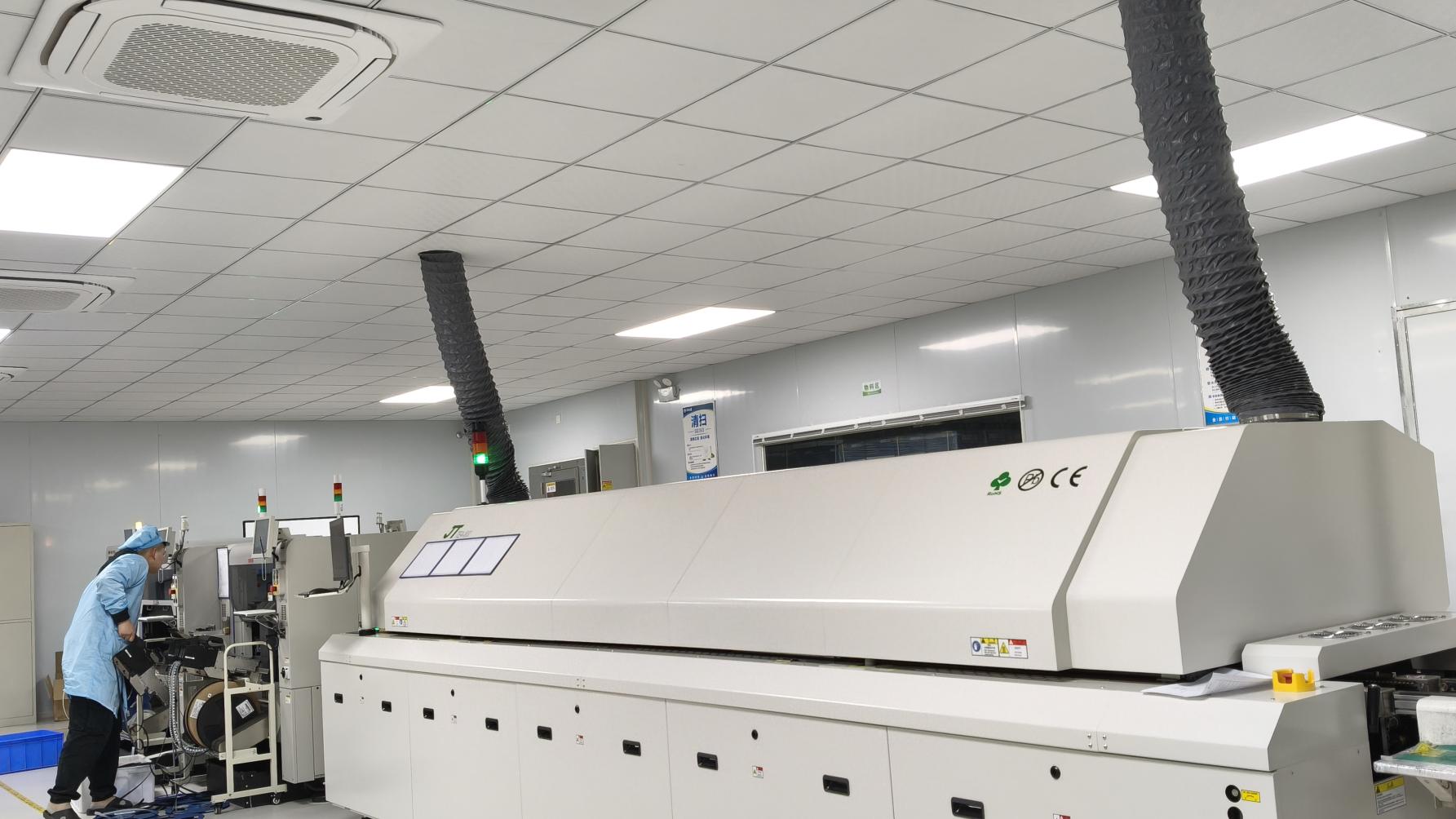
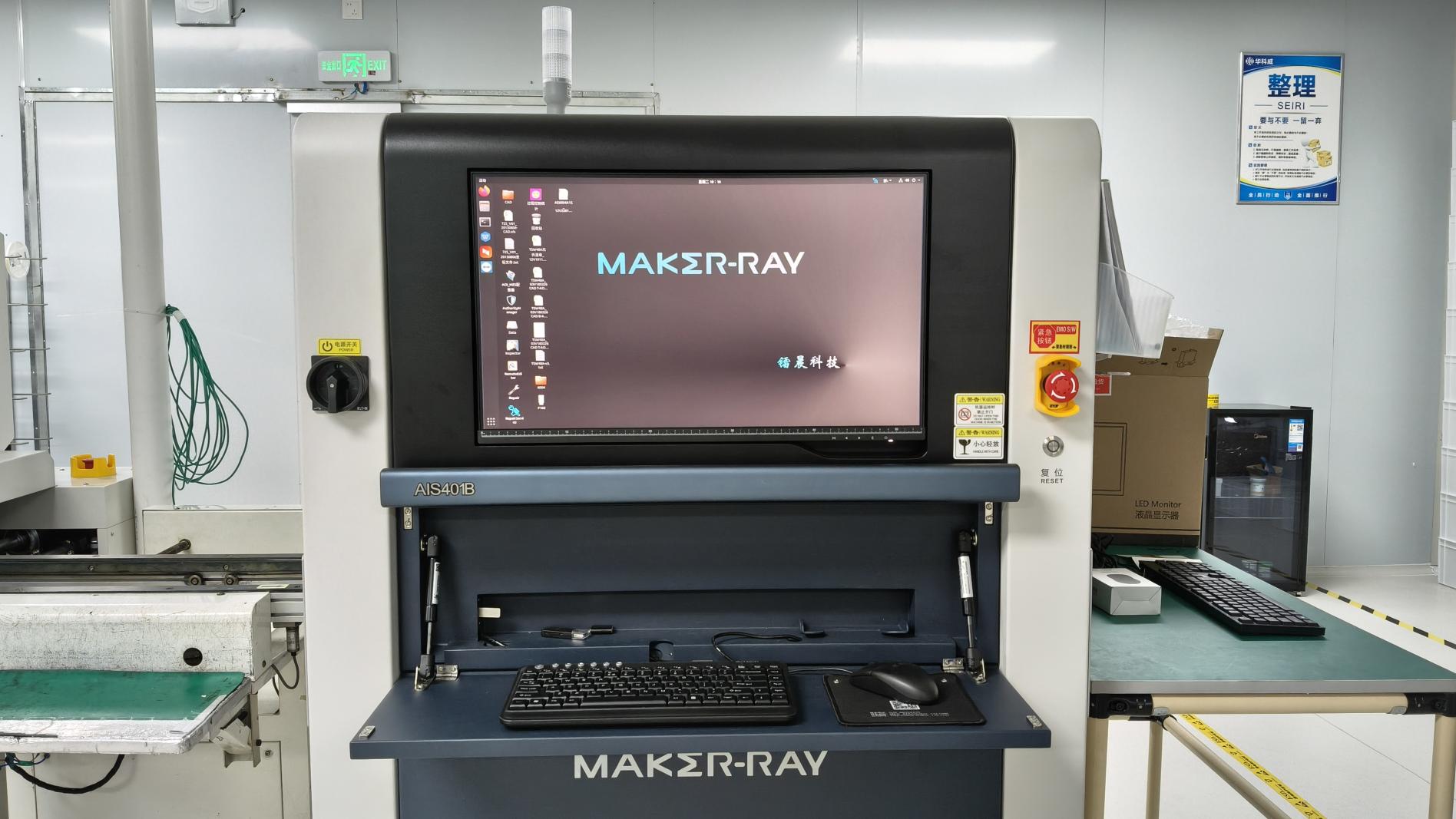
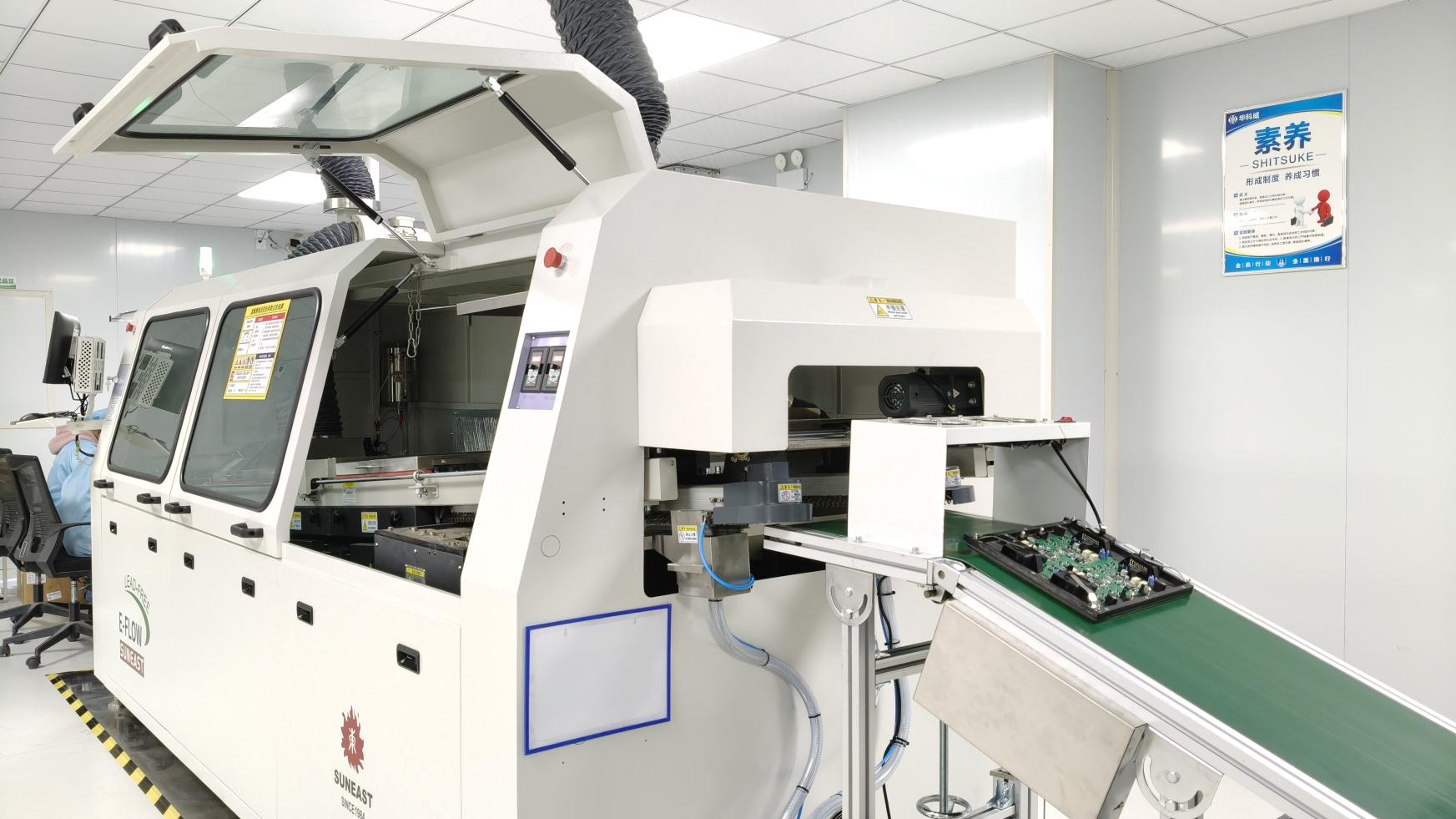
Zhejiang Lili Light Co., Ltd. stands as a professional manufacturer and exporter specializing in high-performance LED lighting products and integrated intelligent lighting solutions. With extensive experience in the solid-state lighting industry, the company is committed to delivering innovative, highly energy-efficient, and structurally reliable products to an international customer base. Supporting developers, engineers, and distributors globally, the enterprise continuously invests in research and development, surface mount technology (SMT), and rigorous optical calibration procedures.
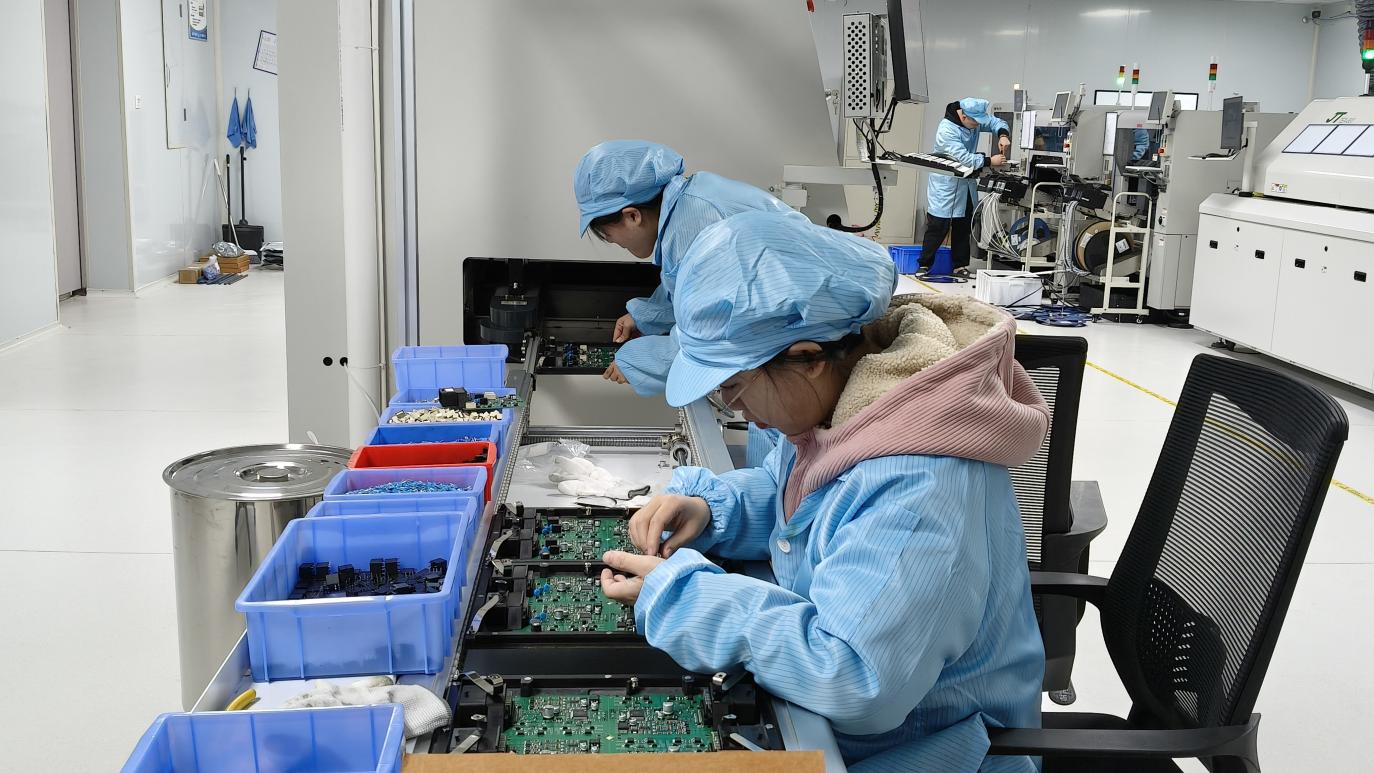
Quality and customer satisfaction form the cornerstone of Lili Light's business model. Every product undergoes strict inspection throughout the manufacturing process to guarantee stable driver operations, high power factor (PF >0.95), low harmonic distortion, and long service life. The factory supports flexible OEM and ODM services, enabling clients to develop customized solutions aligned with specific localized market requirements and structural codes.
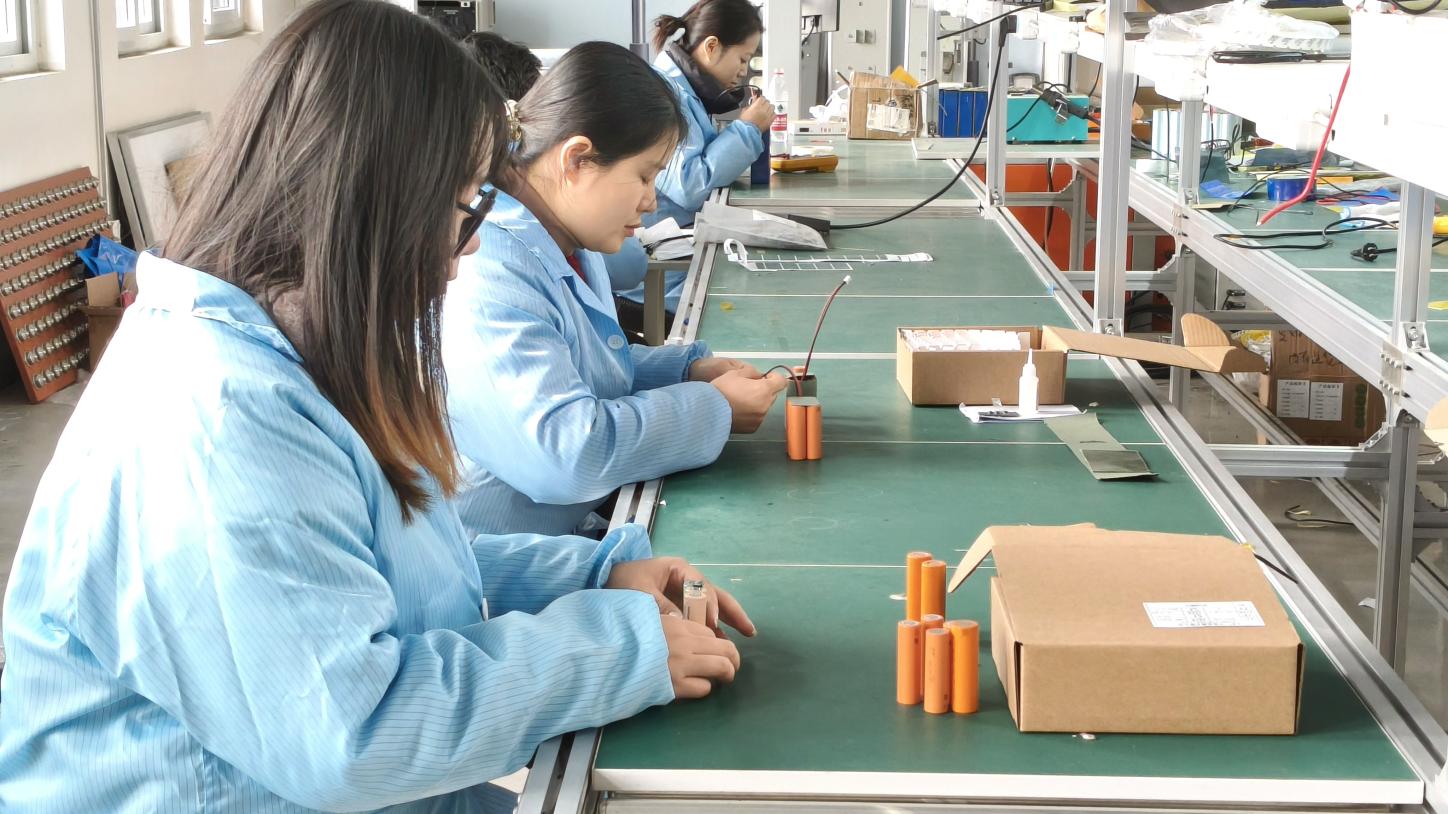
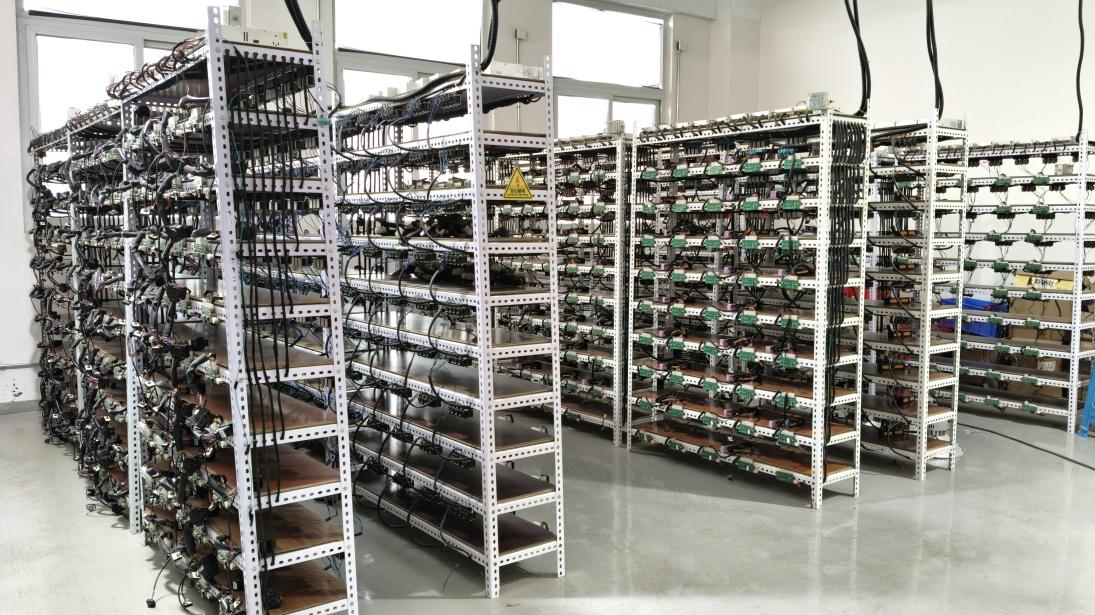
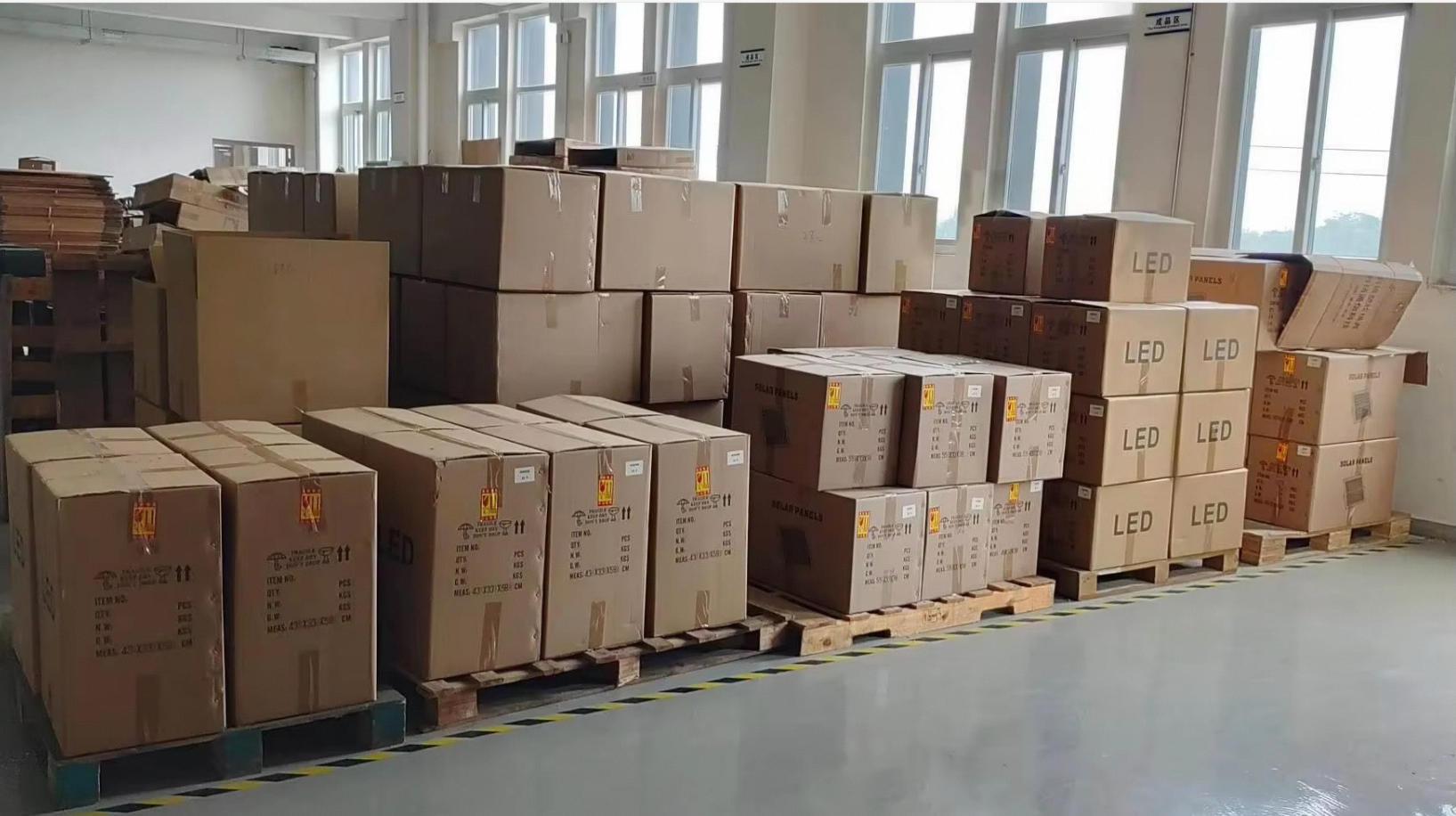
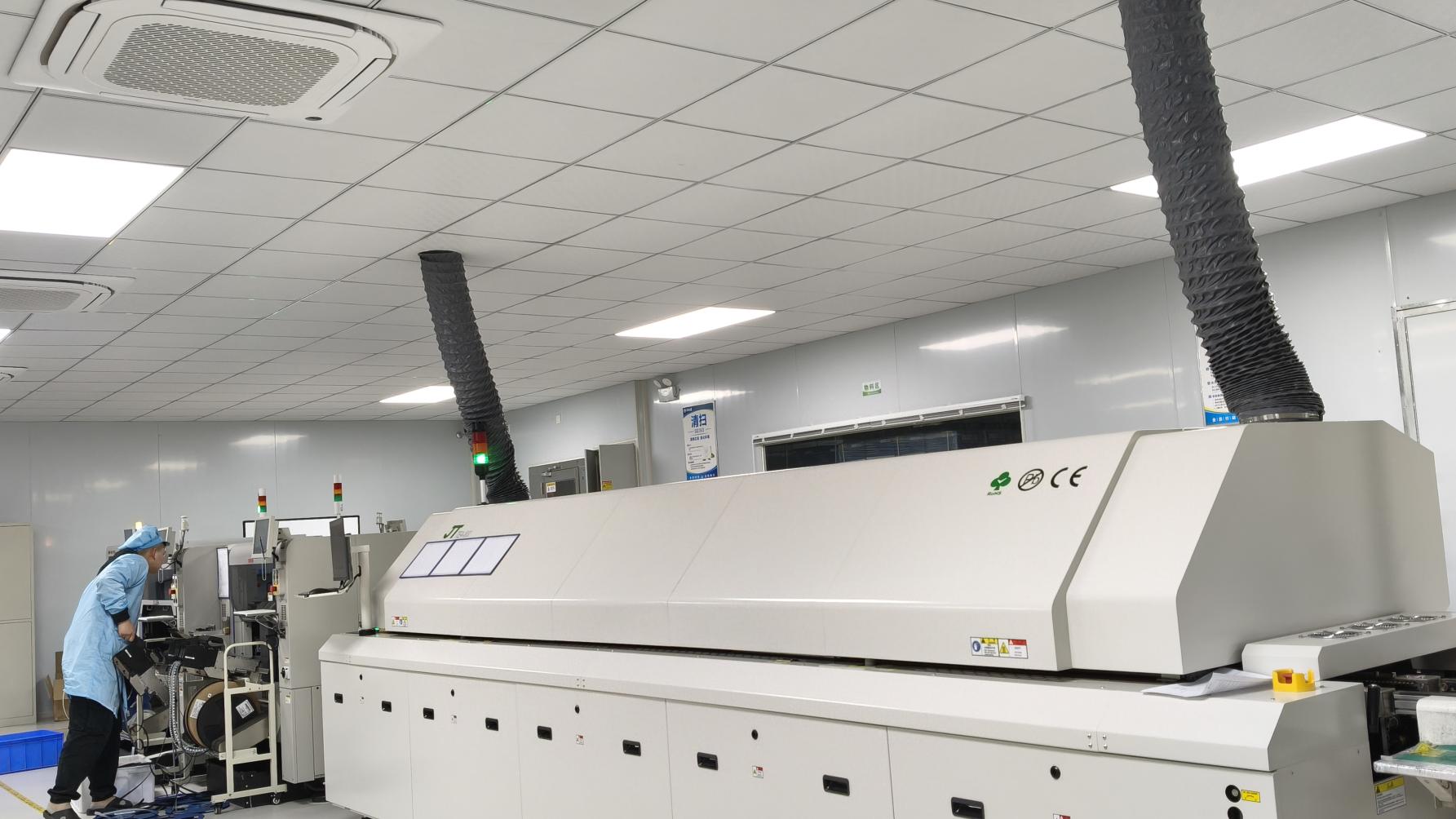
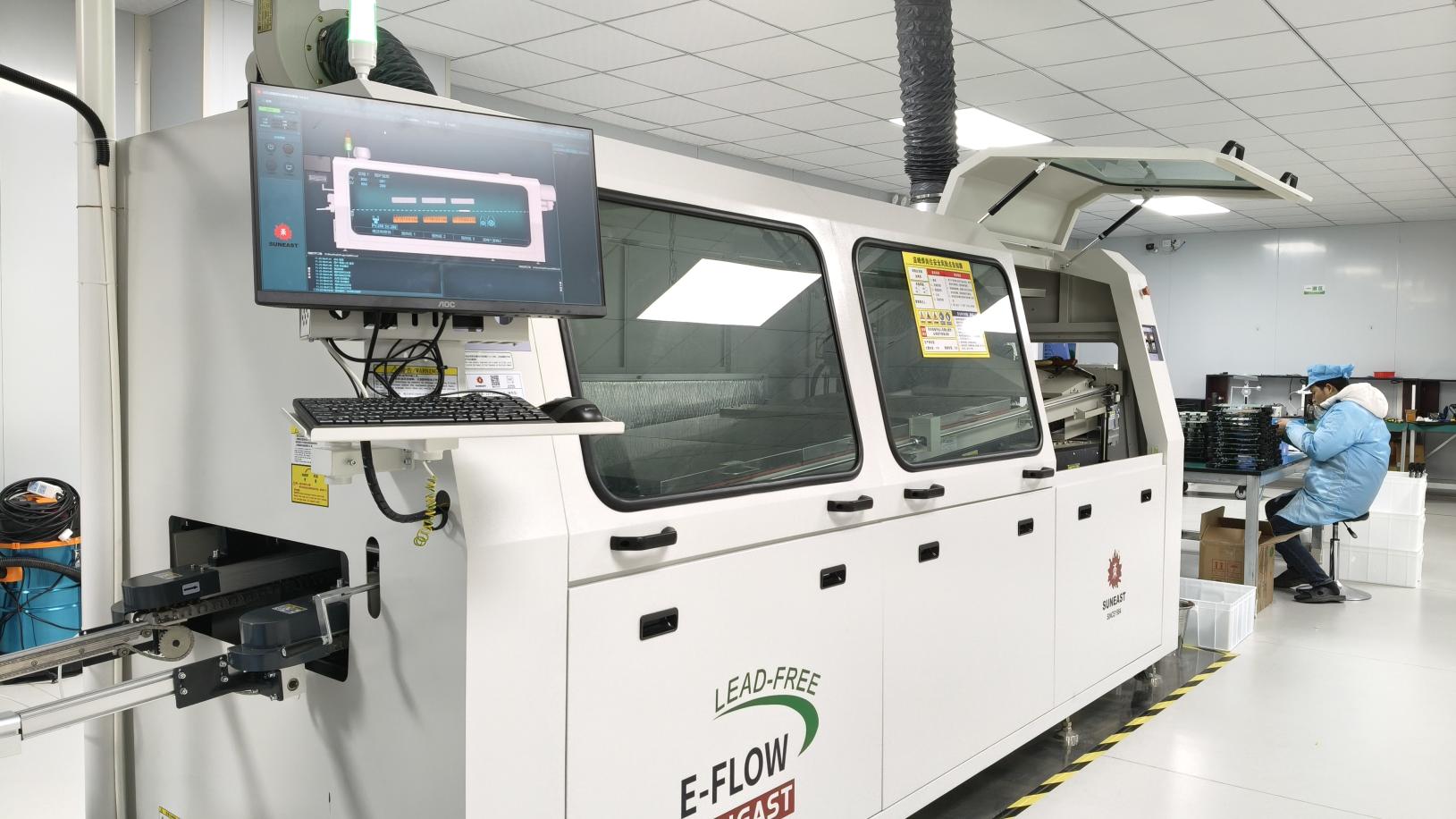
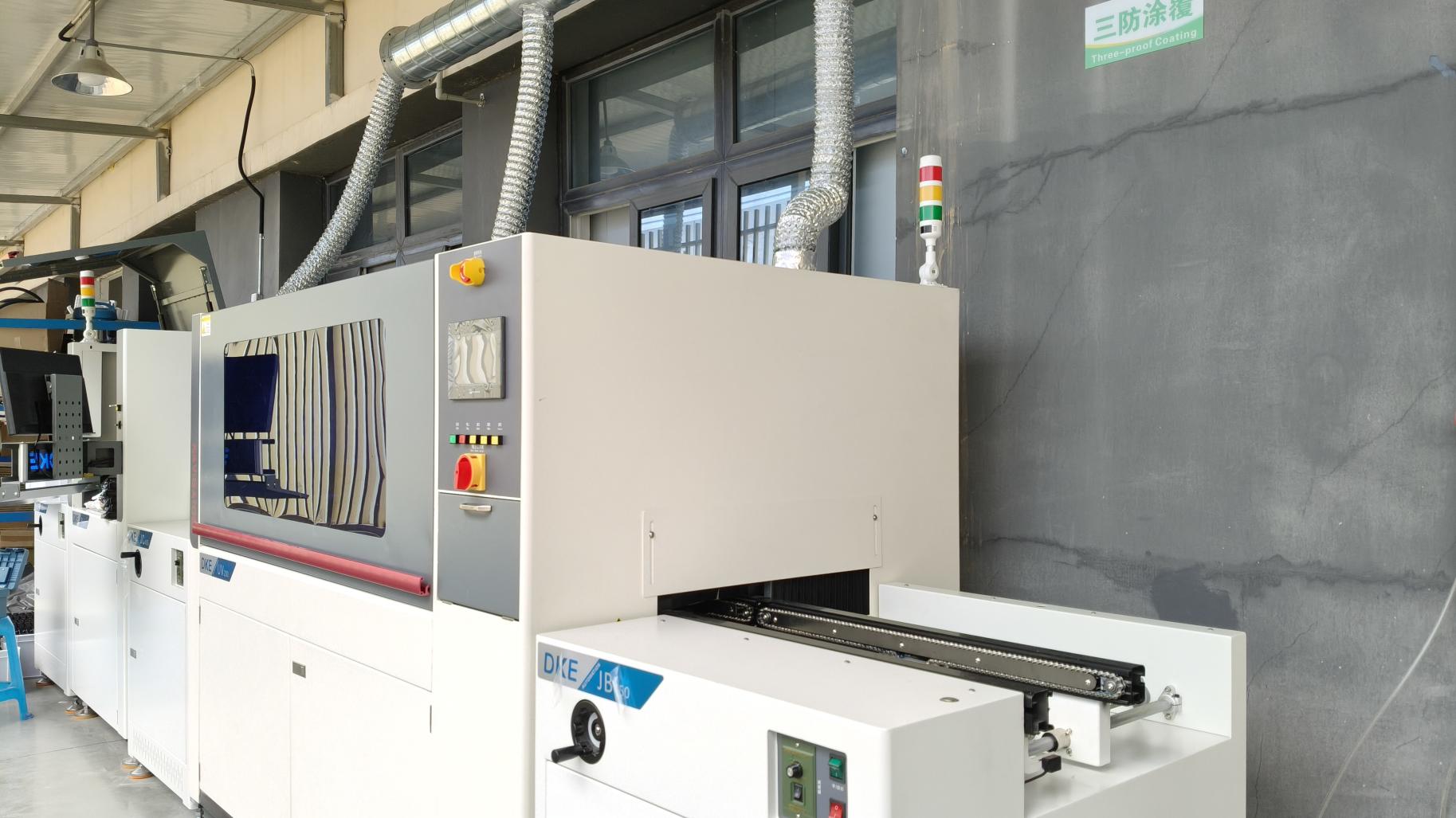
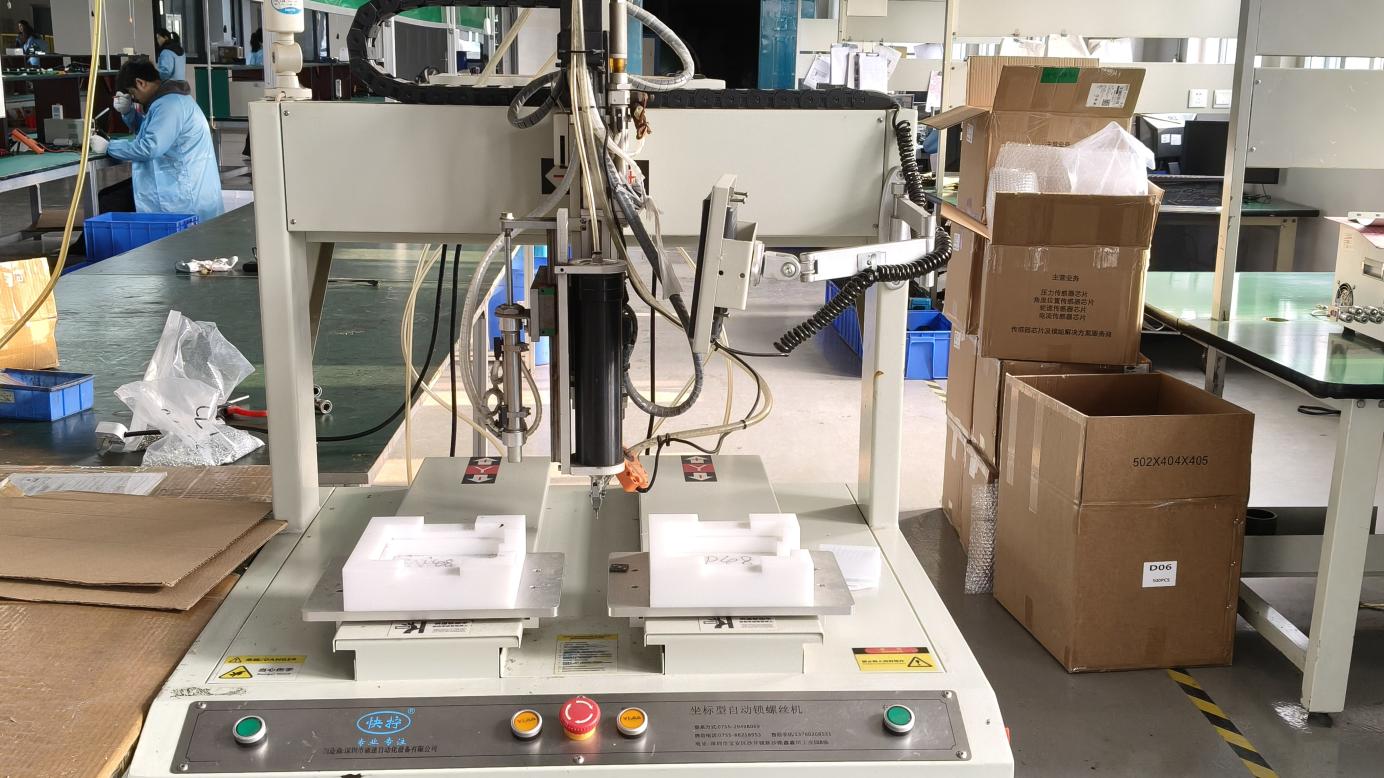
Below is a visual breakdown of the modern manufacturing workflow deployed by Zhejiang Lili Light Co., Ltd., demonstrating the technical depth and verification processes that go into each high-quality LED fixture:

Analyzing the performance demands and dimming architectures across distinct environments
Lighting requirements differ dramatically depending on structural contexts. System designers must deploy components designed specifically to mitigate environmental and visual constraints. Below we outline four key structural applications where specialized dimming architectures provide optimal solutions:
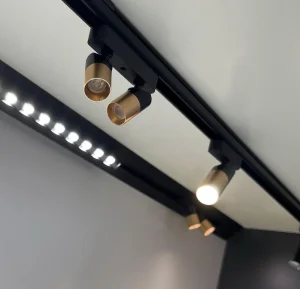
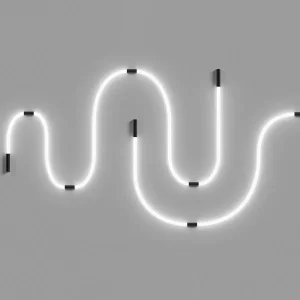
In retail displays and luxury jewelry exhibits, the color rendering index (CRI), R9 value (red saturation), and light stability are critical. Using low-voltage **DC24V smart magnetic track systems** allows designers to shift, rotate, and dim mini spotlights to adapt to changing displays. Constant-current driver configurations ensure there is no detectable camera flicker, preventing banding on high-definition smartphone cameras used by customers. High CCT-tunable ranges allow white diamonds to sparkle under cool white light, while gold ornaments can be shifted to a rich warm tone, maximizing the aesthetic value of high-end merchandise.
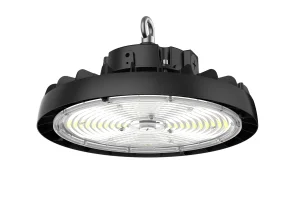
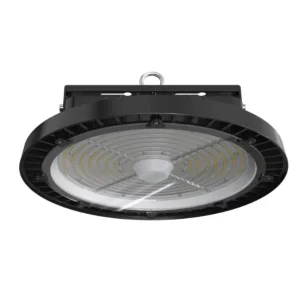
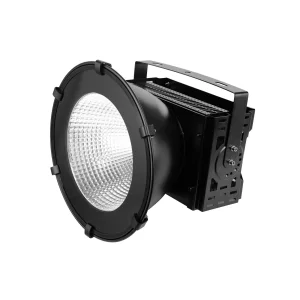
Industrial storage hubs require highly durable fixtures that can withstand high temperatures, dust, and continuous operation. Implementing high-efficiency **UFO High Bay lights** equipped with wattage-selectable and CCT-tunable drivers allows facilities managers to match illuminance levels (e.g., 300 lux for active sorting, 100 lux for dead storage corridors). Integrated occupancy sensors and 0-10V dimming drivers allow fixtures to dim automatically when aisles are unoccupied, minimizing thermal buildup and drastically cutting annual energy consumption.
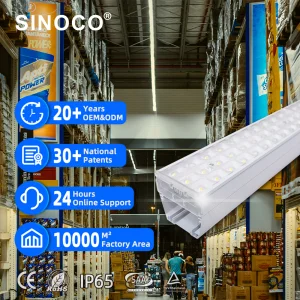
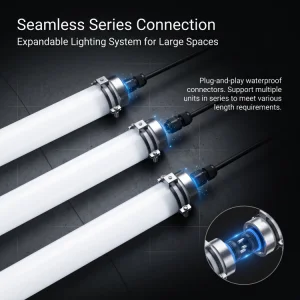
For office spaces and classrooms, linear suspended modules deliver uniform vertical and horizontal illumination. Implementing DALI-addressable fixtures allows facilities to group lighting zones based on desk layouts and natural window positions. By incorporating daylight sensors, the luminaires automatically dim during bright afternoon hours. This daylight-harvesting loop maintains a steady 500-lux output across work surfaces while optimizing energy savings and preventing eye strain caused by high contrast.
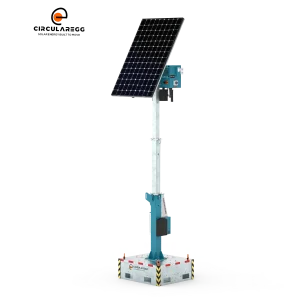
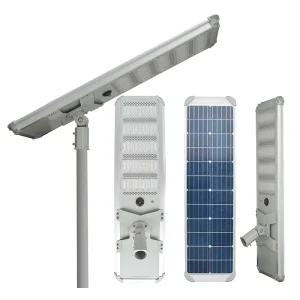
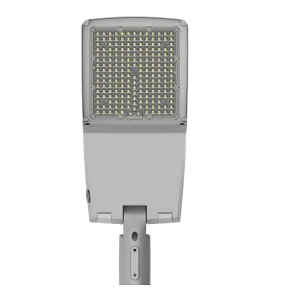
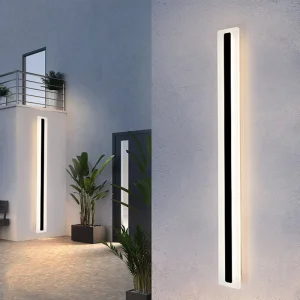
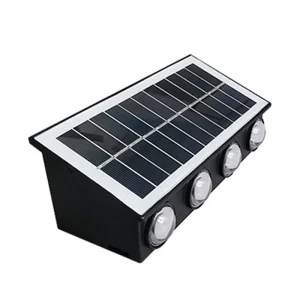
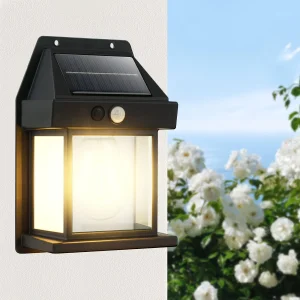
Public outdoor installations must balance safety, illumination, and durability. Using integrated solar-powered streetlights and anti-vandal wall washers featuring motion-sensing dimmers ensures areas remain illuminated during active hours. At midnight, these units drop to a 20% standby output to conserve battery reserves. By using reinforced optical covers and robust mechanical designs, these fixtures resist physical impacts and harsh weather while delivering reliable municipal illumination.
Key technical benchmarks procurement managers must verify to ensure driver reliability and compatibility
To assist engineering teams and buyers in choosing reliable manufacturing partners and avoiding field failures, we have compiled the following technical audit checklist:
Clear, direct answers to common questions about dimmable LED implementations
Flickering or buzzing is usually caused by compatibility issues between the dimming switch and the LED driver. This occurs most often with old phase-cut Triac dimmers designed for high-load incandescent bulbs. When connected to low-load LED drivers, the dimmer's holding current falls below its minimum threshold, leading to erratic operation. To resolve this, upgrade to a microprocessor-controlled LED-rated dimmer, switch to a 0-10V control layout, or use drivers equipped with active bleeding and filtering circuits.
0-10V dimming is an analog protocol where all connected fixtures in a circuit respond simultaneously to a single DC voltage signal. It requires dedicated wiring but is cost-effective and simple to implement. DALI (Digital Addressable Lighting Interface) is an addressable digital system. Each DALI-enabled fixture has a unique address on the control loop. This allows for individual control, complex grouping, sensor integration, and two-way status reporting back to building management software.
Yes, operating LEDs at dimmed levels can significantly extend their lifetime. The thermal junction temperature of the LED chip directly affects its lumen degradation rate. Dimming reduces both the current density and the heat generated within the chip package. Keeping junction temperatures well below the manufacturer's maximum limit slows down lumen depreciation and reduces thermal stress on driver components, prolonging the lifespan of the entire fixture.
Tunable White dimming allows the adjustment of both light intensity and color temperature (CCT, from warm 2700K to cool 6500K). In offices and healthcare facilities, this supports Circadian Lighting. By providing cool, bright light in the morning, it promotes concentration and alertness. In the late afternoon, shifting to dim, warm light helps reduce stress and supports natural melatonin production, improving overall occupant well-being.
From architectural accents to heavy-duty industrial and solar-powered outdoor fixtures
 Lili Light