Explore a selection of industrial-grade fixtures built for demanding environments, incorporating optimized heat sink topologies, high CRI modules, and high-efficiency optical arrays.
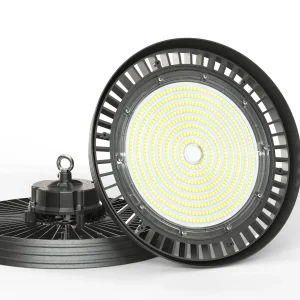
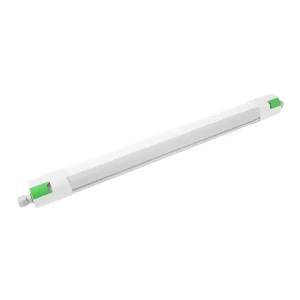
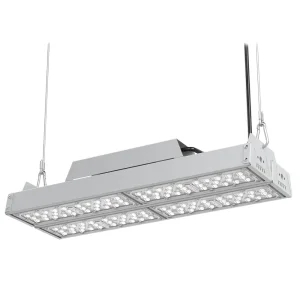
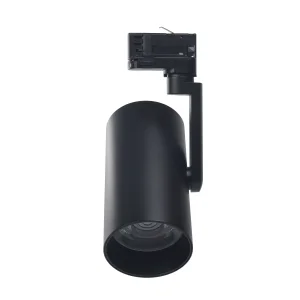
In the global commercial and industrial landscape, precision illumination is no longer considered a luxury, but a baseline operational parameter. High-performance task lighting impacts worker efficiency, visual acuity, ergonomic safety, and ultimately, corporate bottom lines. As sourcing directories fill with undifferentiated suppliers, identifying a high-tier China LED task light manufacturer demands a systematic understanding of technical execution, materials science, and supply chain logistics.
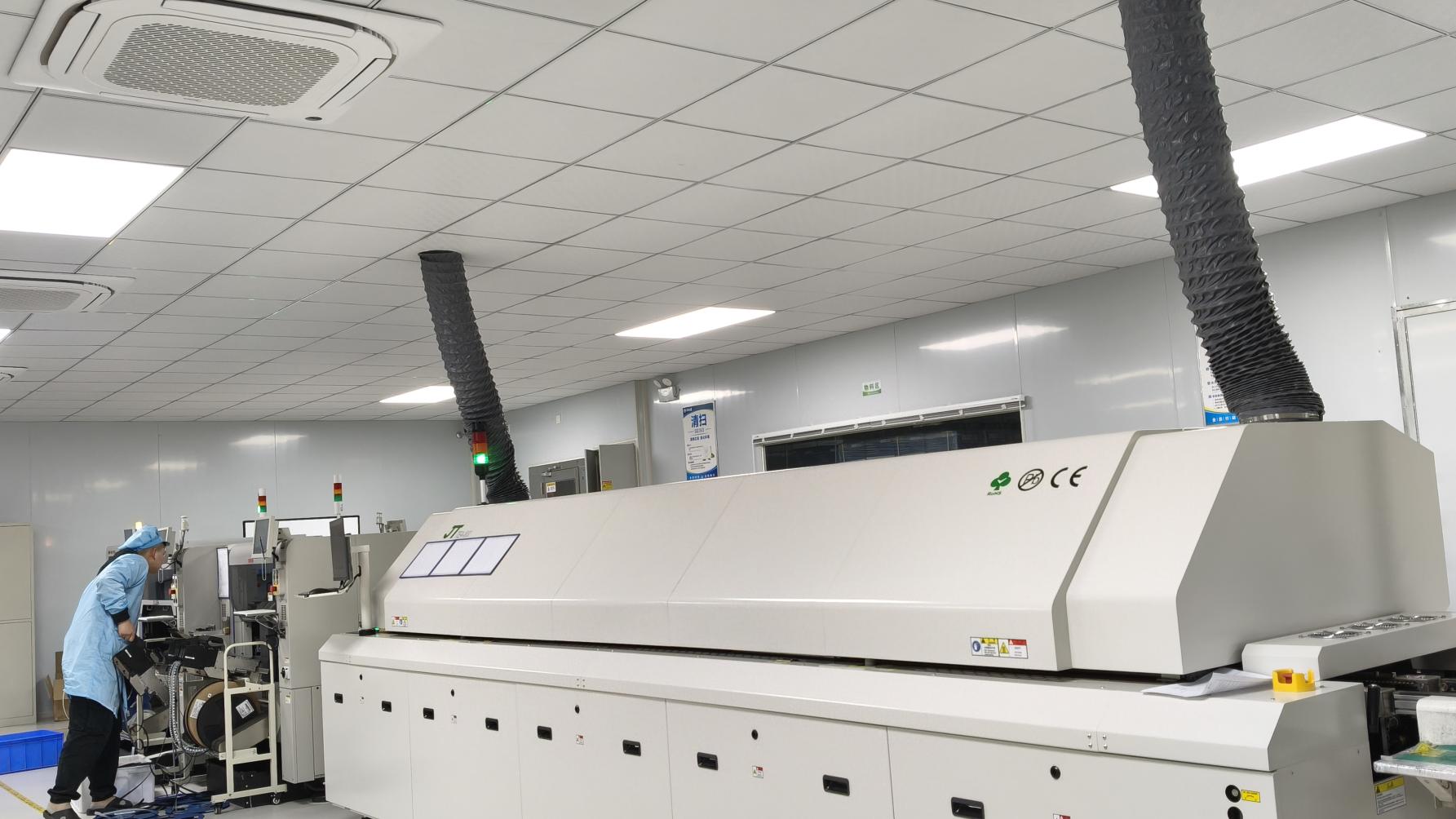
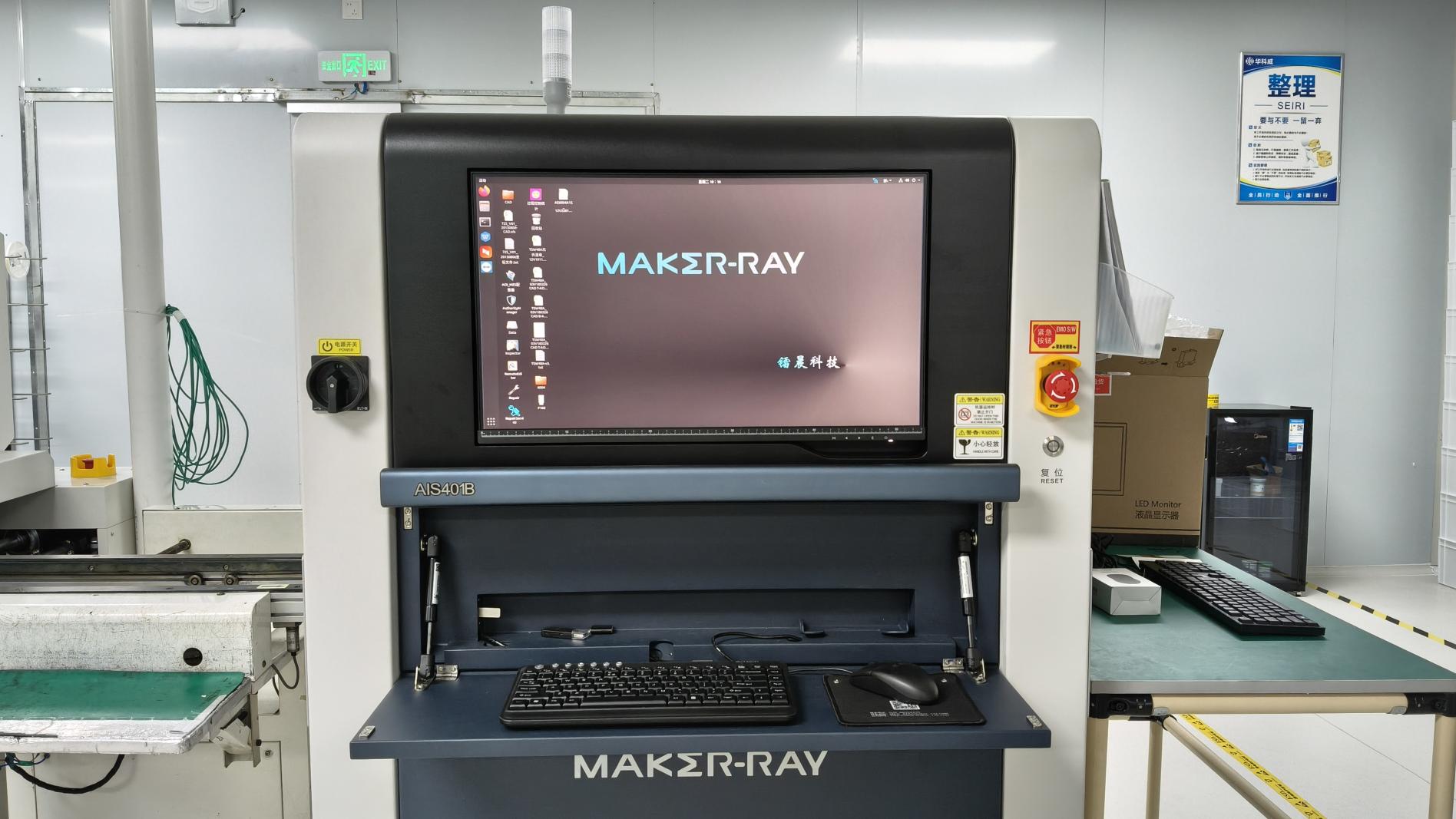
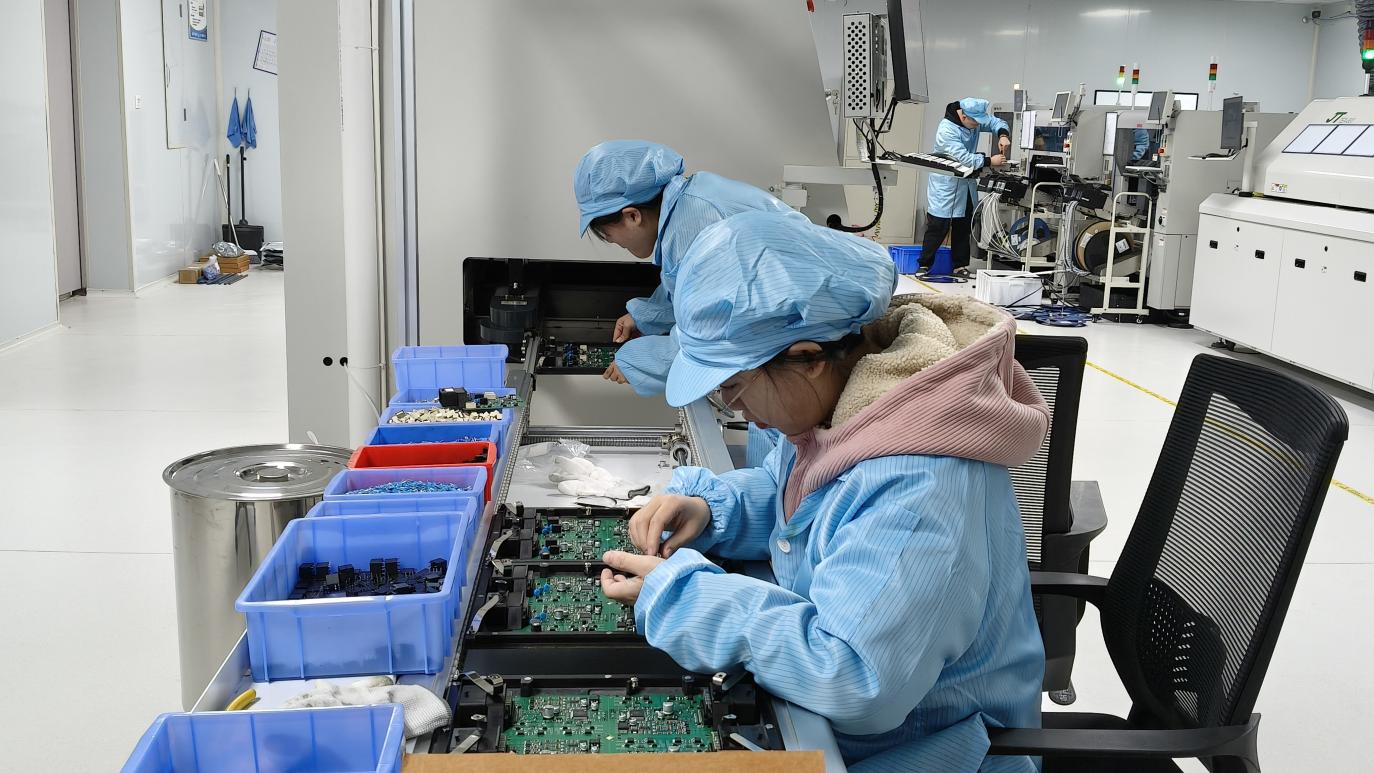
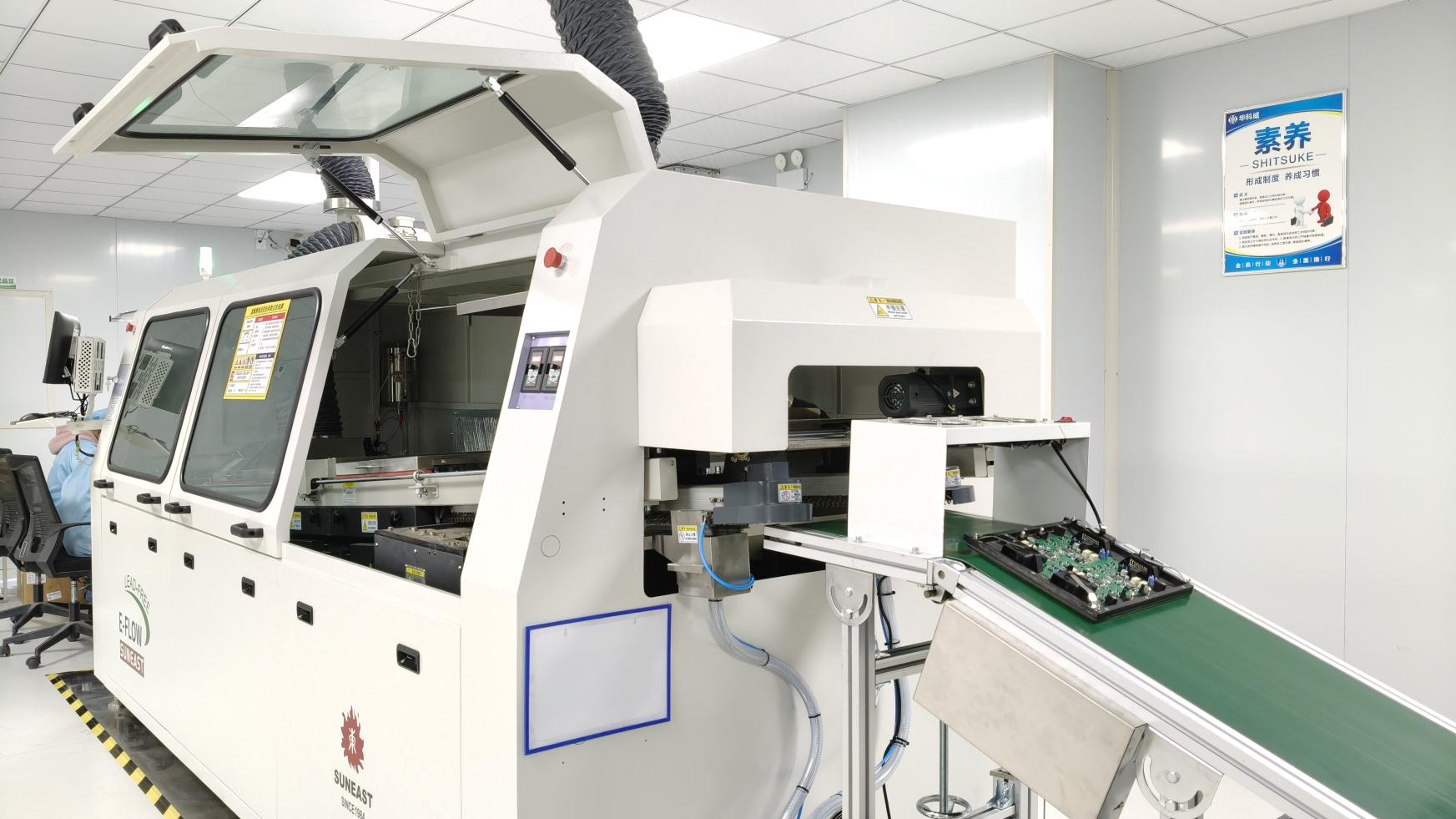
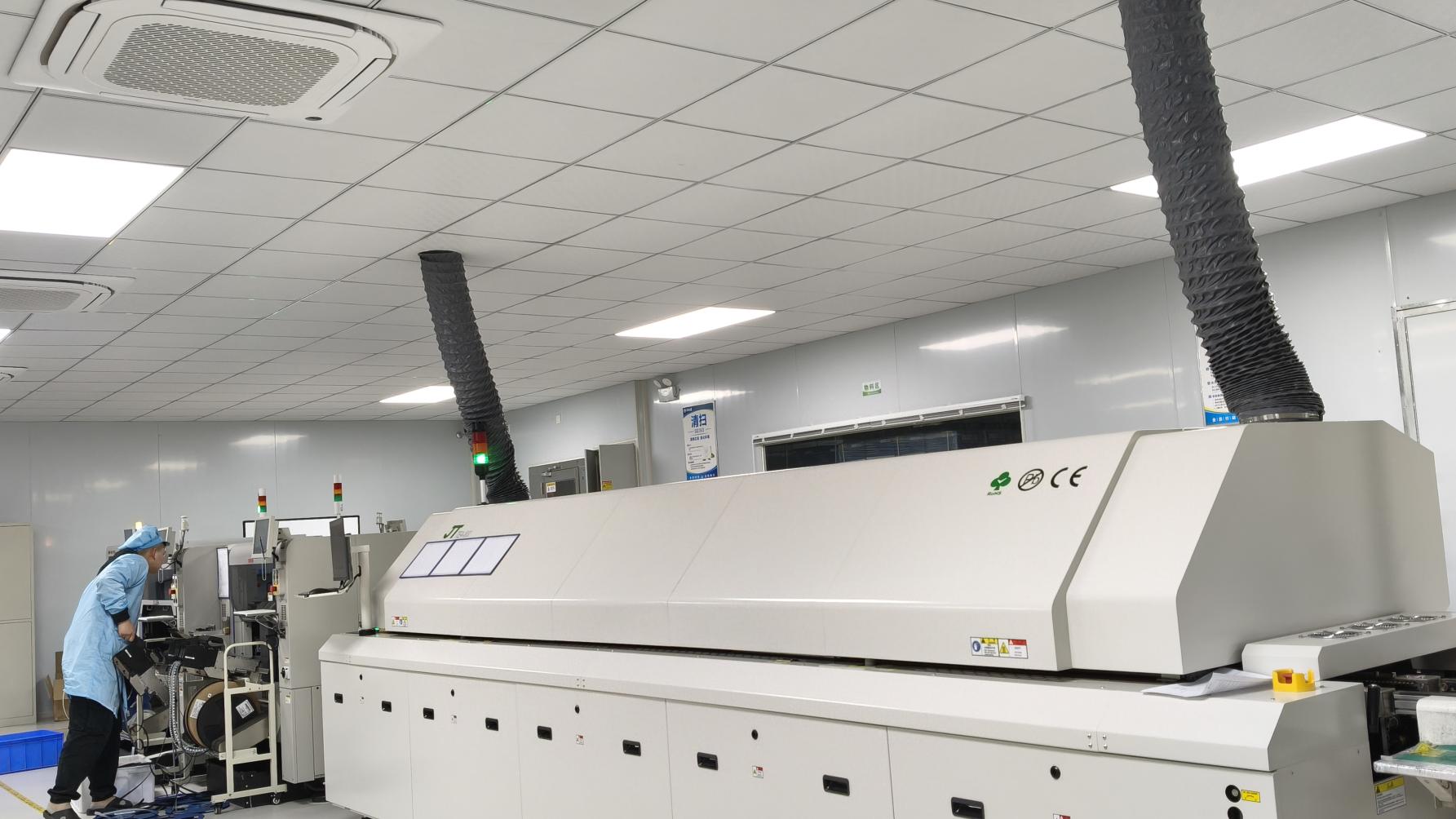
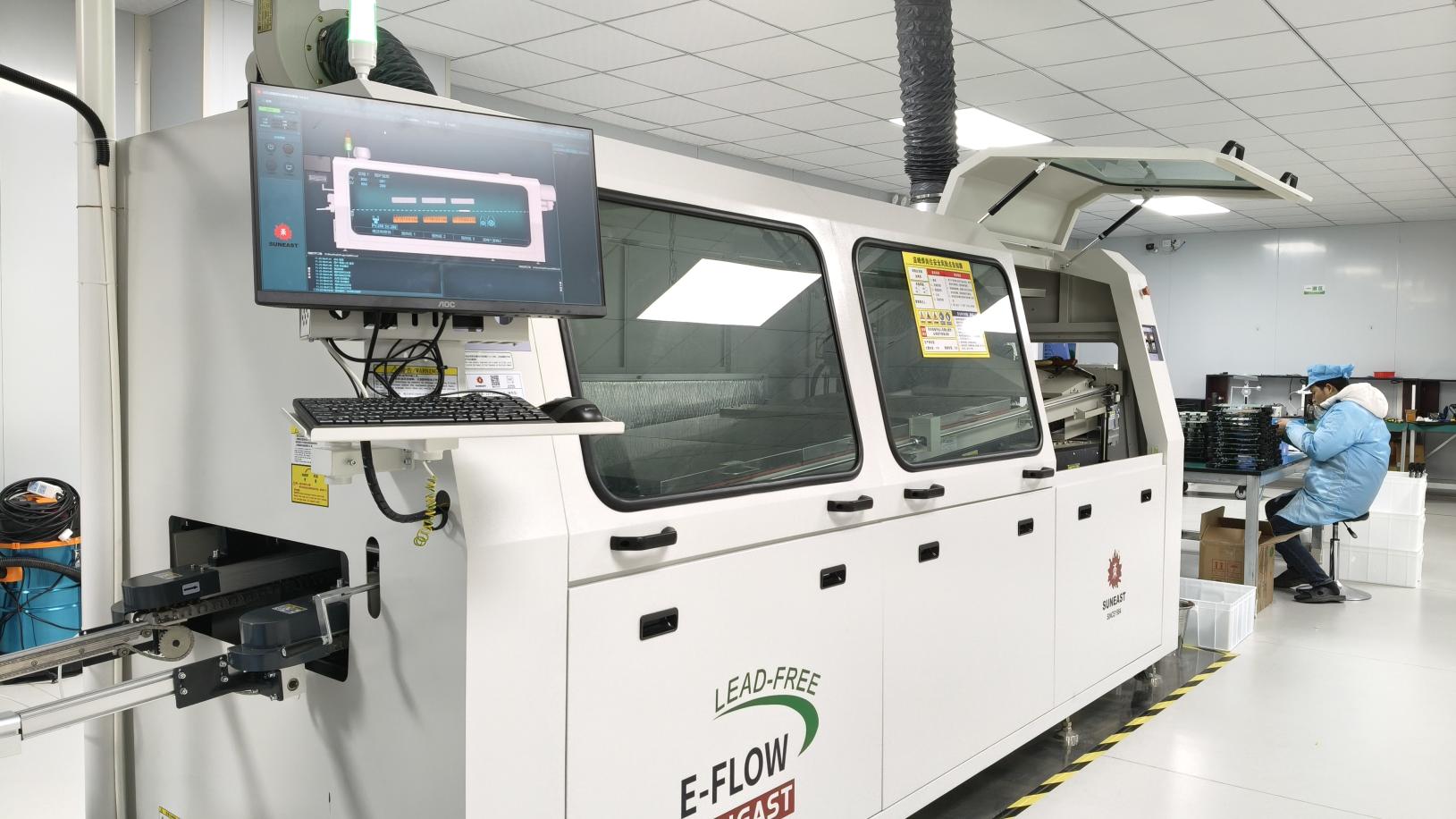
China produces over 80% of the world’s solid-state lighting components and luminaires. However, the delta between budget assembly factories and world-class, export-focused original equipment manufacturers (OEMs) is massive. Advanced manufacturers do not merely cluster components; they engineer heat dissipation profiles, design custom drive circuitry to control harmonic distortion, and optimize optical diffusion properties to eliminate high-frequency flicker. For procurement departments globally, choosing the right partner involves investigating core capabilities: from SMT surface mounting precision and Automated Optical Inspection (AOI) to structural aging and compliance certifications.
"True 'Information Gain' in sourcing begins when we bypass marketing claims and analyze quantified specifications: unified glare ratings (UGR), thermal resistance values (Rth), drivers’ power factor (PF >0.95), and the stability of color rendering indices (CRI) over extended operational lifespans."
This whitepaper explores the operational characteristics, quality matrices, and technological pathways that define leading Chinese LED task light factories. We examine how regional specialization, vertical integration, and advanced validation laboratories combine to deliver high-performance lighting products to the international market.
Task lighting is not a one-size-fits-all product category. Different global regions and industries require localized adaptations that target specific environmental and operational demands:
In electronics assembly facilities (such as those in Germany, Japan, or South Korea), the emphasis is on anti-static (ESD) protection, glare prevention, and spectrum precision. High-performance task lights for these environments must integrate ESD-safe materials to prevent static buildup that can damage microchips. Additionally, they must control glare (UGR <16) to minimize eye strain for workers inspecting solder joints under high magnification.
Heavy-duty shops and aircraft hangars require rugged mechanical designs. Luminaires in these environments must withstand mechanical vibration, airborne oil droplets, and impact. These units must carry high ingress protection ratings (such as IP65 or IP66) and high mechanical impact safety scores (such as IK08 or IK09). The housings require die-cast aluminum alloys treated with anti-corrosion coatings to resist chemical exposure.
In clinical settings, lighting quality directly impacts patient safety. Task lights must achieve high color rendering indexes (CRI Ra >95, R9 >80) to allow accurate differentiation between tissue tones and blood oxygen levels. The spectral output must avoid blue-light spikes (conforming to IEC 62471 photobiological safety standards) to protect patients and medical professionals from retinal hazards during prolonged procedures.
The global leadership of Chinese LED manufacturers stems from dense manufacturing ecosystems. Industrial clusters in provinces like Zhejiang and Guangdong gather component suppliers, processing services, and logistics hubs within tight geographic areas.
This proximity shortens the supply chain. Instead of sourcing drivers from one country and LEDs from another, a manufacturer in Zhejiang can secure high-grade aluminum extrusions, driver components, optical lenses, and packaged LEDs within a 50-kilometer radius. This layout minimizes transit times and allows factories to adapt production schedules quickly when orders surge or specifications change.
Furthermore, this clustering encourages shared quality and technological standards. Direct, face-to-face cooperation between LED packaging plants, driver design labs, and mechanical fabricators speeds up product development cycles. This allows factories to move from design concepts to tooling, prototyping, and final certification in weeks, compared to the months required by fragmented supply chains.
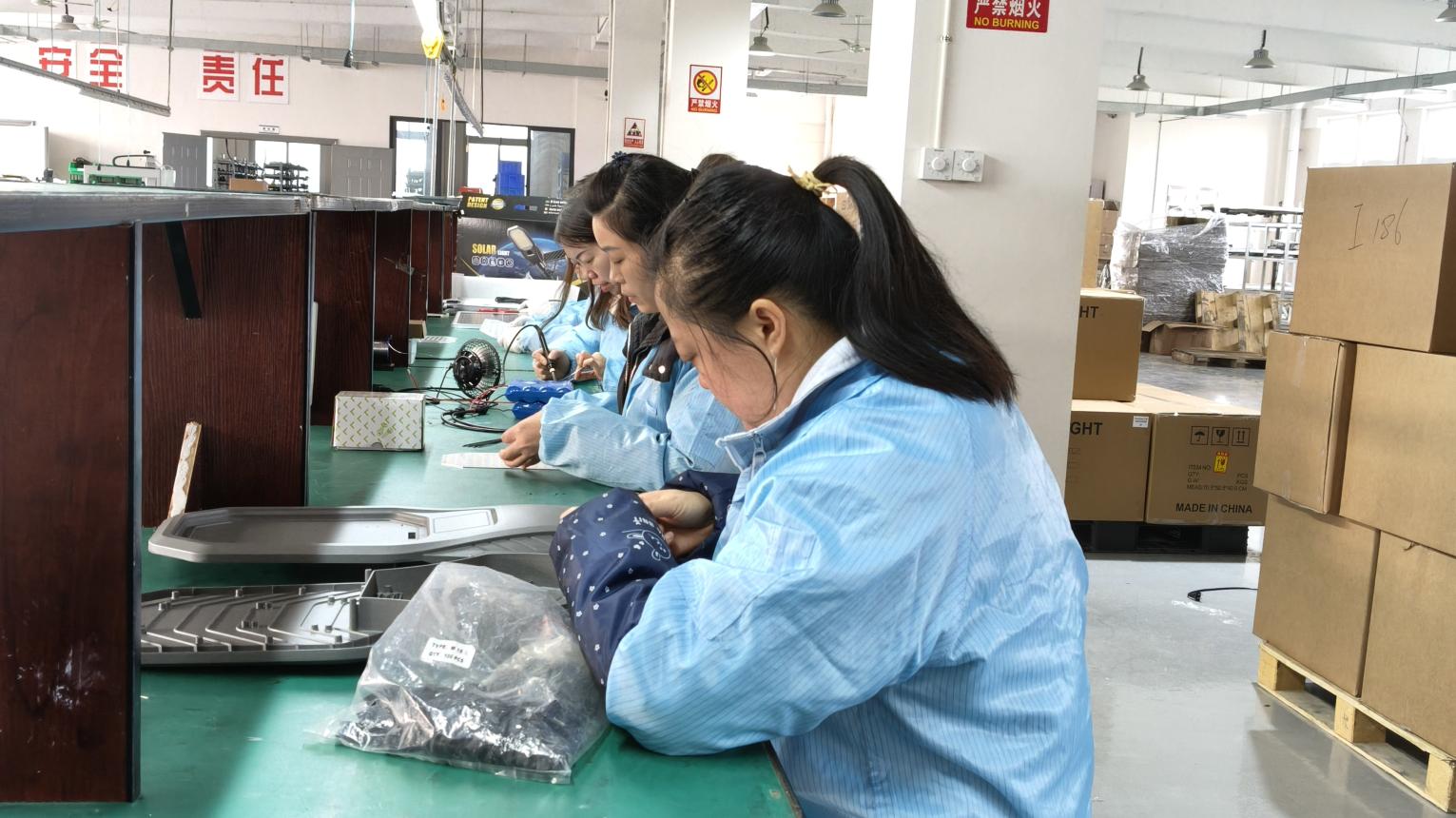
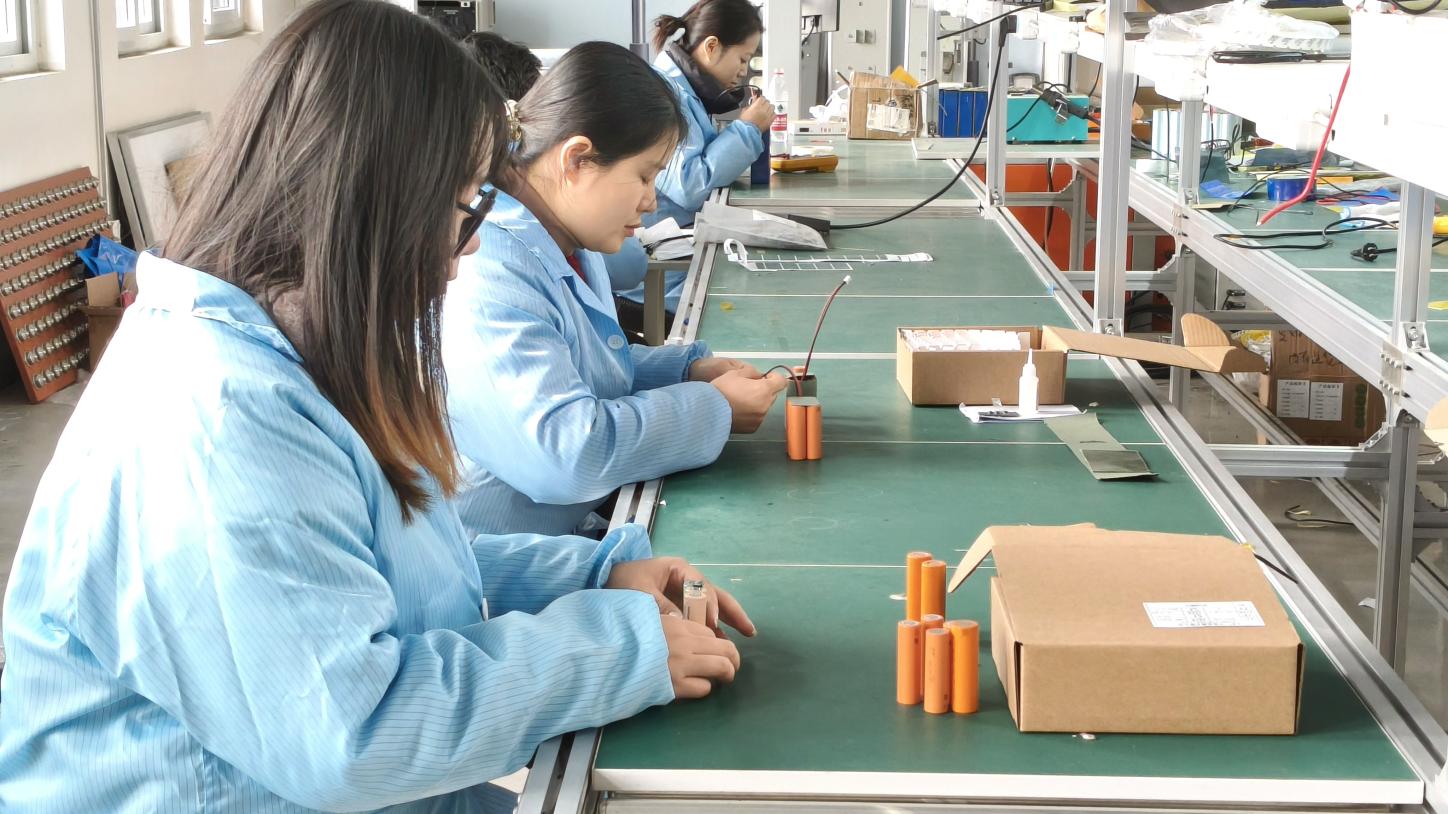
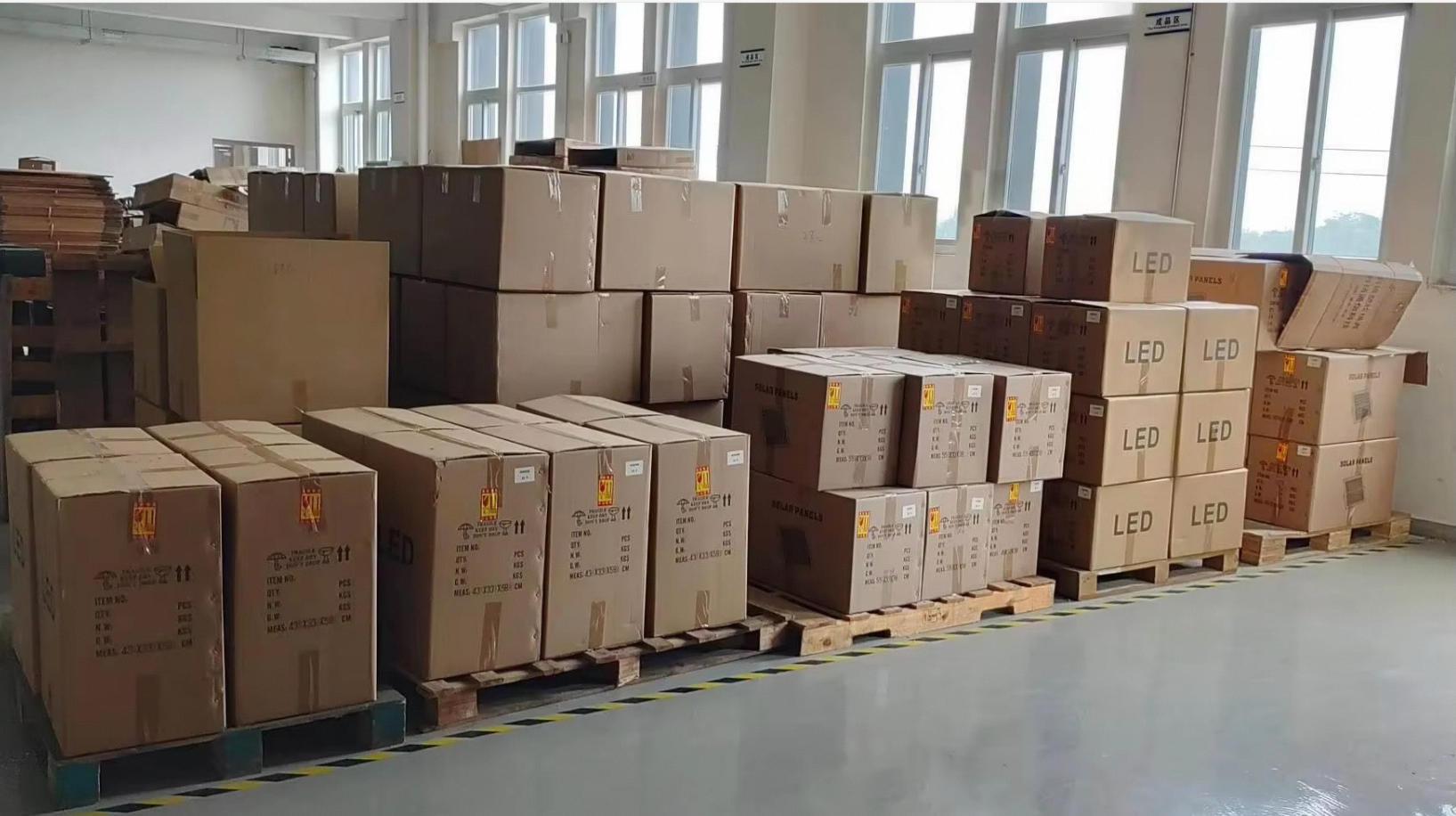
Zhejiang Lili Light Co., Ltd. is a professional manufacturer and exporter specializing in LED lighting products and integrated lighting solutions. With years of experience in the lighting industry, we are committed to providing innovative, energy-efficient, and reliable products to customers around the world.
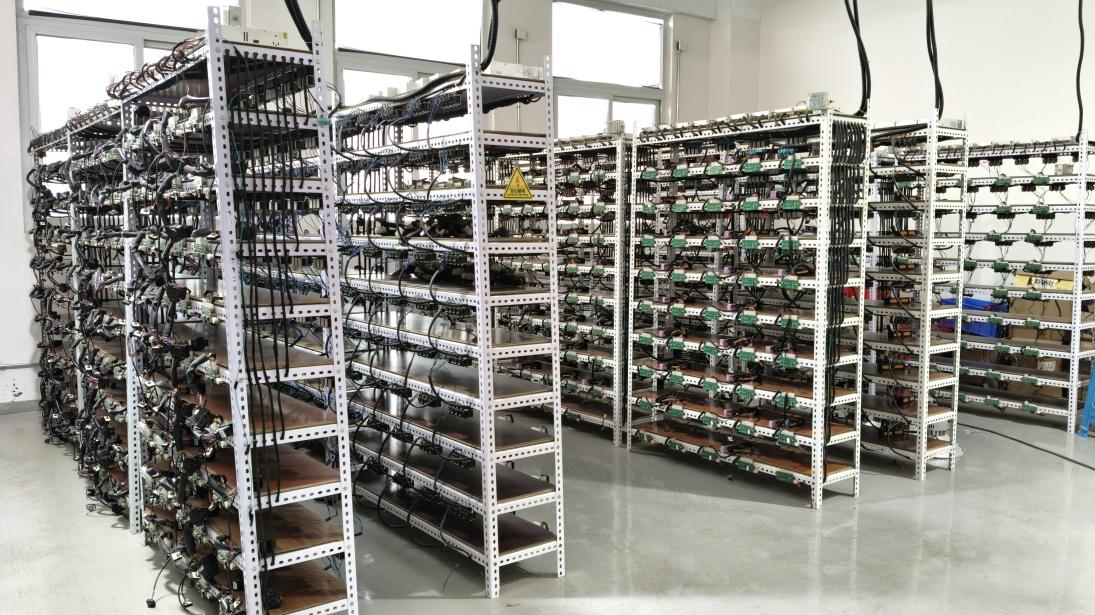
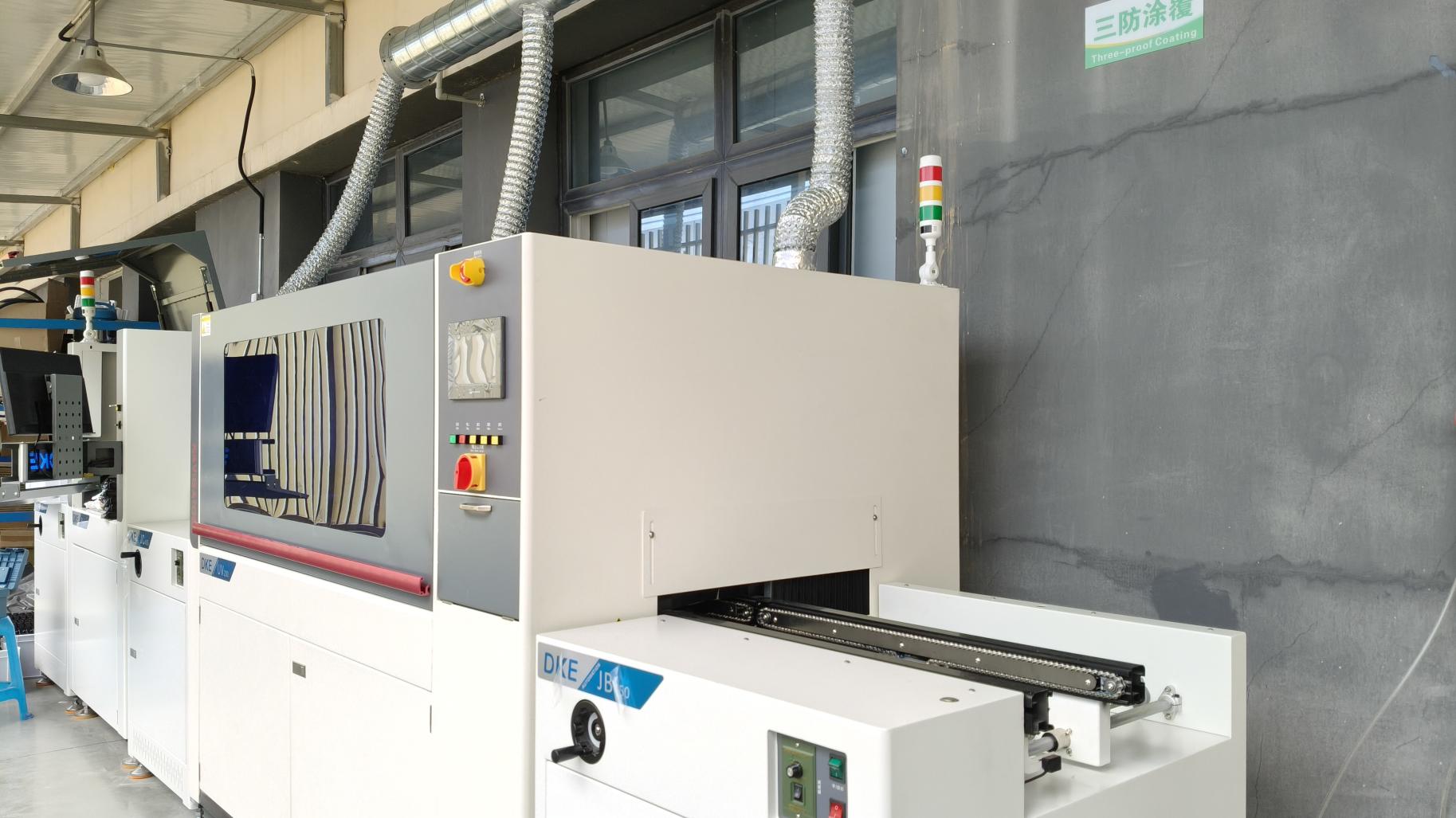
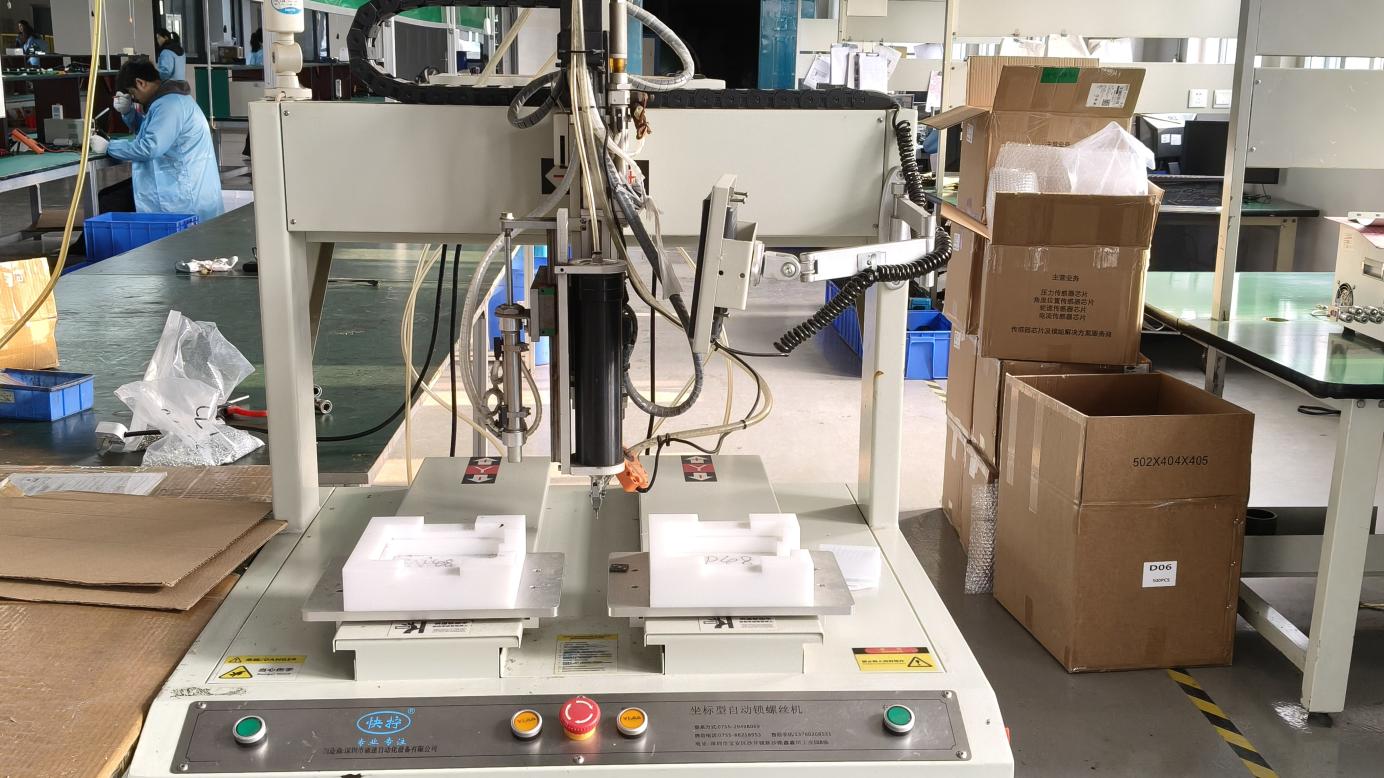
Since its establishment, the company has continuously invested in product development, manufacturing technology, and quality management. Supported by a skilled technical team, modern production facilities, and a strict quality control system, we have built long-term partnerships with customers across Europe, South America, Southeast Asia, the Middle East, and other international markets.
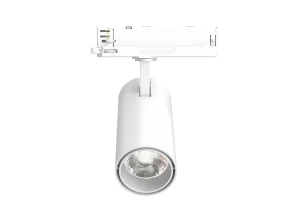
Our product portfolio covers a wide range of indoor and outdoor lighting applications, including residential, commercial, industrial, and public projects. From modern indoor lighting products such as downlights, spotlights, bulbs, panel lights, ceiling lights, and track lights to outdoor floodlights, wall lights, and solar-powered lighting solutions, we provide customers with comprehensive lighting options that combine functionality, durability, and aesthetic design.
Quality and customer satisfaction are the foundation of our business. Every product undergoes rigorous inspection throughout the manufacturing process to ensure stable performance, energy efficiency, and long service life. We also offer flexible OEM and ODM services, helping customers develop customized products that meet their specific market requirements.
As solid-state lighting technology matures, innovation shifts focus from basic luminous efficacy (lm/W) toward spectrum quality, smart control integration, and environmental sustainability.
Next-generation task lights are moving beyond fixed color temperatures. By incorporating multi-channel LED arrays (mixing cool white, warm white, and amber chips) managed by microcontrollers, fixtures can change their spectral output throughout the day. This shift helps support natural circadian rhythms: delivering high-intensity blue-enriched light (5000K–6500K) in the morning to encourage alertness, and transitioning to warm, blue-depleted light (2200K–2700K) in the late afternoon to support melatonin production.
Modern electrical systems demand high efficiency and low interference. High-end task lights use two-stage active power factor correction (PFC) drivers. These components isolate the LED load from line voltage fluctuations, eliminating temporal light artifacts (flicker and stroboscopic effect) that can cause headaches and fatigue. These drivers operate with a power factor above 0.95 and total harmonic distortion (THD) below 10%, keeping them compliant with strict utility requirements worldwide.
In response to global sustainability regulations, factories are designing products with their eventual disassembly in mind. By replacing adhesive bonds with mechanical fasteners, using recyclable polycarbonate diffusers, and utilizing modular driver modules, manufacturers make it easier to replace parts and recycle materials at end-of-life.
Navigating international markets requires adherence to regional product certification schemes. Reliable manufacturers invest heavily in laboratory testing to achieve compliance across primary sales markets:
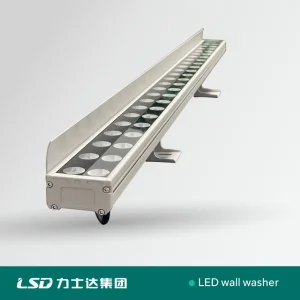
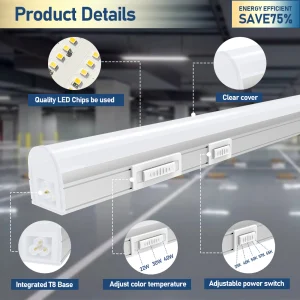
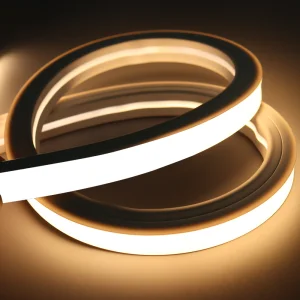
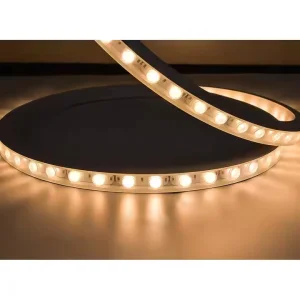
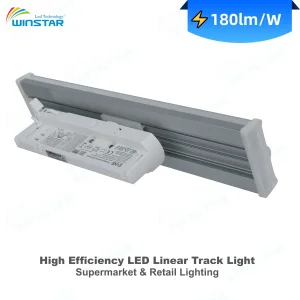
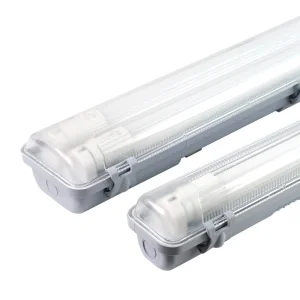
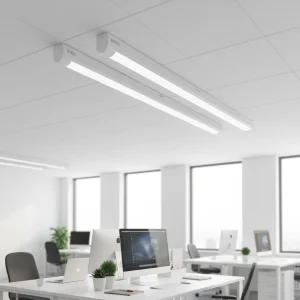
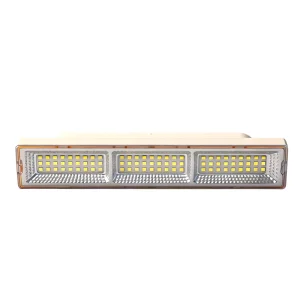
Additional illumination solutions, including flexible silicone neon strips, high-output wall washers, and selectable batten systems for commercial and outdoor projects.
 Lili Light