Premium architectural grade components tailored to 220V/50Hz requirements with high seismic resistance and high CRI configurations.
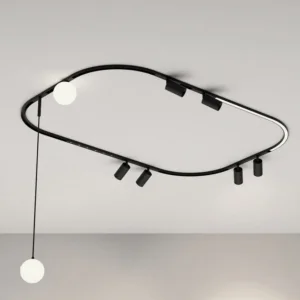
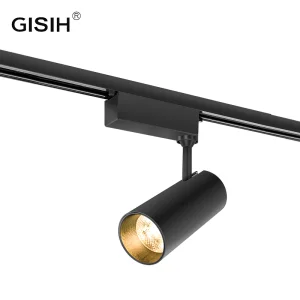
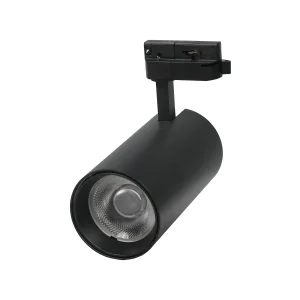
A strategic analysis of modern infrastructure development, seismic engineering requirements, and SEC standard compliance.
Chile is recognized as one of the most stable and developed economies in Latin America, characterized by rapid urbanization and infrastructure modernization. Metropolitan areas such as Santiago, Viña del Mar, Concepción, and Antofagasta are experiencing a major transition towards smart, energy-efficient building systems. The commercial retail sector, including massive complexes like the Costanera Center and Parque Arauco, is driving demand for premium indoor illumination systems. In these environments, lighting is not merely functional; it is a critical driver of brand positioning, customer retention, and purchasing behavior.
For Chilean architects and electrical engineers, track lighting has emerged as the system of choice for commercial spaces due to its unparalleled modularity. Retail outlets, commercial art galleries, corporate offices, and modern supermarkets require light configurations that can be dynamically rearranged. The flexible nature of LED track lighting allows operators to modify spotlights without reinstalling complex electrical wiring. Moreover, Chile's commitment to energy efficiency—outlined in its National Energy Strategy—has accelerated the replacement of energy-consuming metal halide and halogen track lights with advanced LED solutions.
Importing and deploying electrical equipment in Chile requires strict compliance with regulations enforced by the Superintendencia de Electricidad y Combustibles (SEC). The SEC mandates that all commercial lighting products undergo rigorous safety and electromagnetic compatibility (EMC) testing. For Chinese factories supplying the Chilean market, adapting electronic drivers to match Chile’s grid parameters of 220V to 240V at 50Hz is a critical engineering requirement. Poorly designed drivers that do not withstand minor grid fluctuations can fail prematurely, affecting a project's operational continuity.
Beyond electrical adaptation, Chile's high seismic activity introduces physical structural challenges. Lighting tracks and their suspending hardware must withstand frequent seismic tremors. Mechanical connections between the track spotlight and the rail system must incorporate dual-locking mechanisms to prevent fixtures from detaching during seismic events. Zhejiang Lili Light Co., Ltd. addresses this requirement by manufacturing reinforced aluminum rails with safety locking mechanisms, ensuring compliance with local architectural codes and safety guidelines.
Transitioning from static fixtures to intelligent, safe, low-voltage magnetic ecosystems.
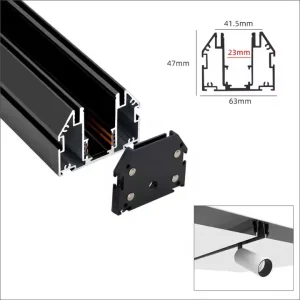
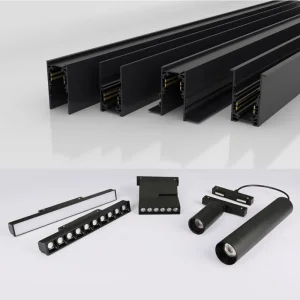
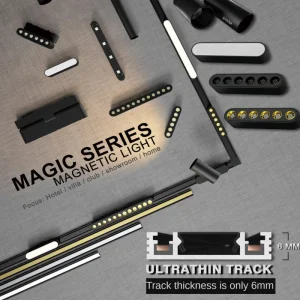
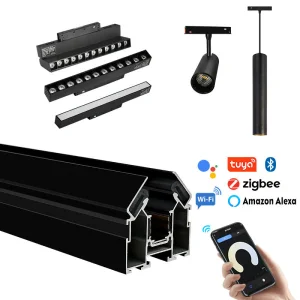
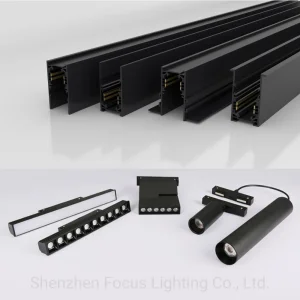
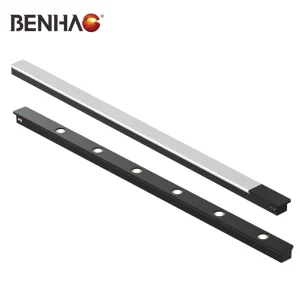
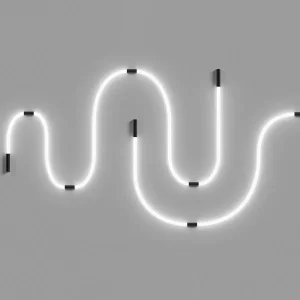
The global and Chilean lighting industries are witnessing a paradigm shift from traditional 220V high-voltage tracks to low-voltage DC48V Magnetic Track systems. Magnetic track lighting systems use magnetic force to attach and supply power to various light modules. This technology offers several distinct advantages:
Smart building management systems (BMS) are becoming standard in modern commercial centers in Chile. Traditional non-dimmable light setups are being replaced by smart control ecosystems. By integrating DALI (Digital Addressable Lighting Interface), Zigbee, or Casambi modules into the track heads, facility managers can program schedules, adjust brightness levels, and execute dynamic scene transitions. This level of control reduces energy costs in large spaces, such as supermarkets, by auto-dimming luminaires in aisles with low foot traffic.
Modern retail spaces, high-end boutiques, and galleries in Santiago require superior color presentation. Light fixtures with low color rendering indexes (CRI < 80) distort colors, negatively impacting product presentation. The technological roadmap focuses on integrating high-end COB (Chip on Board) chipsets that achieve CRI Ra ≥ 90 and R9 ≥ 50. This ensures that colors, textures, and details are rendered accurately, enhancing visual appeal in retail stores, fashion shops, and art exhibitions.
A professional manufacturer and exporter delivering integrated, high-quality lighting solutions globally.
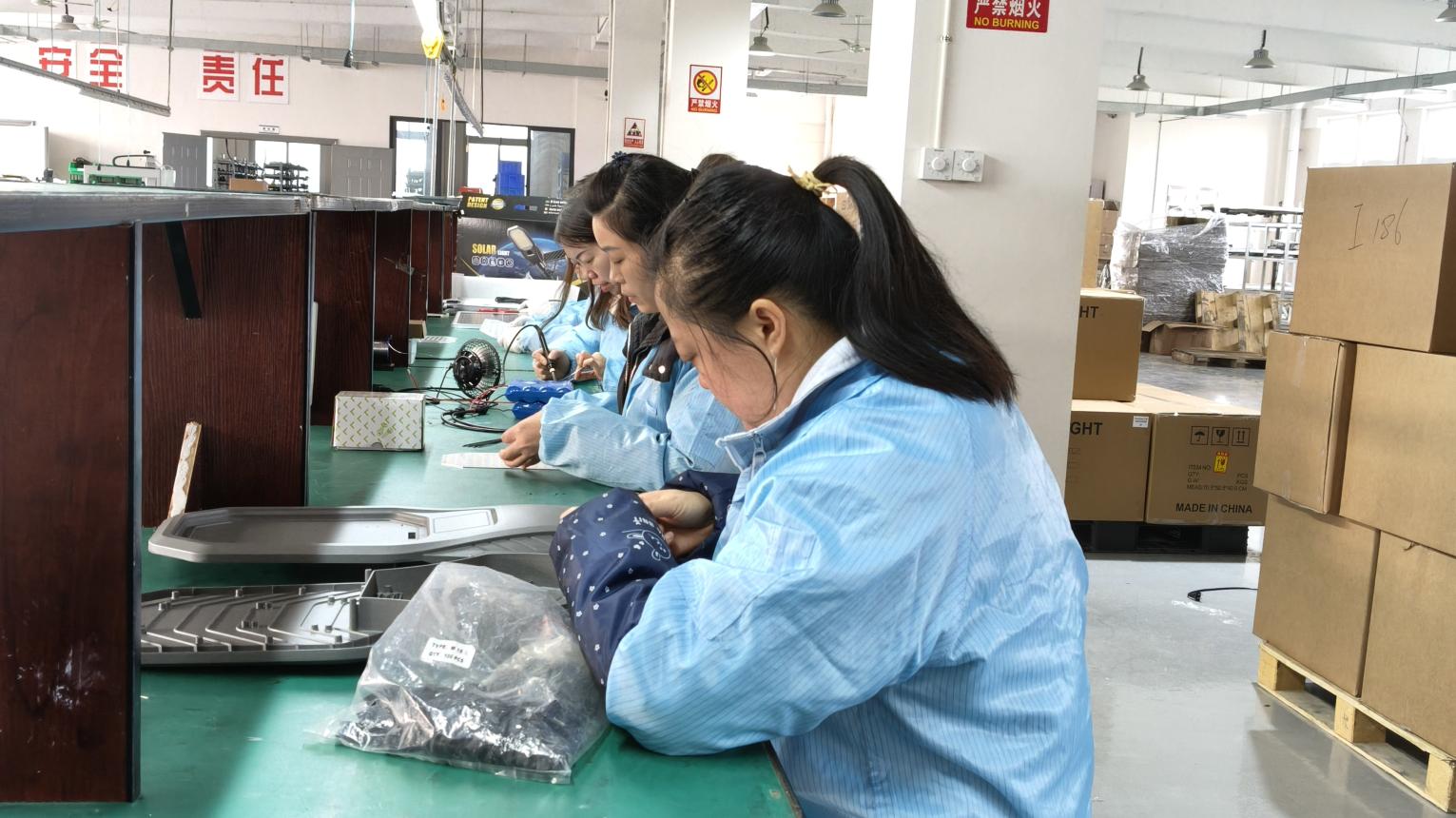
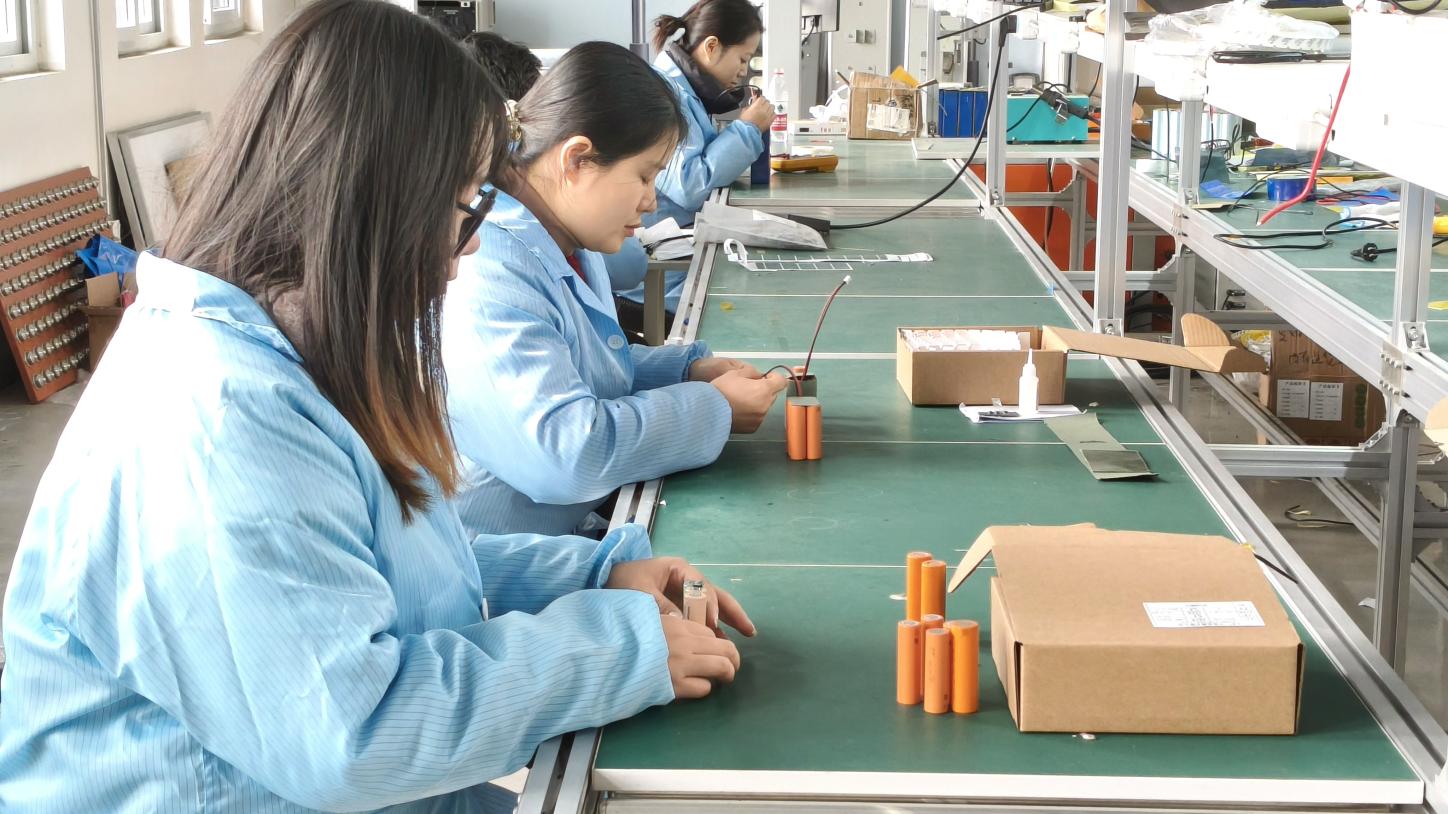
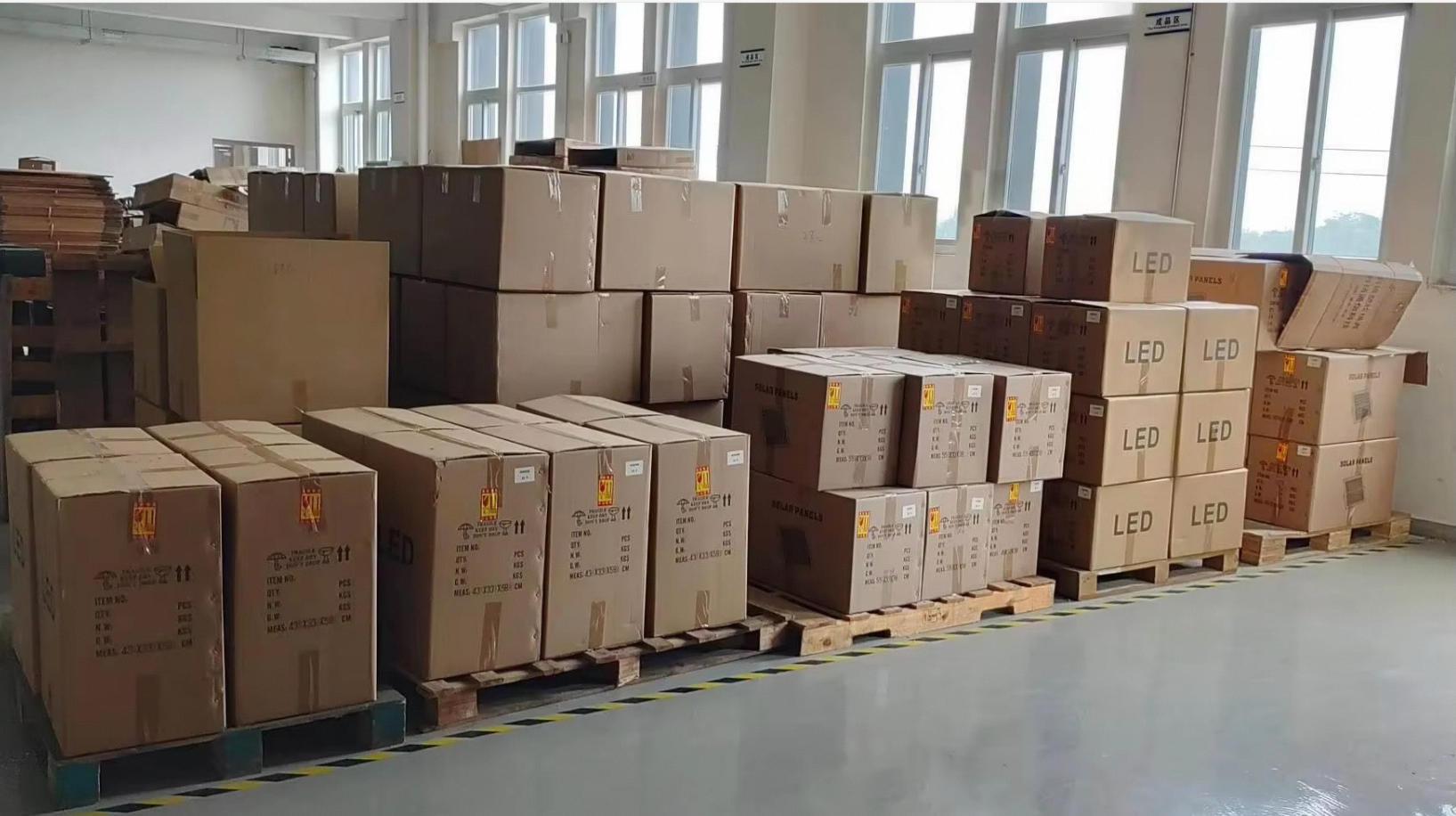
Zhejiang Lili Light Co., Ltd. is a professional manufacturer and exporter specializing in LED lighting products and integrated lighting solutions. Supported by a skilled technical team, modern production facilities, and a strict quality control system, we have built long-term partnerships with customers across Europe, South America (specifically Chile), Southeast Asia, and the Middle East.
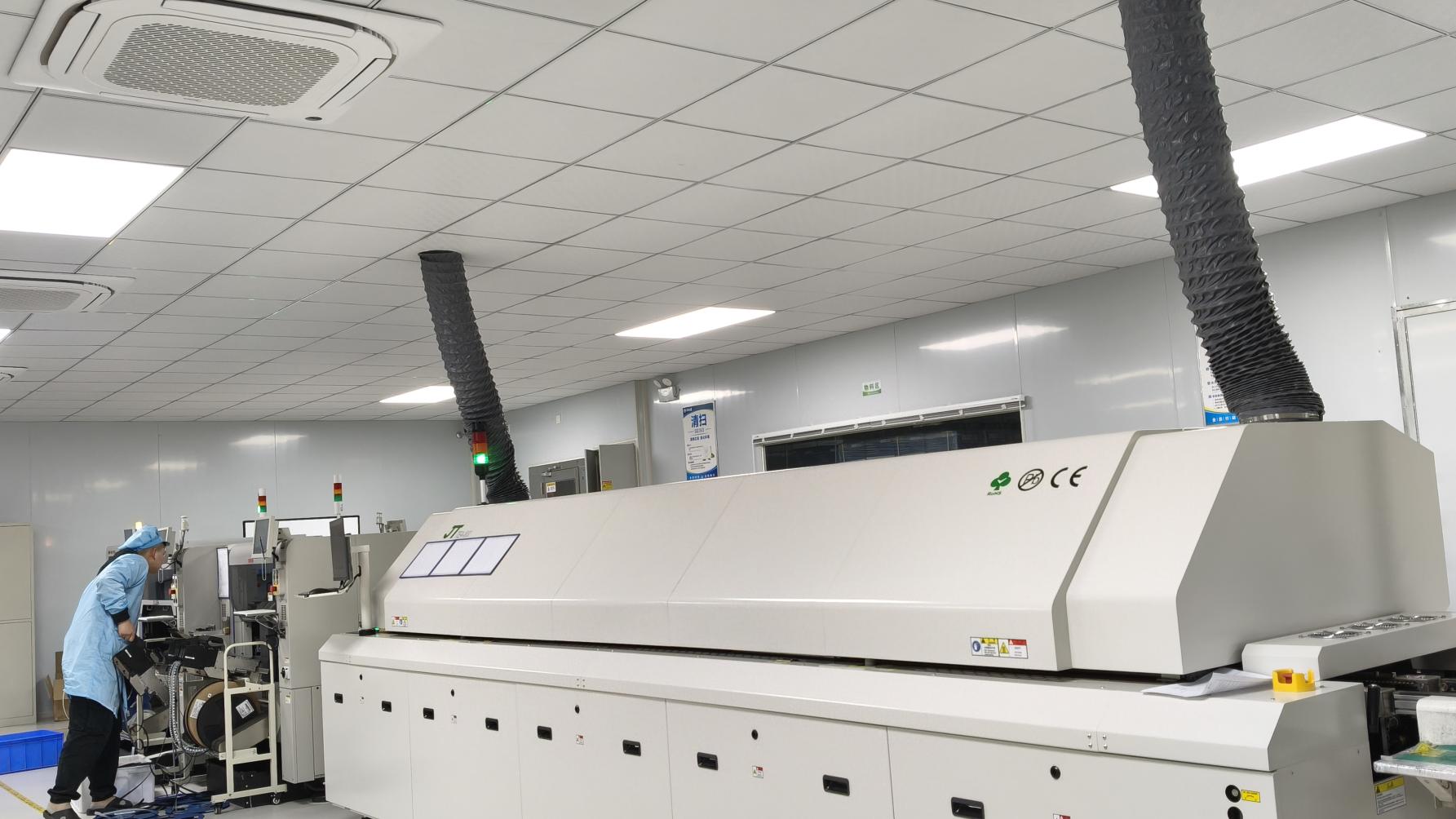
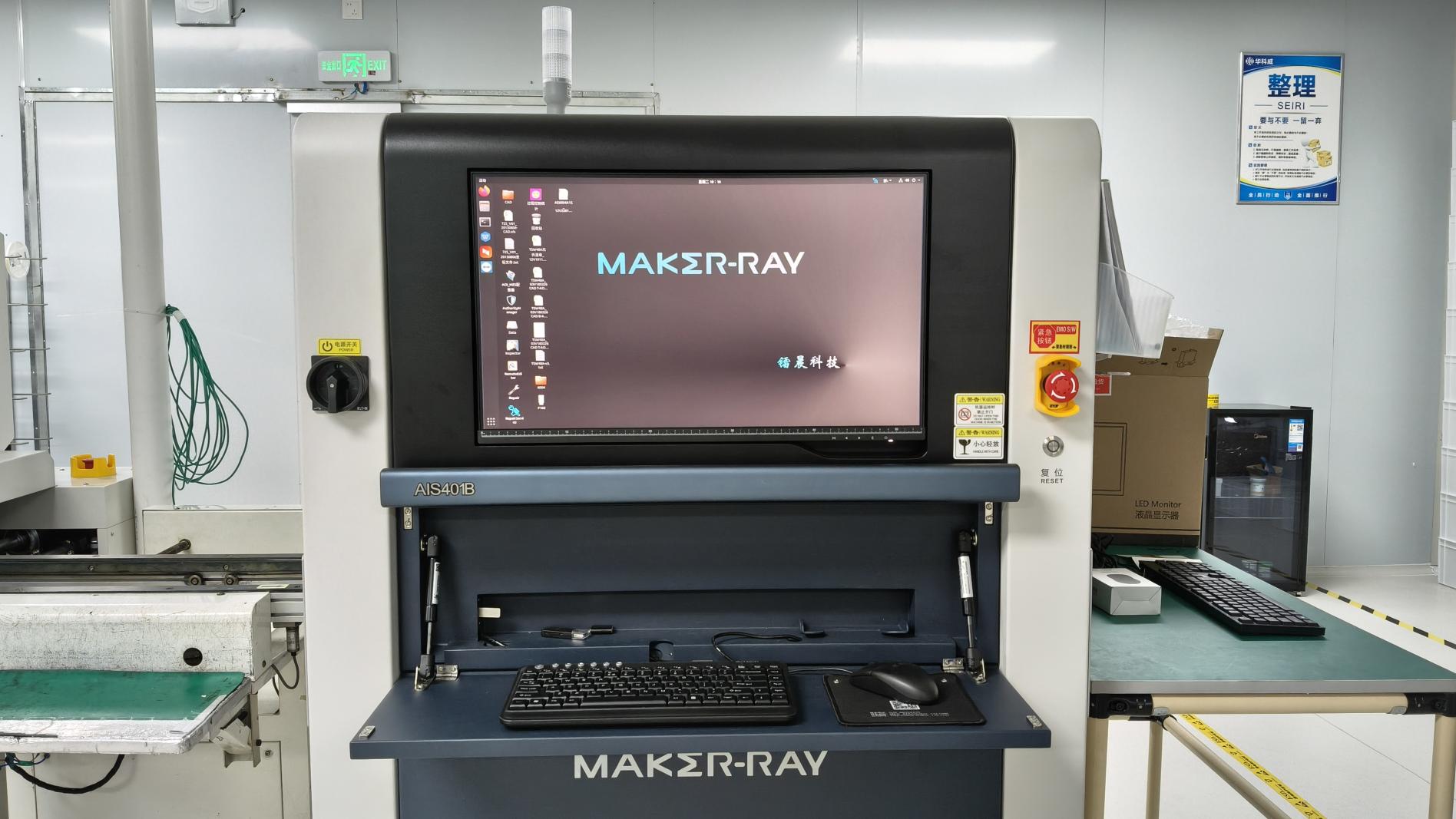
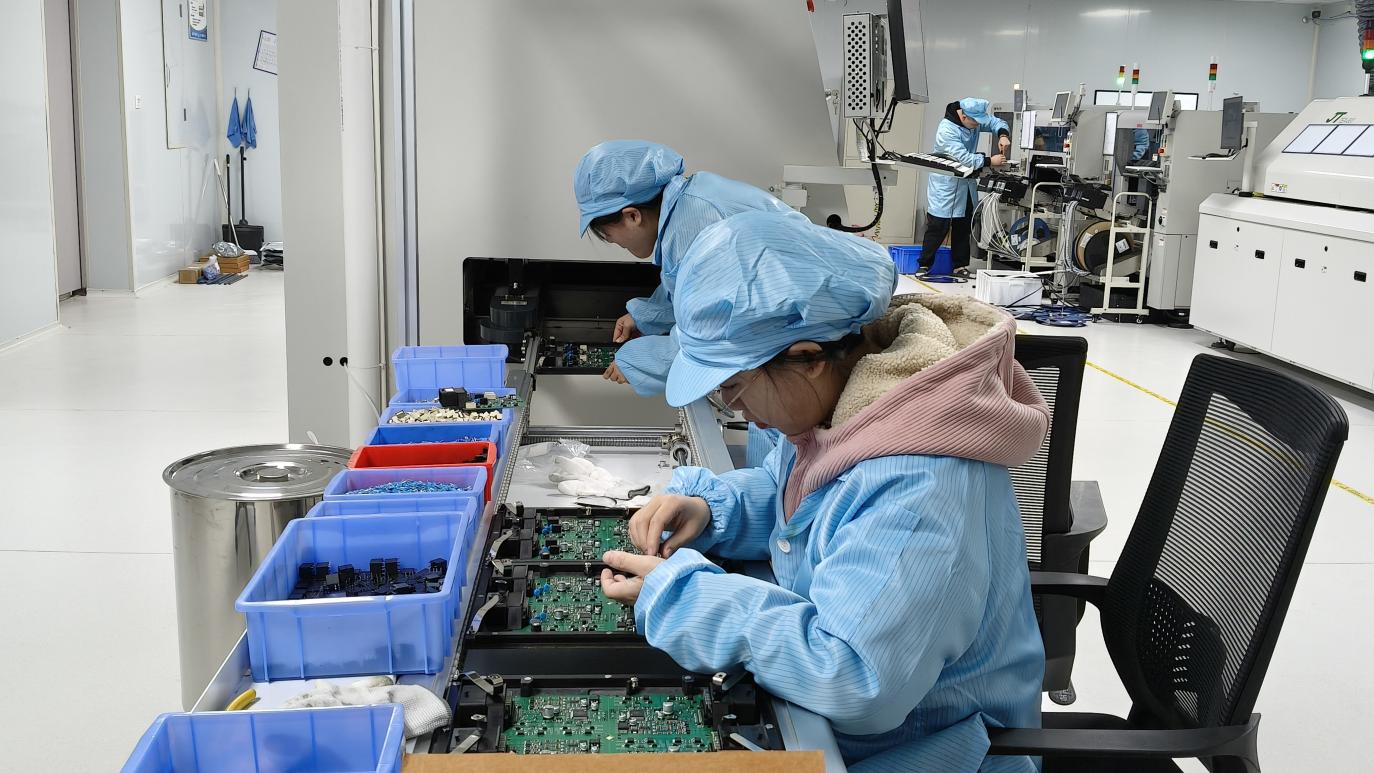
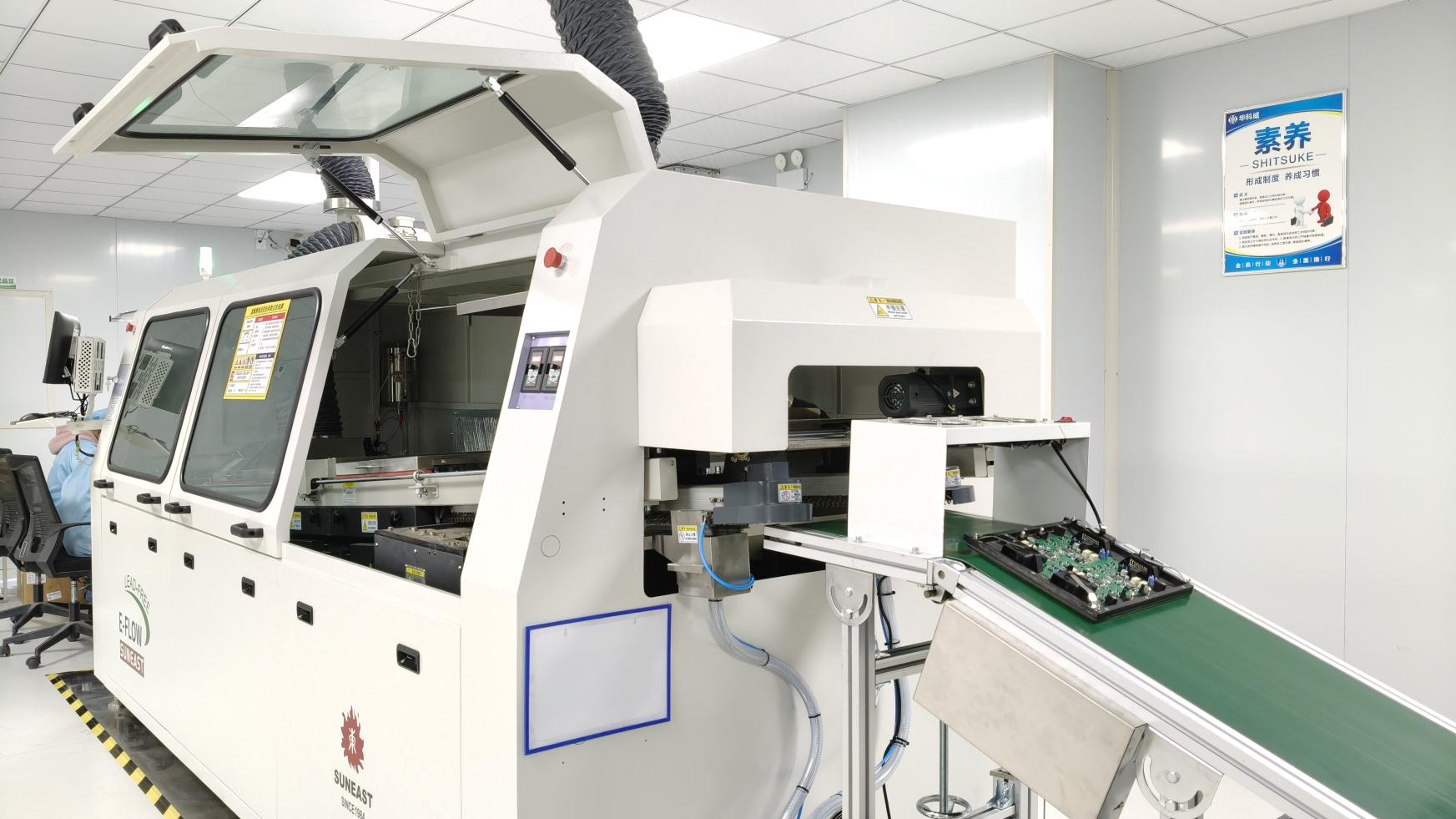
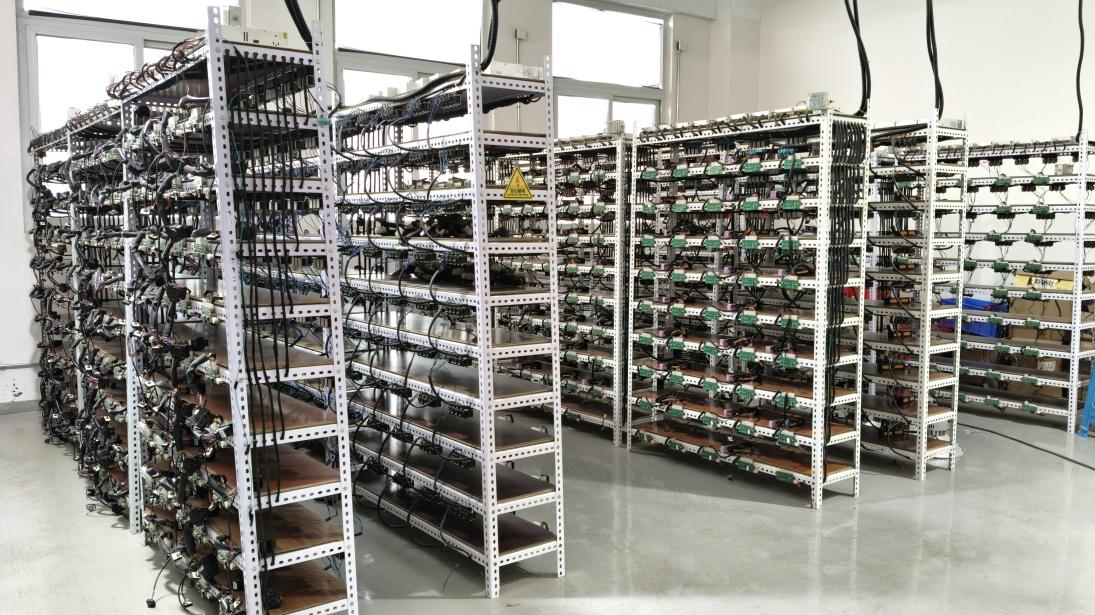
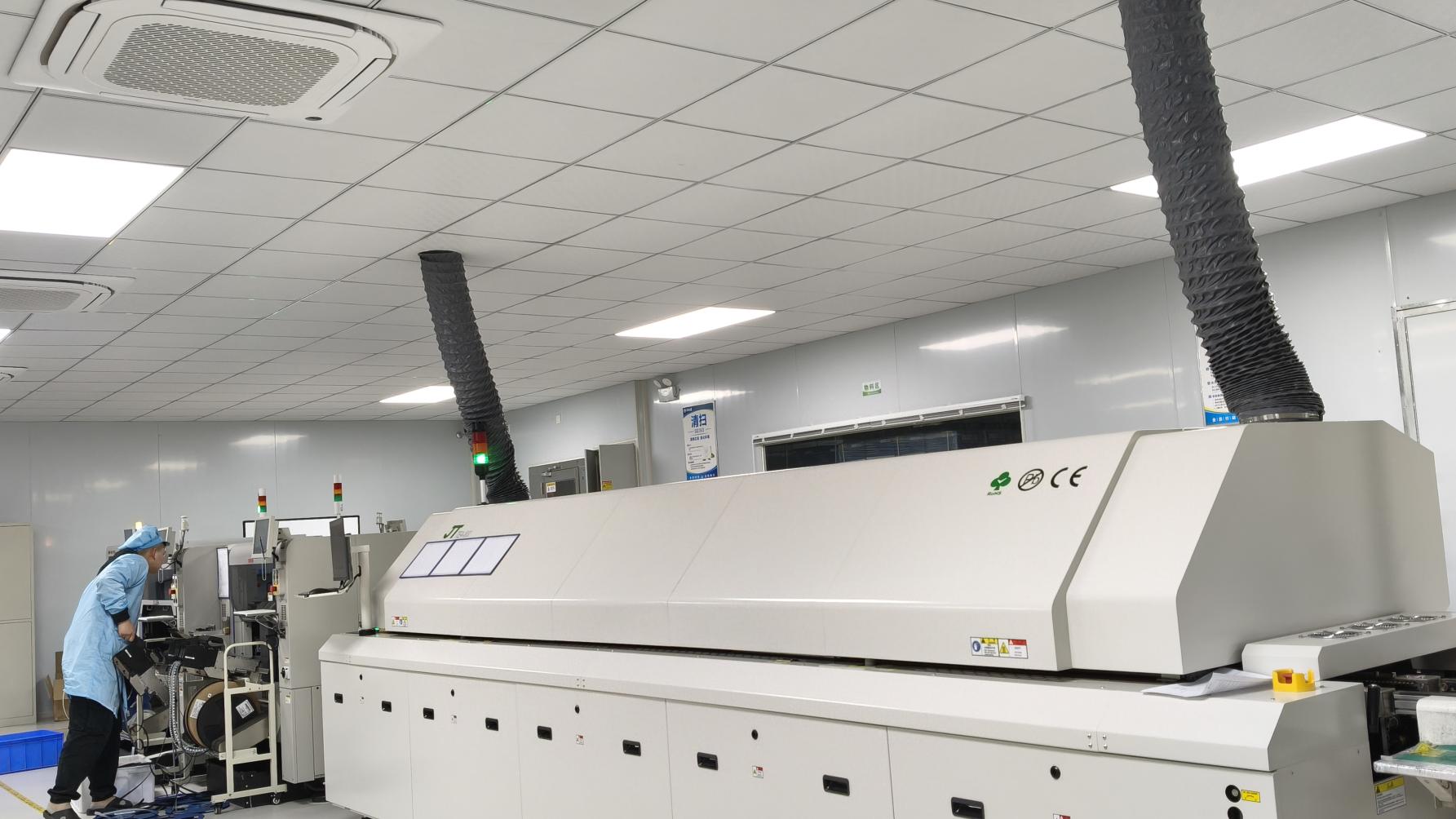
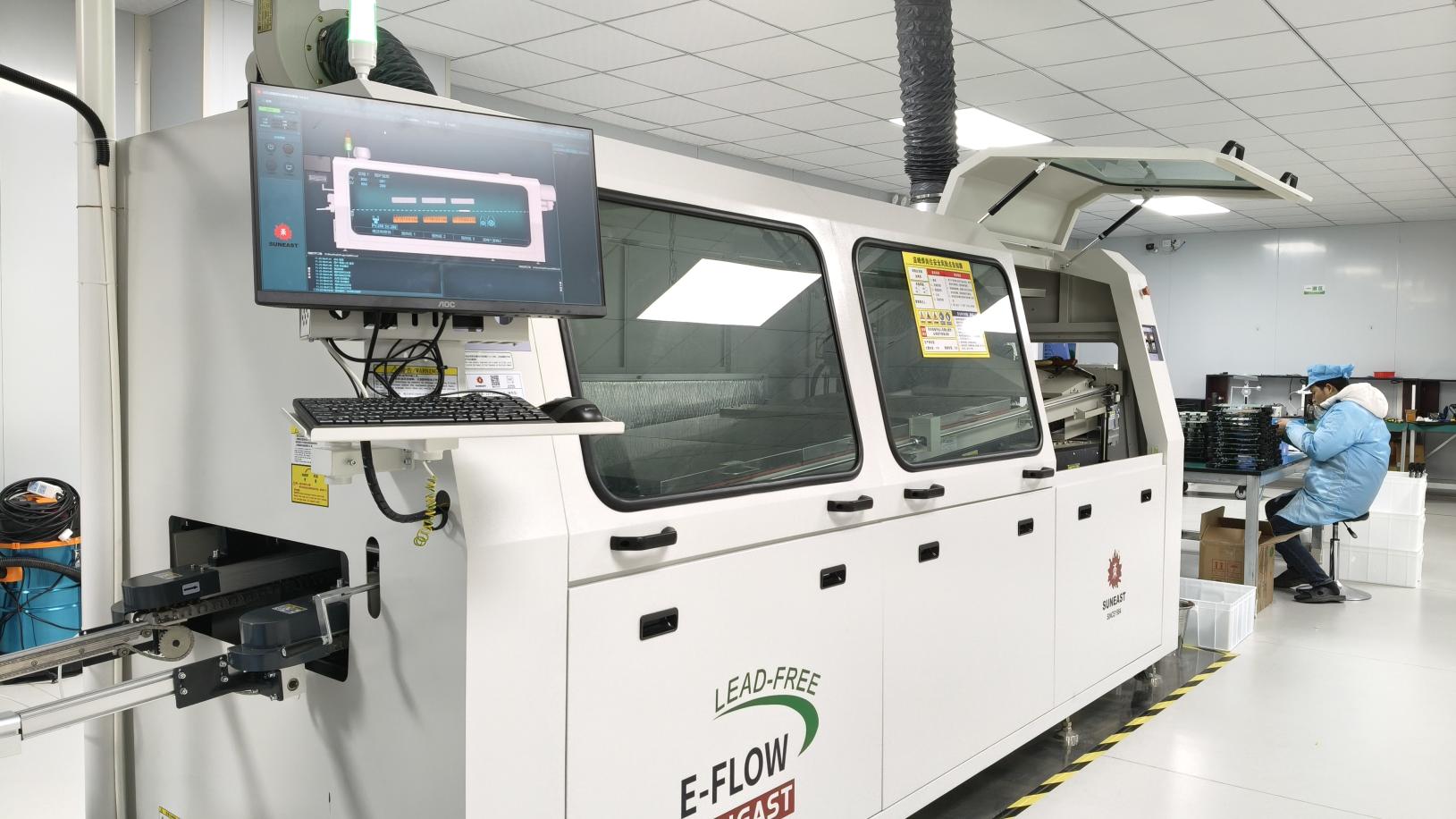
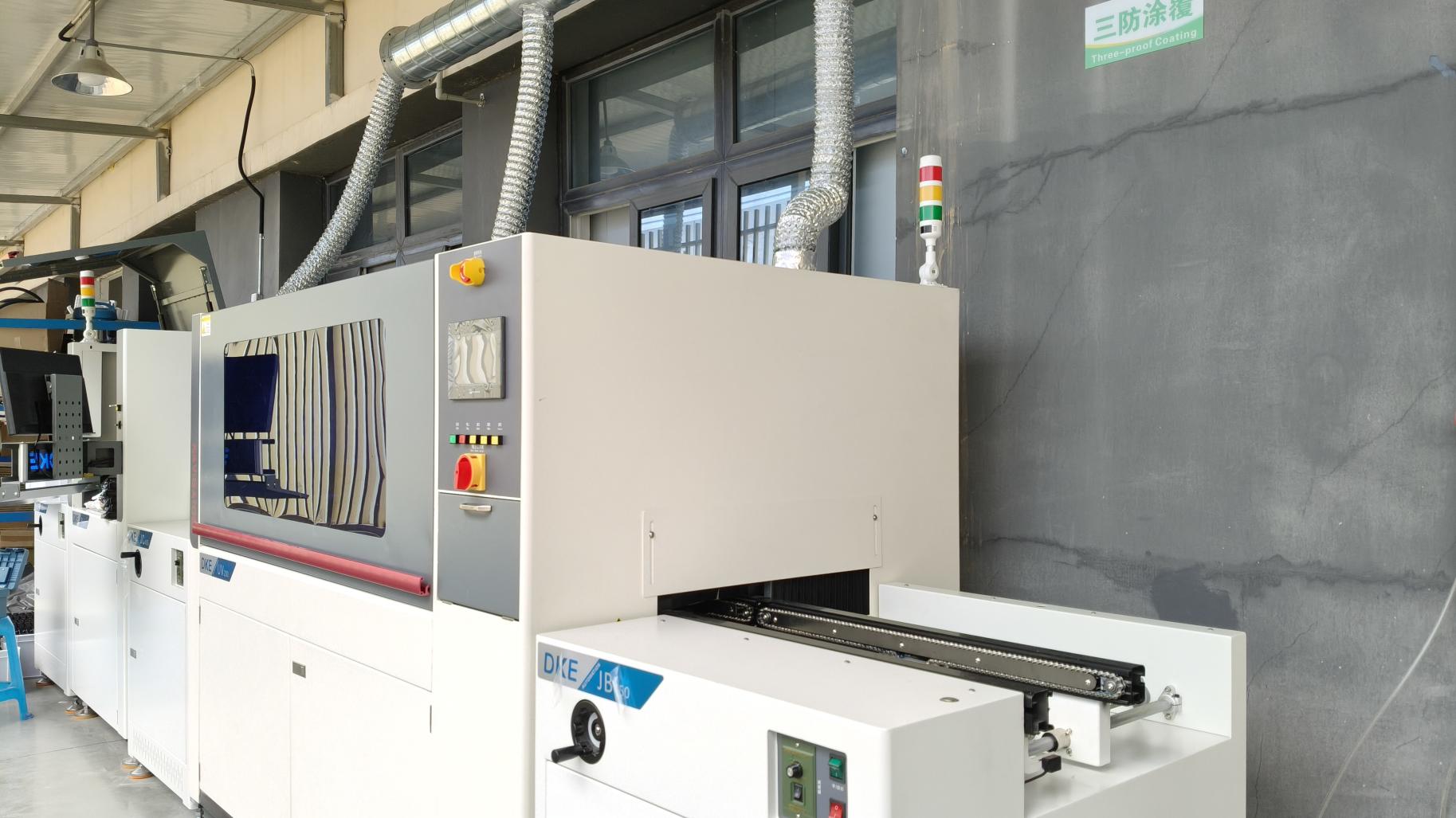
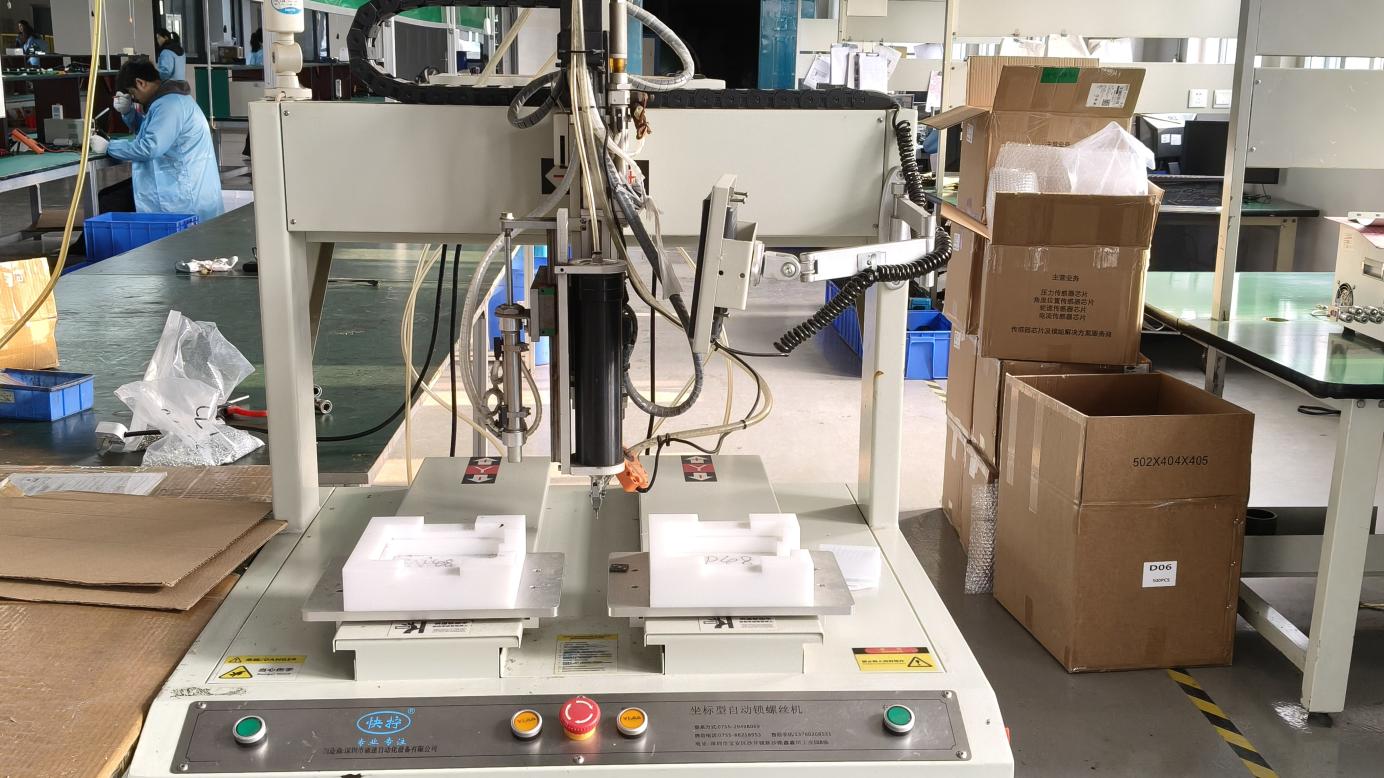
Our manufacturing processes feature precision SMT (Surface Mount Technology), automated AOI (Automated Optical Inspection), and wave soldering lines. These technologies ensure that every driver and PCB board meets strict electrical standards before final assembly. Every production batch undergoes automated aging tests to ensure stability, efficiency, and safety.
How our custom systems are integrated across different sectors to solve key lighting challenges.
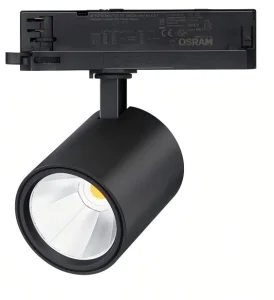
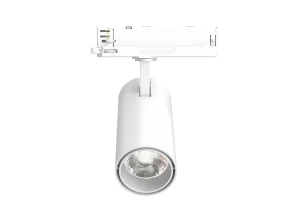
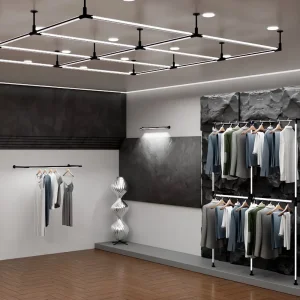
High-end retail outlets in commercial centers like Costanera Center and Parque Arauco require lighting that highlights fabrics, colors, and textures. Using CRI Ra ≥ 90 and adjustable-angle spotlights allows store designers to create depth and direct customer focus to key collections. The flexible track layout accommodates frequent inventory rotations and seasonal shop display updates.
Museums, such as the Museo Chileno de Arte Precolombino, require precise illumination control to safeguard delicate historical artifacts. Our LED track lights feature custom honeycomb accessories and narrow-beam optics (15°/24°). These features reduce glare and heat emissions while focusing light precisely on historical artifacts without visual distortion.
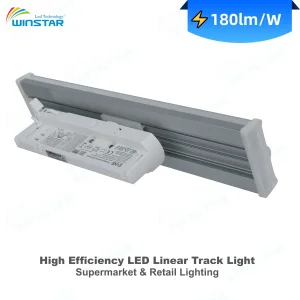
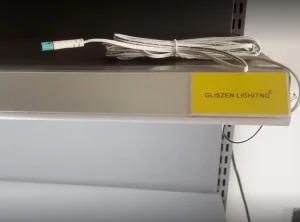
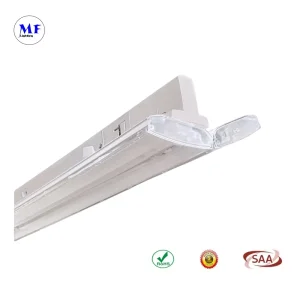
Supermarket chains across Chile (such as Líder and Jumbo) require high-efficiency lighting that operates continuously for 12 to 18 hours a day. Using our 180lm/W linear track lighting systems helps minimize operational energy consumption. The linear track system delivers uniform distribution along supermarket shelves, enhancing product visibility while keeping glare values under UGR 19.
High-efficiency components designed for commercial, residential, and industrial deployments.
Key compliance, logistics, and technical details for Chilean distributors, contractors, and retail project planners.
 Lili Light