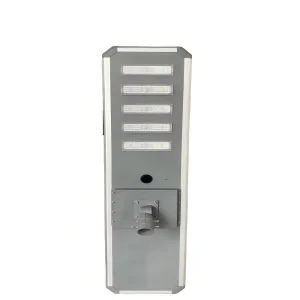
Premium solutions specifically optimized for Romanian solar irradiance patterns and standard local wind loads.
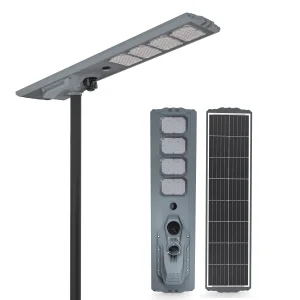
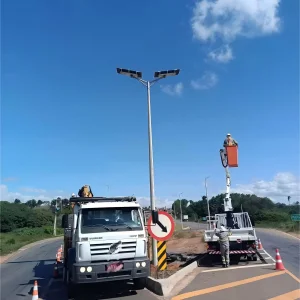
A comprehensive analysis of the regulatory, environmental, and infrastructure landscapes shaping solar street lighting deployment in Romania.
Under the European Green Deal and Romania's National Recovery and Resilience Plan (PNRR), the Romanian government has allocated significant funds (exceeding hundreds of millions of Euros) for public lighting modernization. Municipalities across historical regions like Transylvania, Moldavia, and Wallachia are aggressively replacing outdated High-Pressure Sodium (HPS) grids with autonomous, off-grid solar LED streetlights.
These local initiatives aim not only to reduce municipal carbon footprints but also to resolve the mounting electricity tariffs that burden public administration budgets. Off-grid solar solutions offer Romania’s administrative territorial units (UAT) a strategic opportunity: 100% savings on operation energy, zero trenching costs for historical sites, and instant illumination in suburban expansion zones.
Connecting traditional grid lights in remote locations along the Carpathian range or across Dobrogea's agricultural plains costs up to €80 per meter in trenching and cabling. Solar systems bypass this entirely, making them 40% cheaper over a 5-year lifecycle.
Romania presents unique challenges for photovoltaic technology. In southern sectors (such as Bucharest, Constanța, and Craiova), solar radiation is abundant, averaging 1,300 to 1,450 kWh/m² annually. However, in the mountainous and northern reaches (Maramureș, Suceava), solar radiation drops significantly during winter months, combined with persistent snowfall and temperatures dropping below -20°C.
Therefore, off-grid systems deployed in Romania must not utilize standard consumer-grade electronics. To maintain functionality during up to three consecutive days of winter overcast (autonomy time), professional projects demand monocrystalline silicon PV panels with efficiencies exceeding 21% and advanced lithium-iron phosphate (LiFePO4) battery packs managed by smart MPPT (Maximum Power Point Tracking) controllers.
Ensuring municipal project acceptance by meeting strict European Union and Romanian national lighting criteria.
Public lighting schemes in Romania must satisfy strict light uniformity and luminance indexes. Our optics are engineered to distribute light efficiently, avoiding excessive glare and preventing dark zones between poles spaced up to 35 meters apart.
Importing electrical components into Romania requires complete CE marking and RoHS compliance to verify the absence of hazardous substances. As a certified OEM partner, Lili Light delivers complete documentation, compliance declaration certificates, and local registry support.
High wind velocity in Bărăgan plains and heavy snow loads in Brasov require mechanical resilience. Our lighting housings are fabricated from high-grade die-cast aluminum with anti-vibration features, carrying certified IP66/IP67 ingress ratings and IK08/IK10 impact protection classes.
Pro-Tip for Romanian Municipal Tender Bidders:
To win public procurements via SEAP (Sistemul Electronic de Achizitii Publice) in Romania, the technical specifications must include local warranty execution, maintenance-free batteries operating down to -25°C, and intelligent dimming profiles that dynamically adjust output according to the state of charge (SoC) of the battery.
Your Strategic OEM/ODM Manufacturing Partner for High-Performance LED & Solar Lighting Systems
Zhejiang Lili Light Co., Ltd. is a professional manufacturer and exporter specializing in LED lighting products and integrated lighting solutions. With years of experience in the lighting industry, we are committed to providing innovative, energy-efficient, and reliable products to customers around the world.
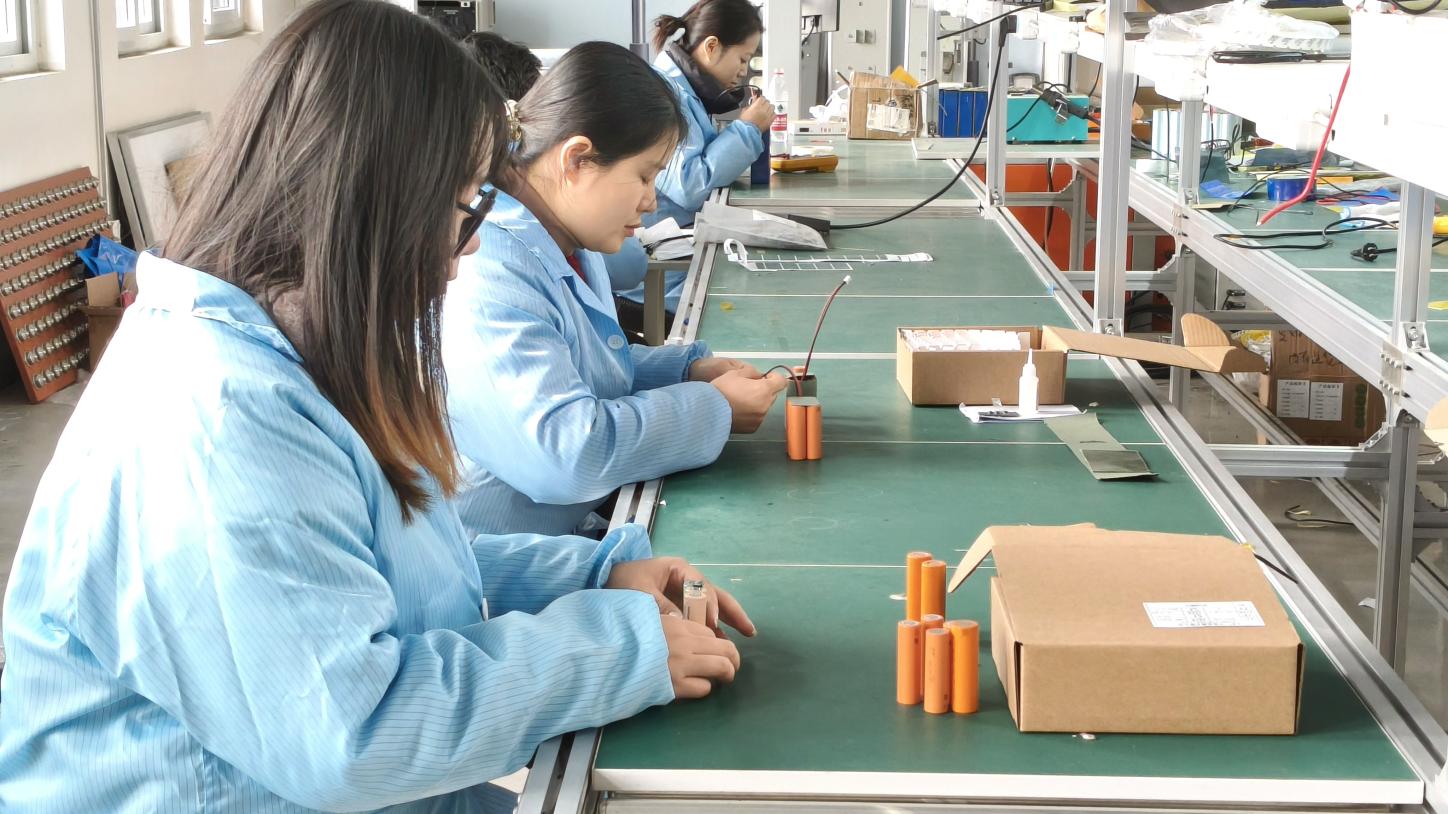
Since its establishment, the company has continuously invested in product development, manufacturing technology, and quality management. Supported by a skilled technical team, modern production facilities, and a strict quality control system, we have built long-term partnerships with customers across Europe, South America, Southeast Asia, the Middle East, and other international markets.
Our product portfolio covers a wide range of indoor and outdoor lighting applications, including residential, commercial, industrial, and public projects. From modern indoor lighting products such as downlights, spotlights, bulbs, panel lights, ceiling lights, and track lights to outdoor floodlights, wall lights, and solar-powered lighting solutions, we provide customers with comprehensive lighting options that combine functionality, durability, and aesthetic design.
Quality and customer satisfaction are the foundation of our business. Every product undergoes rigorous inspection throughout the manufacturing process to ensure stable performance, energy efficiency, and long service life. We also offer flexible OEM and ODM services, helping customers develop customized products that meet their specific market requirements.

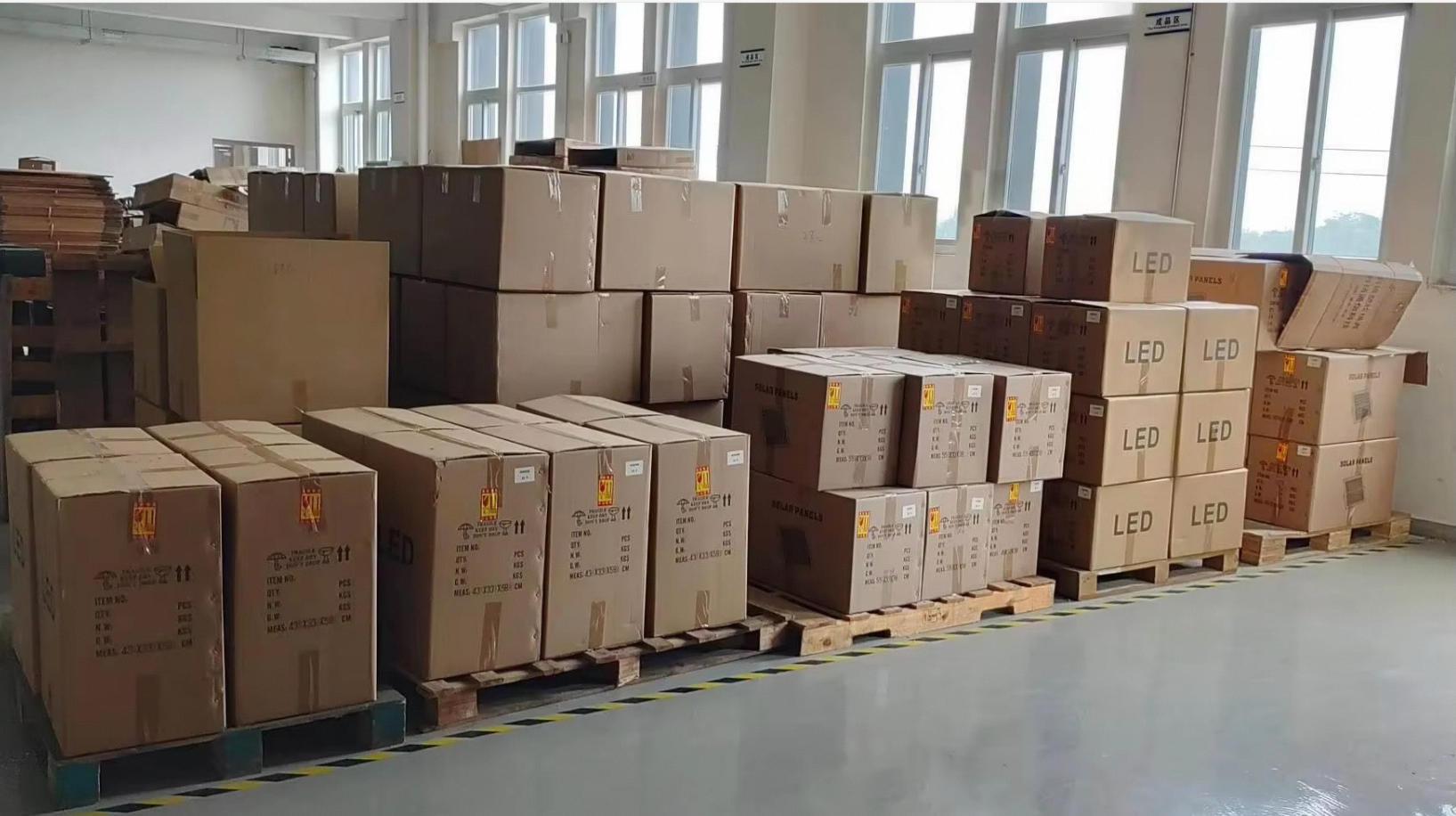
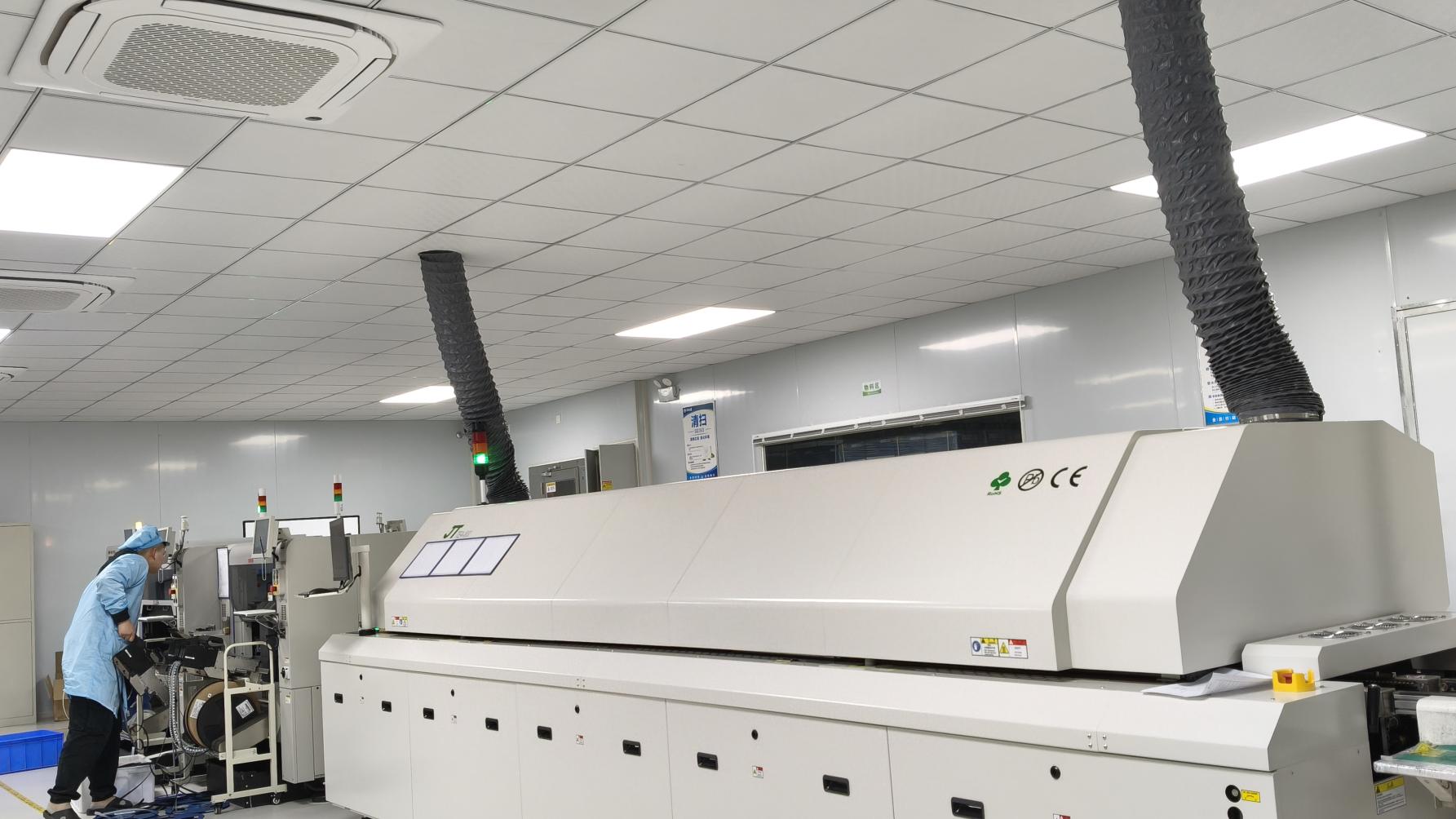
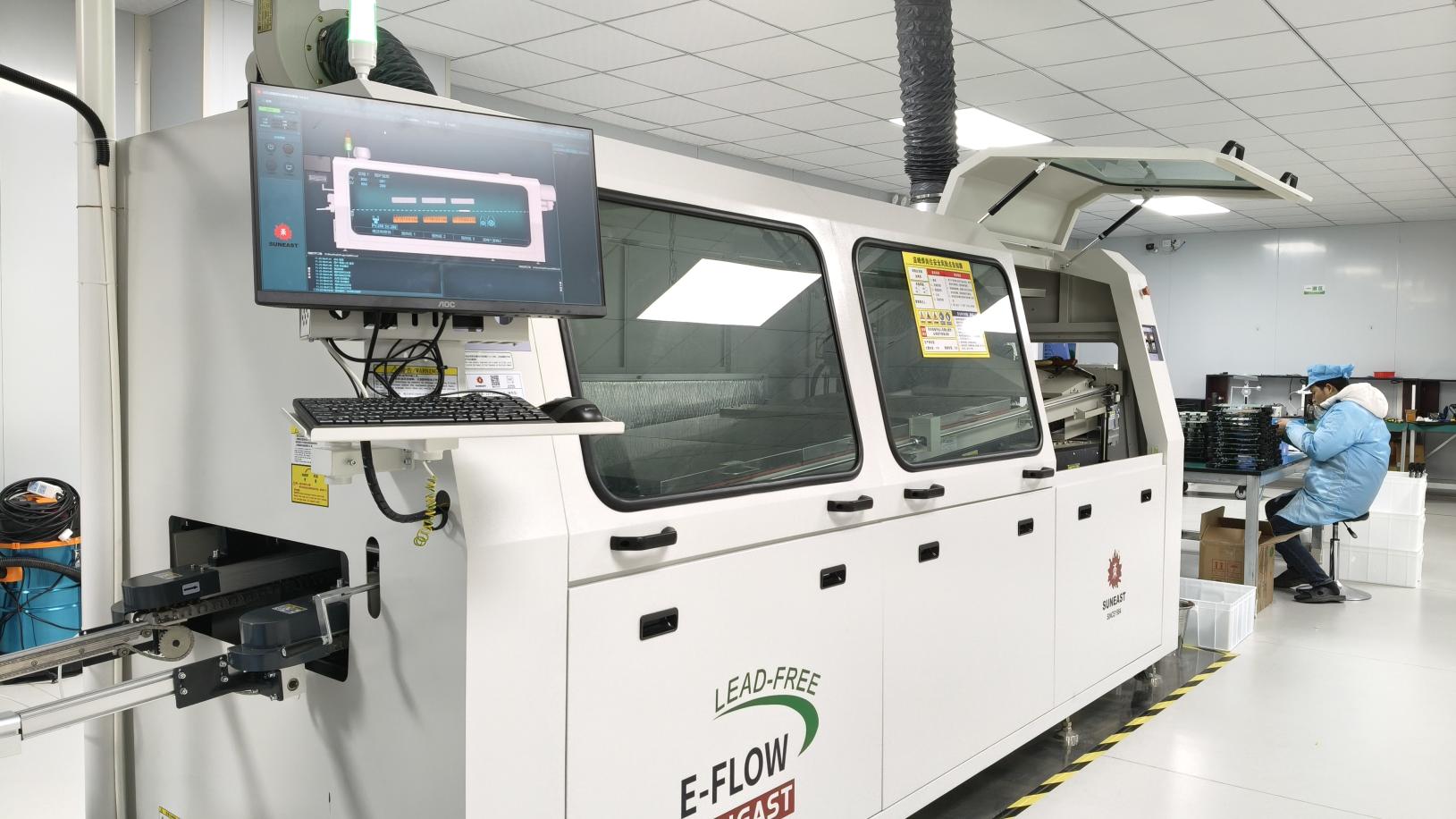
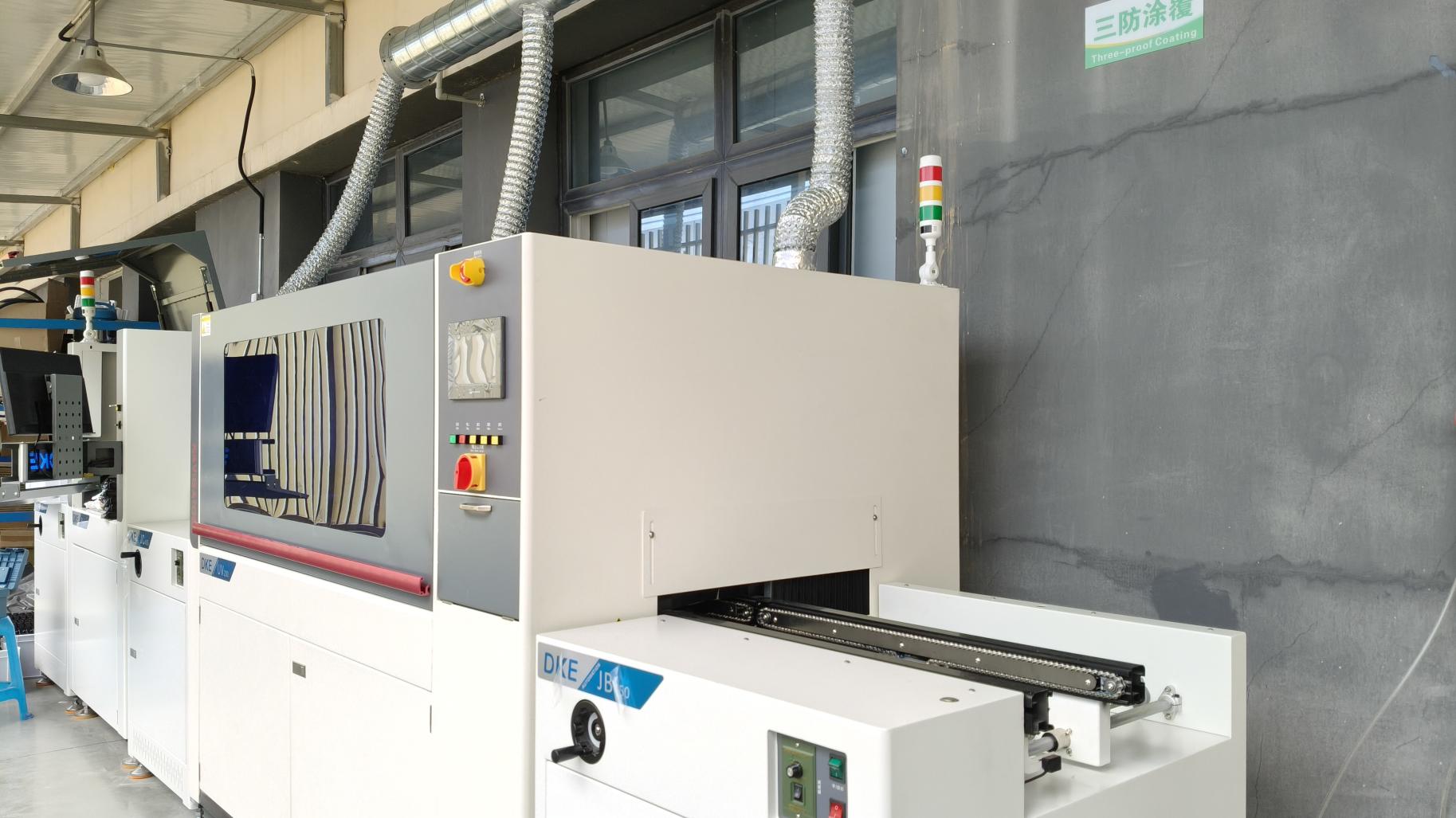
Combining local engineering insights with the unmatched scale, vertical integration, and cost efficiencies of Zhejiang's industrial clustering.
By leveraging China's dense cluster of semiconductor, lithium battery, and photovoltaic raw material providers, Zhejiang Lili Light delivers premium municipal-grade street lights at a fraction of the cost of local European assemblers, allowing Romanian contractors to submit highly competitive bids in local tenders.
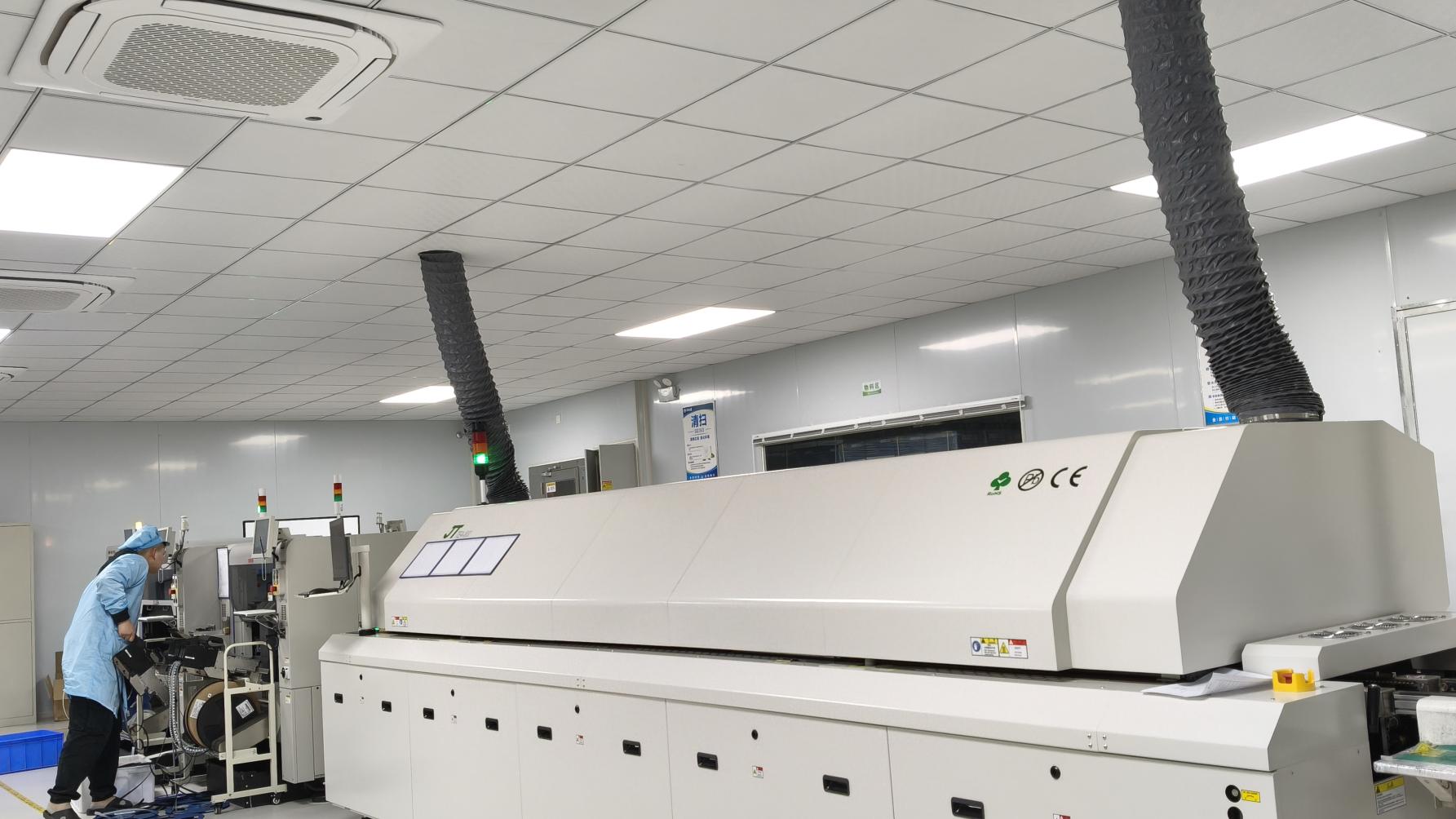
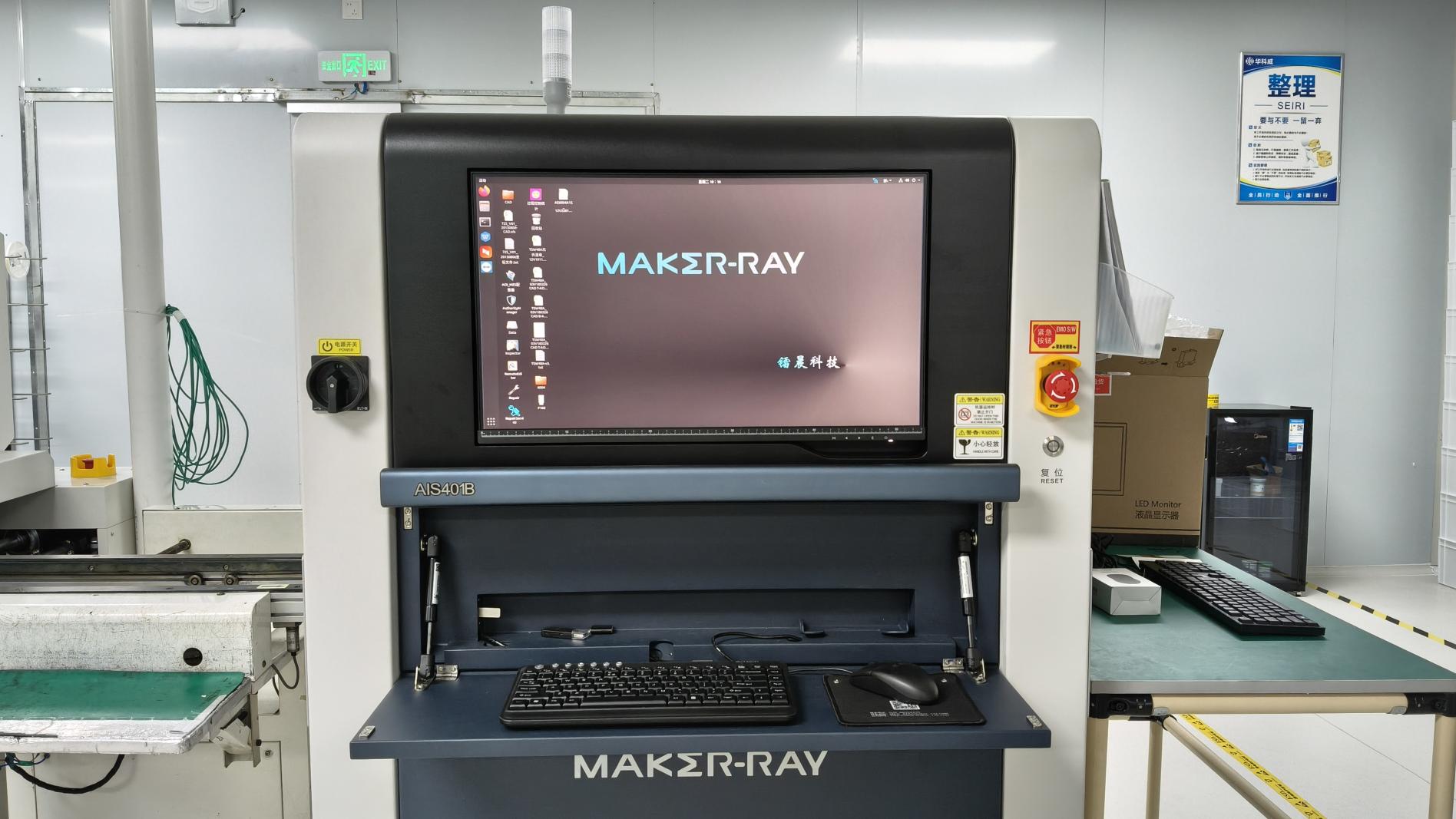
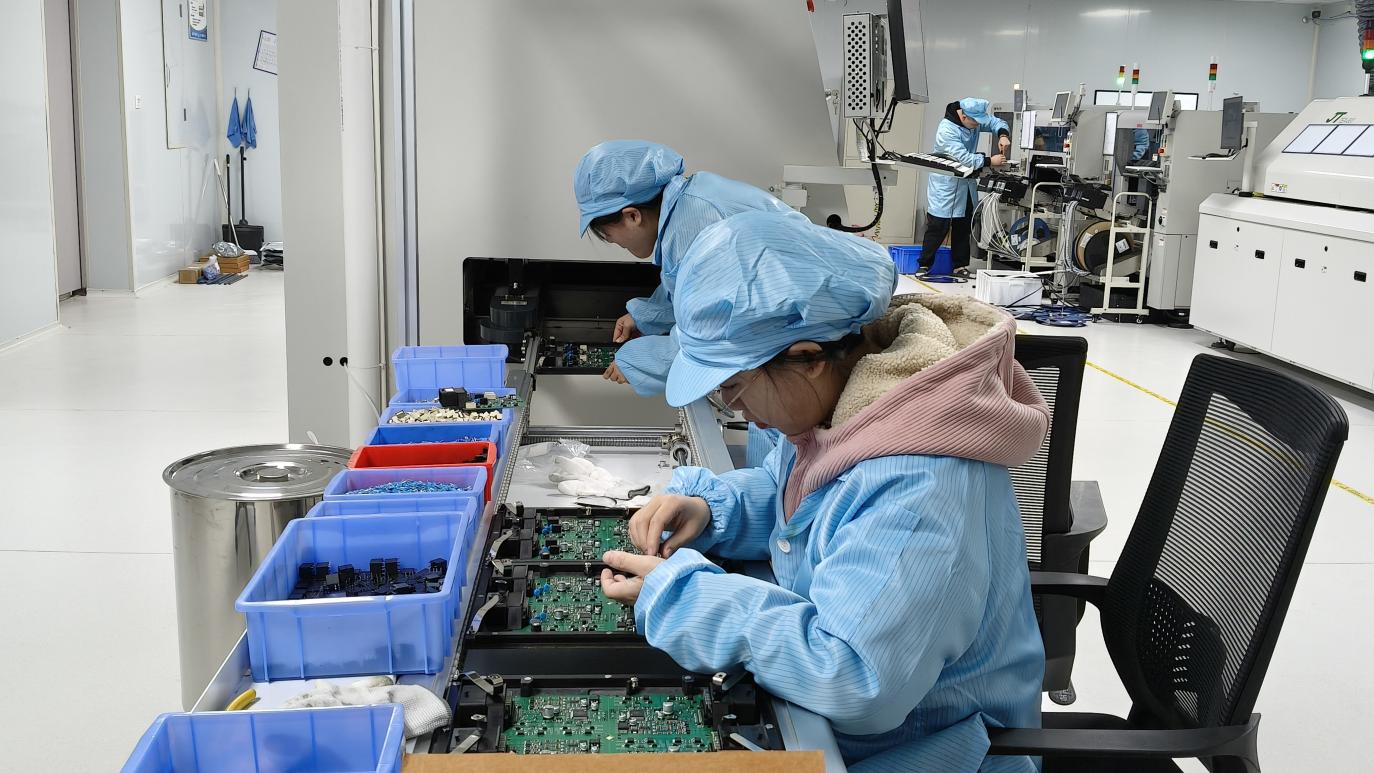
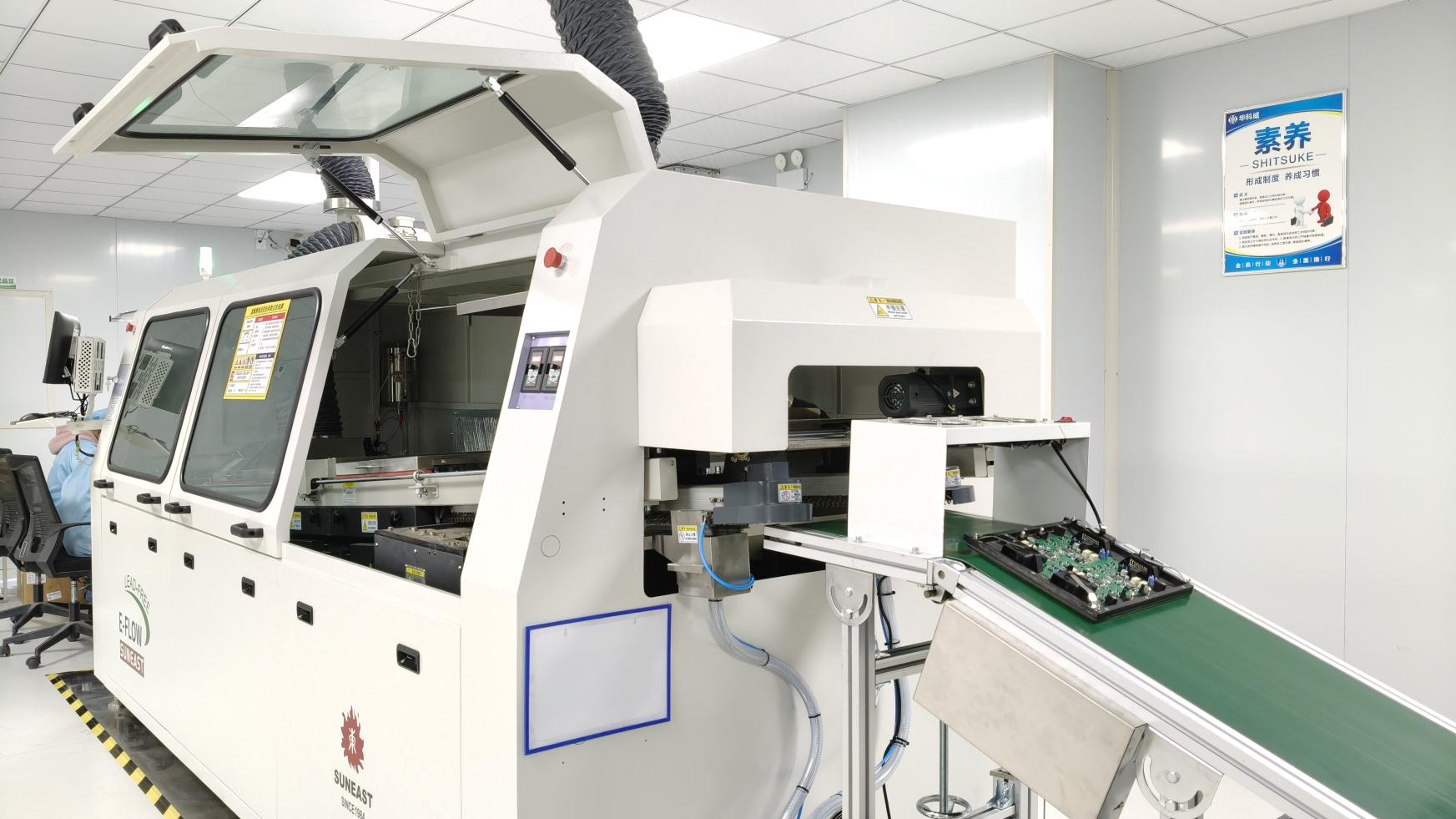
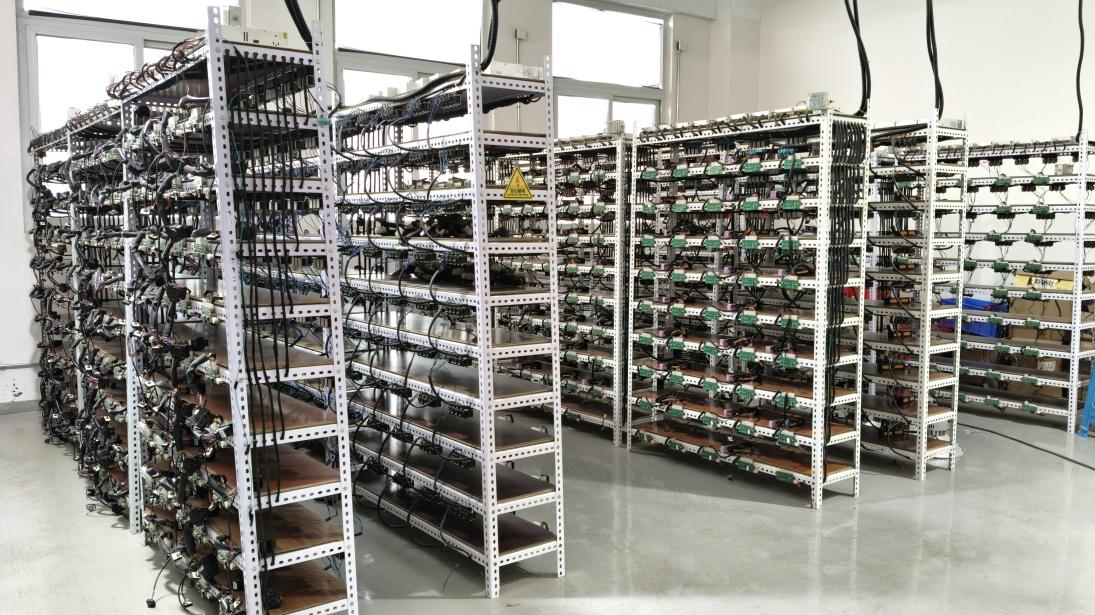
Unlike trading companies, we manage everything from high-speed SMT PCB placement, AOI (Automated Optical Inspection) testing, and automated wave soldering to the final aging chambers. This guarantees a failure rate below 0.2% over a 5-year operational lifecycle.
International engineering contractors and municipal purchasing agents demand more than just standard products. Current procurement patterns show a surge in demand for integrated technologies, specifically solar lighting coupled with smart telemetry systems (4G, 5G, or LoRaWAN communication protocols) and integrated high-definition surveillance (CCTV). This integration turns simple lighting points into crucial nodes for smart city IoT grids, particularly in urbanizing centers like Cluj-Napoca, Timișoara, and Constanța.
Tailoring solar lighting design to specific environmental, logistical, and structural needs.
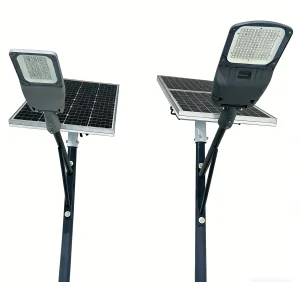
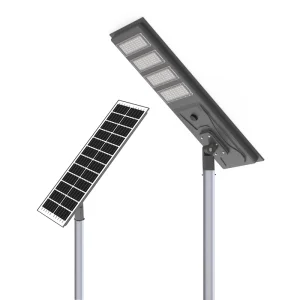
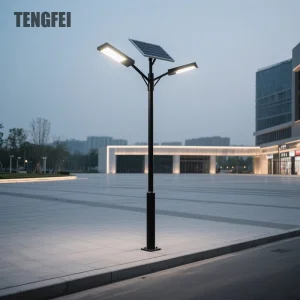
For roads crossing windy rural plains, split solar street lights with separate, high-angle PV panels are ideal. They resist local wind shears and capture high-inclination winter sunlight efficiently.
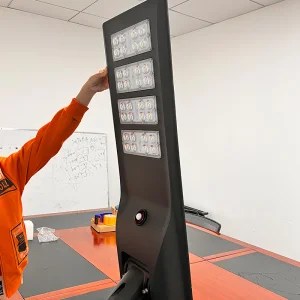
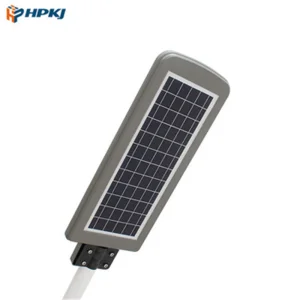
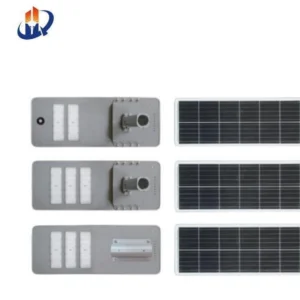
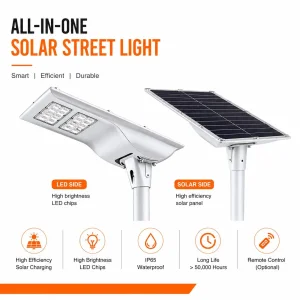
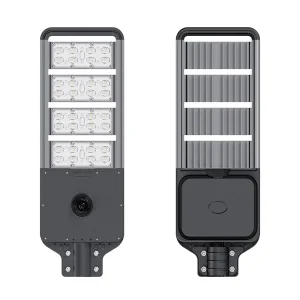
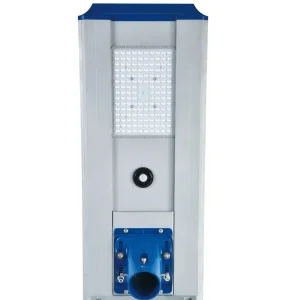
For community paths and parks in cities like Bucharest or Iași, elegant All-in-One models with motion sensors preserve design aesthetics while running economically during late hours.
At Constanța Port or Western logistics centers, high-power IP67/IP68 fixtures with integrated 4G CCTV security systems provide vital safety coverage without costly wiring infrastructure.
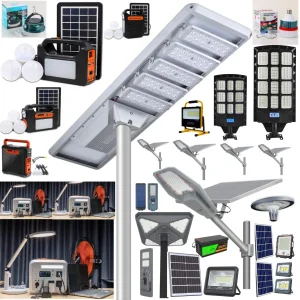
Select from our complete range of certified outdoor lights designed for commercial, public, and private applications in Romania.
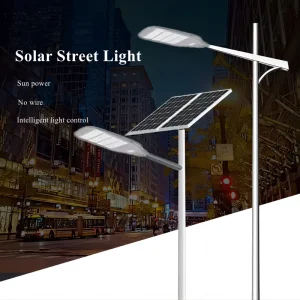
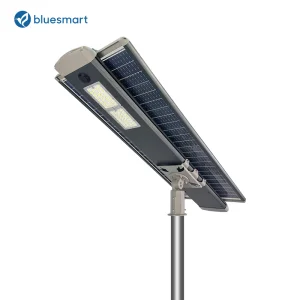
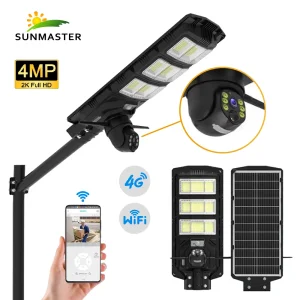
Specific high-output models, impact-resistant structures, and heavy-duty designs for extreme industrial sites.
A rigorous review of solar engineering requirements to withstand the extreme fluctuations of Romanian weather.
Romanian winters can bring weeks of overcast conditions, particularly in the northern regions. Traditional polycrystalline solar panels, with an conversion efficiency of 15-17%, often fail to charge batteries sufficiently under indirect light. For public projects, we specify monocrystalline silicon panels with conversion efficiencies up to 22%.
Additionally, our controllers utilize a specialized low-light charging algorithm. Even when solar irradiation falls below 200W/m², the system continues to charge the batteries at a lower current, ensuring that the light maintains a baseline operating charge for consecutive stormy days.
Romania’s climate transitions from summer temperatures of +40°C in the Bărăgan Plain to winter lows of -25°C in the Harghita region. Lithium batteries are sensitive to temperature extremes:
Unlike basic Pulse Width Modulation (PWM) systems, Maximum Power Point Tracking (MPPT) optimizes the power transfer from the PV array by continuously adjusting electrical operations. This delivers up to a 30% increase in charging efficiency. Combined with PIR motion sensors, our systems run at 30% brightness when no motion is detected and ramp up to 100% output when pedestrians or vehicles approach, preserving battery charge throughout the night.
Quick answers to technical, logistics, and compliance questions commonly asked by Romanian distributors and project contractors.
 Lili Light