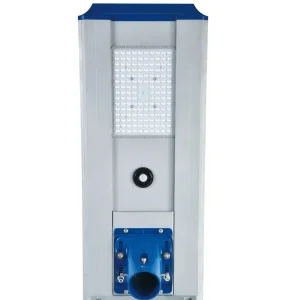
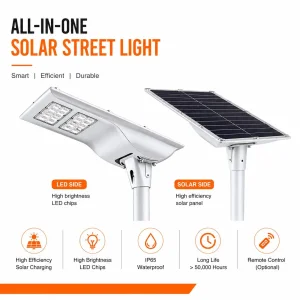
Engineered for compliance with EN 40 standards, high-performance wind resistance, and low-light charging efficiency across the Netherlands.
The Netherlands is driving a relentless transition towards carbon-neutral public spaces under the Climate Agreement (Klimaatakkoord). Dutch municipalities from Rotterdam to Groningen are actively replacing fossil-fueled grid lighting with off-grid smart solar lighting. However, the geographic reality of Northern Europe presents stark challenges for solar systems: low winter solar angles, high coastal wind forces, and severe humidity.
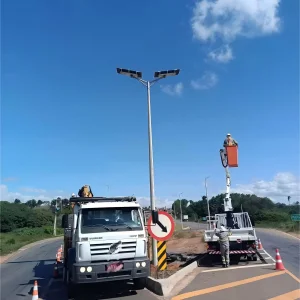
Achieving structural reliability in the Netherlands requires complying with NEN-EN 40 structural rules, which regulate the design of lighting columns against wind loads. For coastal regions like Zeeland or North Holland, solar street lights must withstand wind gusts of up to 28 m/s without experiencing mechanical failures or structural shifting.
Additionally, solar components must handle highly diffuse solar radiation. Unlike equatorial regions, winter days in the Netherlands are characterized by prolonged cloud cover. This necessitates solar street lights equipped with highly responsive MPPT (Maximum Power Point Tracking) controllers that can convert light even under low-lux conditions, paired with advanced lithium-iron-phosphate (LiFePO4) battery systems that retain energy efficiency in sub-zero winters.
In high-latitude countries like the Netherlands, up to 60% of the annual solar radiation is diffuse. Standard polycrystalline panels fall short here. Zhejiang Lili Light utilizes highly purified A-grade Monocrystalline Silicon Solar Cells. When optimized with anti-reflective textured glass coatings, our panels deliver up to 22.5% photoelectric conversion efficiency, guaranteeing system power generation even in overcast autumns and winters.
Bridging Chinese engineering scale with high-end European standard compliance for maximum project ROI.
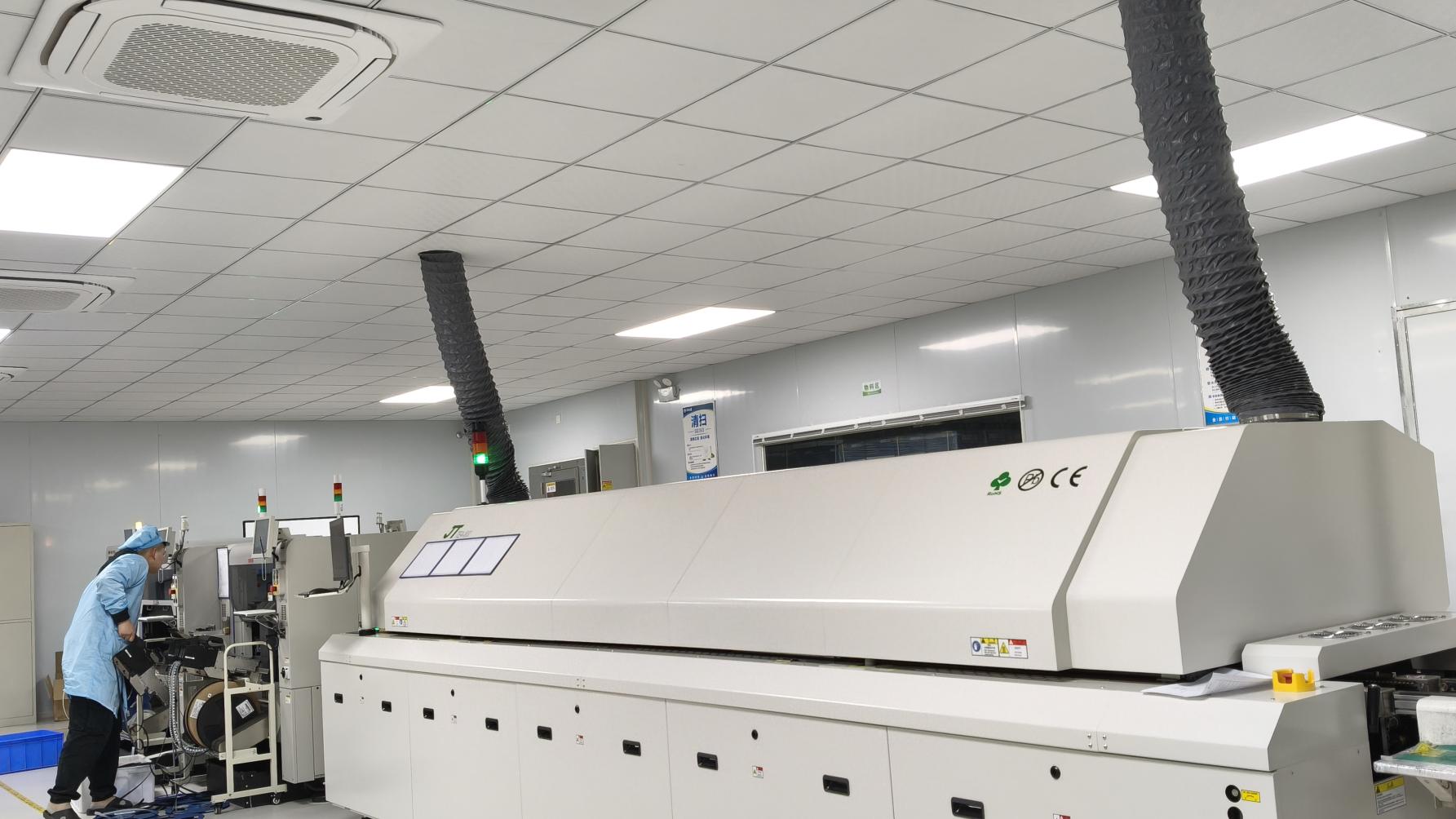
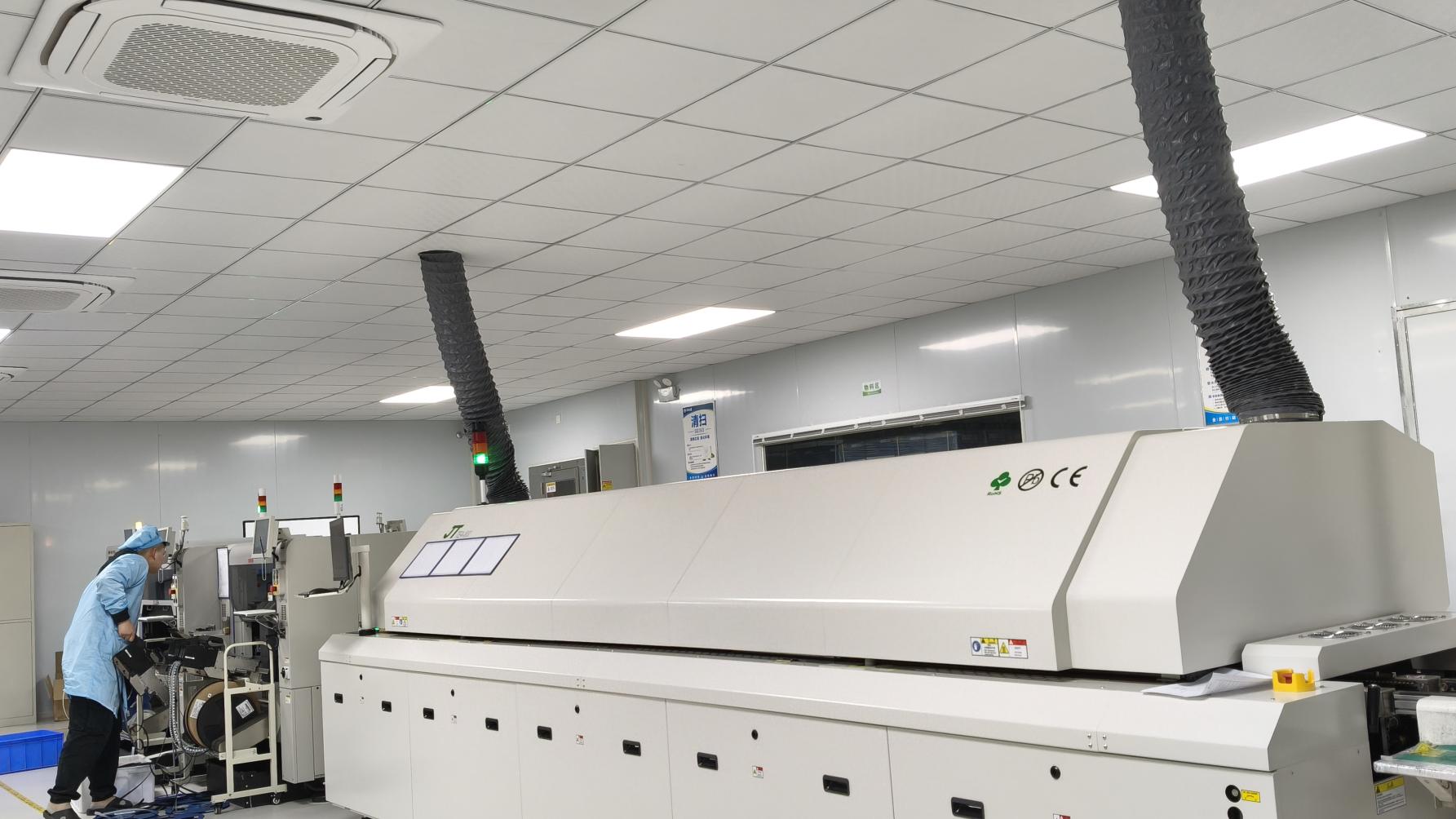
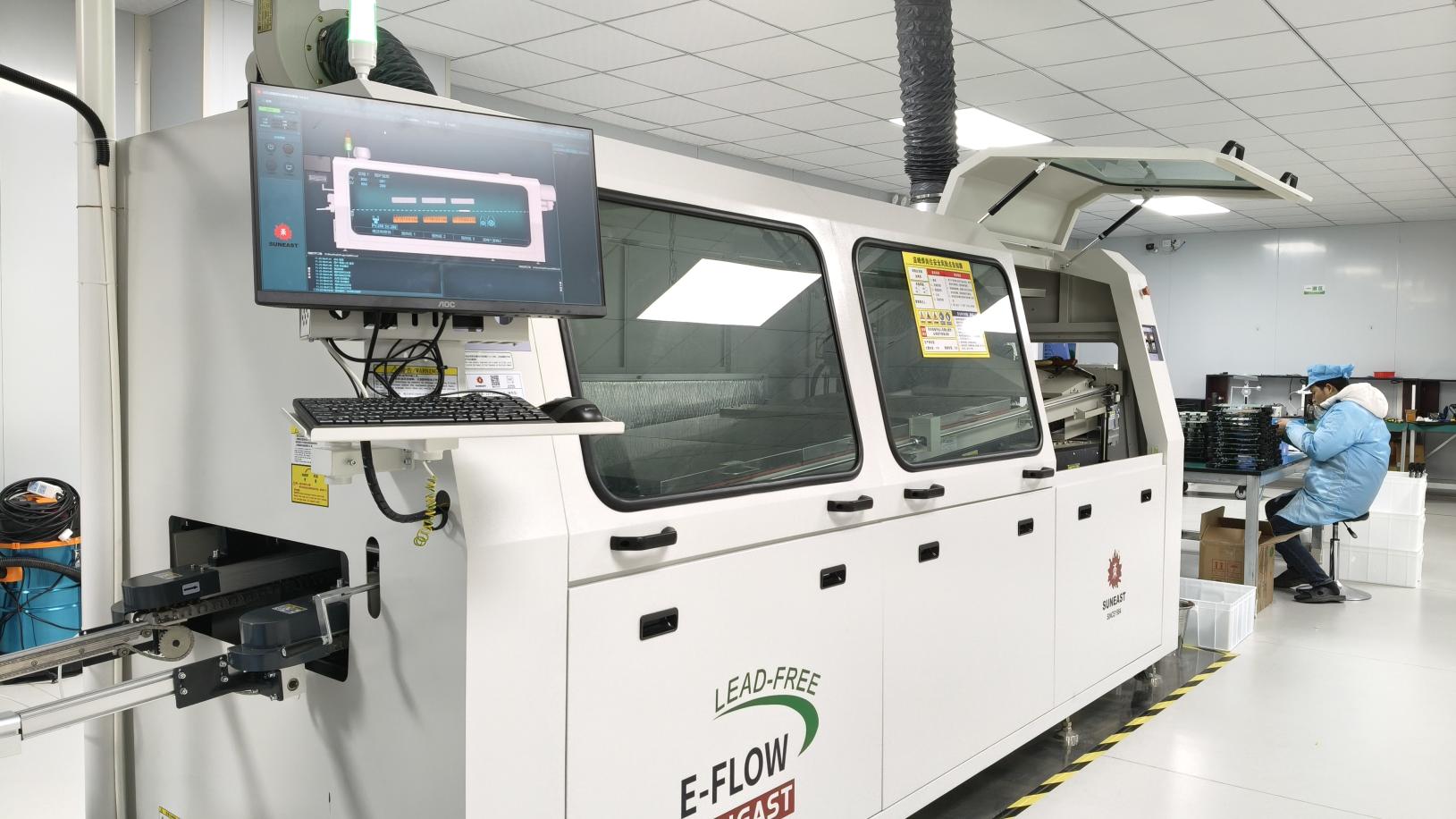
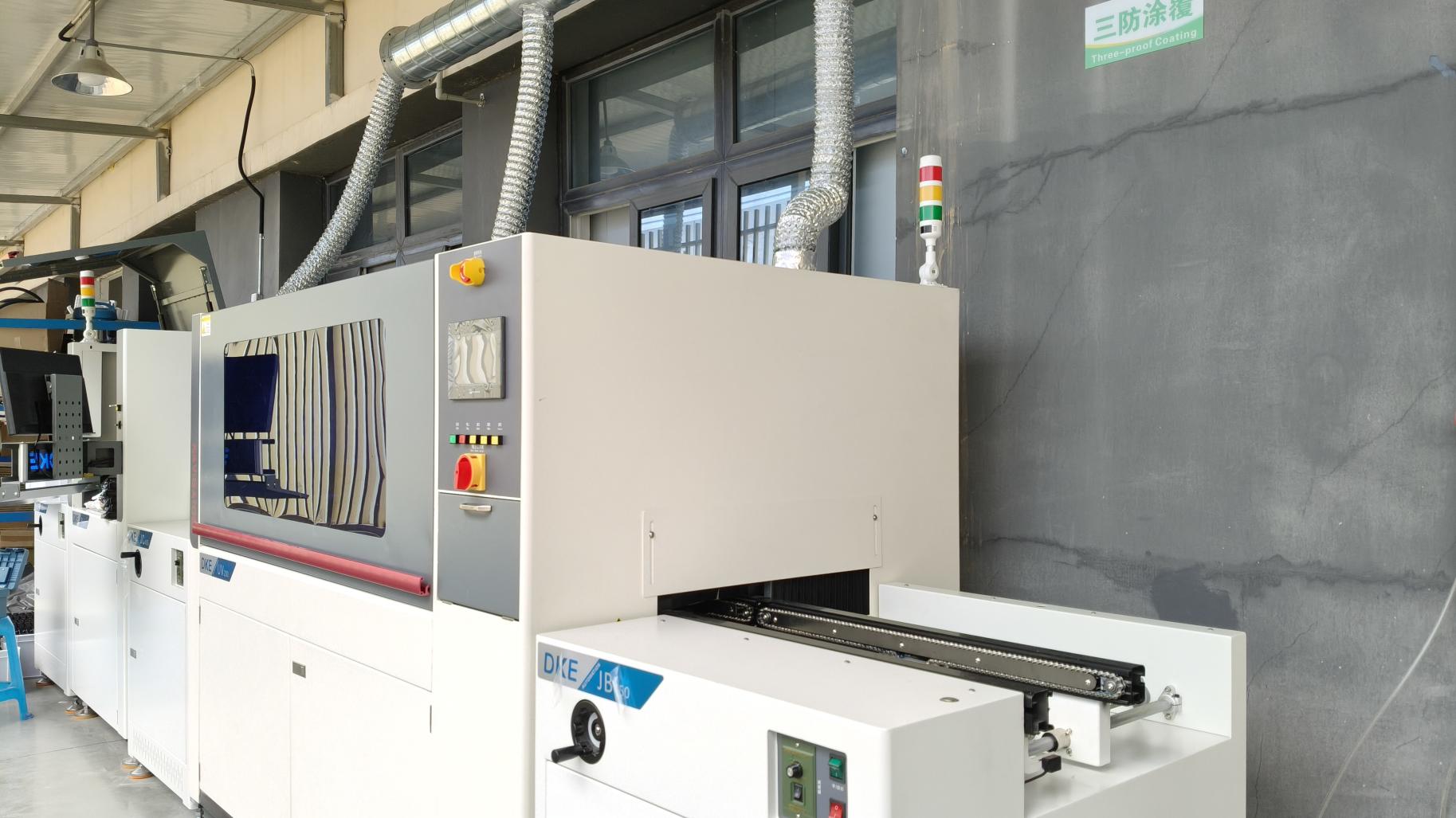
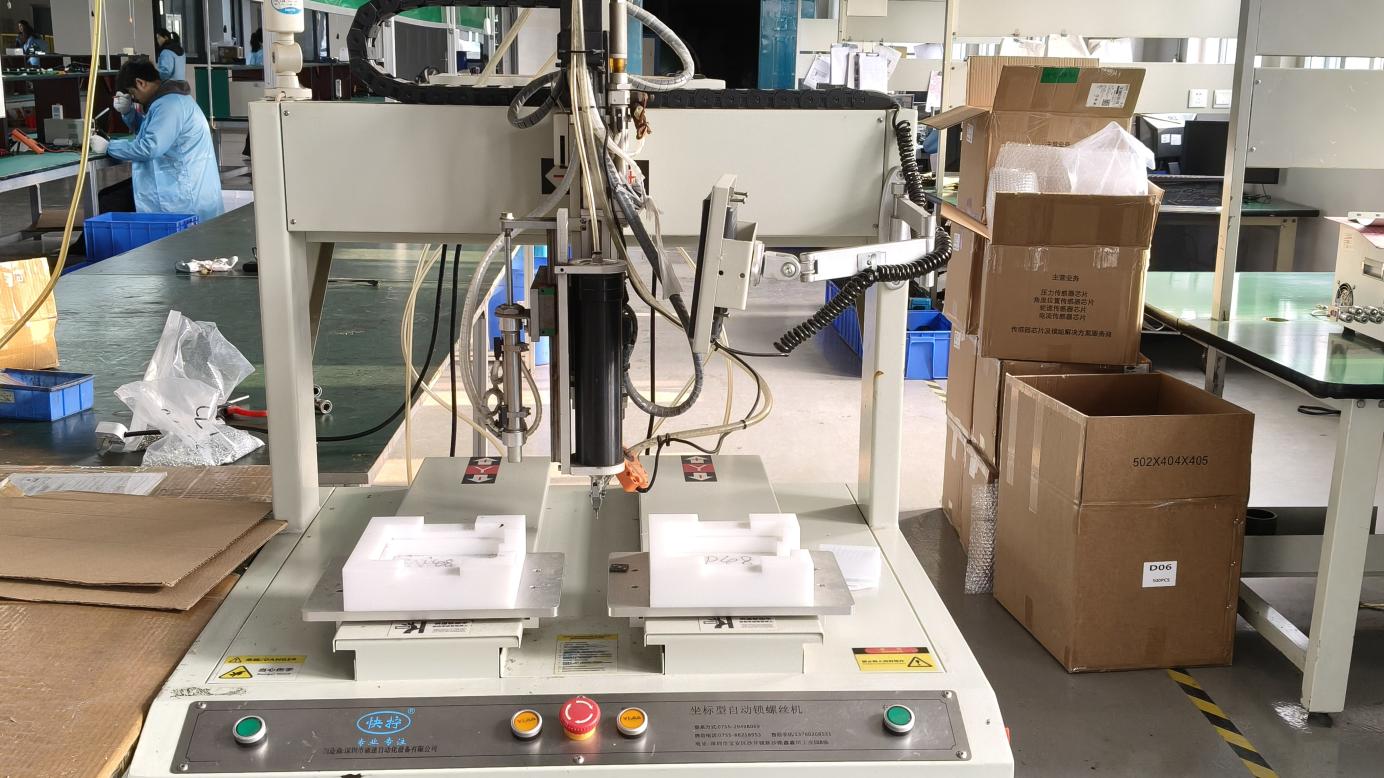
In the global commercial and industrial solar street light market, the efficiency difference between a fully integrated manufacturing line in China and localized European assembly is vast. Zhejiang Lili Light Co., Ltd. controls the entire quality loop, from raw silicon processing to SMT circuit board mounting and final robotic assembly. This prevents supply chain fragmentation and significantly lowers the cost per lumen output.
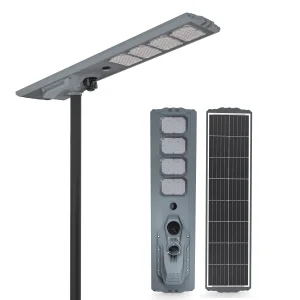
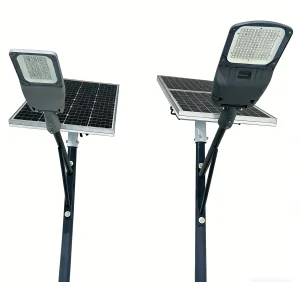
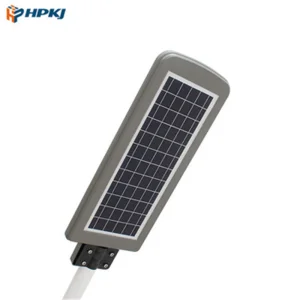
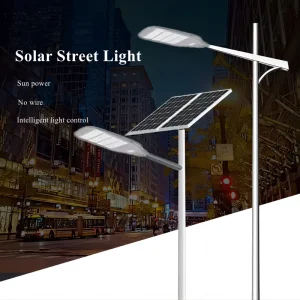
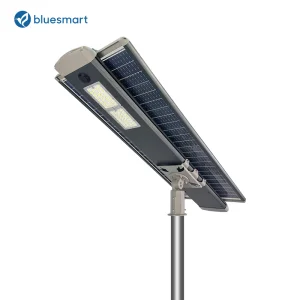
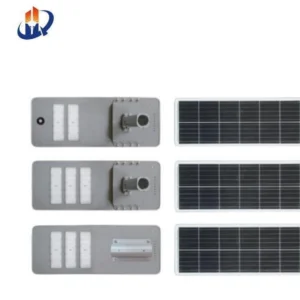
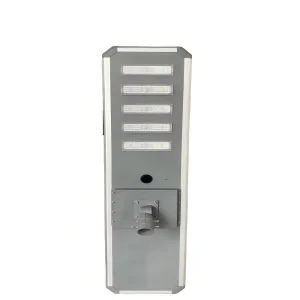
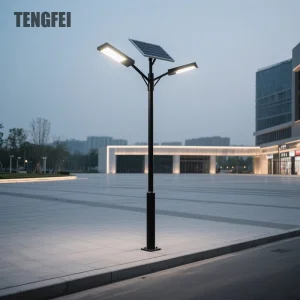
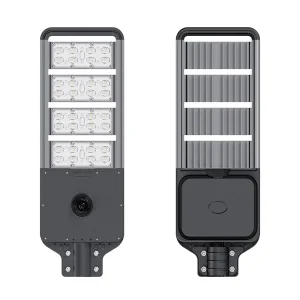
Our product lineup is strictly customized to meet the distinct functional environments of the Netherlands market:
A professional manufacturer and exporter specializing in LED lighting products and integrated lighting solutions. We provide high-durability, energy-efficient, and reliable products globally.
Since its establishment, Zhejiang Lili Light Co., Ltd. has continuously invested in product development, manufacturing technology, and quality management. Supported by a skilled technical team, modern production facilities, and a strict quality control system, we have built long-term partnerships with customers across Europe, South America, Southeast Asia, the Middle East, and other international markets.
Our product portfolio covers a wide range of indoor and outdoor lighting applications, including residential, commercial, industrial, and public projects. From modern indoor lighting products such as downlights, spotlights, bulbs, panel lights, ceiling lights, and track lights to outdoor floodlights, wall lights, and solar-powered lighting solutions, we provide customers with comprehensive lighting options that combine functionality, durability, and aesthetic design.
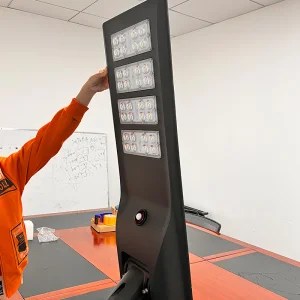
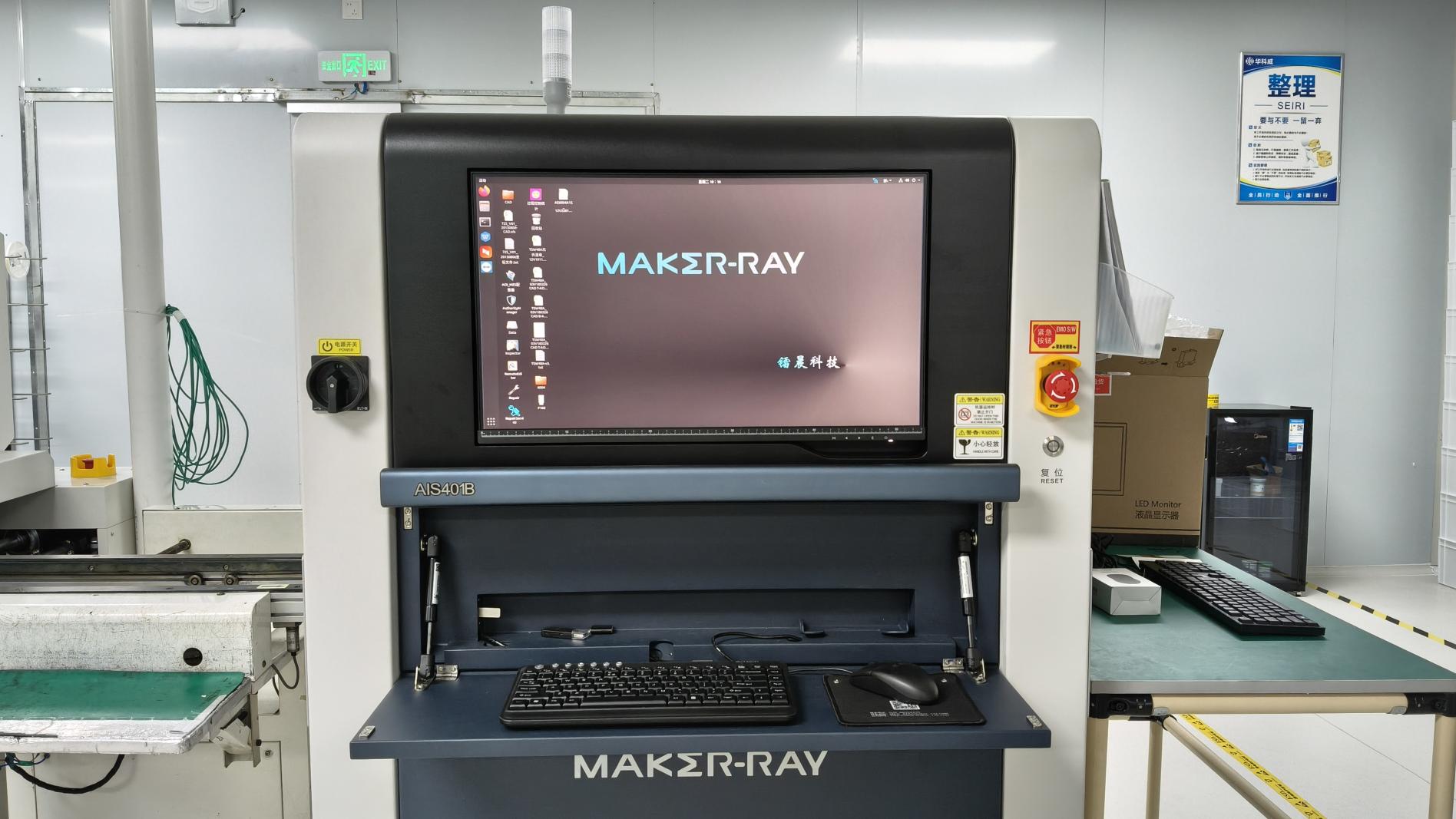
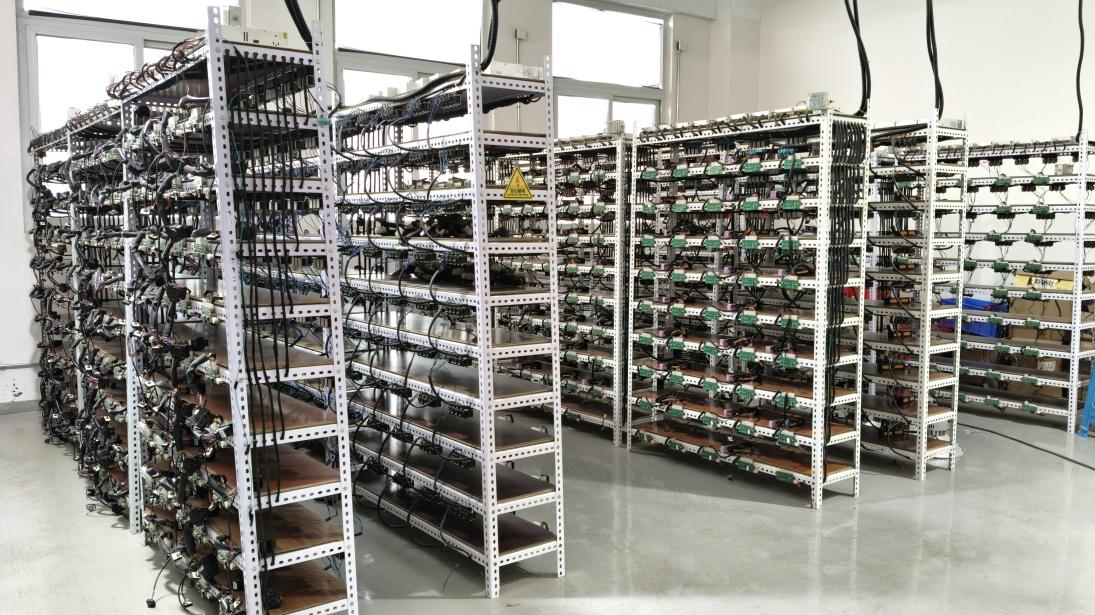
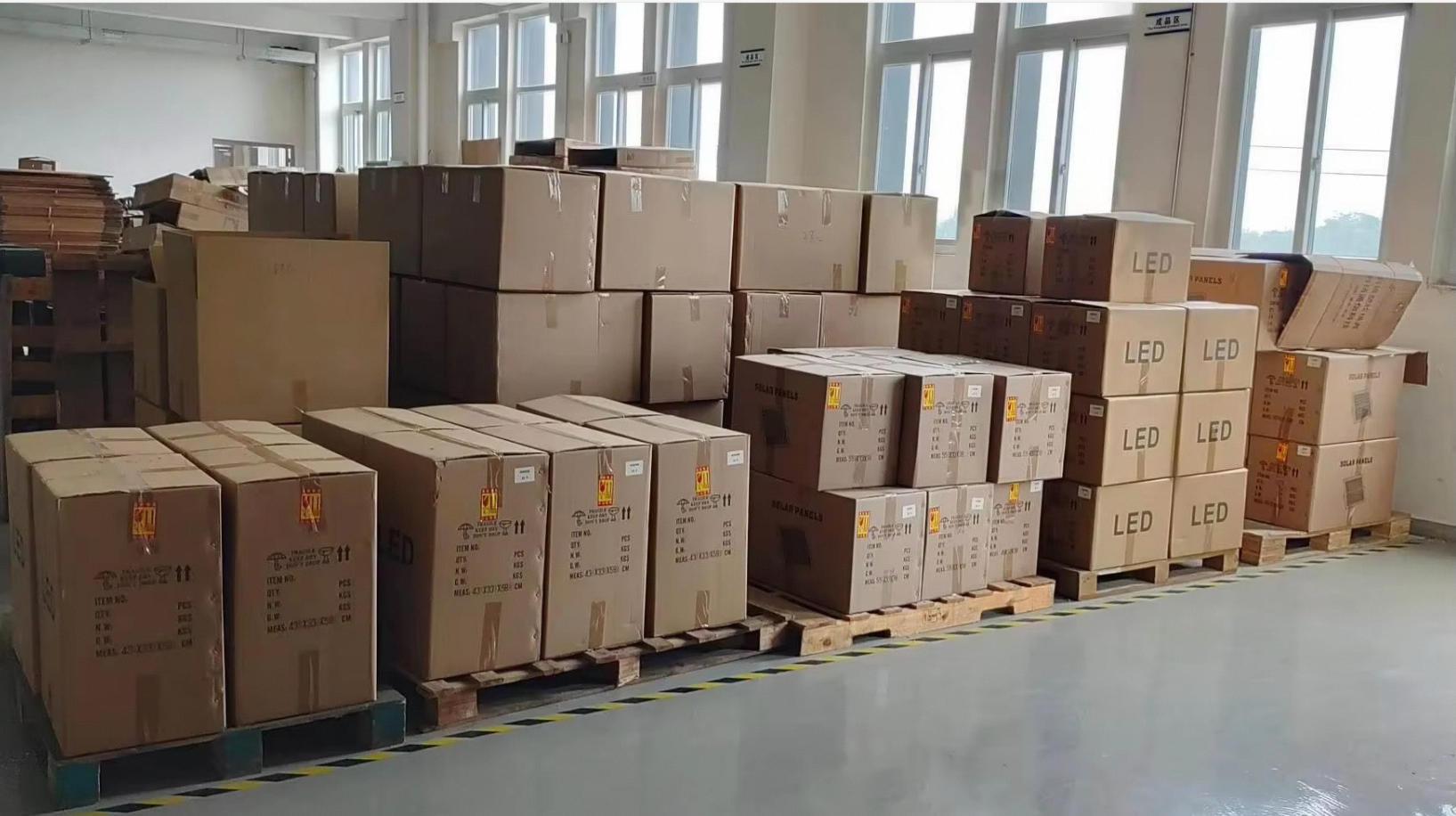
Our QC team inspects every manufacturing step to ensure structural integrity and IP-rated reliability under extreme weather.
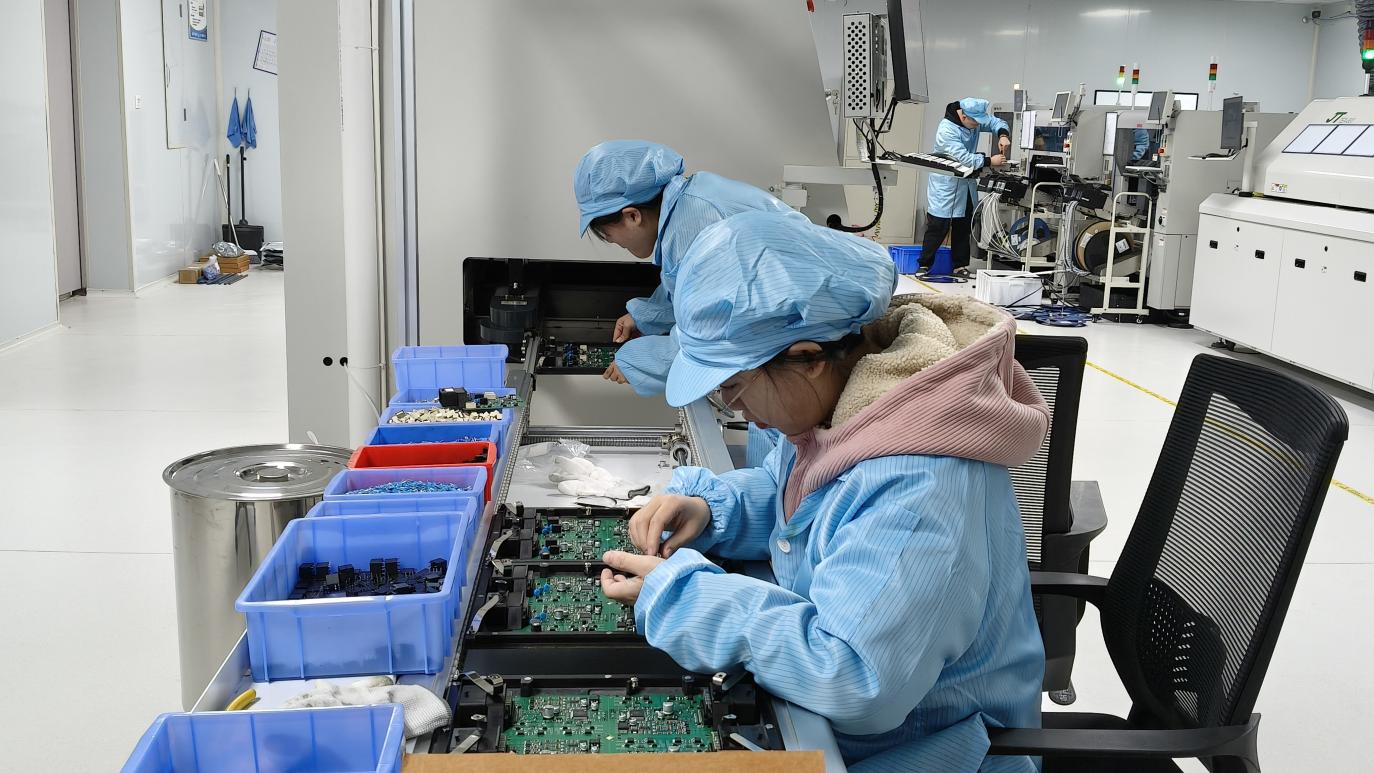
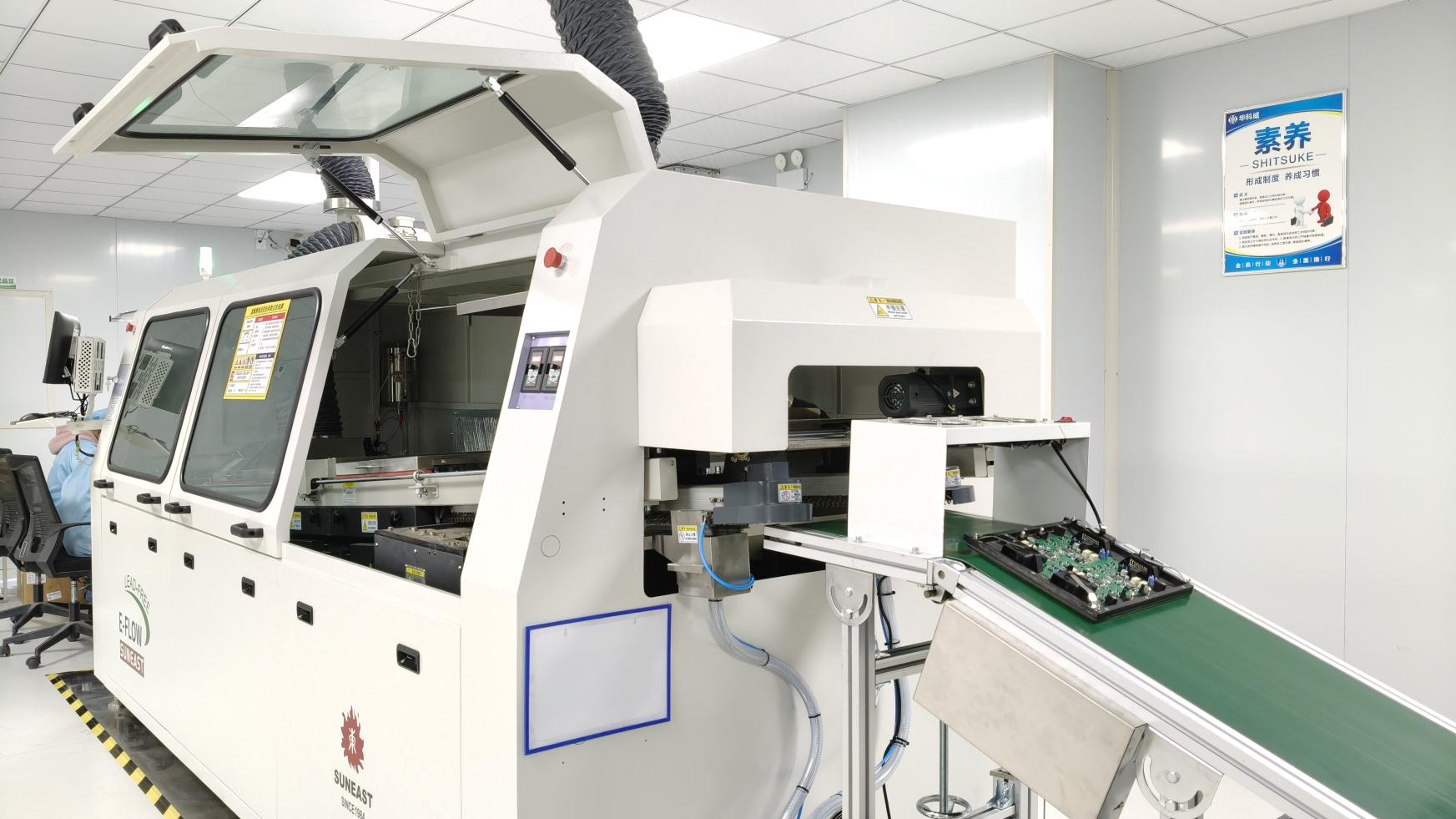
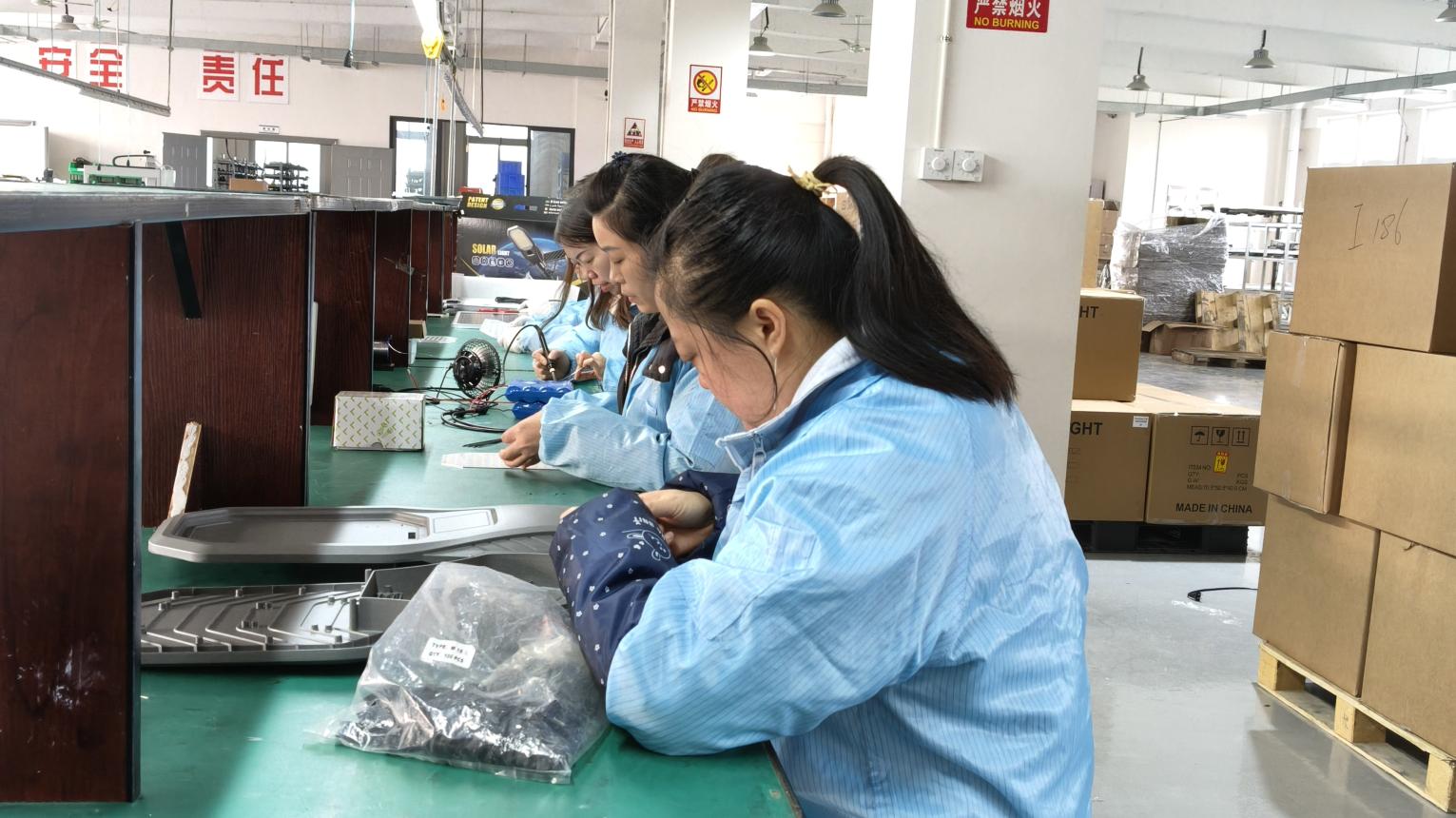
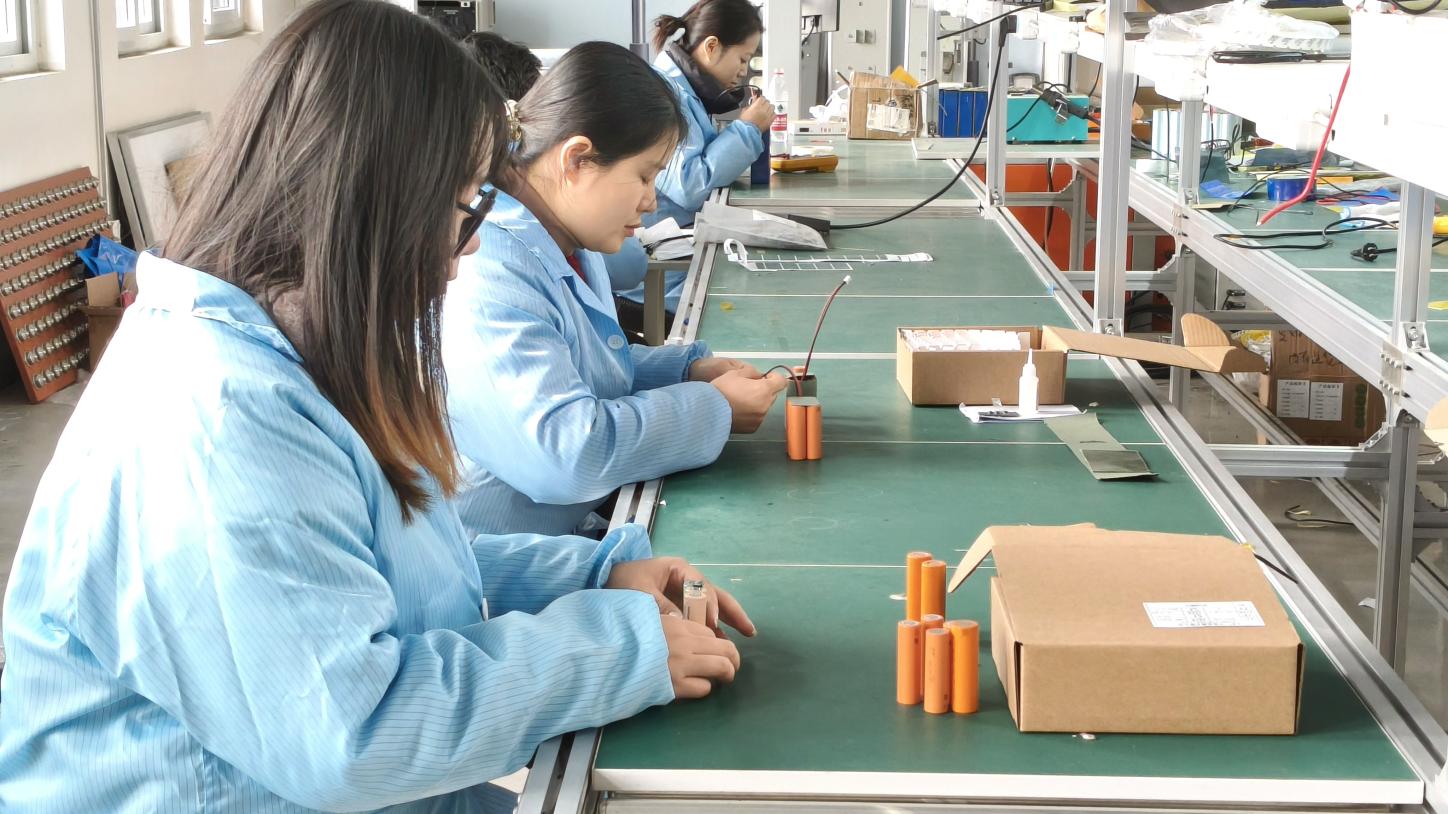
To understand how our solar lighting systems deliver uninterrupted operation year-round, we must evaluate the core hardware innovations configured for northern environments:
Our systems employ high-speed MPPT algorithms that track maximum power points within 0.1 seconds. These increase panel energy absorption efficiency by up to 30% compared to traditional PWM controllers, keeping batteries charging under dense clouds.
Unlike standard lithium cells, our customized LiFePO4 batteries are equipped with an integrated BMS heater. At temperatures below 0°C, the system automatically redirects secondary energy to heat the battery compartment, protecting cell chemistry.
Our structural configurations are modeled through finite element analysis (FEA) to withstand high wind zones, utilizing high-tensile Q235 steel hot-dip galvanized coating to prevent coastal salt fog corrosion.
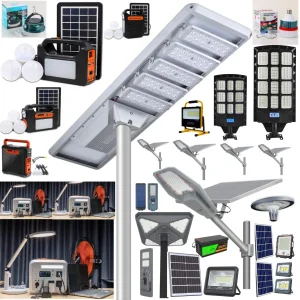
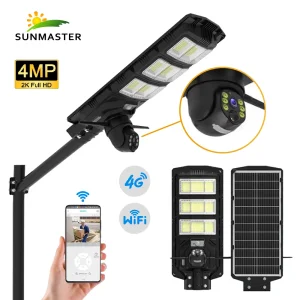
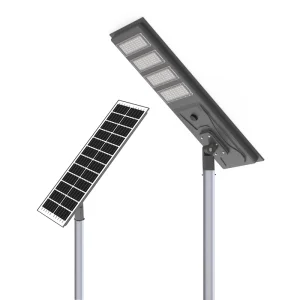
Browse our full range of street lights, garden lighting, and camera systems engineered with industrial-grade waterproofing and structural stability.
When drafting tenders or procurement specifications for road lighting infrastructure in Western Europe, engineers must outline precise tolerances. Zhejiang Lili Light structures compliance benchmarks across these critical systems:
Batwing light distribution curves (Type II & Type III) are critical to ensure uniform light coverage on bike lanes and motorways. Our optical lenses control glare (Unified Glare Rating < 19), conforming strictly to EN 13201 street lighting classes.
Equipped with standardized NEMA or Zhaga connectors, our smart lights seamlessly interface with municipal central management software (CMS). This enables automated failure reporting, remote dimming control, and telemetry tracking.
Our housings are cast from high-grade die-cast aluminum (ADC12), treated with anti-static, anti-UV thermosetting powder coatings. This prevents oxidation under salty, coastal air conditions.
| Parameters | Standard Spec | Lili Light Performance |
|---|---|---|
| Solar Panel Conversion | 17% - 19% | Up to 22.5% (Mono) |
| Battery Lifespan | 1500 Cycles | 6000+ Cycles (LiFePO4) |
| Waterproofing Grade | IP65 | IP67 & IP68 Sealed |
| Wind-force Standard | Class 3-4 | Class 5 (Up to 120km/h) |
| Working Temperature | -10°C to 50°C | -25°C to 65°C |
Stay ahead of global transitions towards AI-integrated off-grid power infrastructure.
Integrating machine learning models that analyze regional weather patterns to forecast solar intake and dynamically throttle brightness levels, guaranteeing zero blackouts during extended periods of winter cloudiness.
Capturing reflected ground light (albedo effect) from wet asphalt or frost. This adds up to 15% more power input, allowing smaller panels to achieve higher power output configurations in compact urban environments.
Aligning with European green procurement standards, upcoming models utilize fully recyclable cast alloys, minimized plastics, and modular components for straightforward circular disassembly at end-of-life.
Expert technical answers addressing the most common design, installation, and procurement questions from municipal engineers and EPC contractors.
Connect with our expert engineering team to request custom DIALux simulations, wind load analyses, or wholesale pricing tailored for Dutch infrastructure projects.
 Lili Light